Following directions Worksheets for Ages 7-8
3 filtered results
-
From - To
Discover our engaging "Following Directions Worksheets for Ages 7-8" at Kids Academy, designed to enhance your child's listening and comprehension skills. These captivating worksheets teach crucial following-directions skills through fun activities, helping children develop critical thinking and attention to detail. Perfect for teachers and parents, each worksheet includes clear instructions and enjoyable tasks that stimulate young minds while fostering independence. Our high-quality, printable resources cover diverse topics, ensuring your child remains interested and motivated. Support your child's learning journey with our expertly crafted worksheets and watch their confidence soar in following directions!
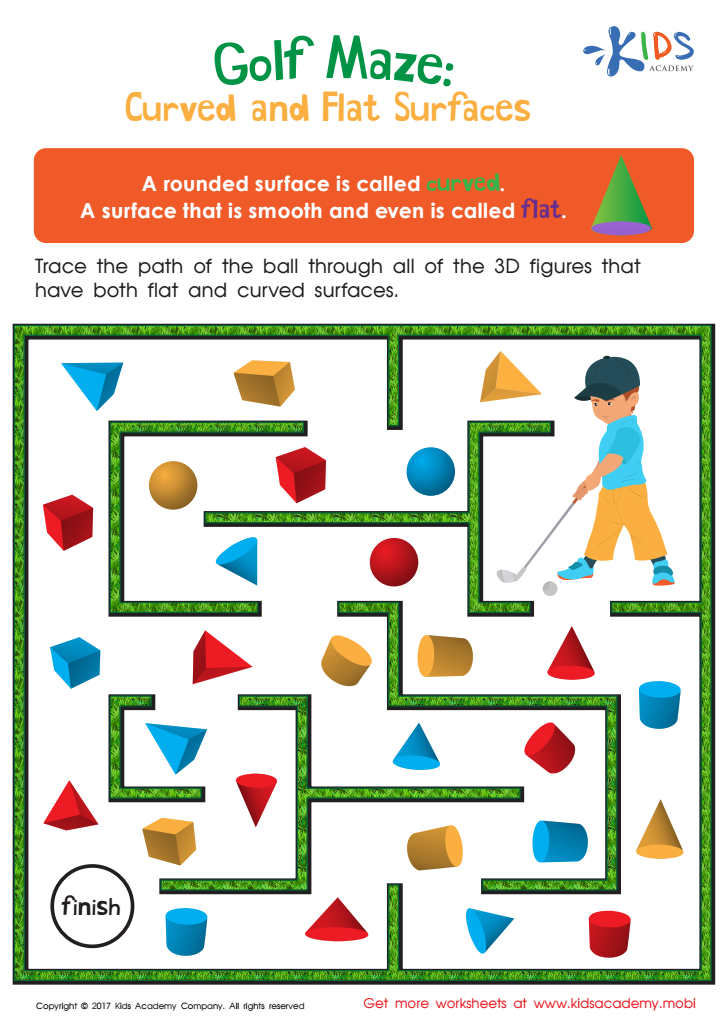
Golf Maze: Curved and Flat Surfaces Worksheet
 Assign to My Students
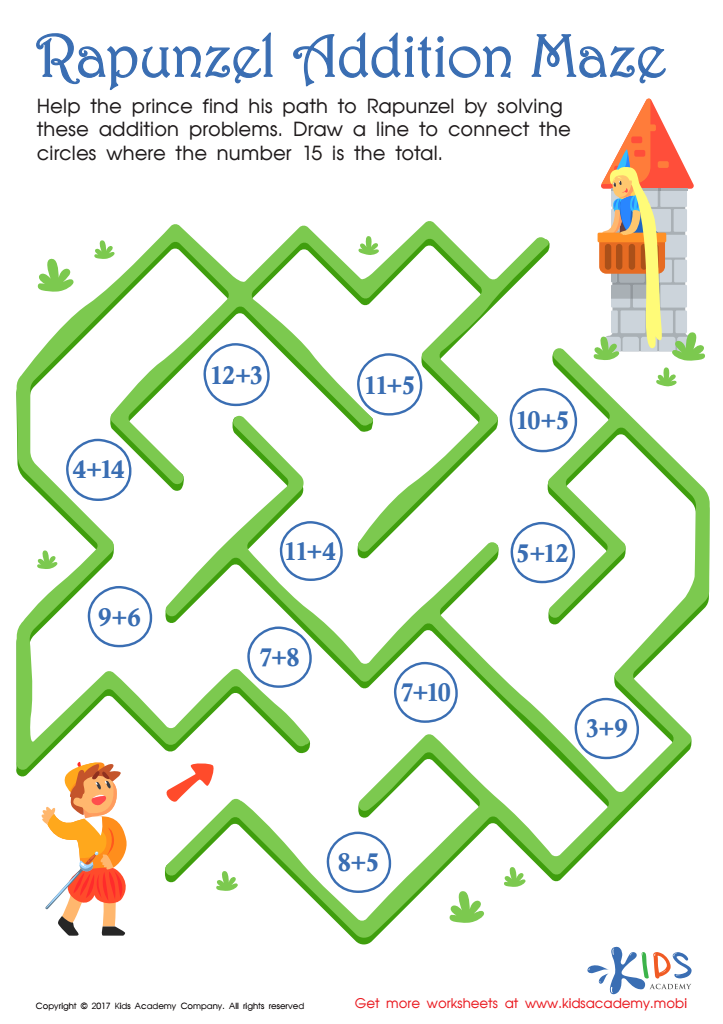
Rapunzel Addition Maze Worksheet
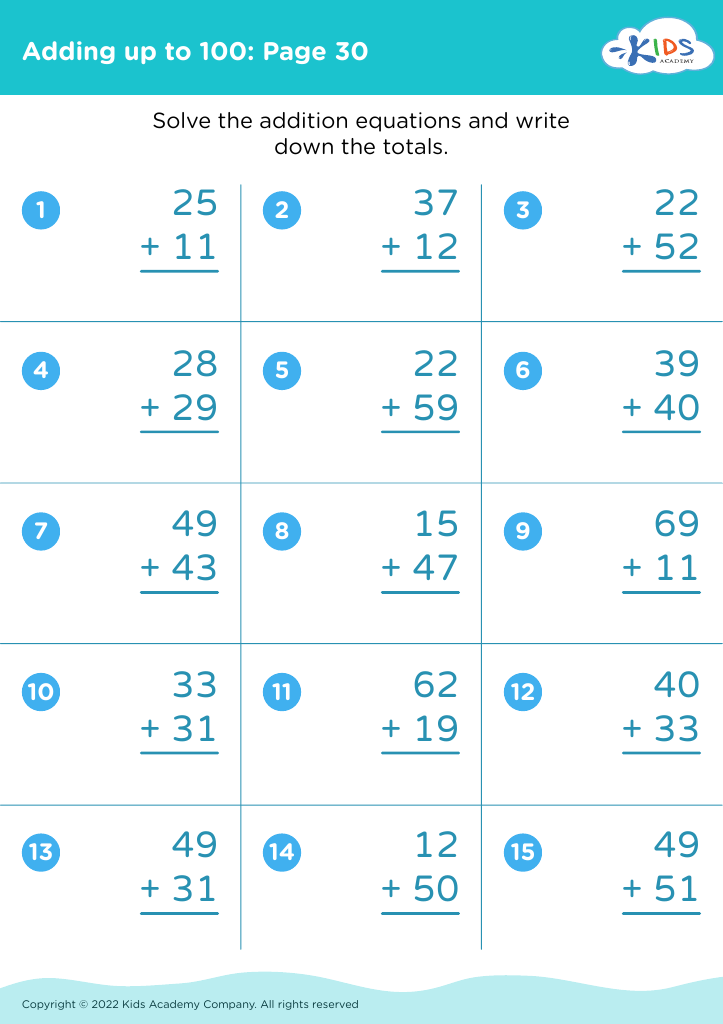







Following directions is a critical skill for children aged 7-8 as it lays the groundwork for both academic success and personal development. At this age, children are building essential cognitive abilities such as attention, memory, and problem-solving. When children learn to follow directions, they enhance their ability to focus and process information effectively, skills crucial for learning and completing school tasks.
For example, being able to listen and adhere to oral and written instructions directly impacts their performance in subjects like reading and mathematics. A child who can follow a sequence of steps to solve a math problem or complete a science experiment is more likely to succeed and feel confident in their abilities. Additionally, this skill spills over into classroom behavior, promoting a respectful and orderly learning environment.
From a social perspective, following directions teaches children the importance of rules and routines, which fosters a sense of responsibility and discipline. It paves the way for positive interactions with peers and adults, as children learn to listen, wait their turn, and cooperate. This social competence is important not only for current friendships but also for lifelong interpersonal skills.
Overall, developing the ability to follow directions at this formative age supports holistic growth, ensuring children are well-prepared for the increasing academic demands and social expectations of their educational journey.








