
Learning scientific vocabulary Worksheets for Ages 7-8
3 filtered results
Difficulty Level
Grade
Age
-
From - To
Subject
Activity
Standards
Enhance your child's scientific knowledge with our engaging worksheets designed for ages 7-8. These printable resources focus on expanding scientific vocabulary through interactive activities that make learning fun and stimulating. Our worksheets encourage children to explore concepts like flora, fauna, weather, and simple machines, fostering a love for science. Each activity is crafted to simplify complex terms and promote comprehension, helping young learners confidently express themselves in scientific contexts. Ideal for home or classroom use, these worksheets support educational development while sparking curiosity about the world around them. Begin your child’s scientific journey today with our tailored learning materials!
Favorites
With answer key
Interactive
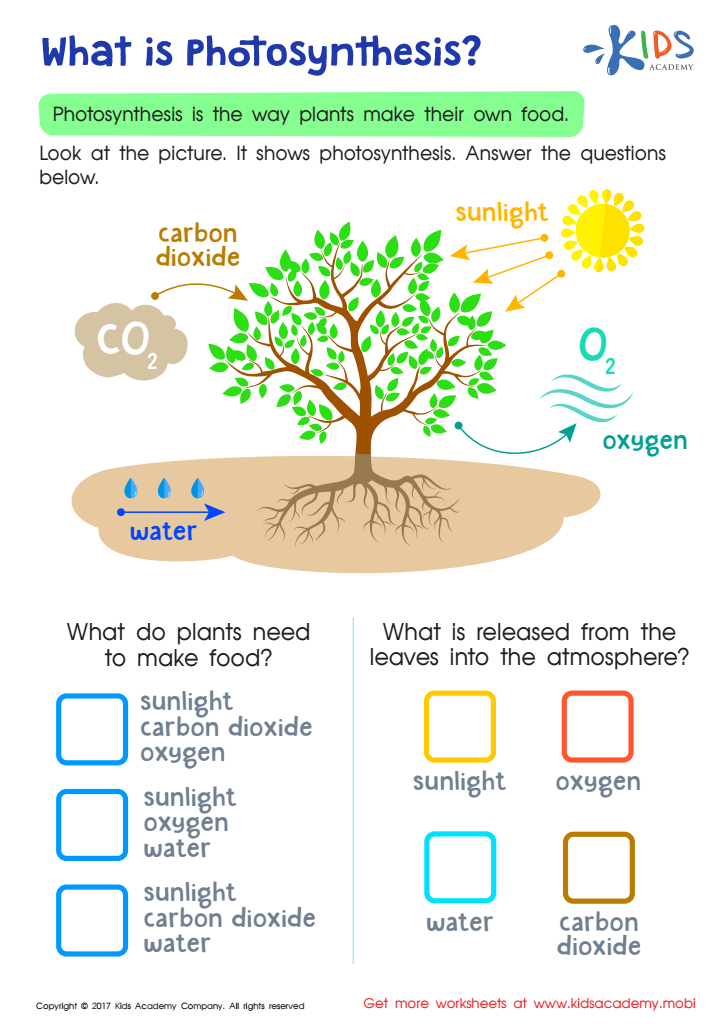
What is Photosynthesis Printable
Plants need to eat too; they make their own food from the air. Introduce them to photosynthesis with this fun worksheet!
 Assign to My Students
What is Photosynthesis Printable
Worksheet
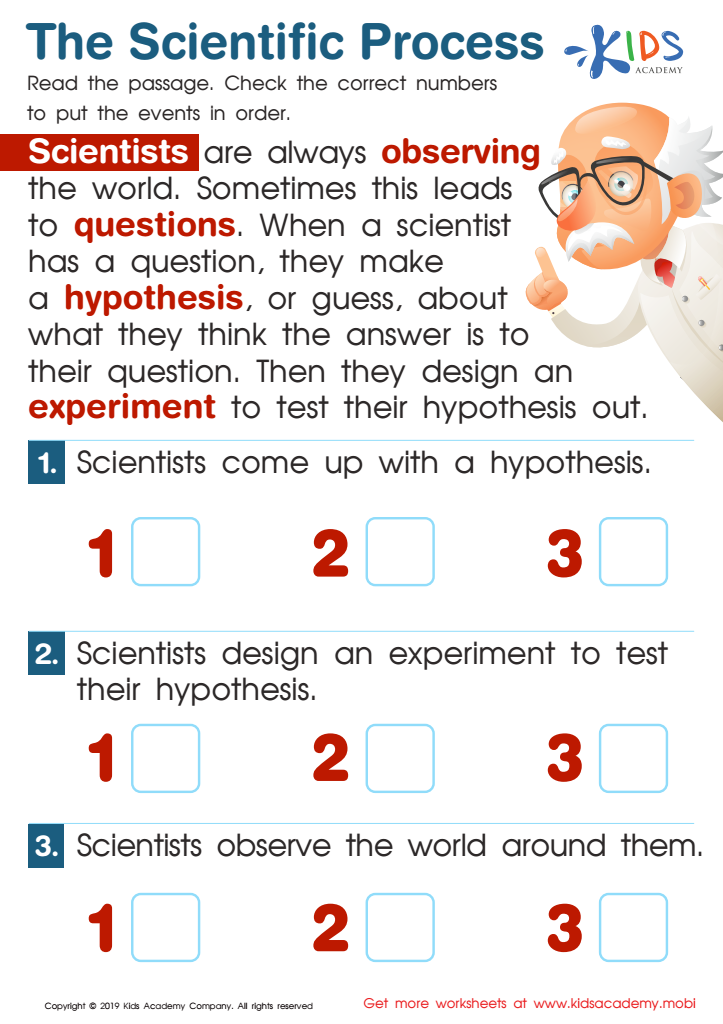
The Scientific Process Worksheet
Help your kids read the passage, then ask them to explain what they've learnt. Ask the questions and help put the events in order. Through this worksheet, your kids will learn more about science and practice reading skills. It's a fun way to explore science! (80 words)
The Scientific Process Worksheet
Worksheet
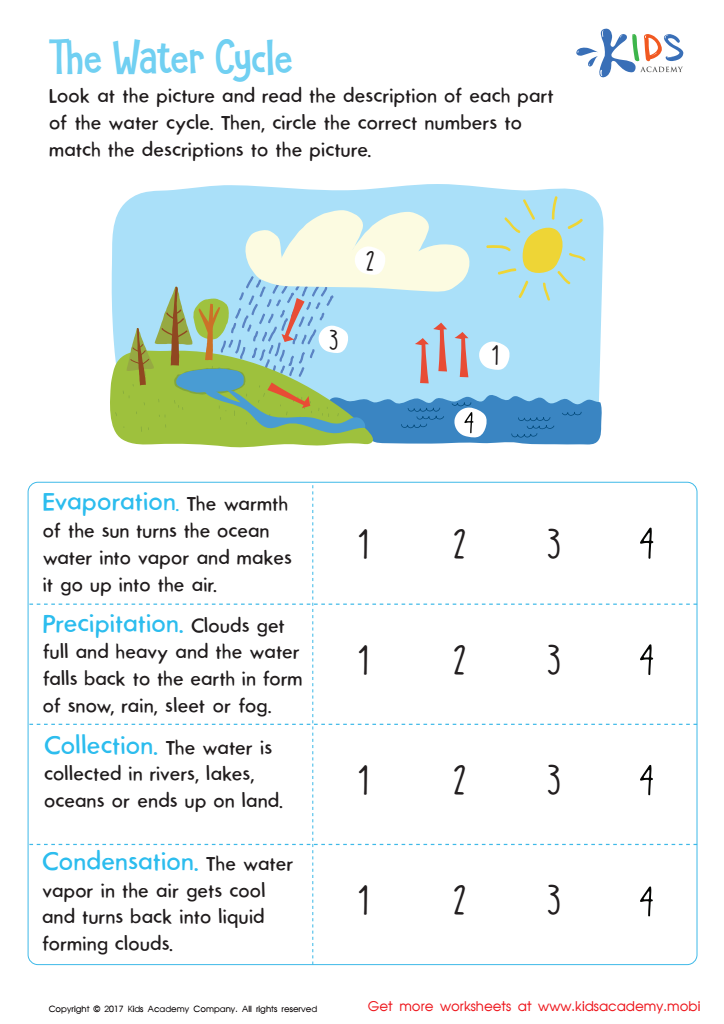
The Water Cycle Worksheet
Kids love science because it sparks their curiosity, so use this worksheet to introduce them to earth science and build a strong foundation for future learning.
The Water Cycle Worksheet
Worksheet
Learning Skills
Join Kids Academy for Free
Who is primarily going to use this learning content?








Learning scientific vocabulary is crucial for children aged 7-8, as it builds a foundation for understanding complex concepts later in life. At this age, children are naturally curious and eager to explore their environment, making it an ideal time to introduce them to the language of science. Understanding scientific terms enhances their ability to express observations, formulate questions, and share ideas, fostering critical-thinking skills.
Parents and teachers play a vital role in cultivating this vocabulary. When children encounter words like "cell," "ecosystem," or "gravity," they begin to connect concepts to everyday experiences. This rich vocabulary not only supports scientific literacy but also boosts reading comprehension across subjects. As students engage in discussions and hands-on activities, they learn to communicate effectively, setting them up for success in later academic endeavors.
Furthermore, familiarity with scientific vocabulary helps children make sense of the world around them and encourages a lifelong interest in science. By supporting the development of this vocabulary, parents and teachers equip children with the tools needed to explore, understand, and innovate in their future studies, sparking a passion for learning that can lead to exciting opportunities.








