Problem Solving Worksheets for Ages 7-8 - Page 2
27 filtered results
-
From - To
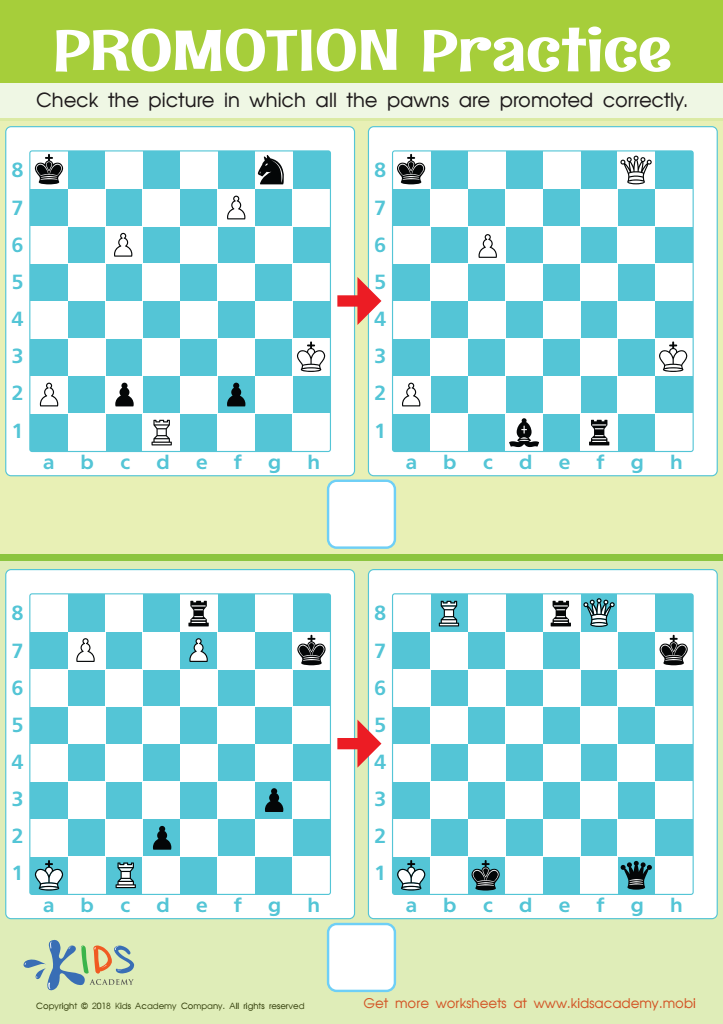
Promotion Practice Worksheet
 Assign to My Students
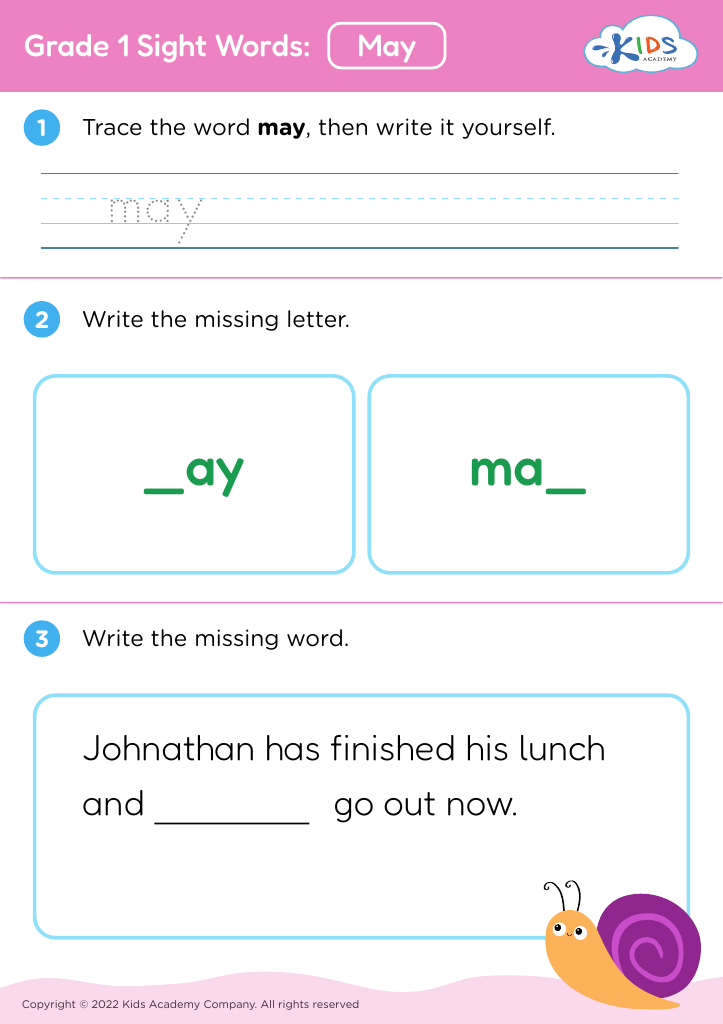
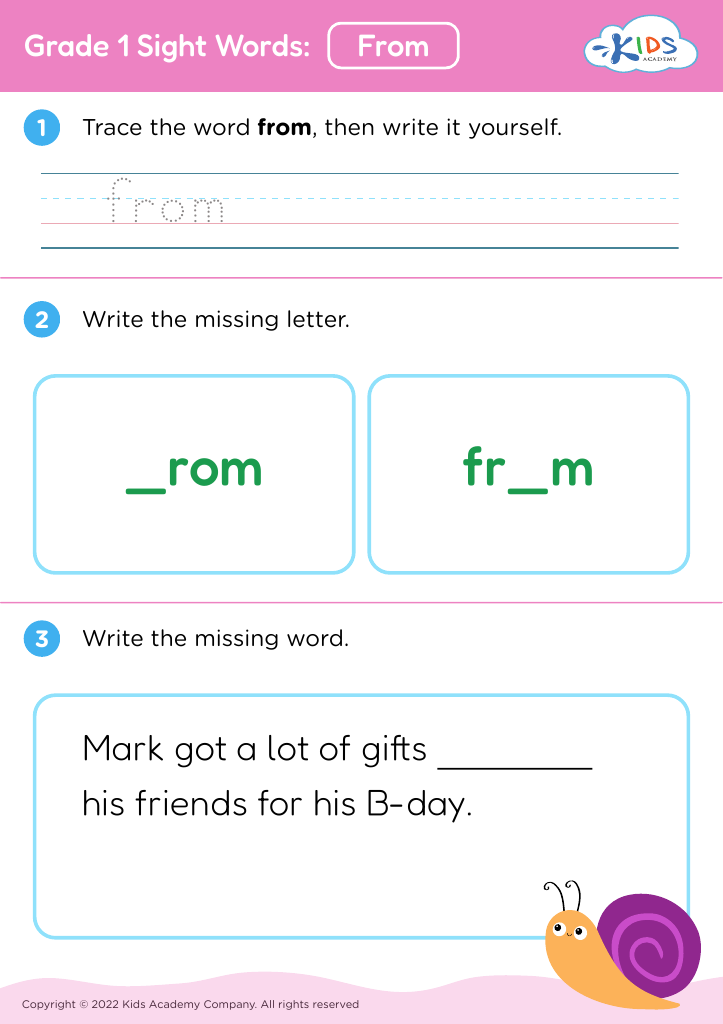








Problem solving is a crucial skill for children ages 7-8, as this developmental stage is marked by increased cognitive abilities and a desire for independence. During these formative years, children are not only enhancing their academic skills but also building essential life competencies that shape their future success. By focusing on problem-solving, parents and teachers help students cultivate critical thinking skills that enable them to analyze situations, make informed decisions, and develop resilience when faced with challenges.
Additionally, problem-solving promotes creativity and collaboration. Group activities encourage children to work together, sharing diverse perspectives which foster social skills and teamwork. Furthermore, engaging in problem-solving activities enhances children's confidence, as they learn to navigate obstacles and celebrate their achievements. This groundwork prepares them for more complex challenges in later years, both academically and personally.
Moreover, teaching this skill in a supportive environment allows adults to model effective problem-solving strategies, nurturing communication and emotional regulation. As children approach increasingly complex concepts in school, a solid foundation in problem-solving will not only enhance their academic performance but also prepare them for the uncertainties of everyday life, making it essential for both parents and teachers to prioritize this vital skill.








