Spatial awareness Worksheets for Ages 7-8 - Page 2
34 filtered results
-
From - To
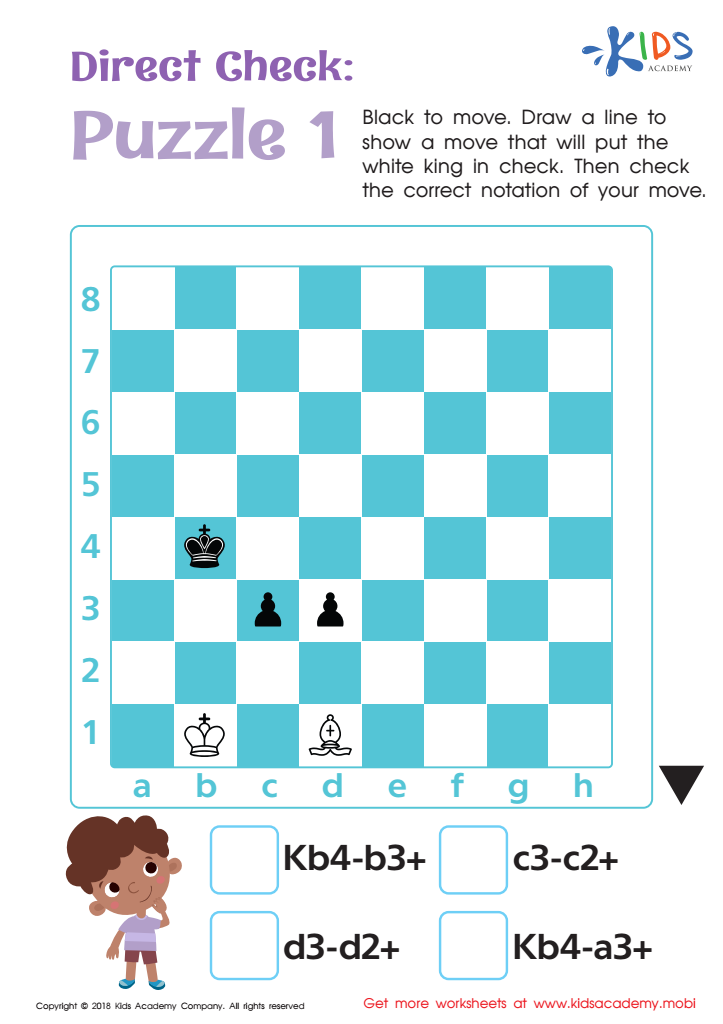
Direct Check: Puzzle 1 Worksheet
 Assign to My Students
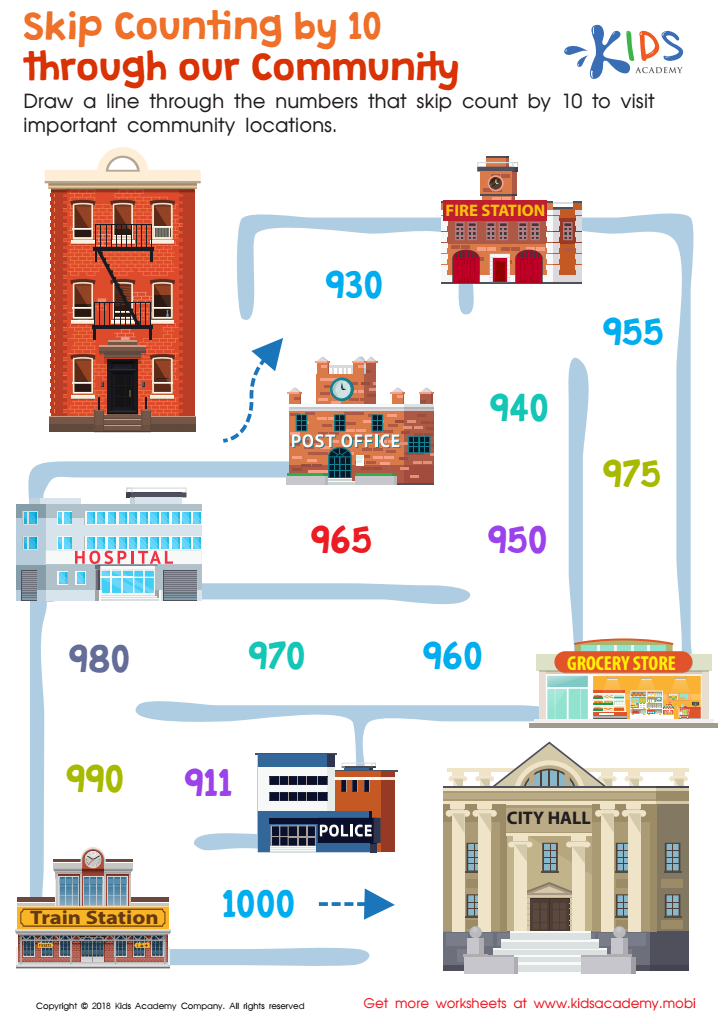
Skip Counting by 10 Through Our Community Worksheet
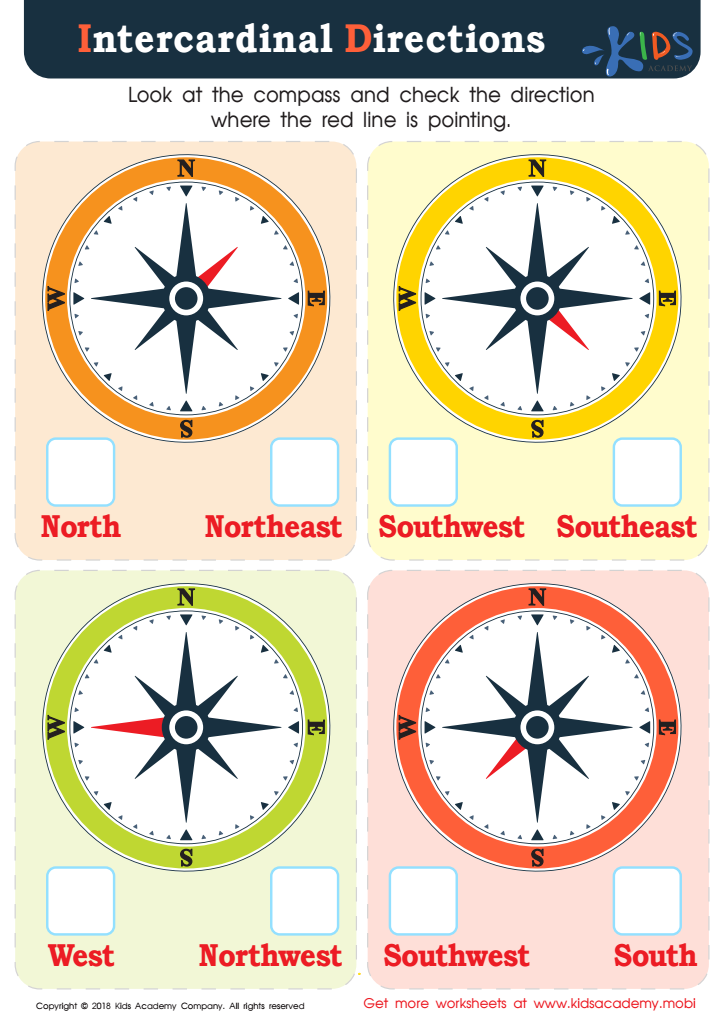
Intercardinal Directions Worksheet
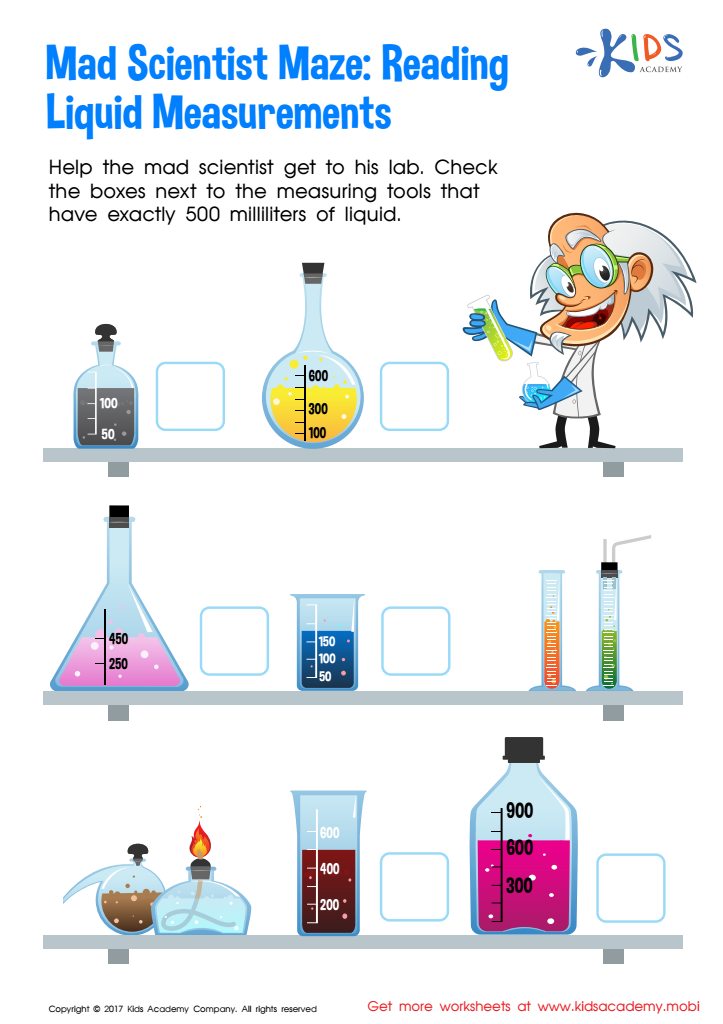
Reading Liquid Measurement Worksheet
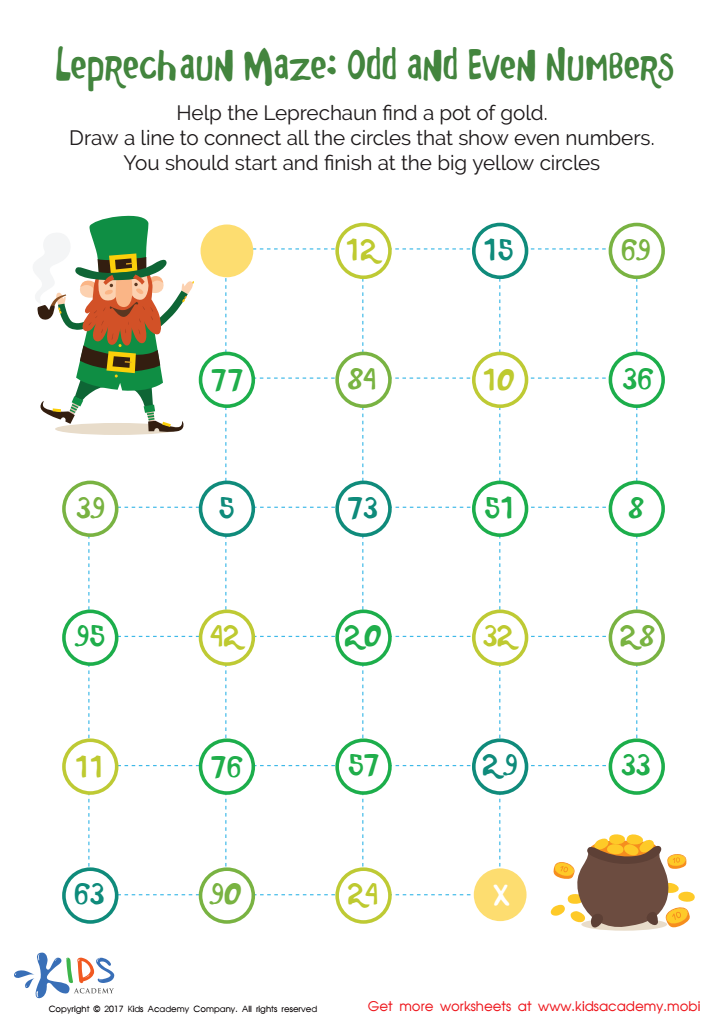
Leprechaun Maze Printable
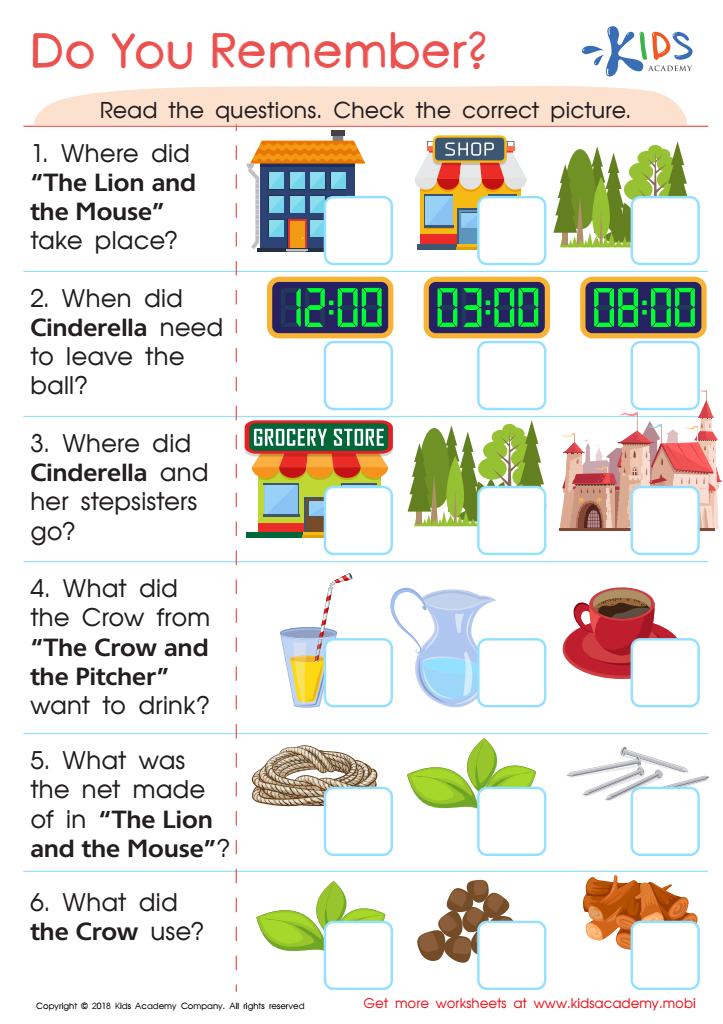
Do You Remember? Worksheet
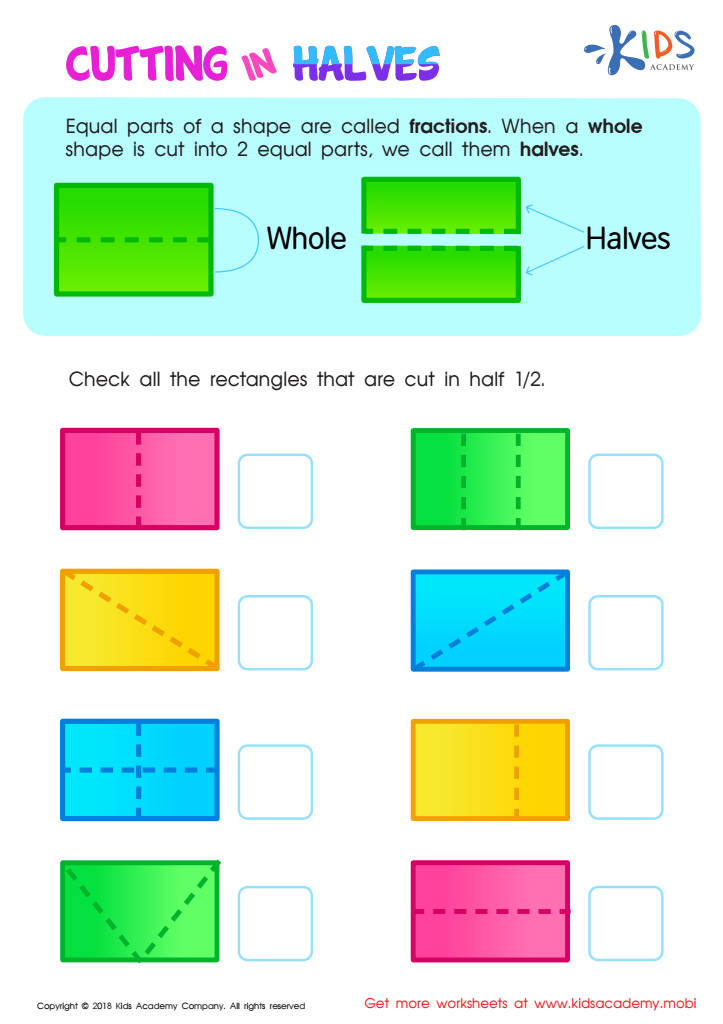
Cutting in Halves Worksheet
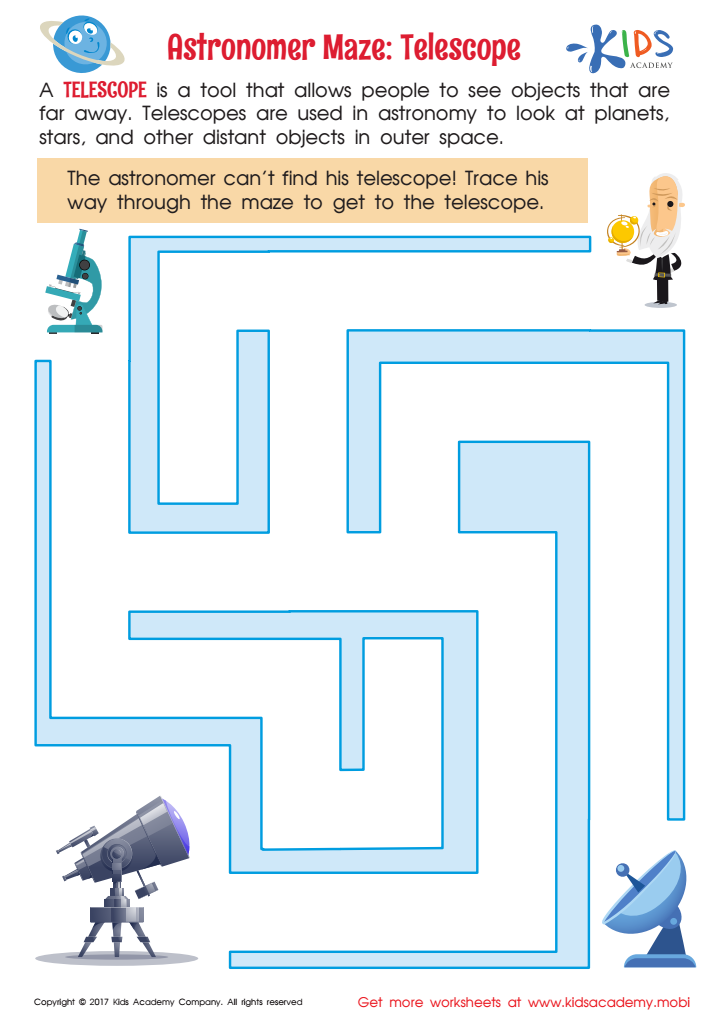
Astronomer Maze: Telescope Worksheet






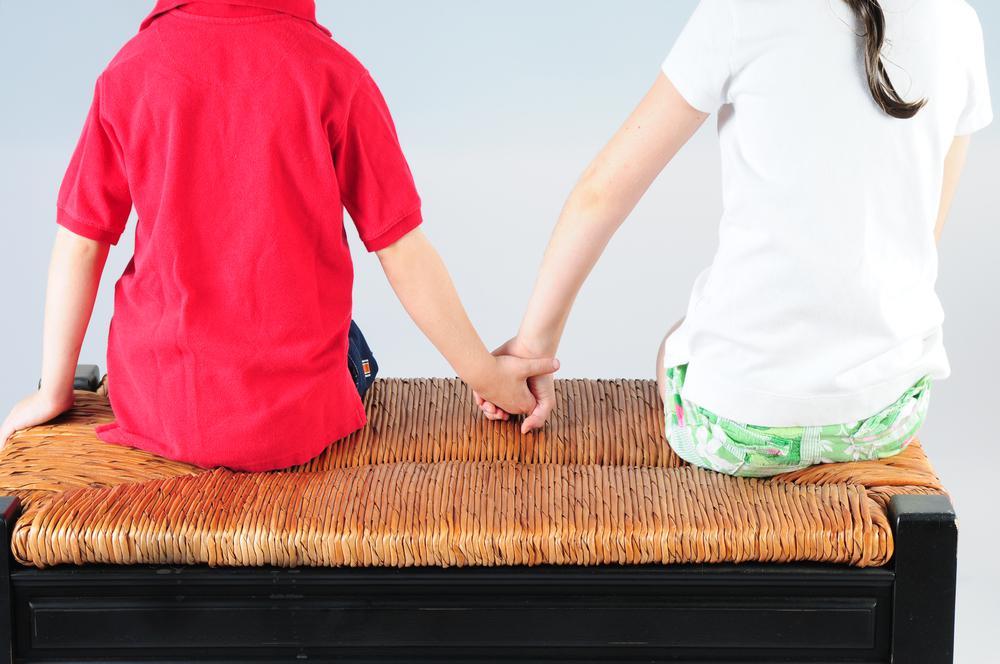

Spatial awareness is crucial for children aged 7-8 as it forms the foundation for numerous cognitive, academic, and real-world skills. During this developmental stage, children begin to navigate their environment more independently, making spatial skills crucial for their safety and daily functioning. Understanding spatial relationships helps them to interpret maps, charts, and diagrams, which are foundational for subjects like mathematics and science.
Additionally, developing strong spatial awareness supports skills such as problem-solving and critical thinking. Activities like building with blocks, drawing, and playing certain sports enhance these abilities, helping children visualize and manipulate objects in their mind.
Furthermore, spatial awareness ties into social interactions; understanding personal boundaries and the dynamics of group activities is vital for forming healthy relationships. Parents and teachers can foster spatial skills through games and interactive learning experiences, such as puzzles, mazes, and outdoor activities, promoting both fun and educational growth. Ultimately, nurturing spatial awareness contributes to a child's overall academic success and everyday interactions, equipping them with the skills they need to thrive both in and out of the classroom.








