Understand subtraction Worksheets for Ages 7-8
6 filtered results
-
From - To
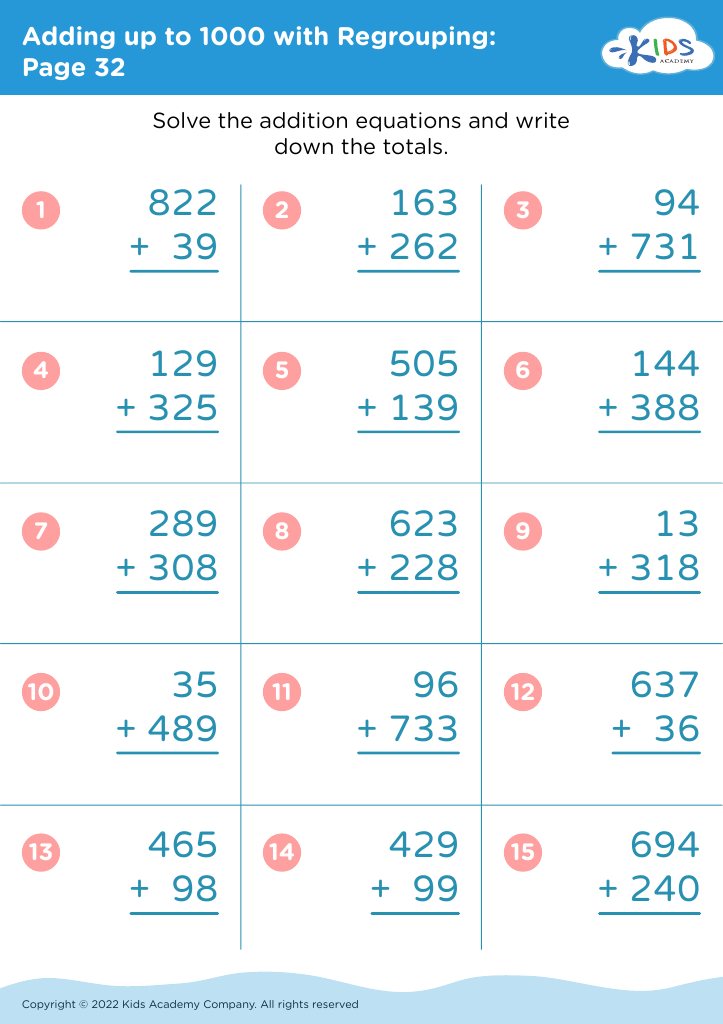
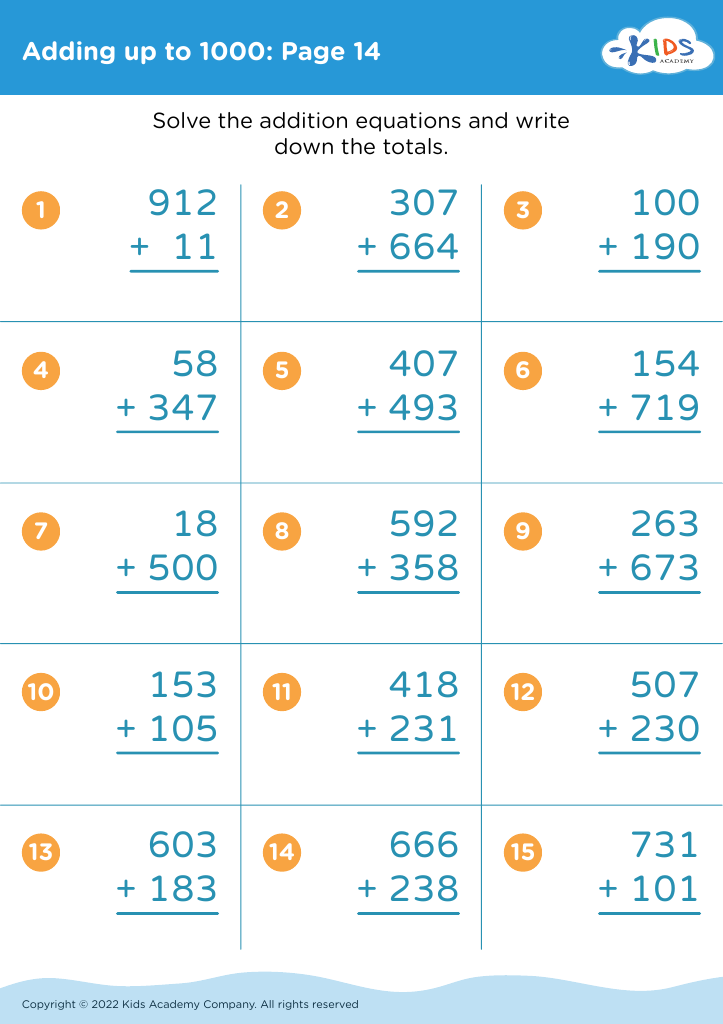
Explore our "Understand Subtraction" worksheets specifically designed for children ages 7-8. These engaging worksheets aim to strengthen essential subtraction skills through a variety of fun and interactive exercises. Each activity encourages critical thinking, fosters a deep understanding of subtraction concepts, and promotes independent problem-solving. Your child will work on visual aids, number lines, and word problems that make learning subtraction enjoyable and effective. Perfect for homeschooling, reinforcement, or in-class activities, our worksheets provide comprehensive support for young learners mastering this fundamental math skill. Download free printable worksheets today and help your child gain confidence in subtraction!
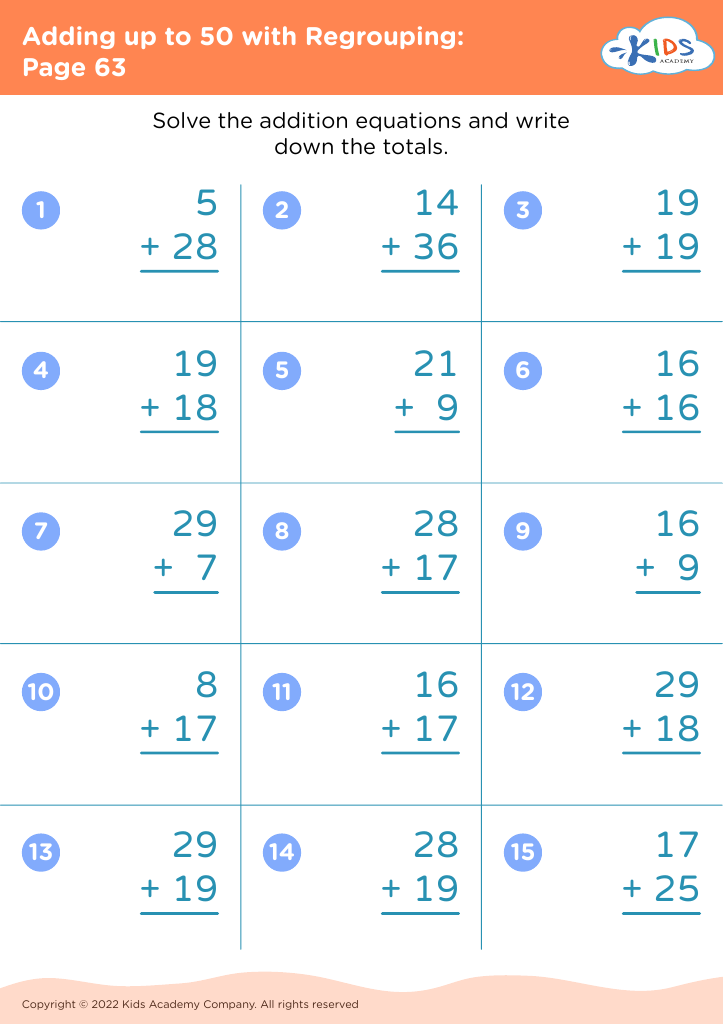
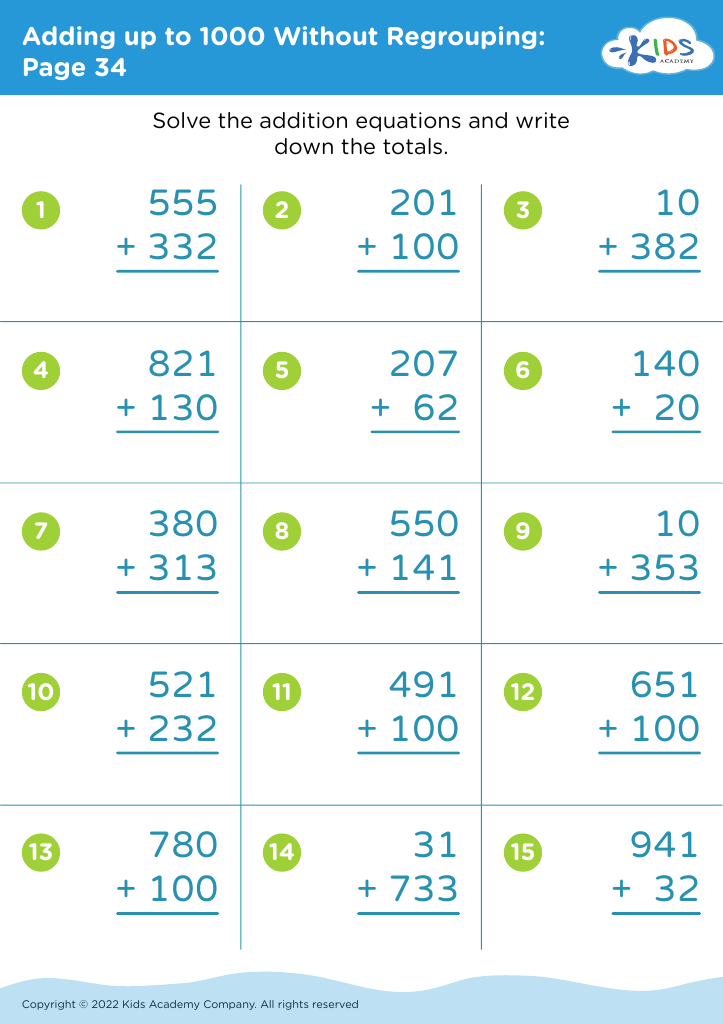
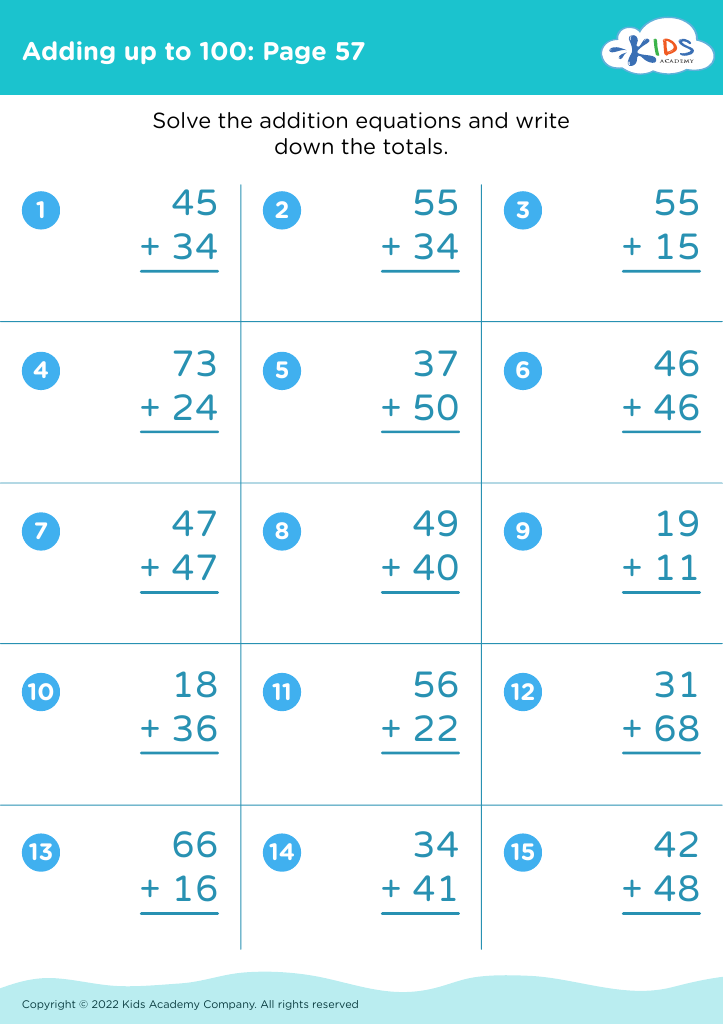
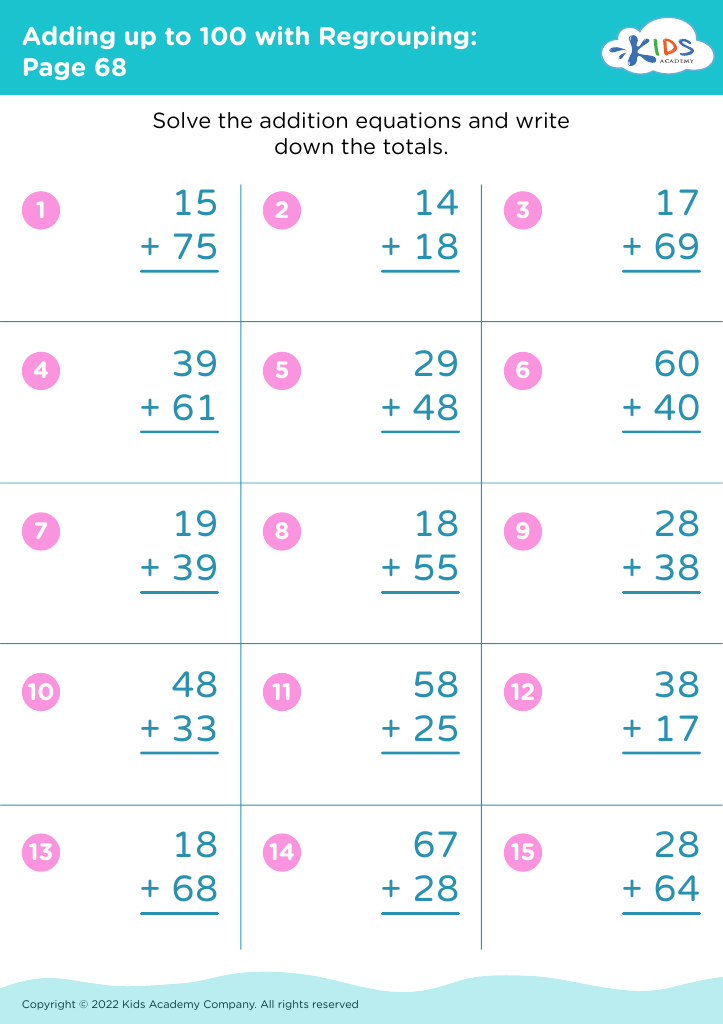








Understanding subtraction is crucial for children aged 7-8 as it lays the foundation for their mathematical skills and overall cognitive development. At this age, children transition from basic number recognition and addition to more complex operations. Mastering subtraction fosters critical thinking and problem-solving abilities, enabling them to approach not just math, but everyday challenges analytically.
Subtraction is not just about taking away; it's linked to various real-life scenarios, such as budgeting, time management, and logical reasoning. Parents and teachers should emphasize subtraction because it enhances children's number sense and helps them grasp important concepts like difference, comparison, and the relationship between numbers.
Moreover, a robust understanding of subtraction aids in combating math anxiety, as children gain confidence in their skills. Reinforcing subtraction through games, hands-on activities, and practical applications encourages engagement and makes learning enjoyable. By caring about subtraction, parents and teachers contribute to holistic education, paving the way for a child's lifelong academic journey and success in future mathematical endeavors. Ultimately, nurturing a solid foundation in subtraction ensures that children will thrive as independent learners, equipped to tackle more advanced mathematical concepts as they progress.








