Visual discrimination skills Worksheets for Ages 7-8
4 filtered results
-
From - To
Enhance your child's visual discrimination skills with our engaging worksheets designed specifically for ages 7-8. These worksheets focus on developing critical skills such as identifying differences, matching patterns, and recognizing shapes. By utilizing fun activities and interactive exercises, kids will improve their attention to detail, cognitive abilities, and problem-solving skills. Perfect for classroom use or at-home practice, our resources are aligned with educational standards, making learning both enjoyable and effective. Easily printable and accessible, these visual discrimination worksheets will help your child confidently navigate their learning journey. Explore our collection today and watch their skills flourish!
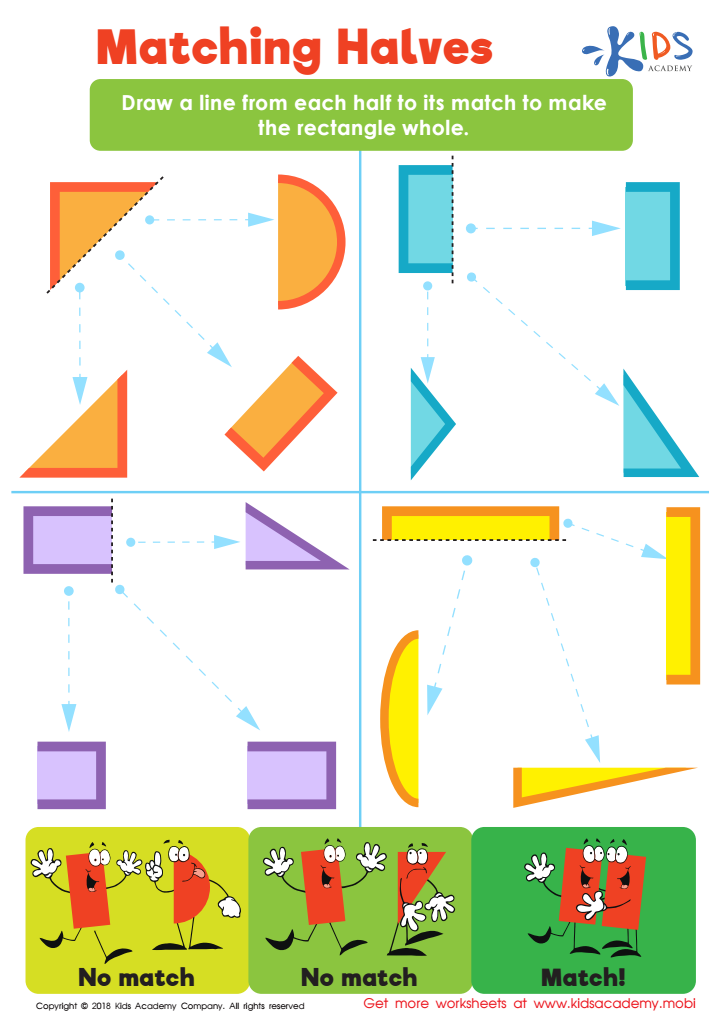
Matching Halves Worksheet
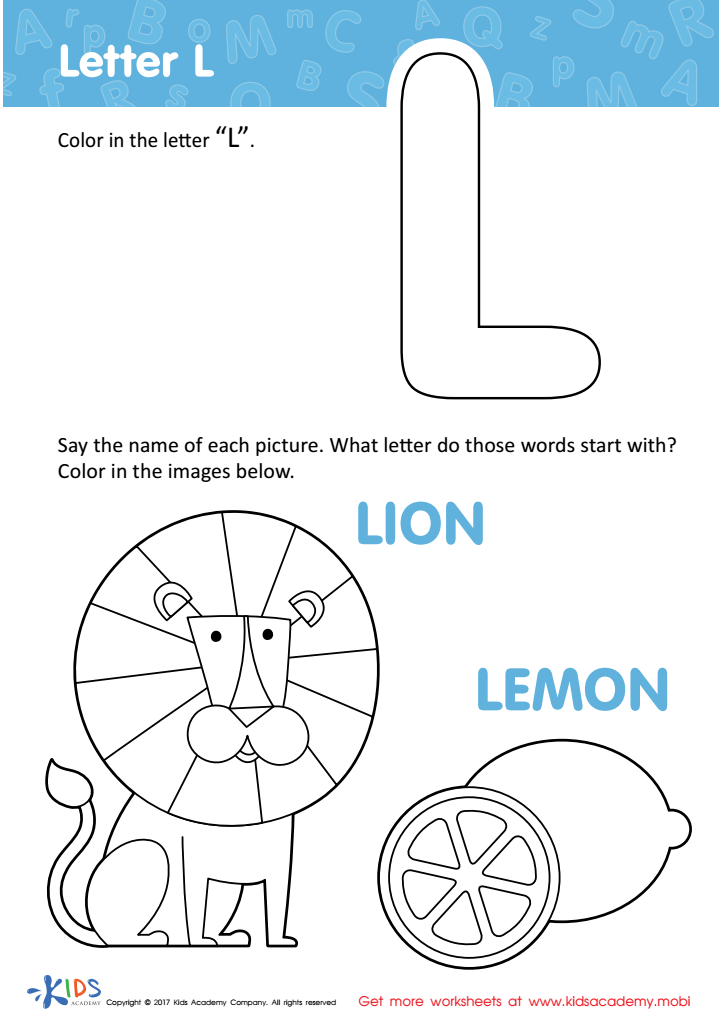
Letter L Coloring Sheet
 Assign to My Students
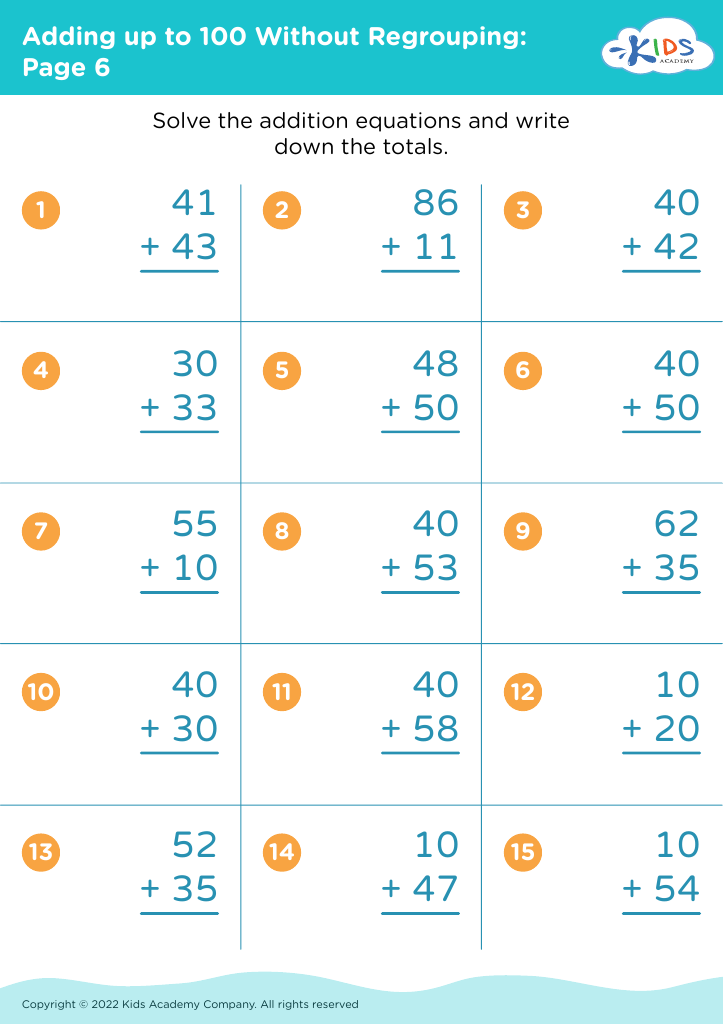
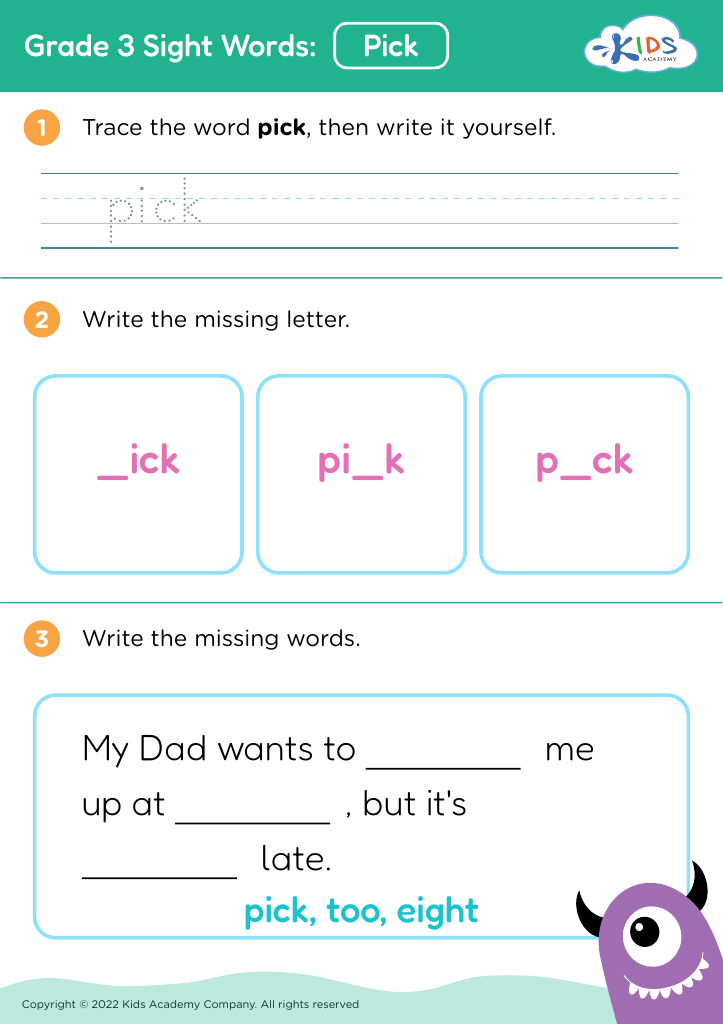







Visual discrimination skills are crucial for children aged 7-8 as they serve as a foundational component for successful learning and everyday tasks. These skills enable students to distinguish between similar shapes, letters, numbers, and objects, which is essential for reading, writing, and math. For instance, being able to differentiate between the letters "b" and "d" can significantly impact a child’s reading abilities and spelling accuracy.
As children are introduced to more complex concepts in the classroom, strong visual discrimination skills help them follow directions, recognize patterns, and solve problems effectively. If these skills are underdeveloped, students may struggle with activities such as note-taking, presenting information clearly, or participating in art projects, which can lead to frustration and a lack of confidence.
Moreover, visual discrimination skills extend beyond academics; they are vital for developing spatial awareness and motor skills, influencing a child's overall development. Parents and teachers should prioritize these skills by incorporating activities that promote observation, comparison, and detail recognition, thereby laying the groundwork for future academic success and enhancing children’s ability to navigate the world around them confidently. By focusing on these skills, caregivers can nurture a well-rounded educational experience that supports independent learning.








