Visual representation comprehension Worksheets for Ages 7-8
10 filtered results
-
From - To
Discover our engaging Visual Representation Comprehension Worksheets designed specifically for children aged 7-8! These printable resources help young learners enhance their ability to interpret visual information, strengthening their reading and comprehension skills. Through captivating images, diagrams, and charts, your child will practice drawing conclusions and making connections – essential skills for academic success. Each worksheet includes fun exercises that motivate kids to analyze visuals and express their understanding in relevant contexts. Perfect for home or classroom use, our worksheets foster critical thinking while keeping learning enjoyable. Download today and empower your child to master visual representation skills with confidence!
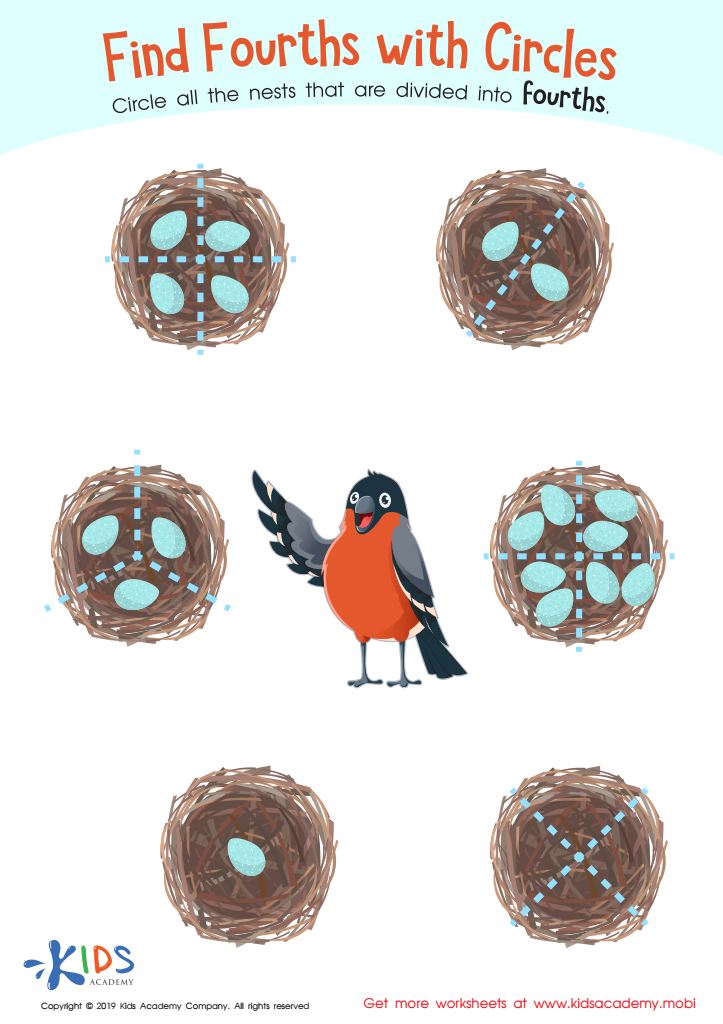
Find Fourths Circles Worksheet
 Assign to My Students
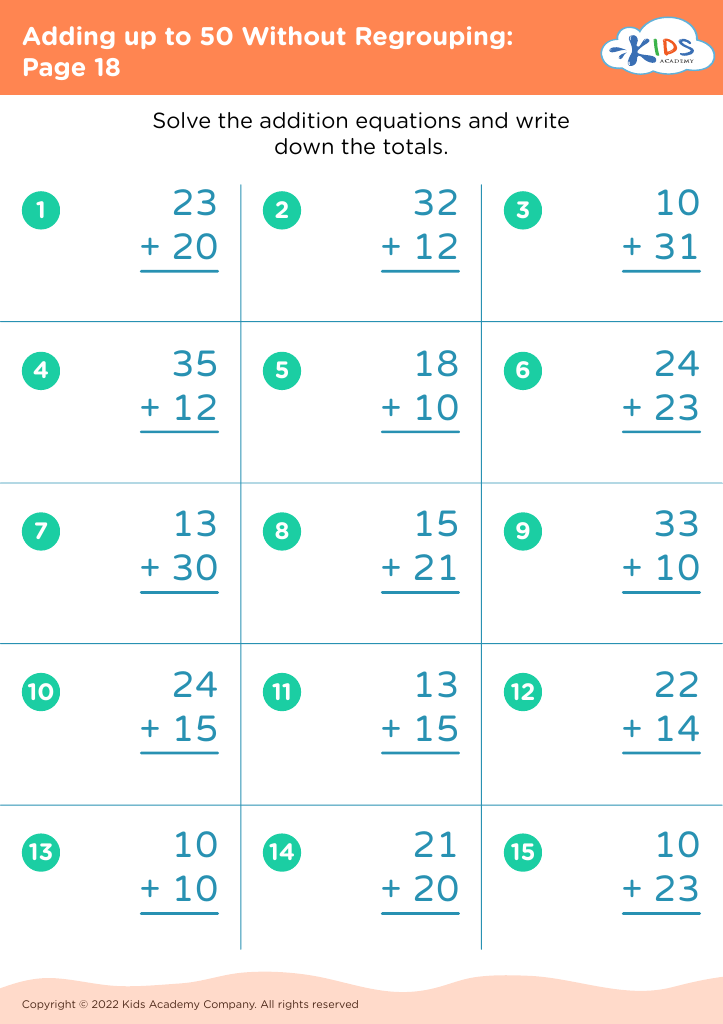
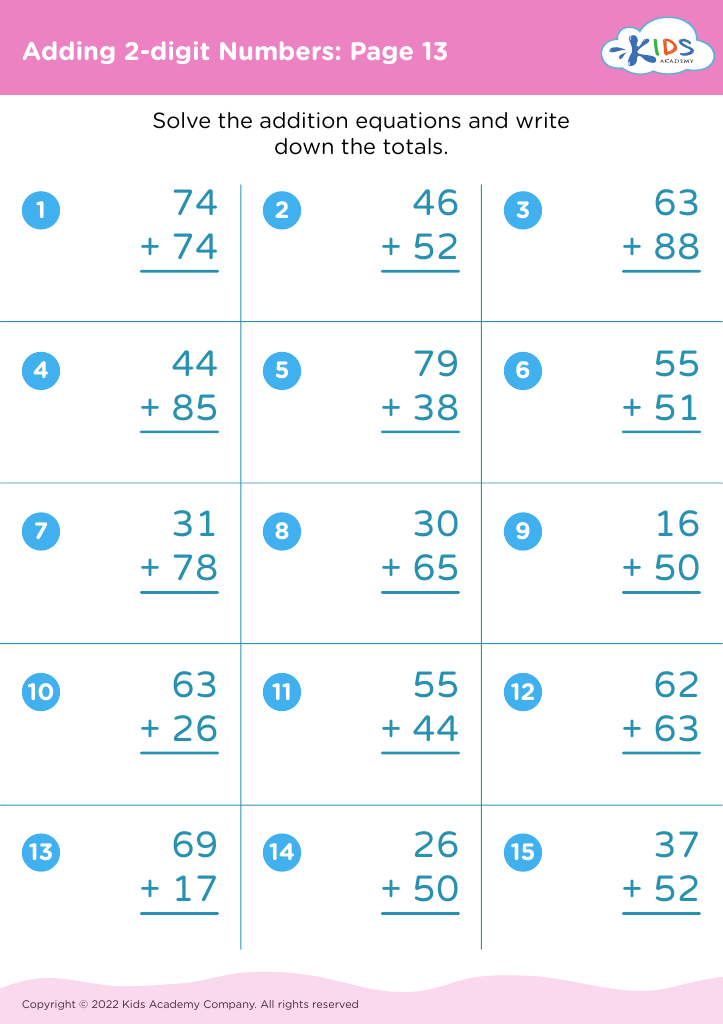
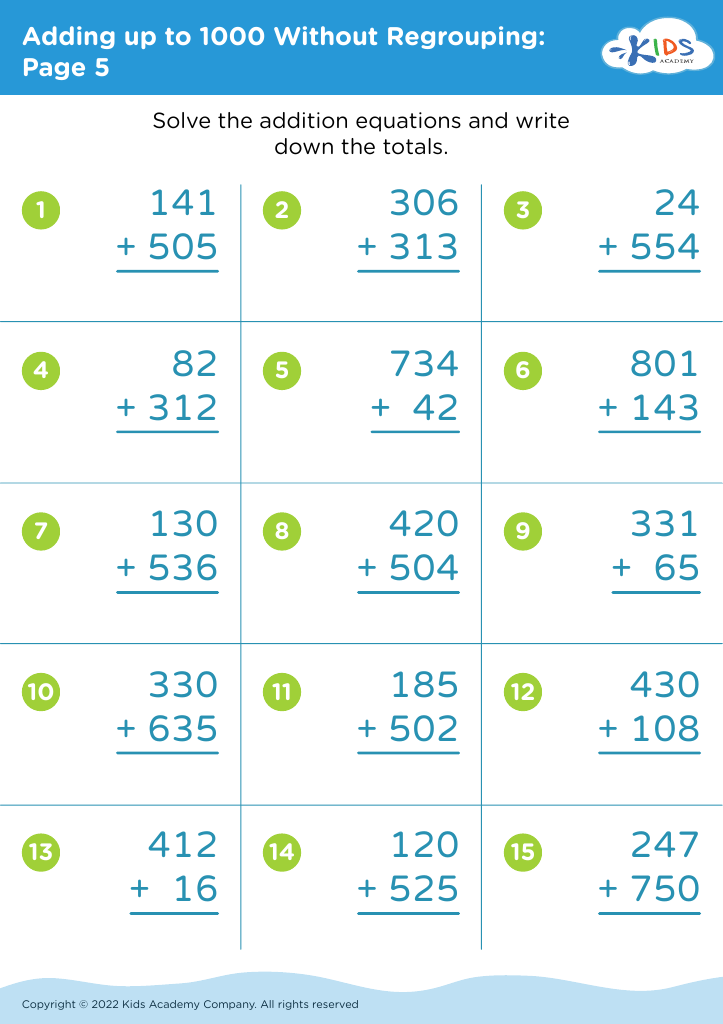
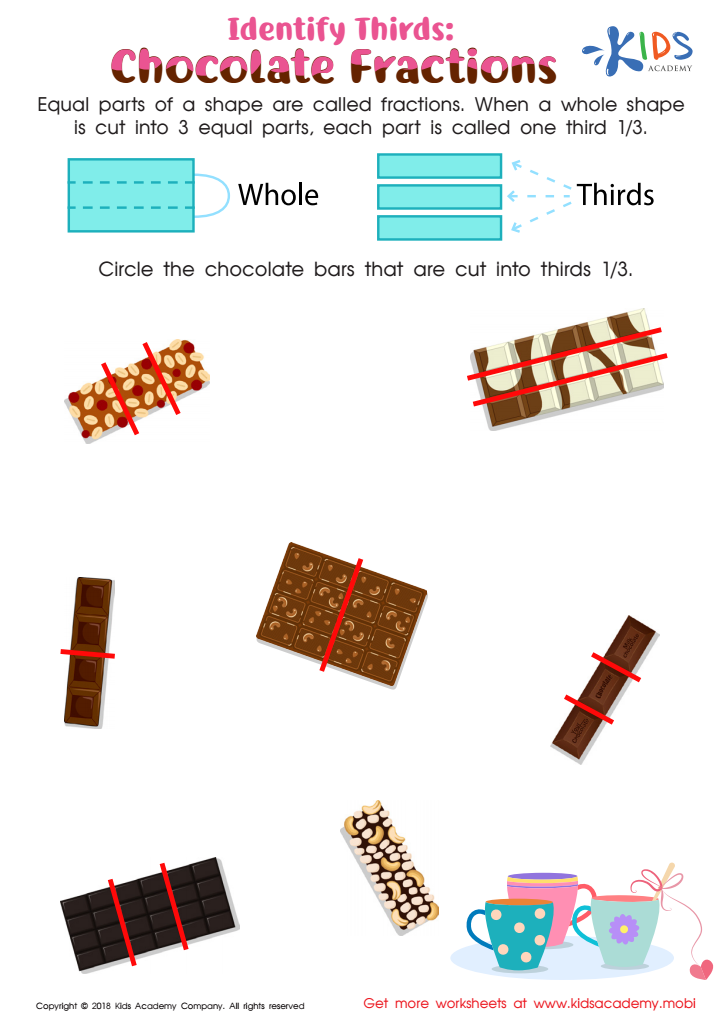
Identify Thirds: Chocolate Fractions Worksheet
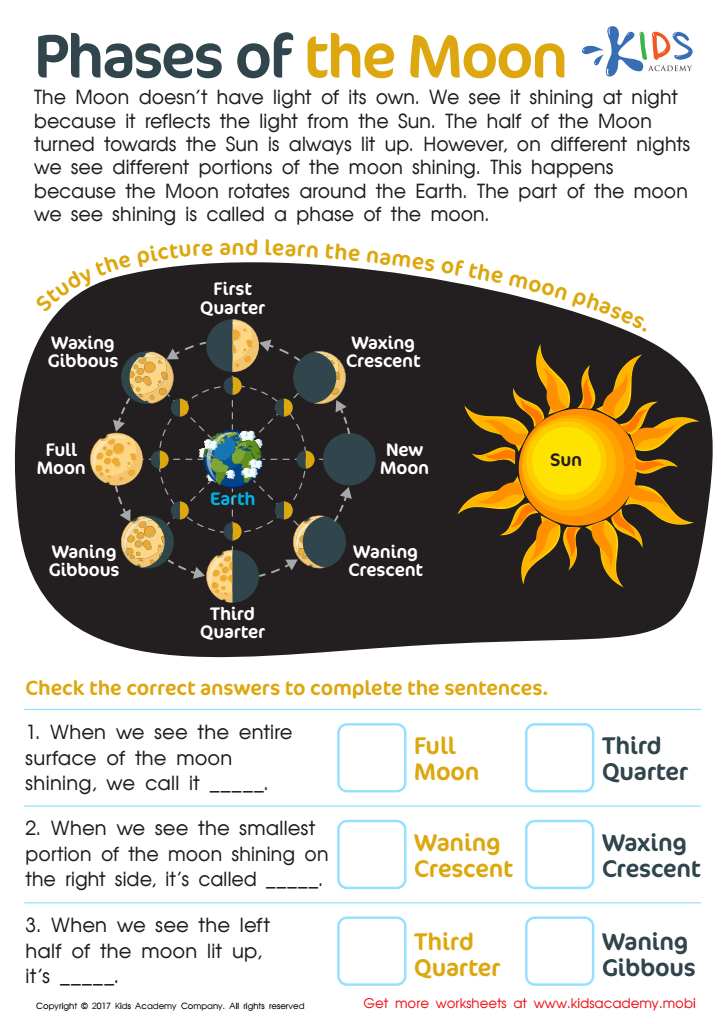
Phases of The Moon Worksheet
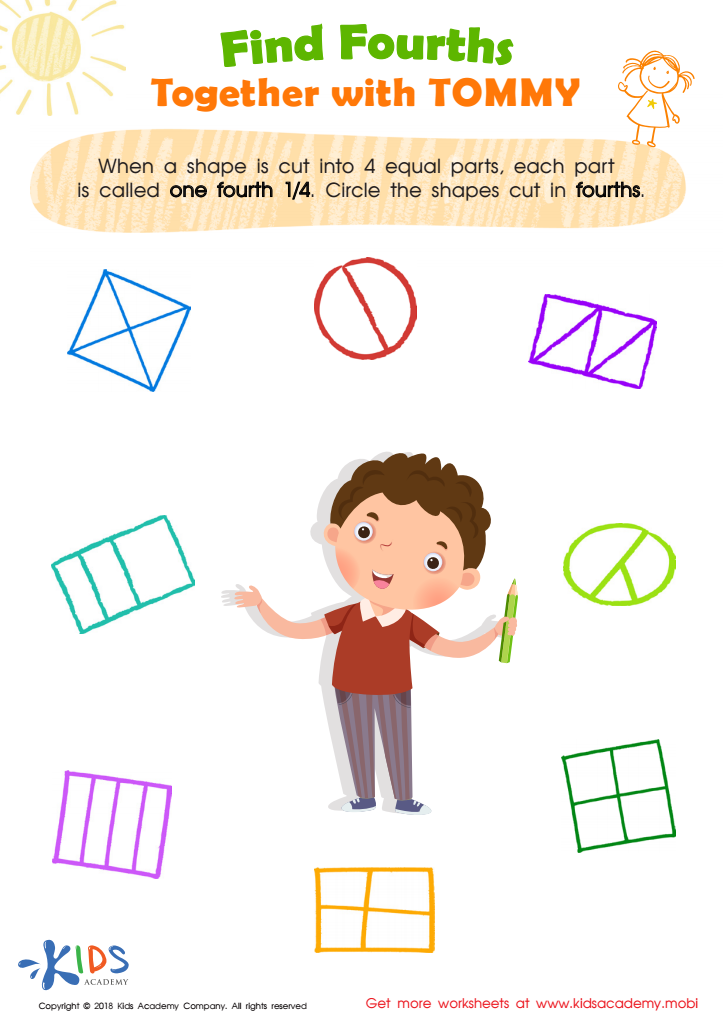
Find Fourths Together with Tommy Worksheet








Visual representation comprehension is crucial for children aged 7-8, as it significantly enhances their learning and cognitive development. During these formative years, children are increasingly exposed to diverse forms of information—graphs, charts, diagrams, and illustrations—that they will encounter in school and beyond. Understanding these visuals is integral to interpreting and processing information.
Parents and teachers should care about this skill because it supports critical thinking and problem-solving abilities. When children learn to engage with visual data, they develop the capacity to analyze information, draw conclusions, and make connections between concepts. This can greatly improve their performance in subjects such as math and science, where visual aids are prevalent.
Moreover, fostering visual representation comprehension helps children become more independent learners. It encourages them to use resources effectively for research and exploration. Furthermore, in an increasingly digital world, where visuals often supplement or replace text, being visually literate is essential for effective communication and analysis.
Investing time in activities that build these skills—through art projects, interactive diagrams, or educational games—can enhance academic achievement and equip children with the tools needed for lifelong learning and informed citizenship. Overall, promoting visual comprehension is vital for holistic educational development in young learners.








