Understanding fractions Adding up to 100 Misc Worksheets for Ages 7-8
16 filtered results
-
From - To
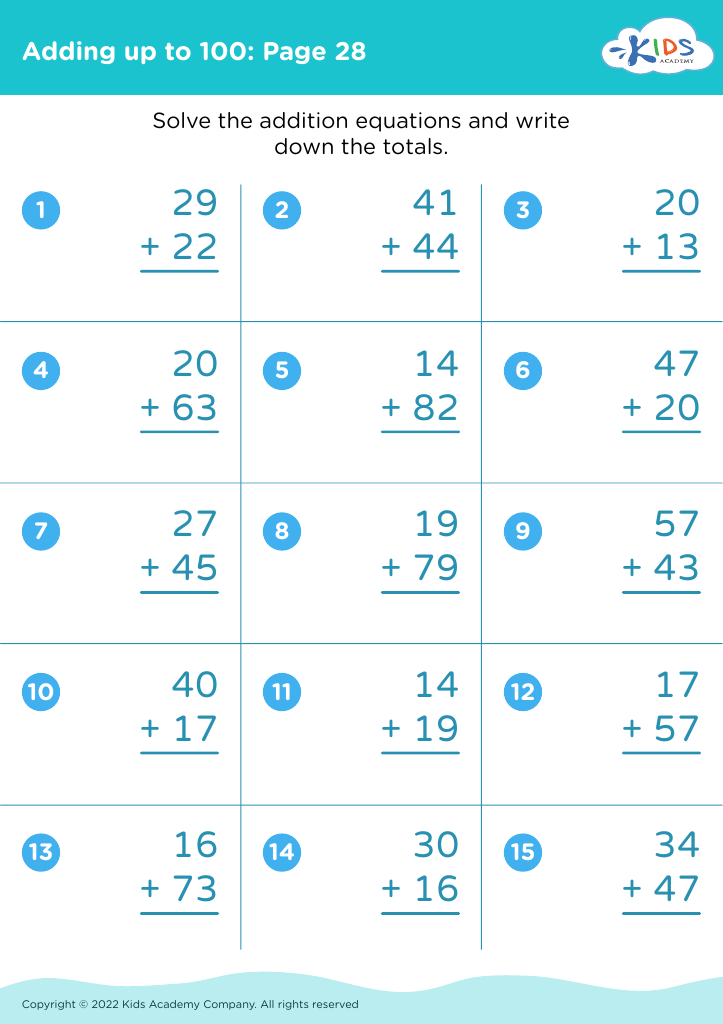
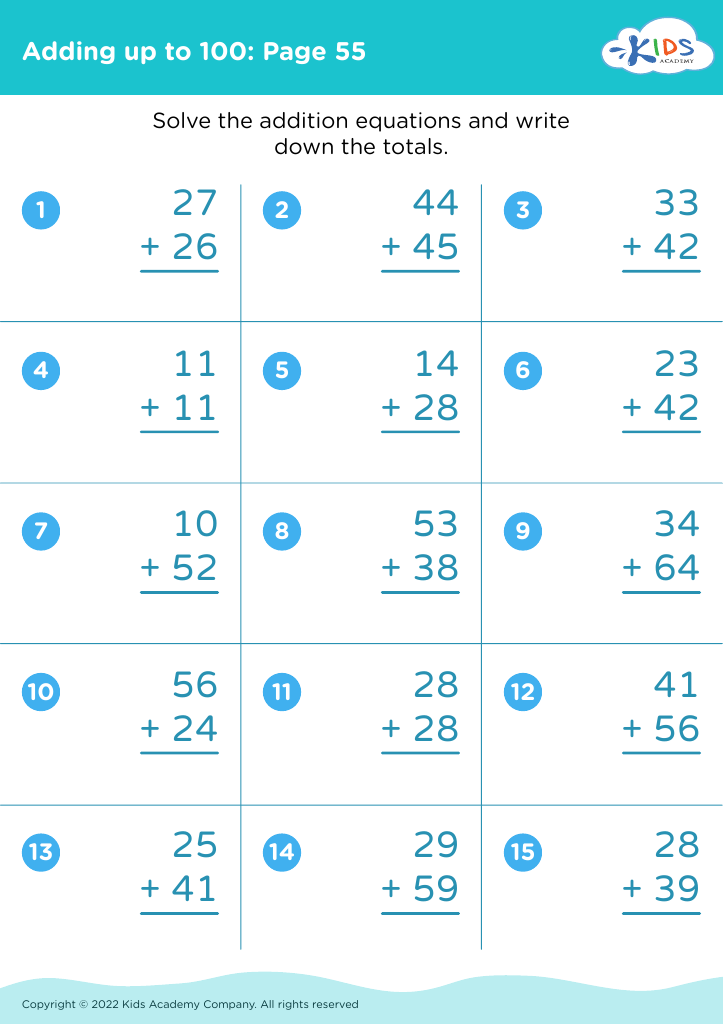
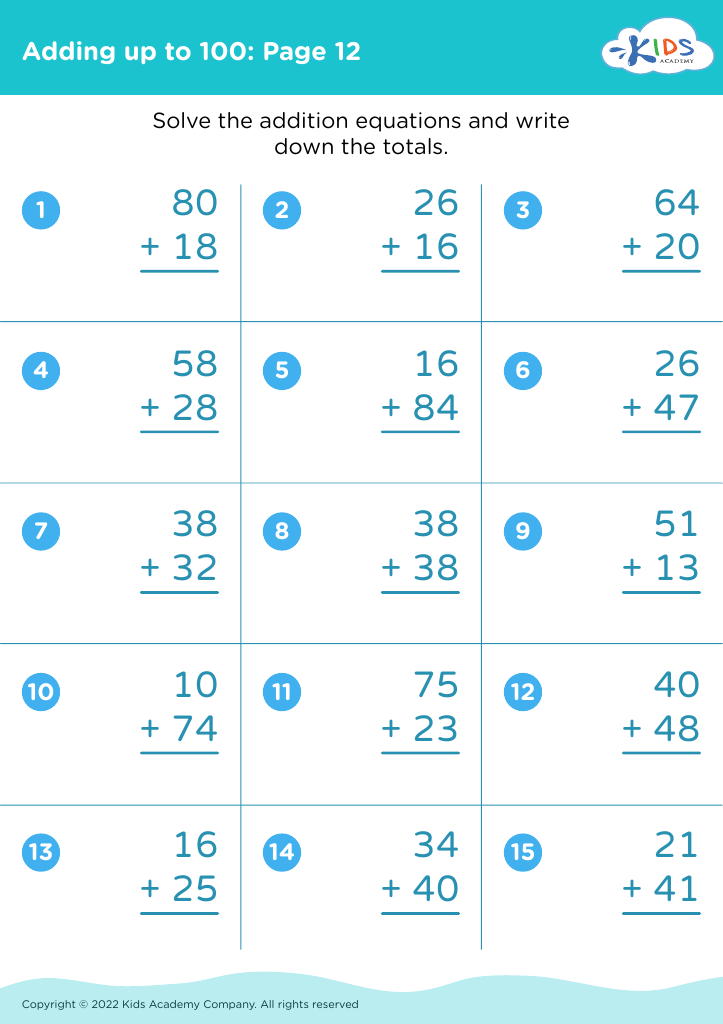
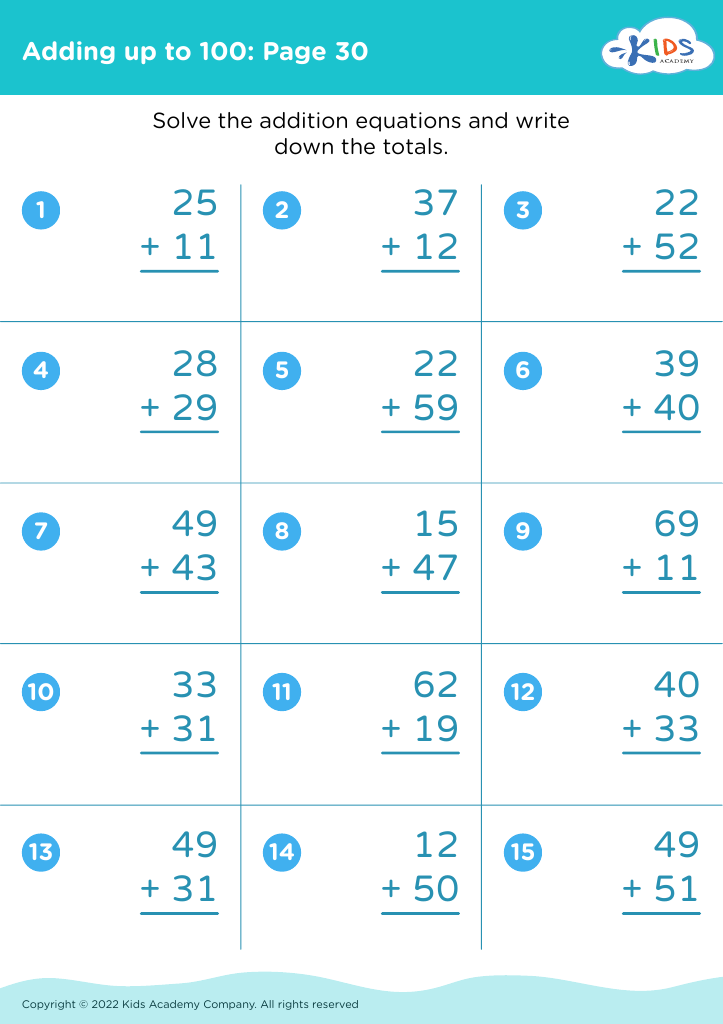
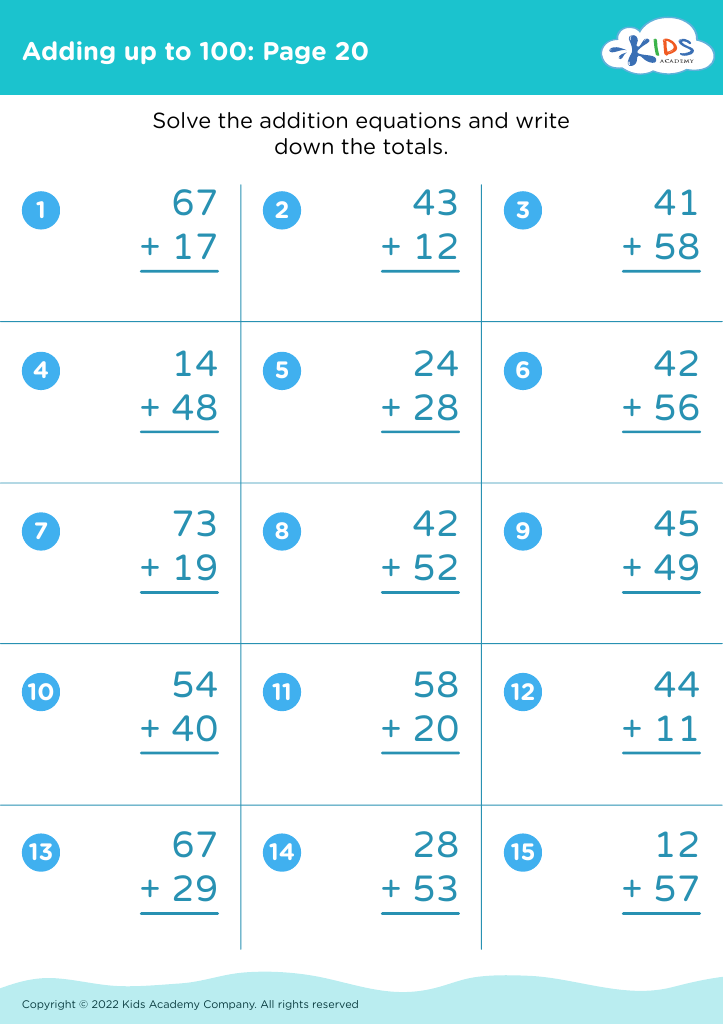
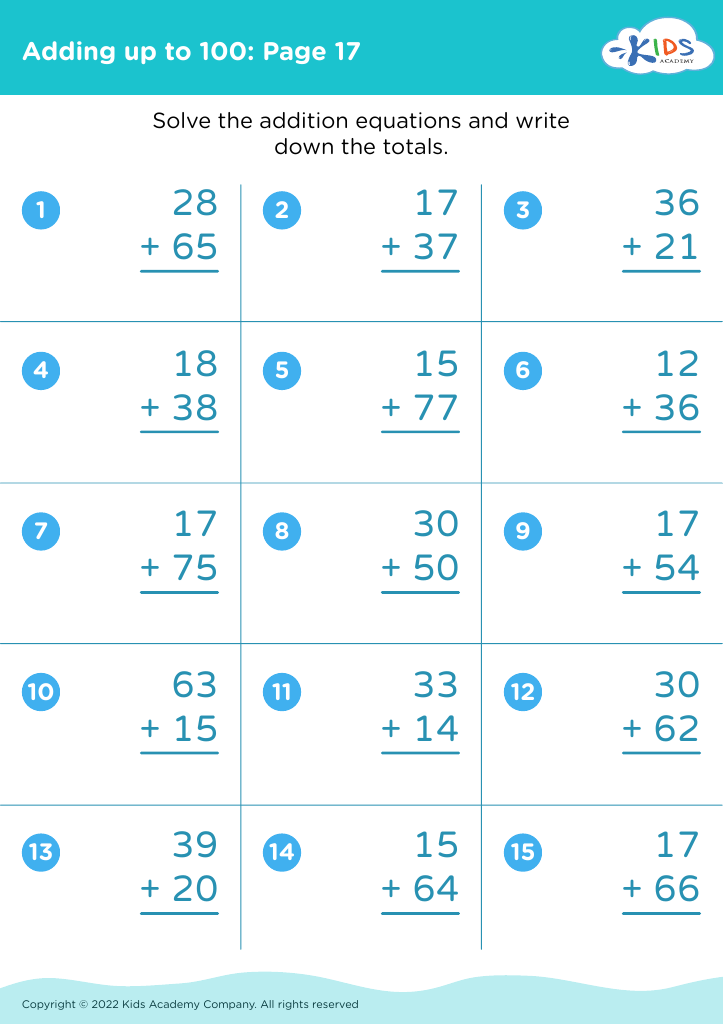
Unlock the world of fractions with our "Understanding Fractions: Adding Up to 100" worksheets, designed exclusively for children aged 7-8. These engaging resources help young learners grasp essential fraction concepts through fun exercises and activities. Perfect for reinforcing math skills, our worksheets introduce fraction addition and provide hands-on practice in a clear, age-appropriate manner. As kids work through each task, they'll enhance their understanding of how fractions fit into the larger whole of 100. Transform learning into an adventure while building confidence and proficiency in math. Download these printable resources today and set your child on the path to mathematical success!
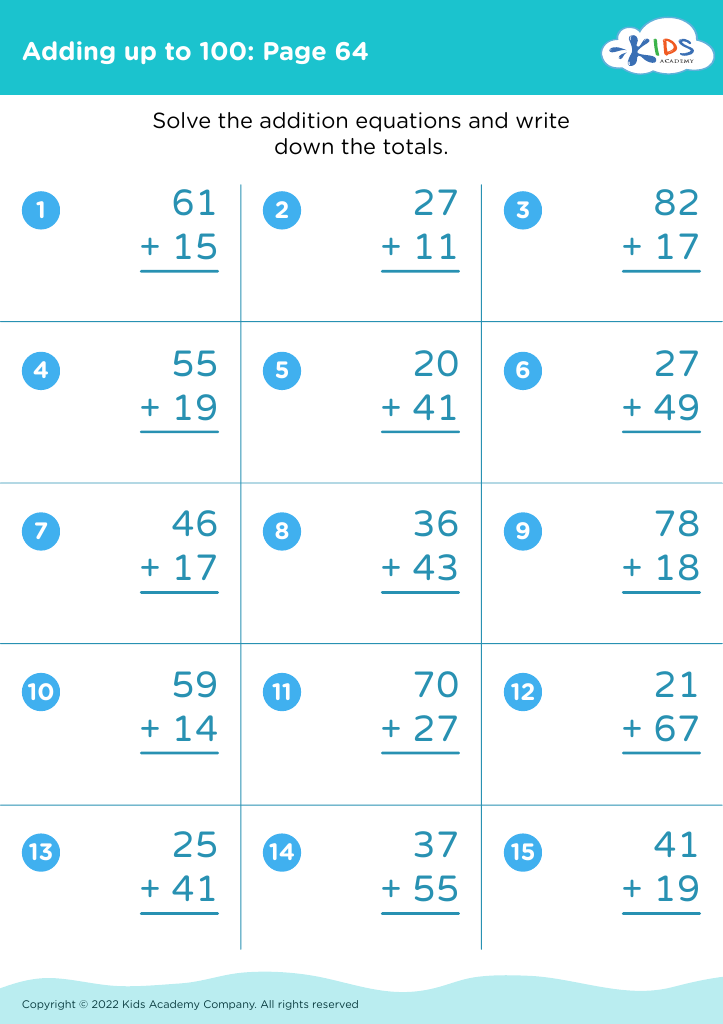
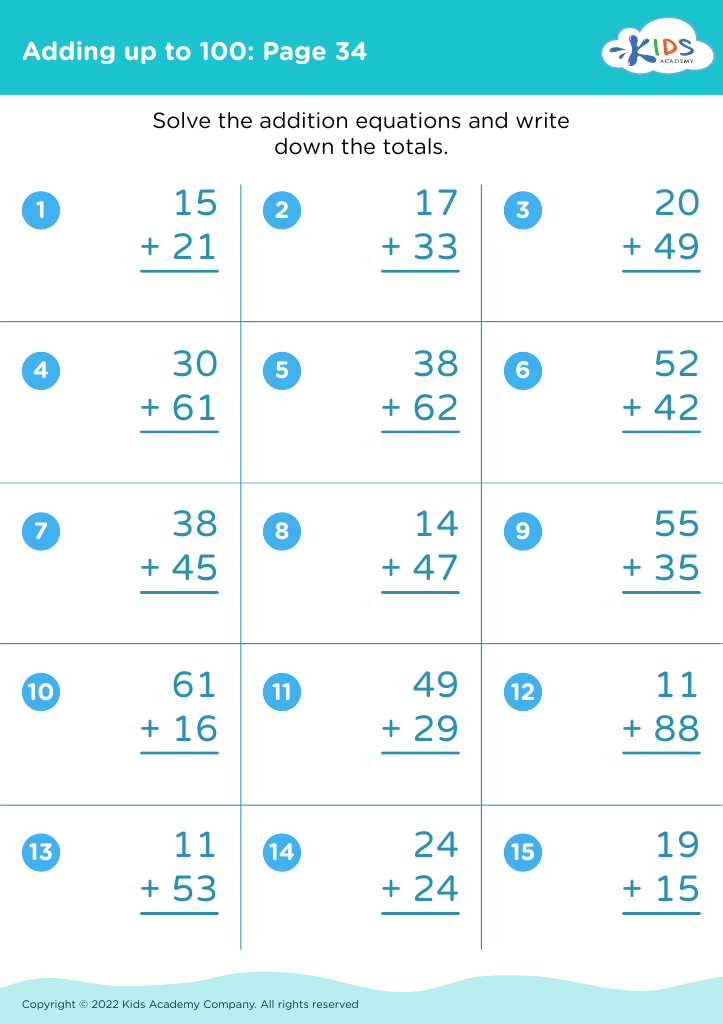
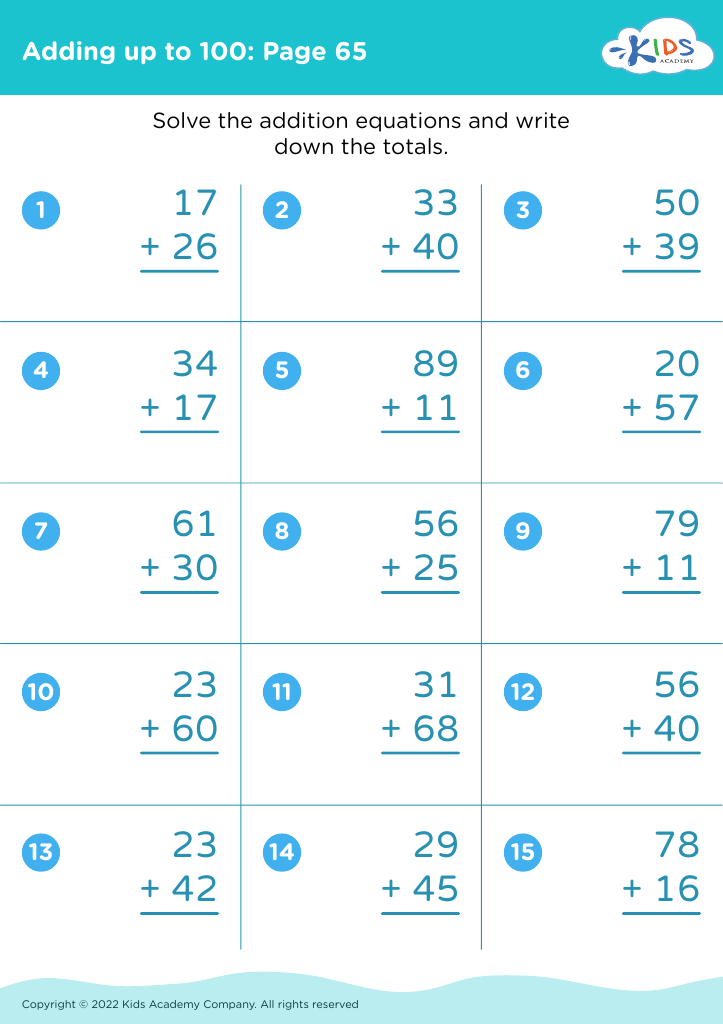
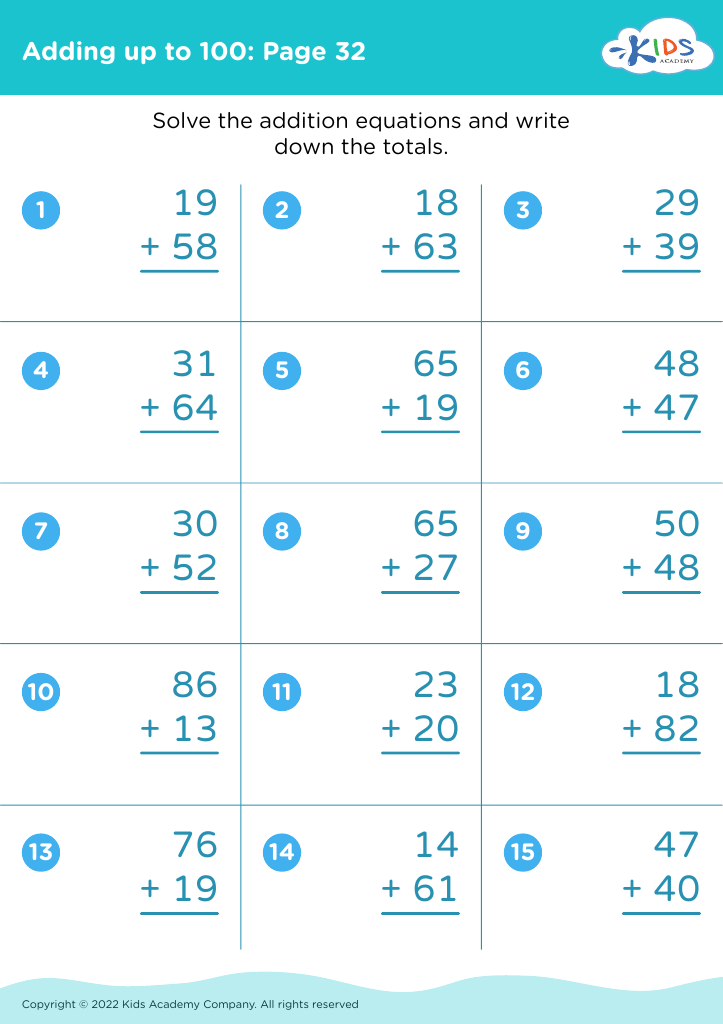
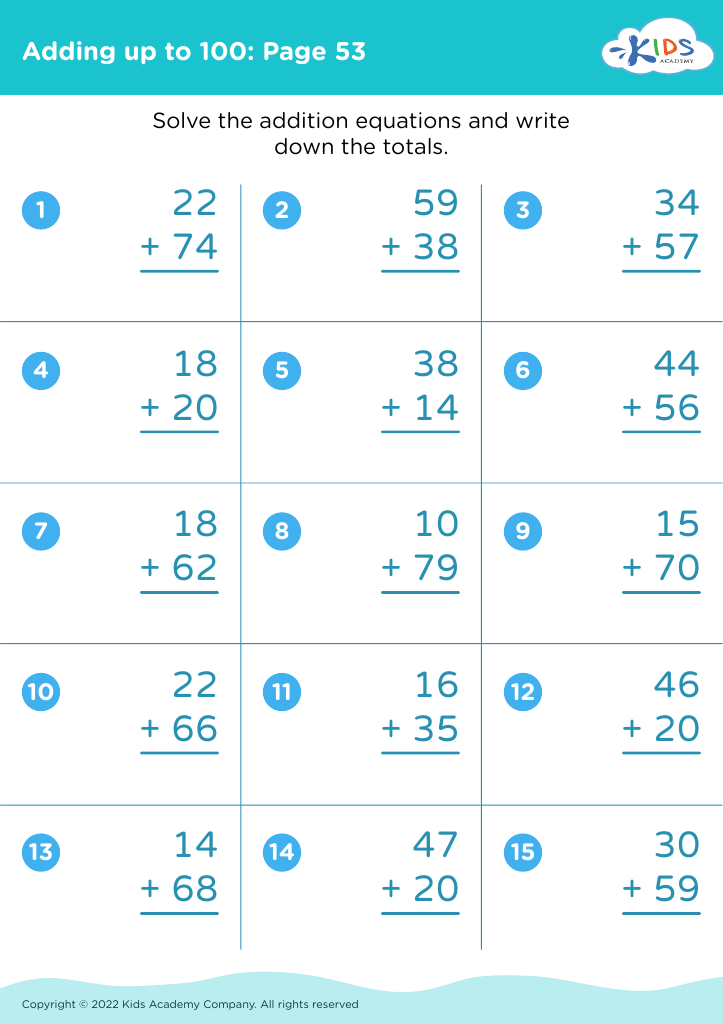
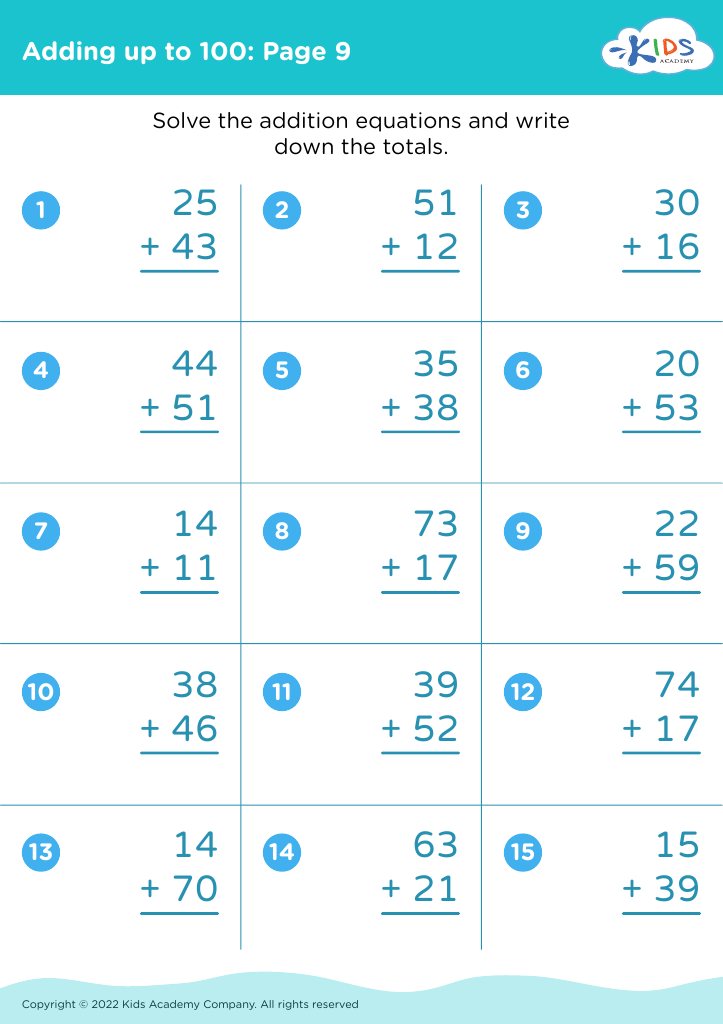
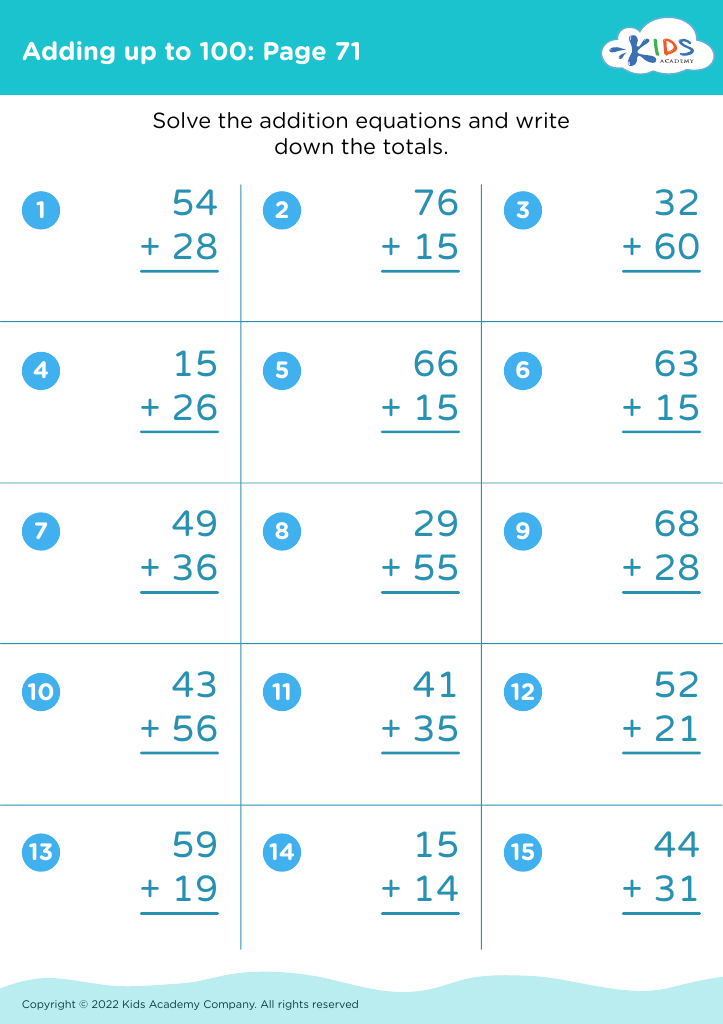
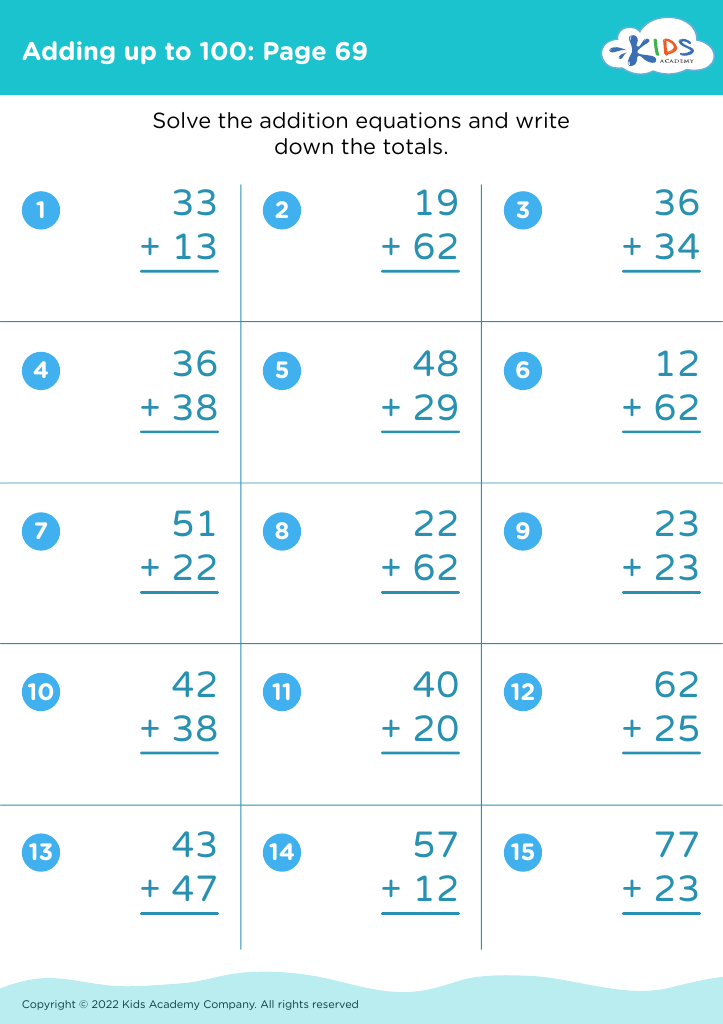
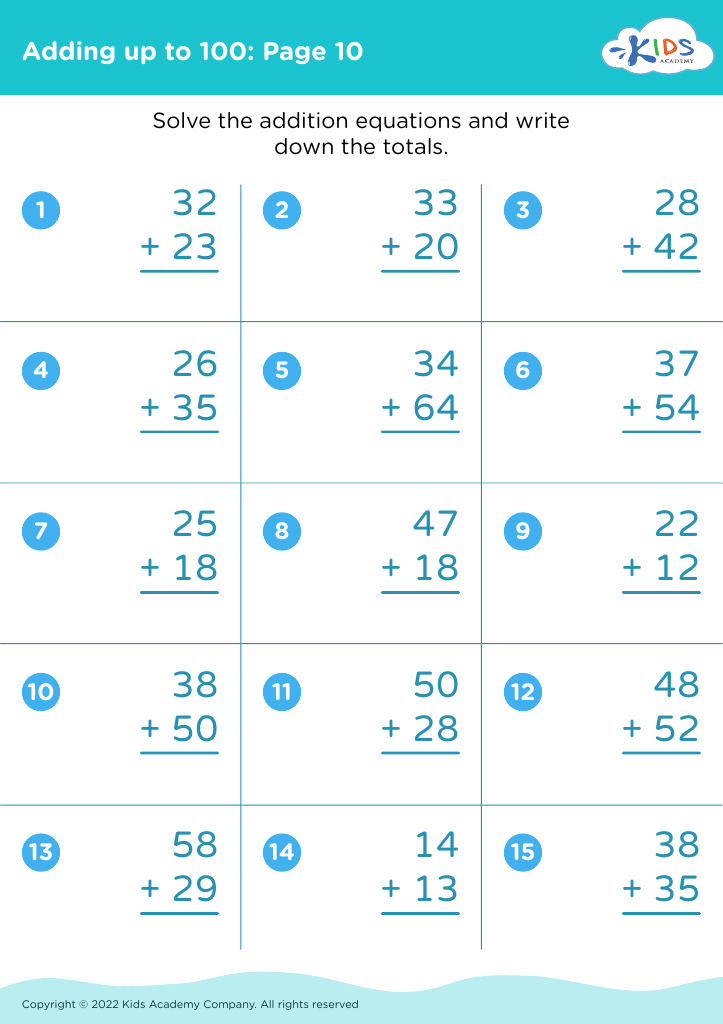
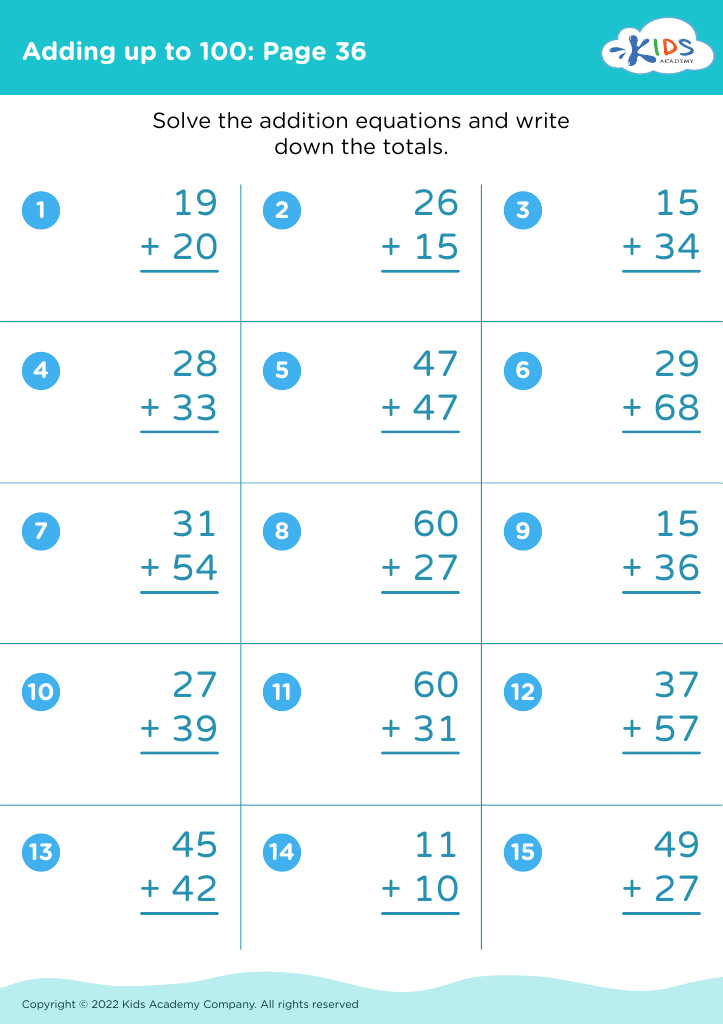


Understanding fractions is crucial for children aged 7-8, as it builds a foundation for important mathematical concepts they will encounter later. When children grasp the idea of fractions, they not only learn about breaking down whole numbers but also develop critical thinking skills, which are essential for problem-solving in academics and everyday life.
Moreover, connecting fractions to a total of 100 allows students to understand percentages, a concept deeply embedded in real-world applications, such as budgeting, shopping discounts, and data interpretation. When parents and teachers emphasize these skills, they prepare children for more complex subjects, strengthening their math coherence as they progress in school.
Additionally, understanding fractions fosters a sense of achievement and confidence in young learners. It encourages them to think critically about how parts relate to a whole, enhancing their analytical abilities. Dedicating time to these concepts can help illuminate a child's mathematical journey and interest.
Involving parents and incorporating fun, engaging activities into learning fractions can boost children's motivation and enjoyment in math. Consequently, mastering fractions is not just about academic success; it's about laying the groundwork for informed, math-savvy individuals as they grow.