Check out this FREE Trial Lesson on Addition & Subtraction for age 7-8!

T

Favorites
With answer key
Interactive
  • 7-8
  • Comparing Fractions
  • Addition & Subtraction
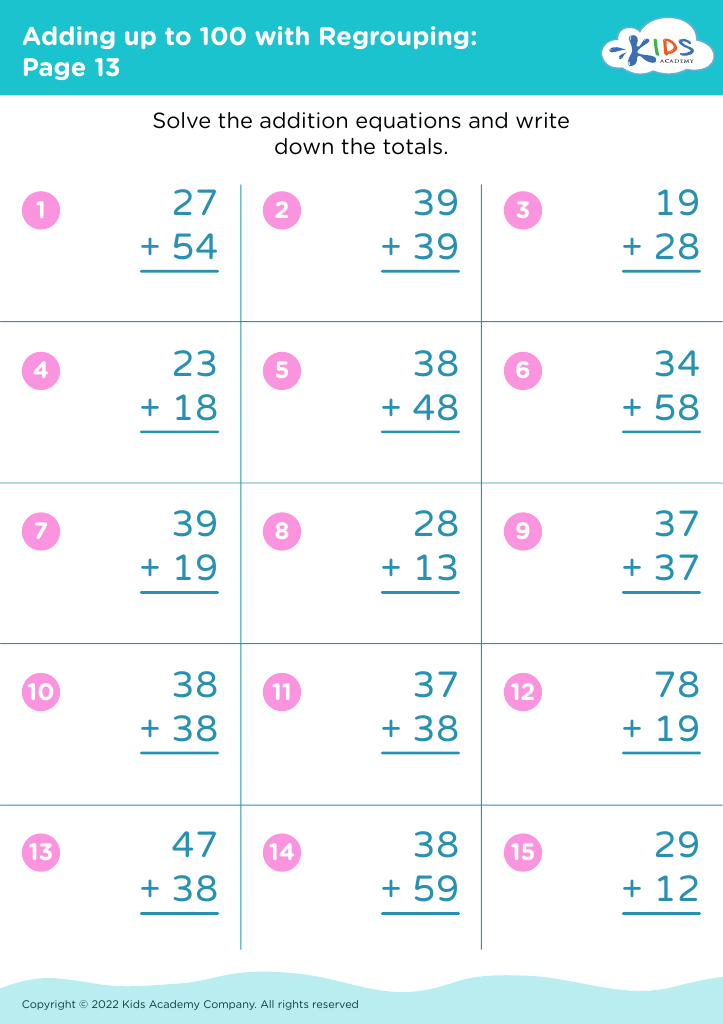
Adding up to 100 with Regrouping: Page 13
Worksheet
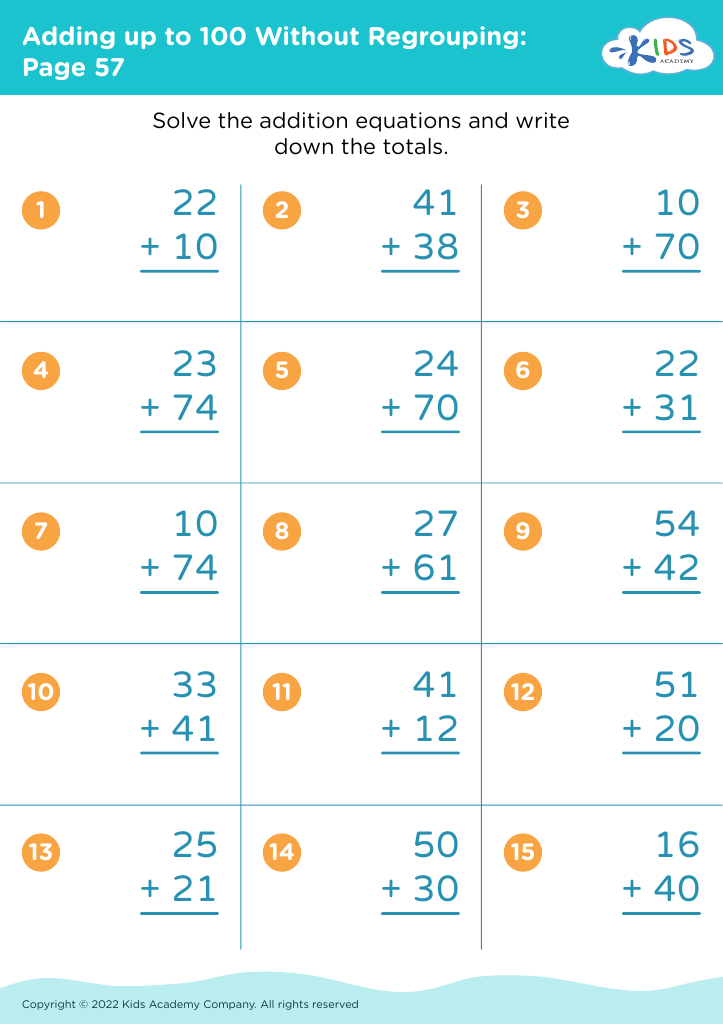
Adding up to 100 Without Regrouping: Page 57
Worksheet
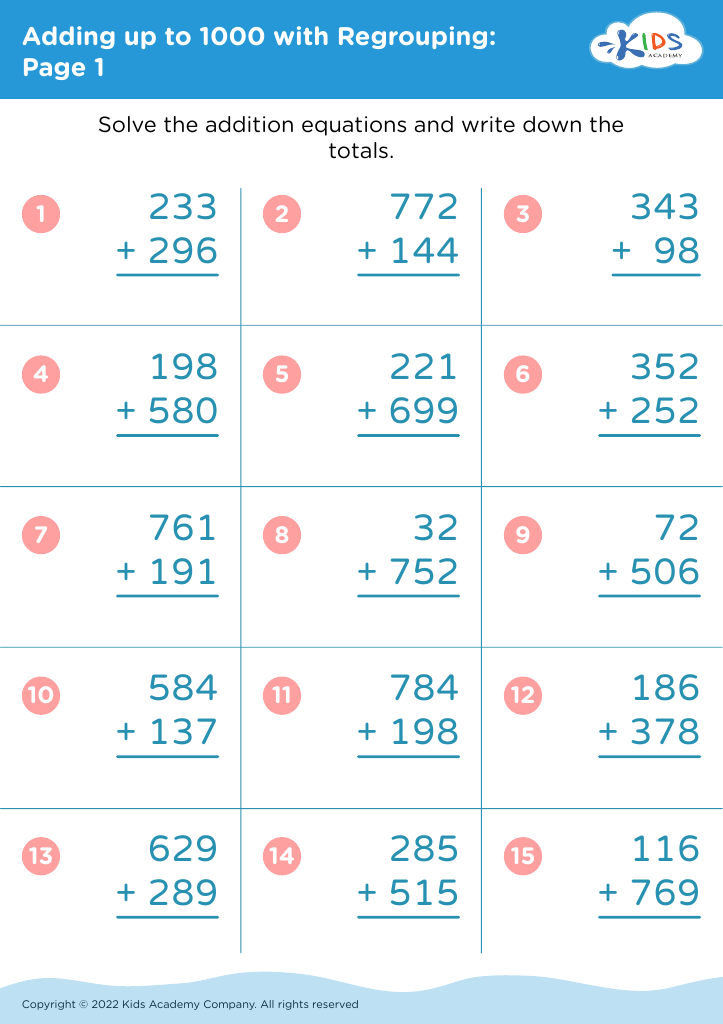
Adding up to 1000 with Regrouping: Page 1
Worksheet
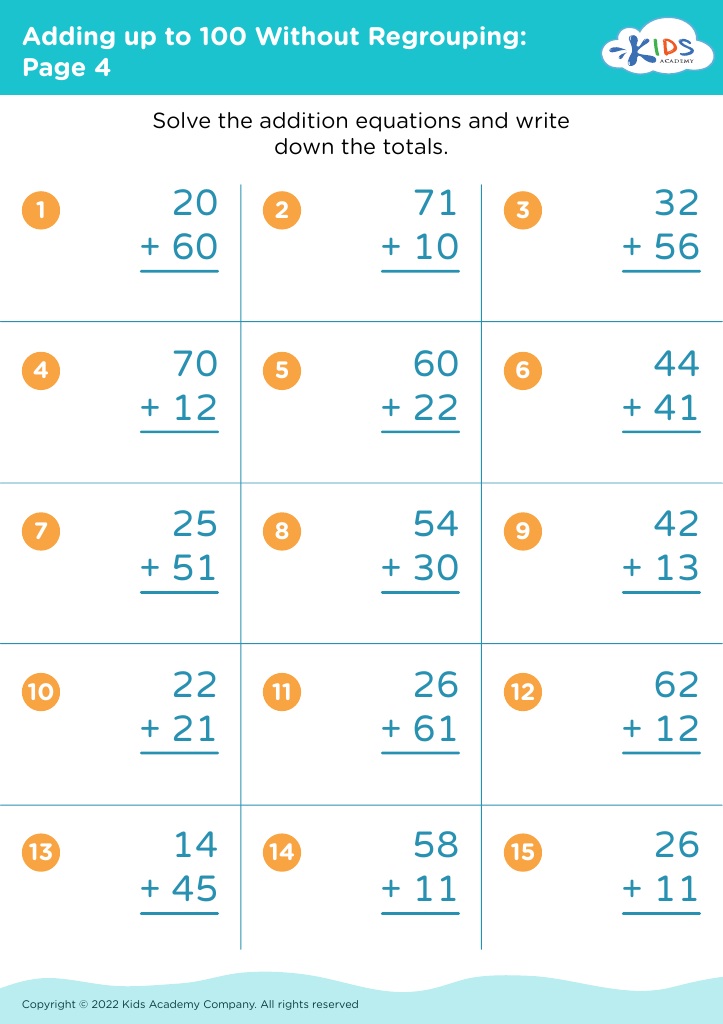
Adding up to 100 Without Regrouping: Page 4
Worksheet
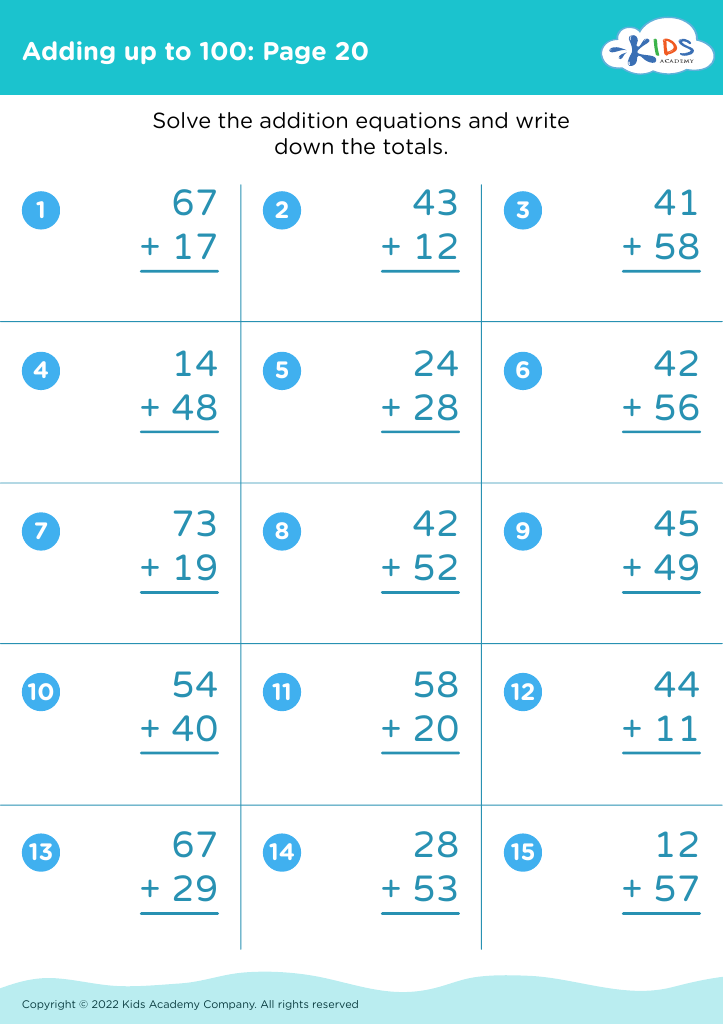
Adding up to 100: Page 20

Adding up to 100: Page 20

Adding up to 100: Page 20
Worksheet
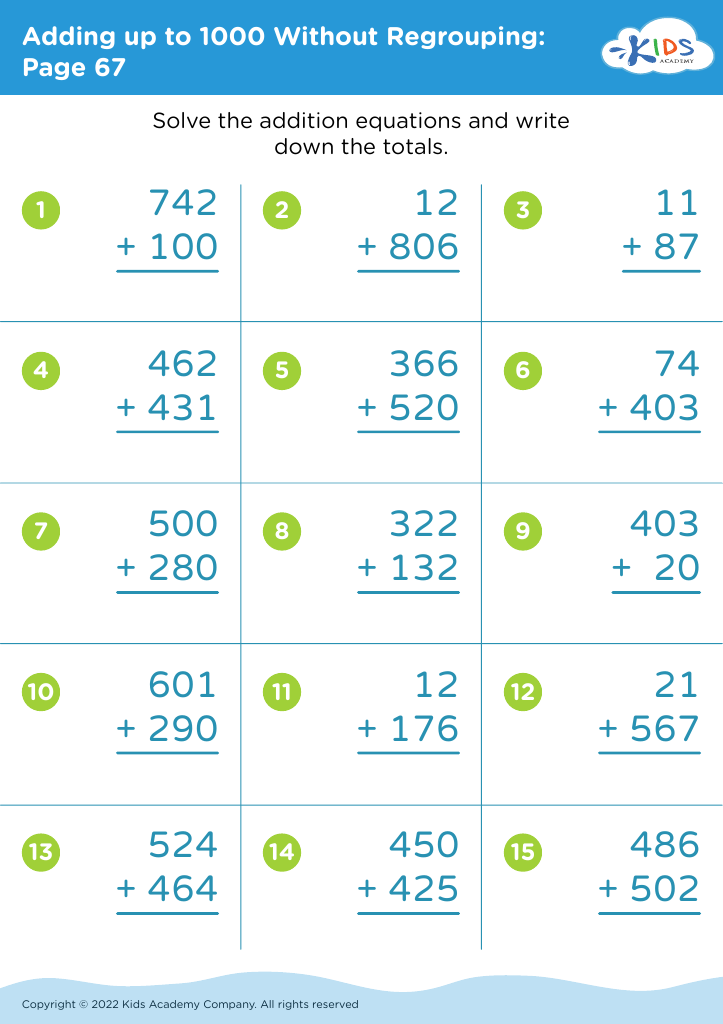
Adding up to 1000 Without Regrouping: Page 67
Worksheet
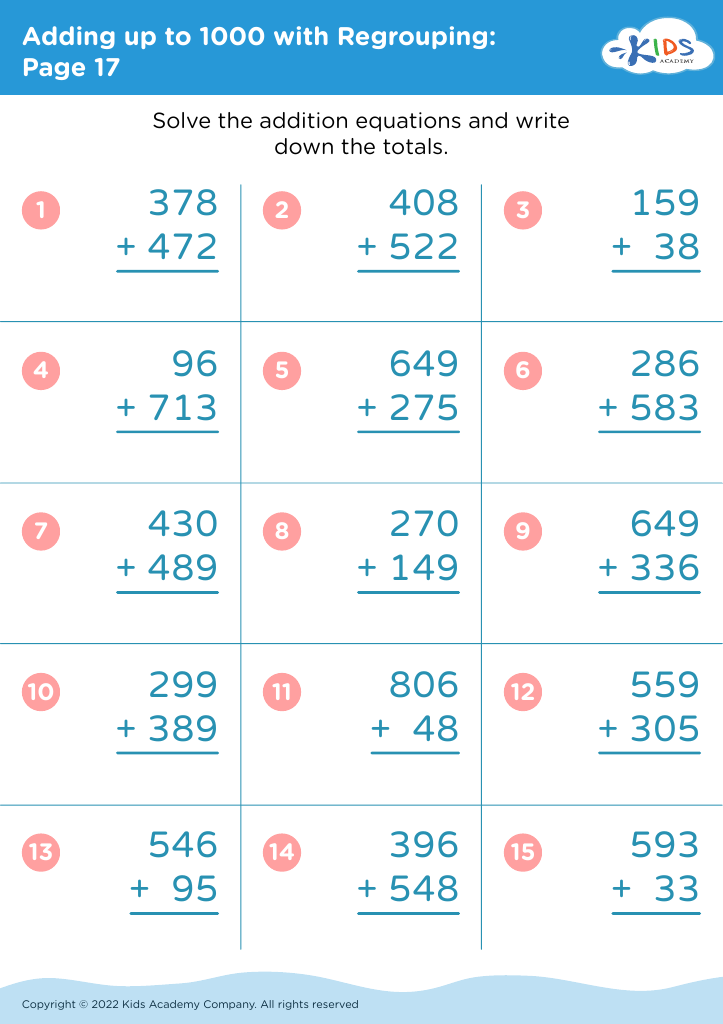
Adding up to 1000 with Regrouping: Page 17
Worksheet
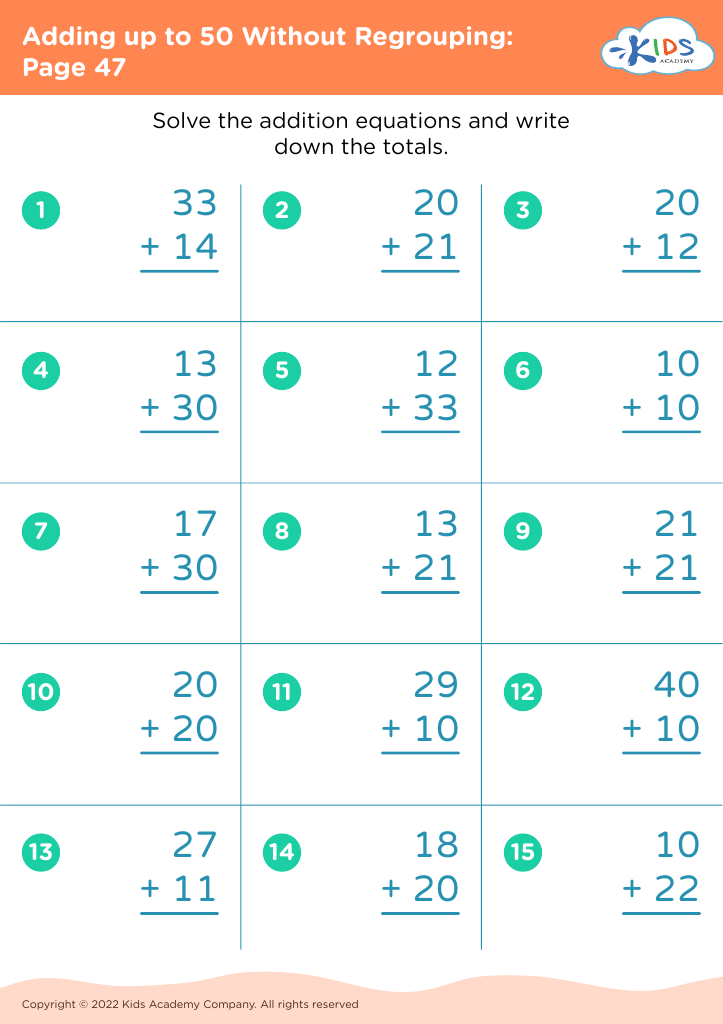
Adding up to 50 Without Regrouping: Page 47
Worksheet
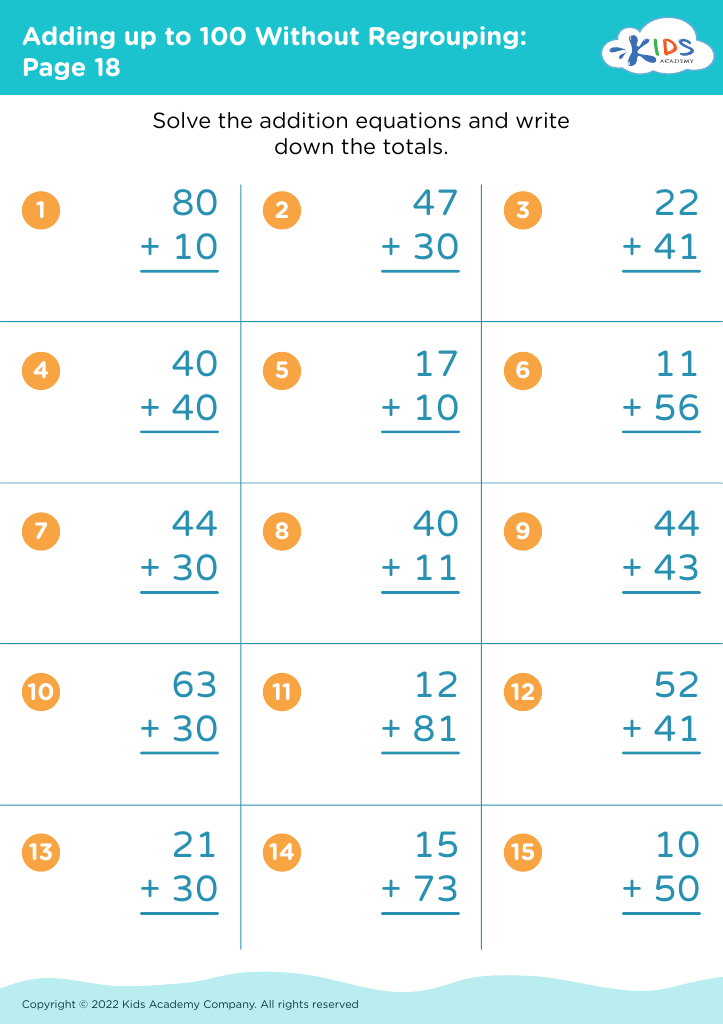
Adding up to 100 Without Regrouping: Page 18
Worksheet
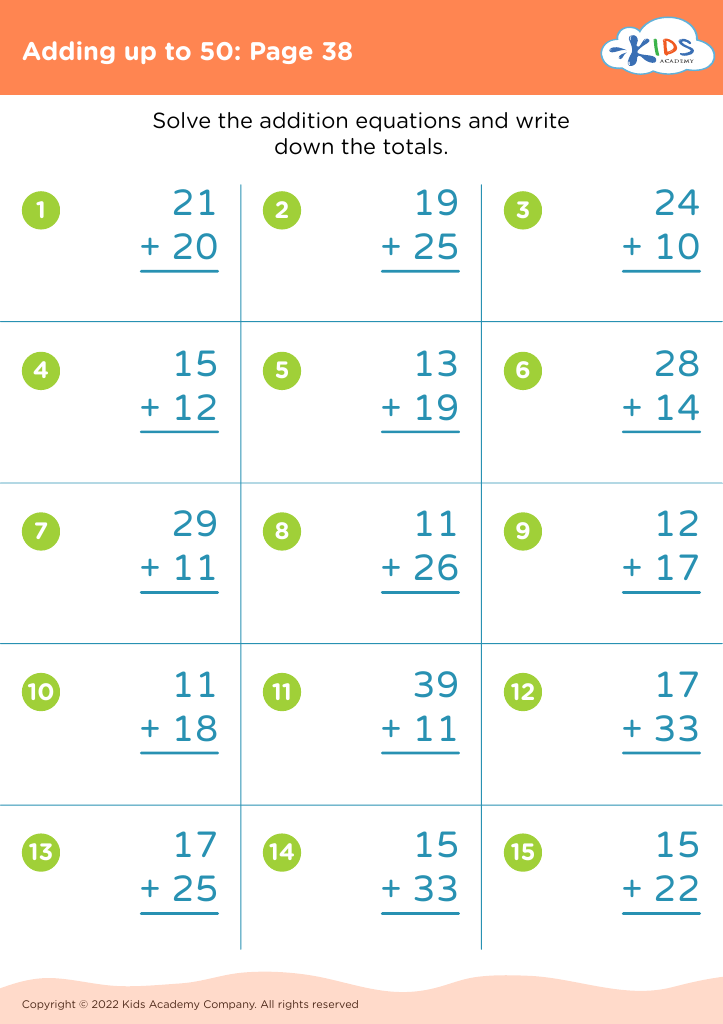
Adding up to 50: Page 38

Adding up to 50: Page 38

Adding up to 50: Page 38
Worksheet
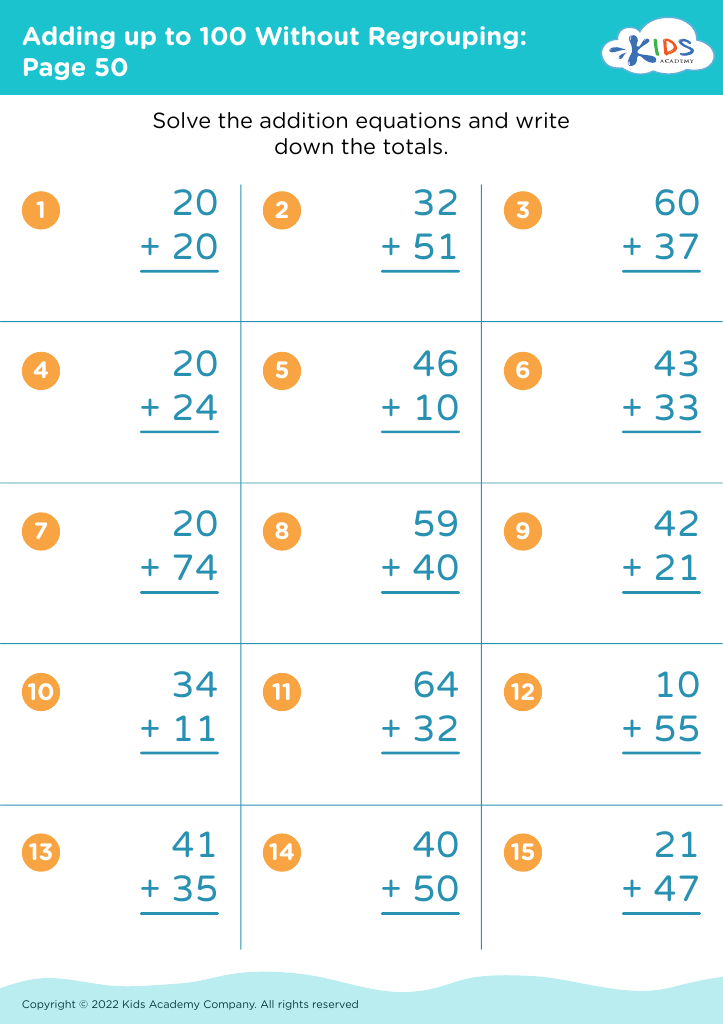
Adding up to 100 Without Regrouping: Page 50
Worksheet
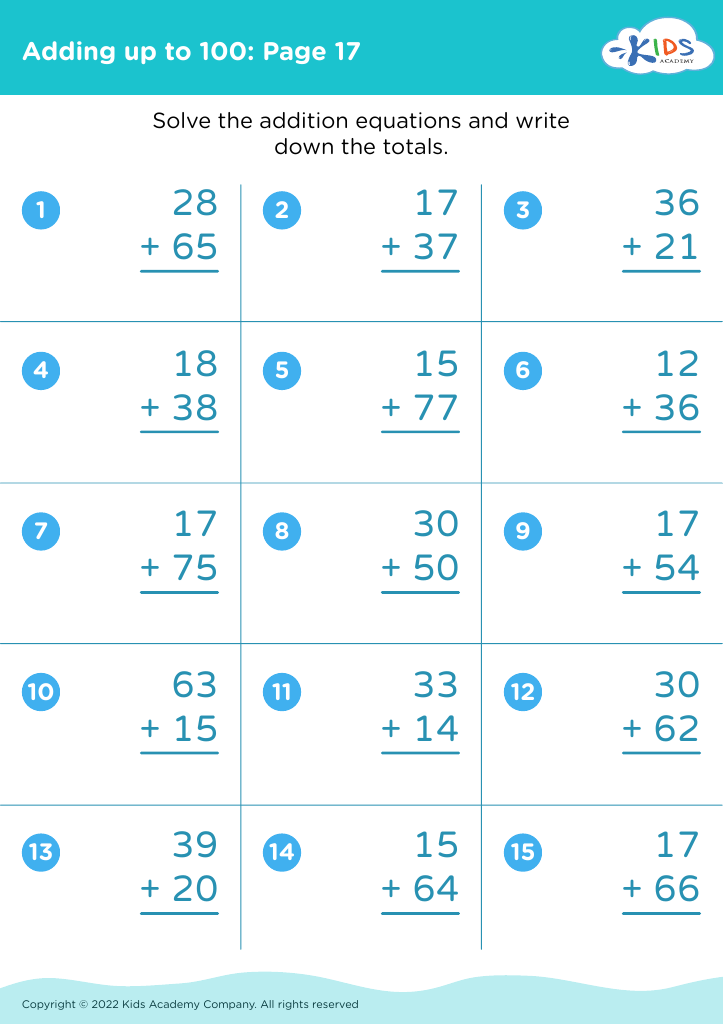
Adding up to 100: Page 17

Adding up to 100: Page 17

Adding up to 100: Page 17
Worksheet
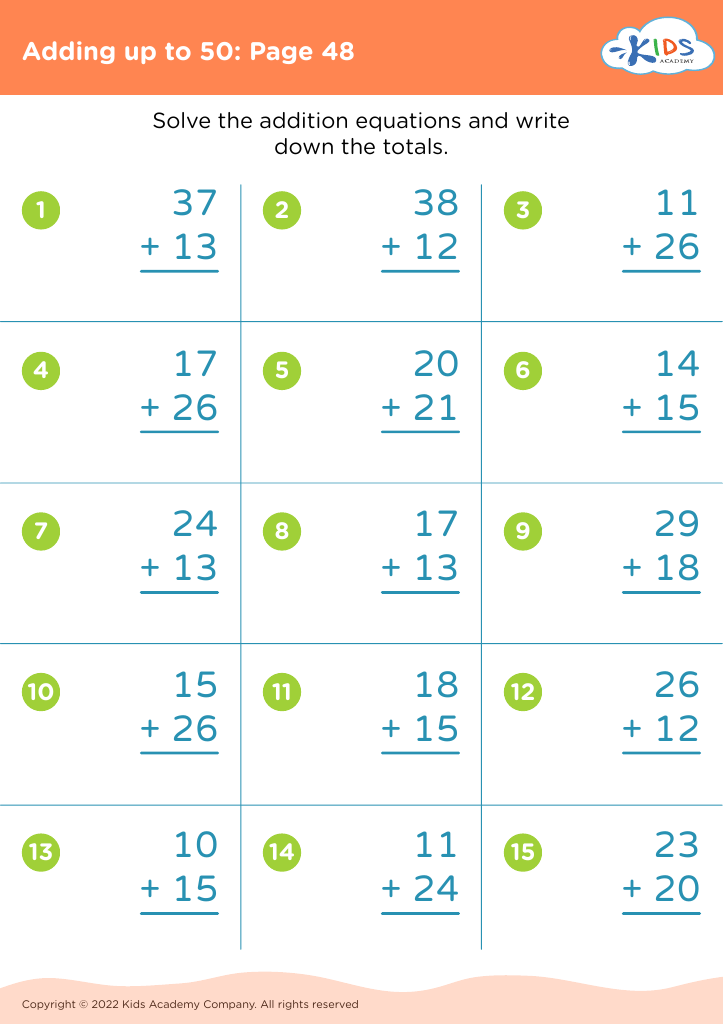
Adding up to 50: Page 48

Adding up to 50: Page 48

Adding up to 50: Page 48
Worksheet
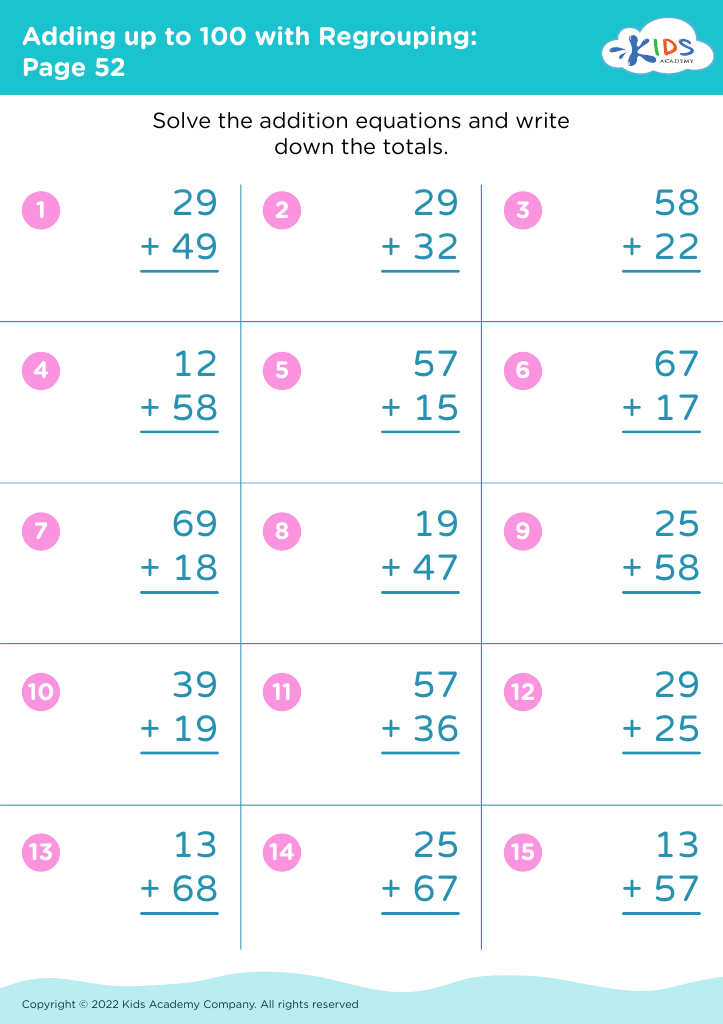
Adding up to 100 with Regrouping: Page 52
Worksheet
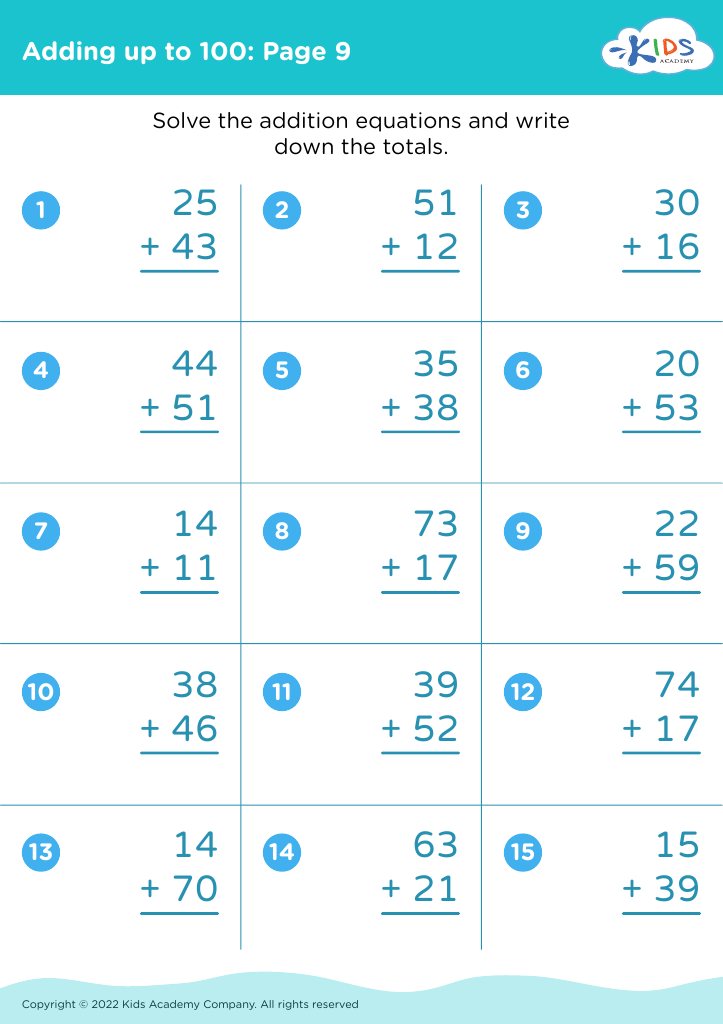
Adding up to 100: Page 9

Adding up to 100: Page 9

Adding up to 100: Page 9
Worksheet
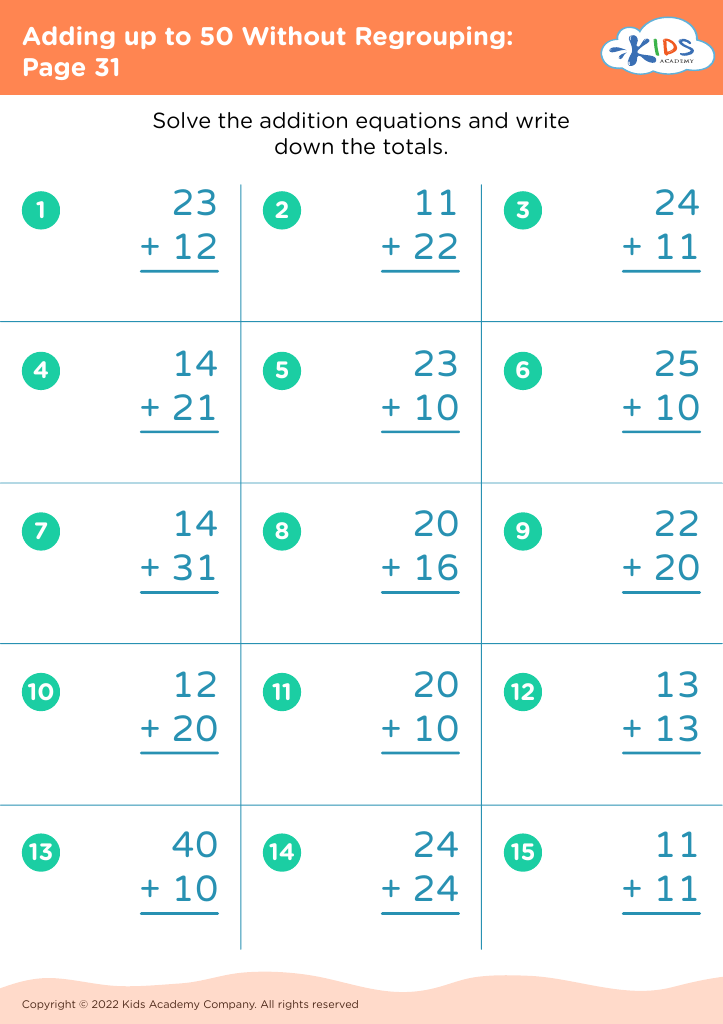
Adding up to 50 Without Regrouping: Page 31
Worksheet
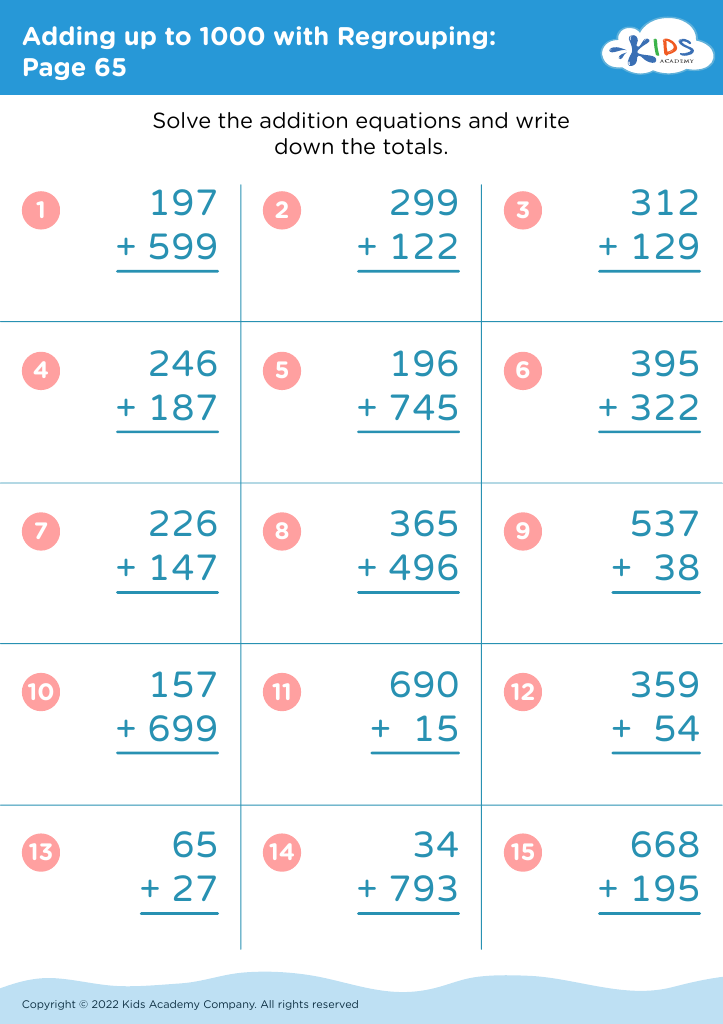
Adding up to 1000 with Regrouping: Page 65
Worksheet
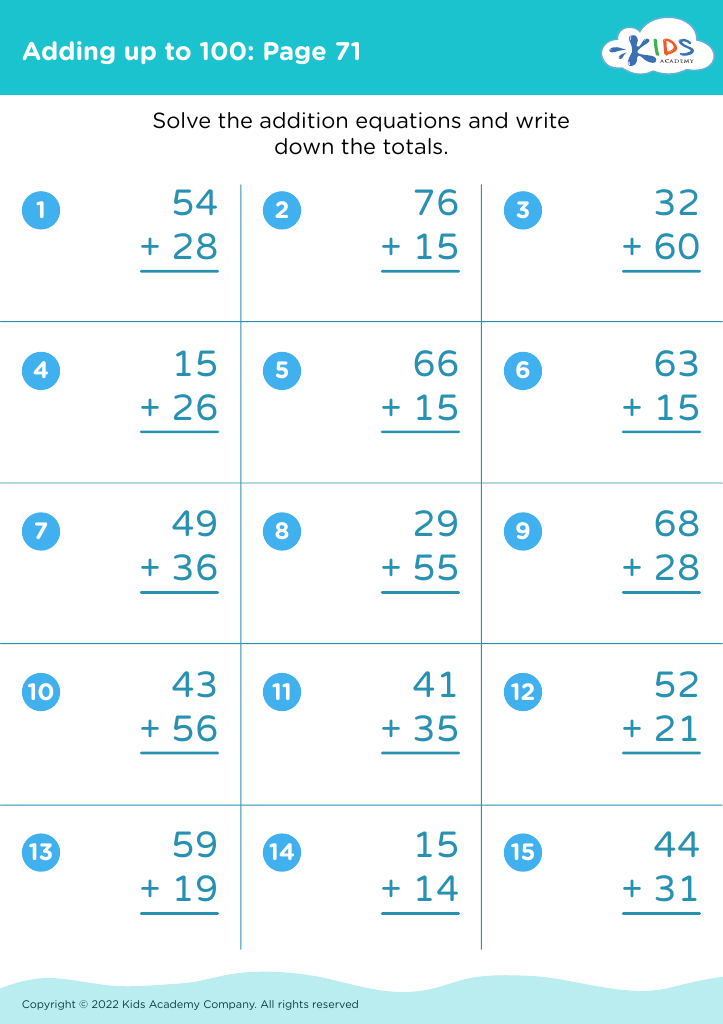
Adding up to 100: Page 71

Adding up to 100: Page 71

Adding up to 100: Page 71
Worksheet
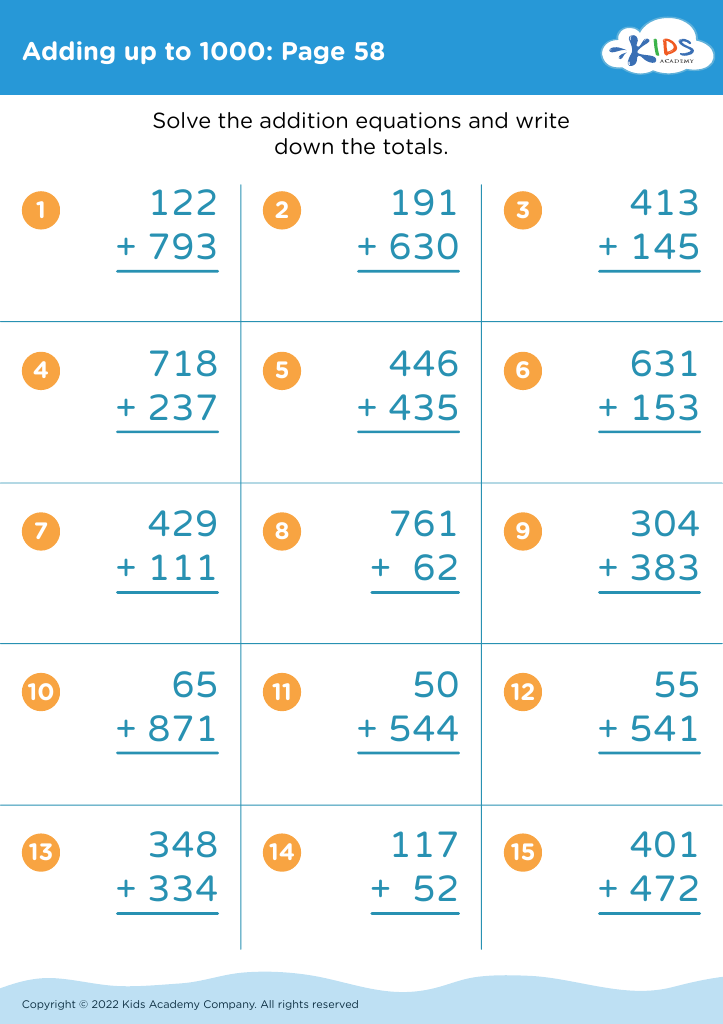
Adding up to 1000: Page 58

Adding up to 1000: Page 58

Adding up to 1000: Page 58
Worksheet
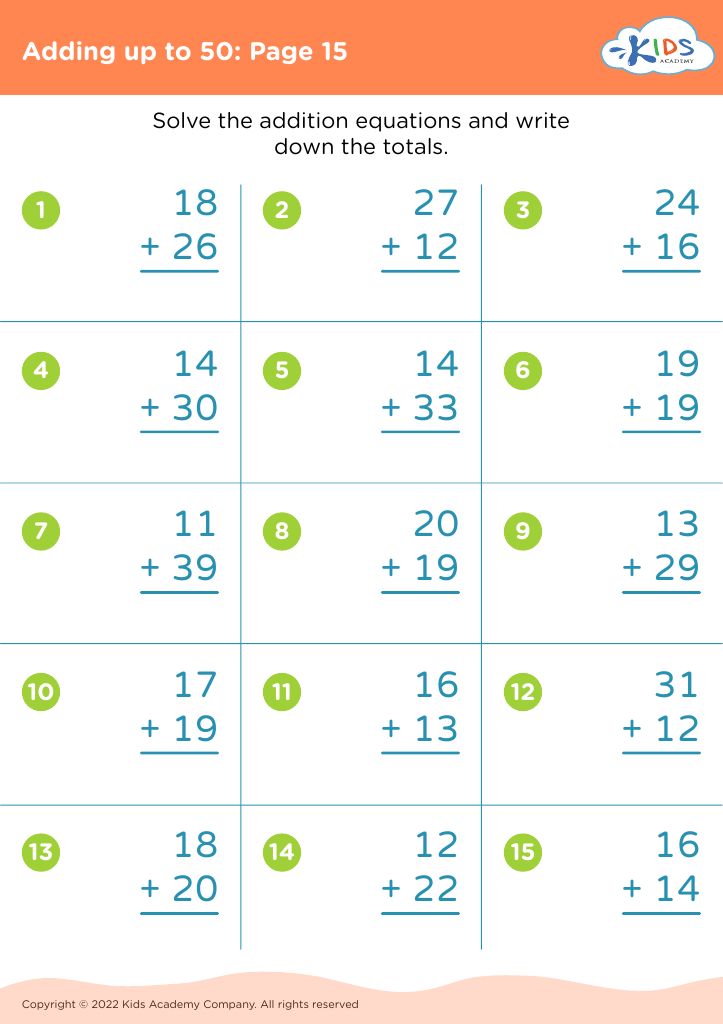
Adding up to 50: Page 15

Adding up to 50: Page 15

Adding up to 50: Page 15
Worksheet
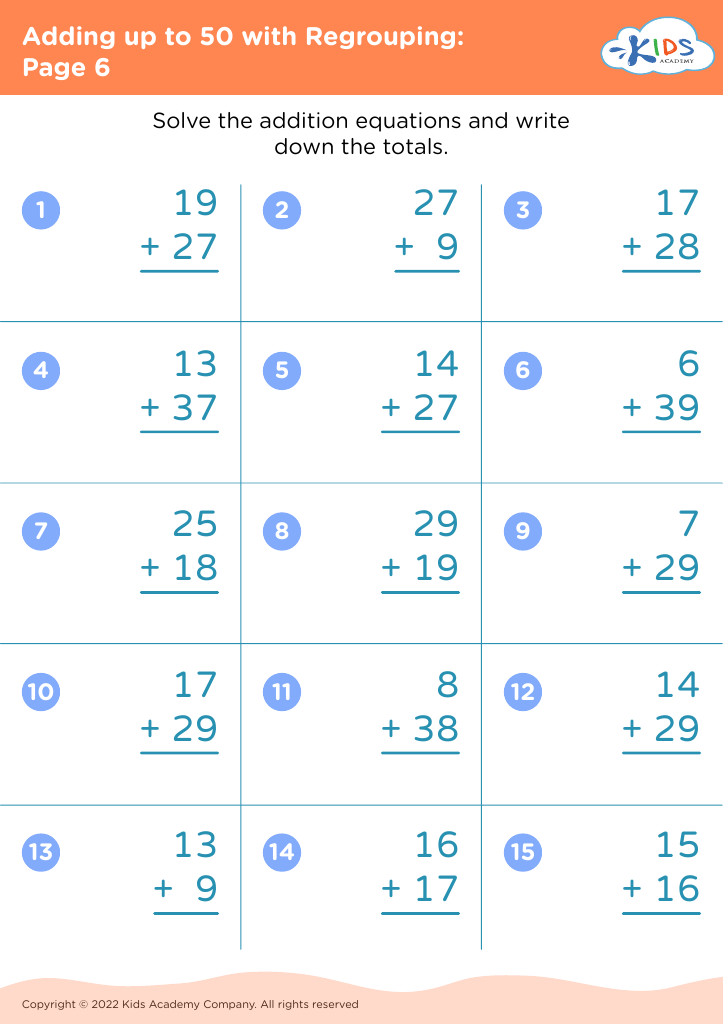
Adding up to 50 with Regrouping: Page 6
Worksheet
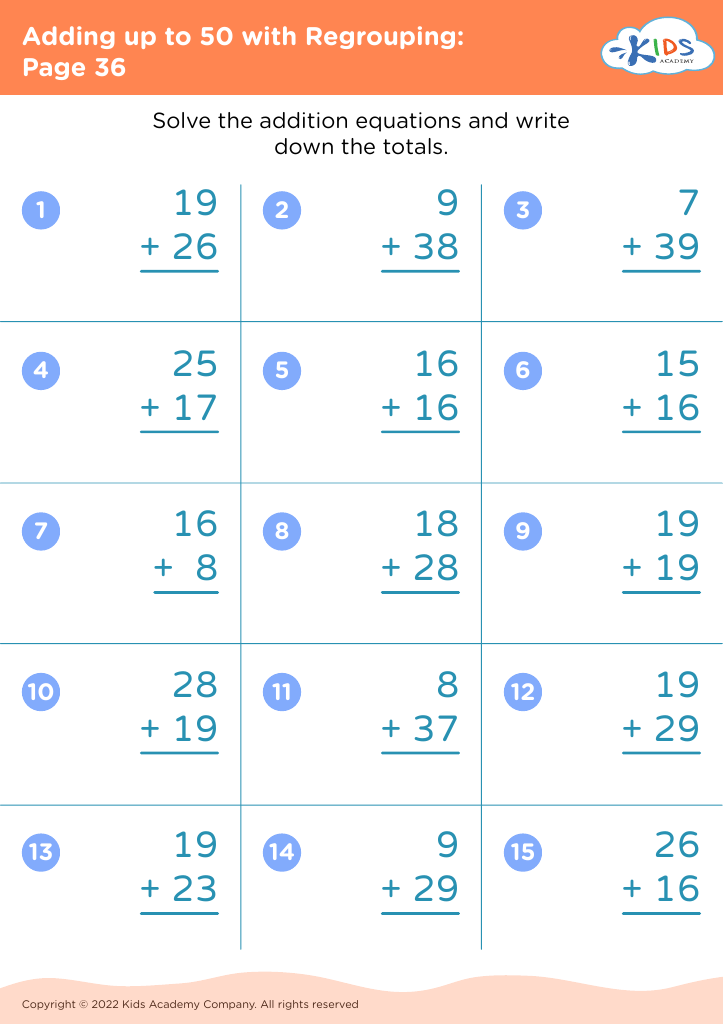
Adding up to 50 with Regrouping: Page 36
Worksheet
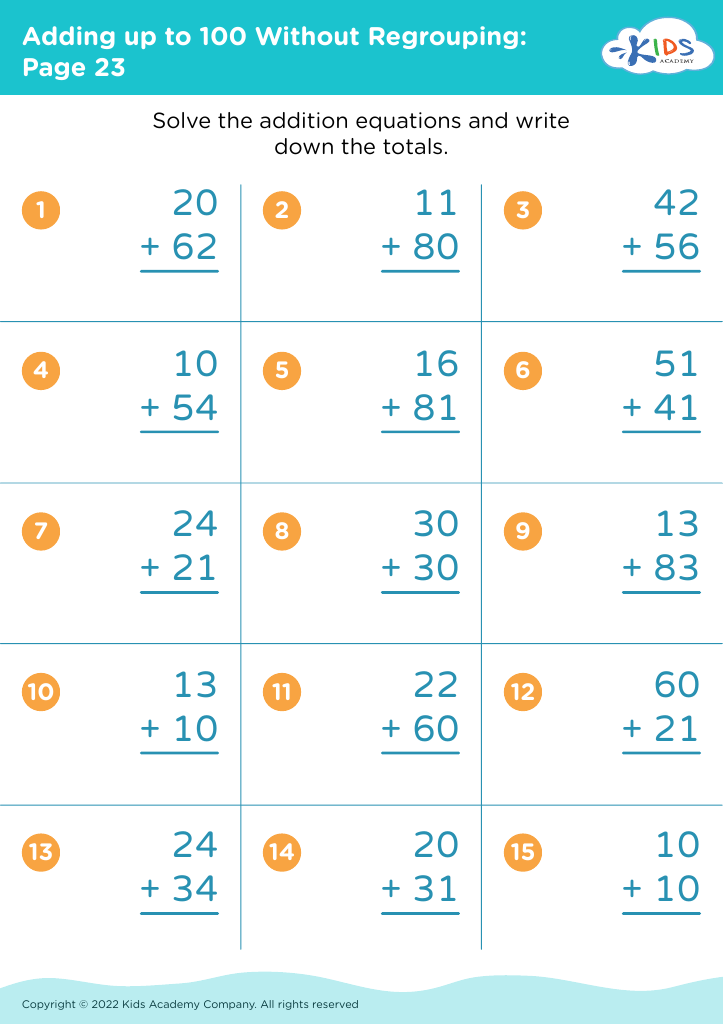
Adding up to 100 Without Regrouping: Page 23
Worksheet
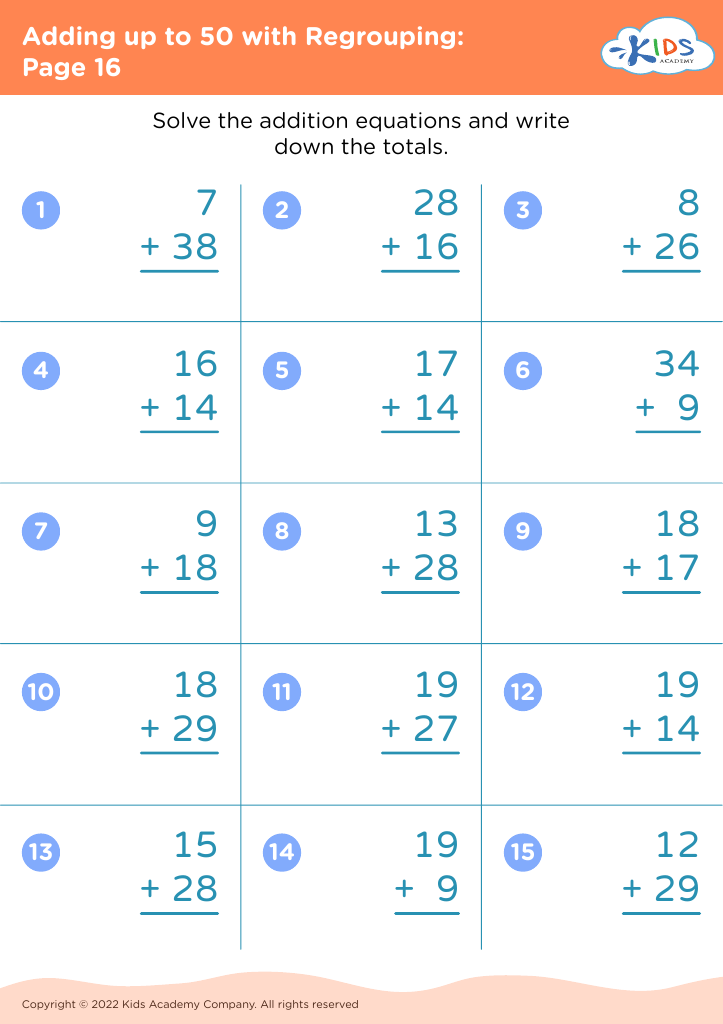
Adding up to 50 with Regrouping: Page 16
Worksheet


Parents and teachers play a crucial role in a child's early math education, particularly when it comes to comparing fractions, addition, and subtraction for ages 7-8. At this developmental stage, children are building foundational skills that are essential for their mathematical understanding. Mastering the concept of comparing fractions helps students comprehend the relationships between different numbers, an essential skill not just for future math, but also for everyday decision-making, like measuring ingredients or determining quantities.

By focusing on this topic, parents can foster critical thinking and problem-solving skills in their children. Understanding how to add and subtract fractions reinforces the idea that math is not merely rote memorization but involves logical reasoning and pattern recognition. Engaging with fractions at this age prepares children for more complex topics in mathematics, building their confidence and competency.

Additionally, when parents and teachers collaborate in teaching these concepts through interactive and practical activities, they create a supportive learning environment that encourages curiosity and persistence. Ultimately, mastering comparing fractions, addition, and subtraction equips children not only for academic success but also for real-world applications, instilling a lifelong interest in mathematics.