Check out this FREE Trial Lesson on Addition & Subtraction for age 7-8!

T

Favorites
With answer key
Interactive
  • 7-8
  • Fraction simplification
  • Addition & Subtraction
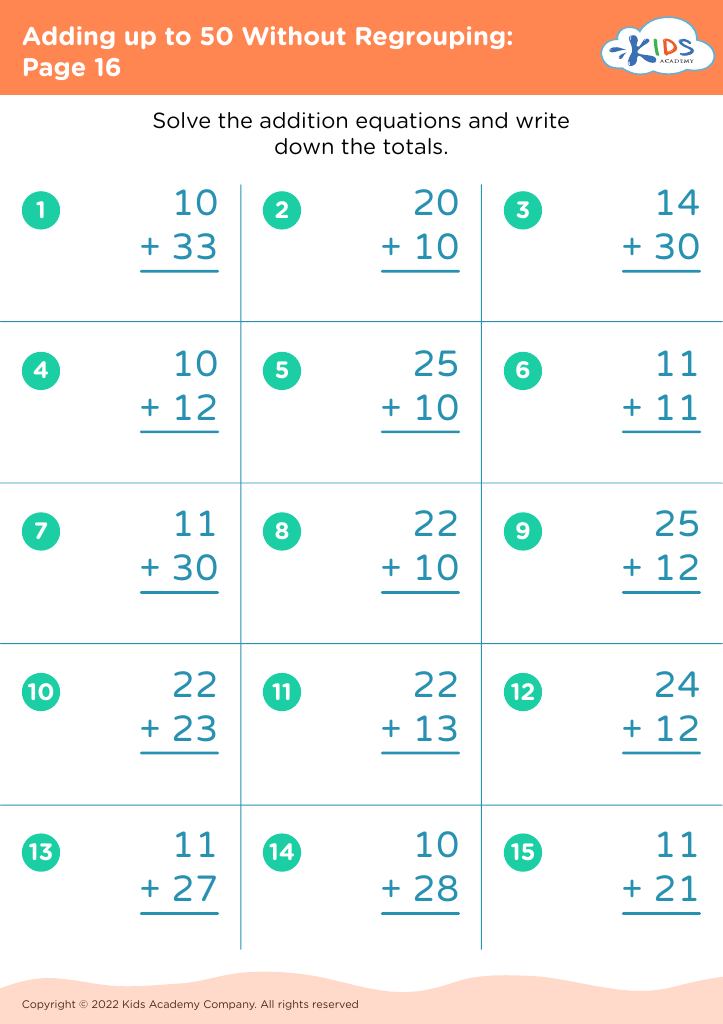
Adding up to 50 Without Regrouping: Page 16
Worksheet
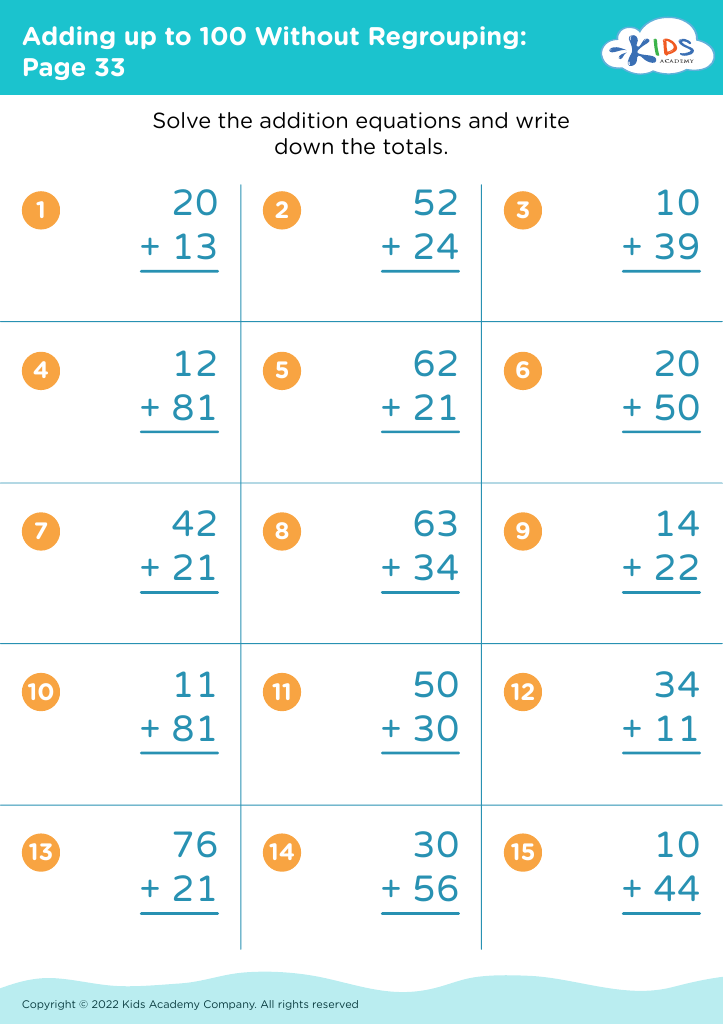
Adding up to 100 Without Regrouping: Page 33
Worksheet
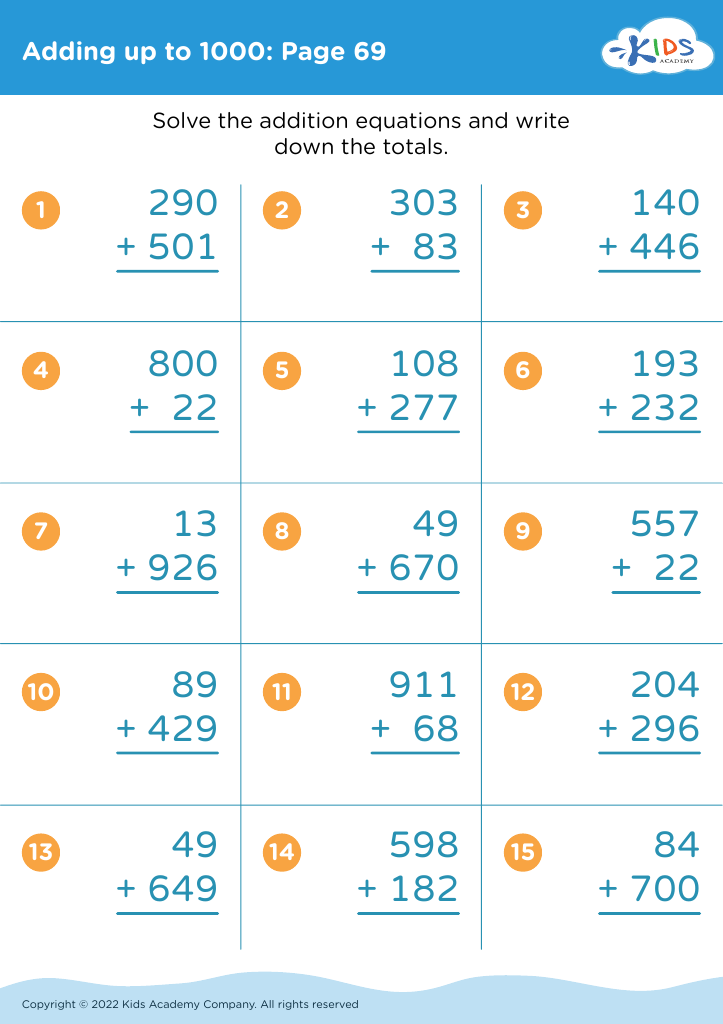
Adding up to 1000: Page 69

Adding up to 1000: Page 69

Adding up to 1000: Page 69
Worksheet
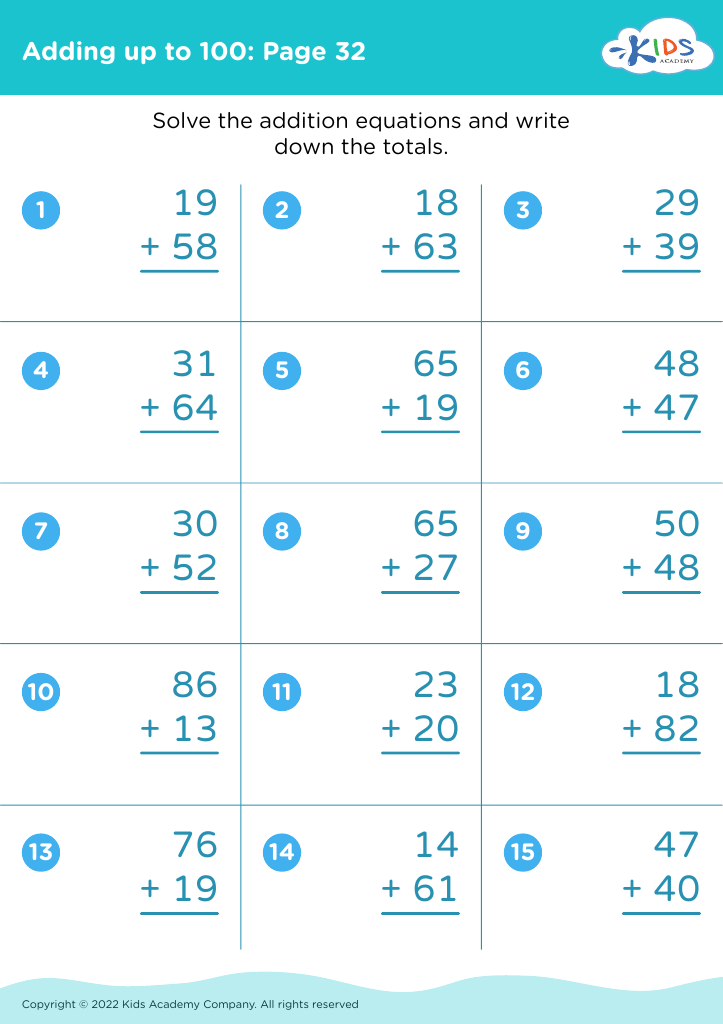
Adding up to 100: Page 32

Adding up to 100: Page 32

Adding up to 100: Page 32
Worksheet
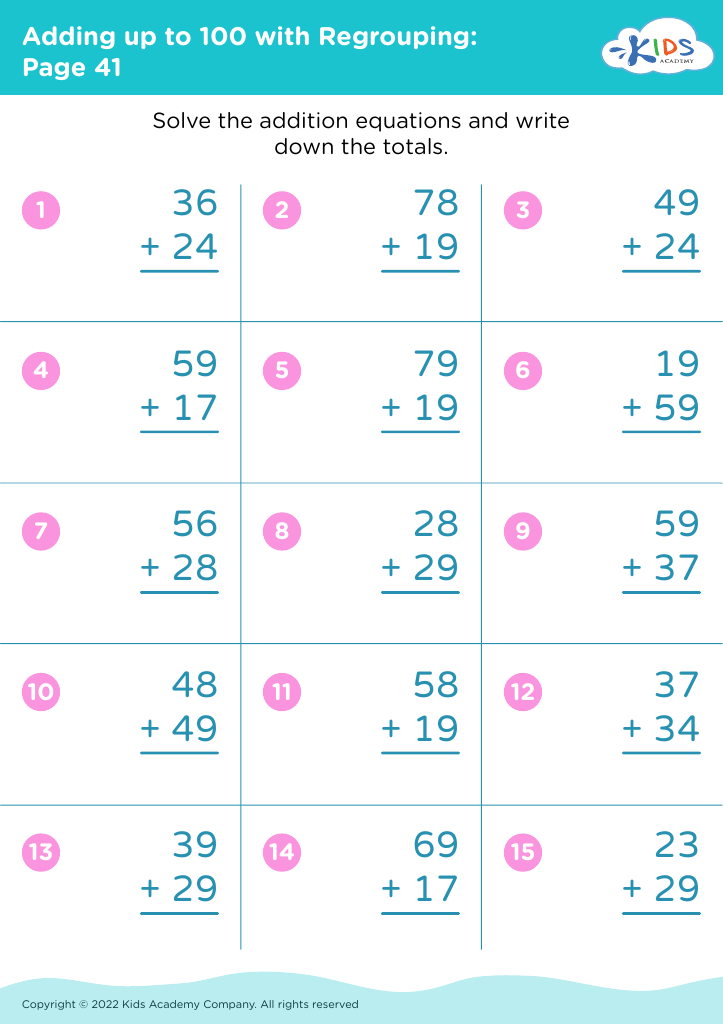
Adding up to 100 with Regrouping: Page 41
Worksheet
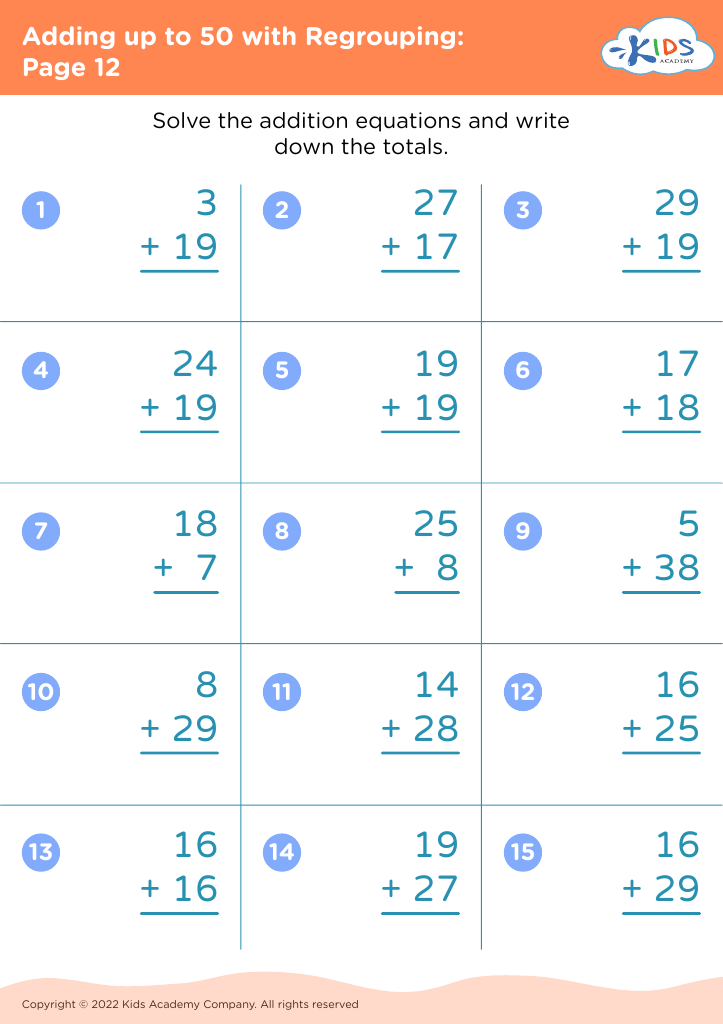
Adding up to 50 with Regrouping: Page 12
Worksheet
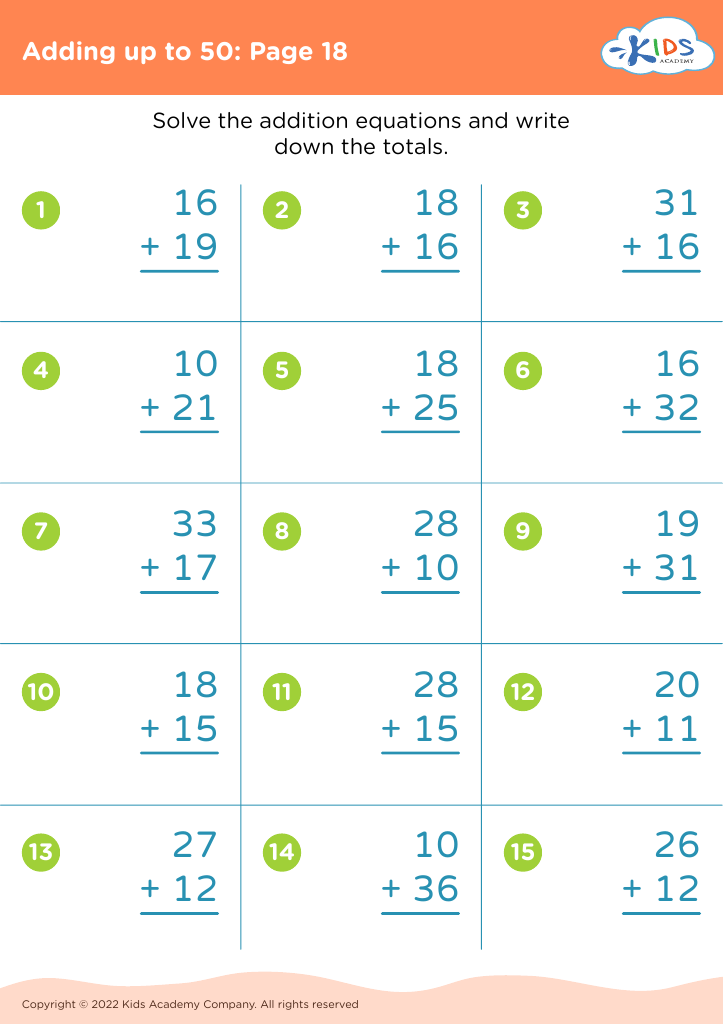
Adding up to 50: Page 18

Adding up to 50: Page 18

Adding up to 50: Page 18
Worksheet
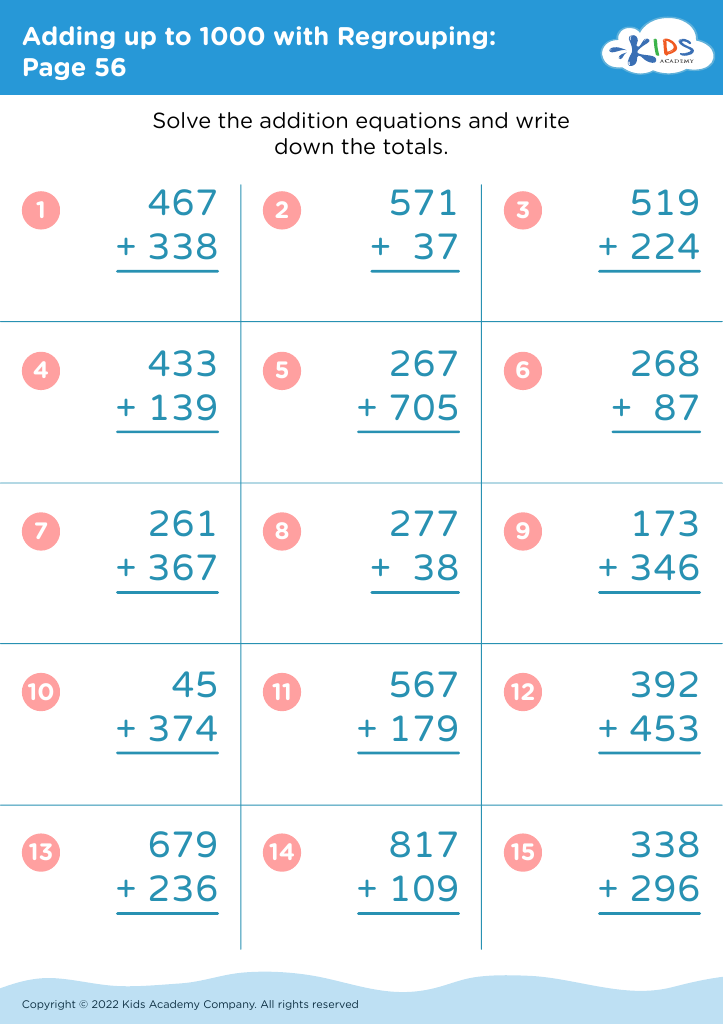
Adding up to 1000 with Regrouping: Page 56
Worksheet
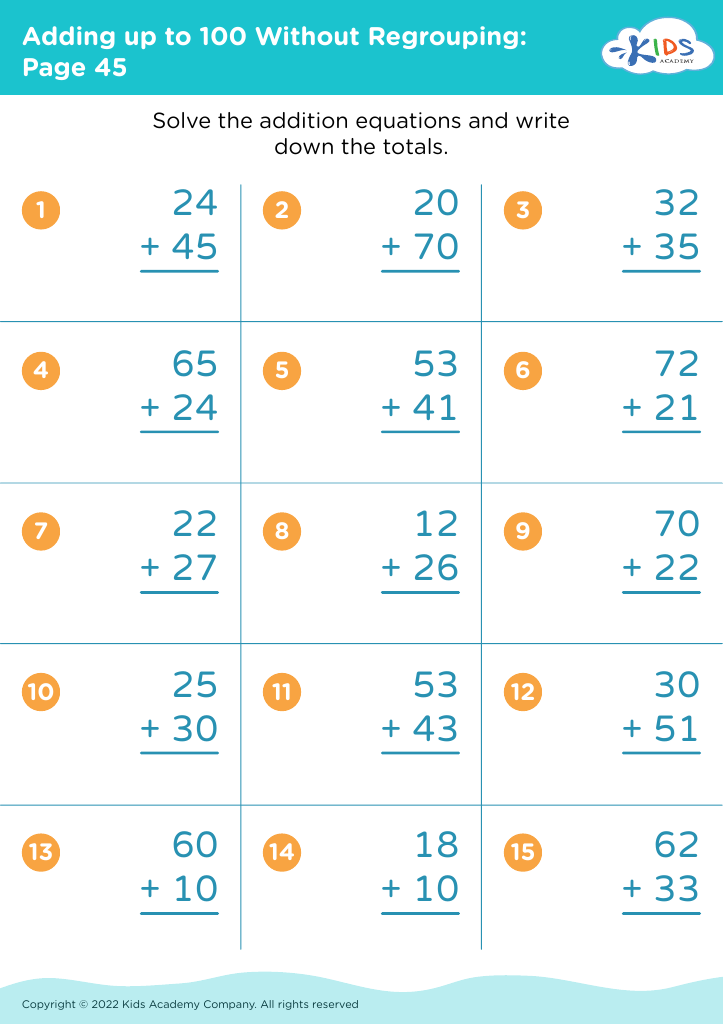
Adding up to 100 Without Regrouping: Page 45
Worksheet
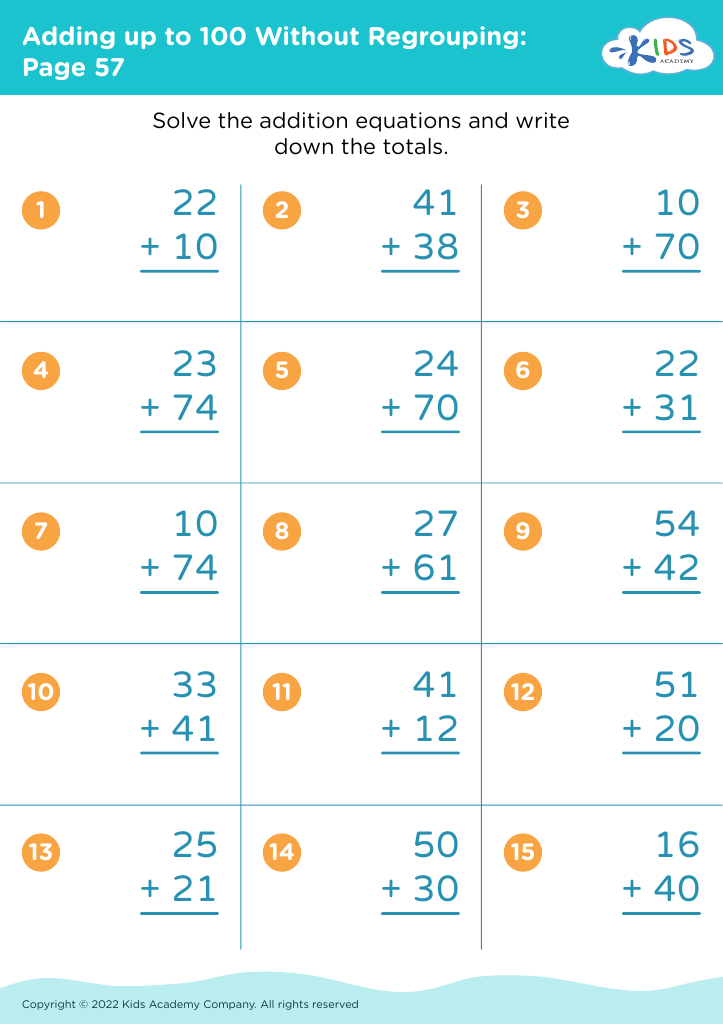
Adding up to 100 Without Regrouping: Page 57
Worksheet
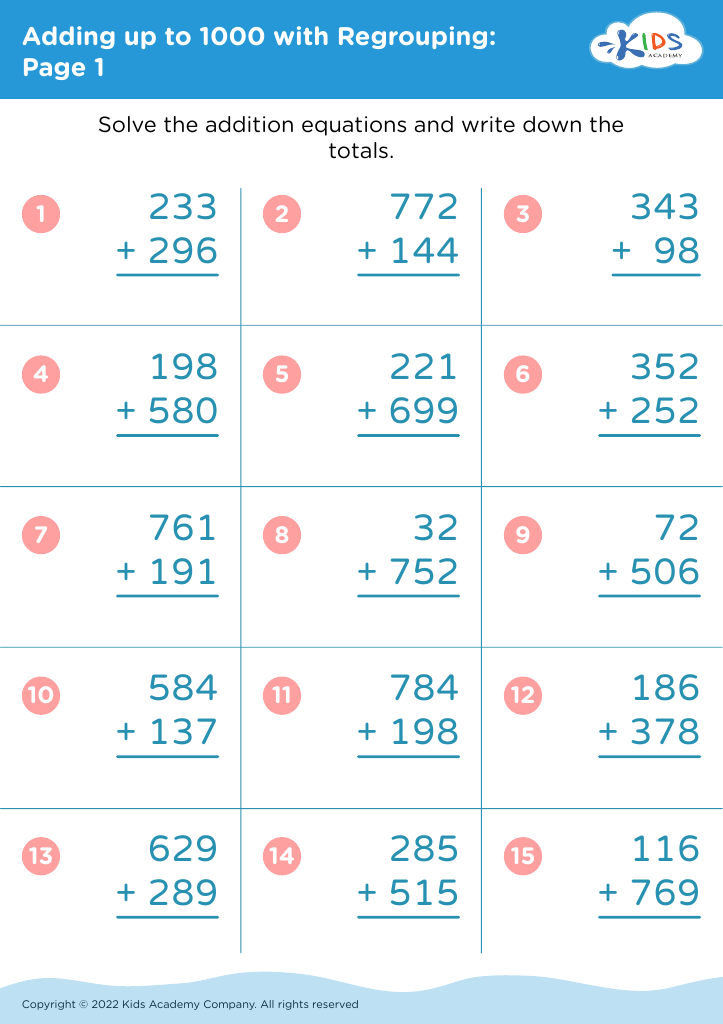
Adding up to 1000 with Regrouping: Page 1
Worksheet
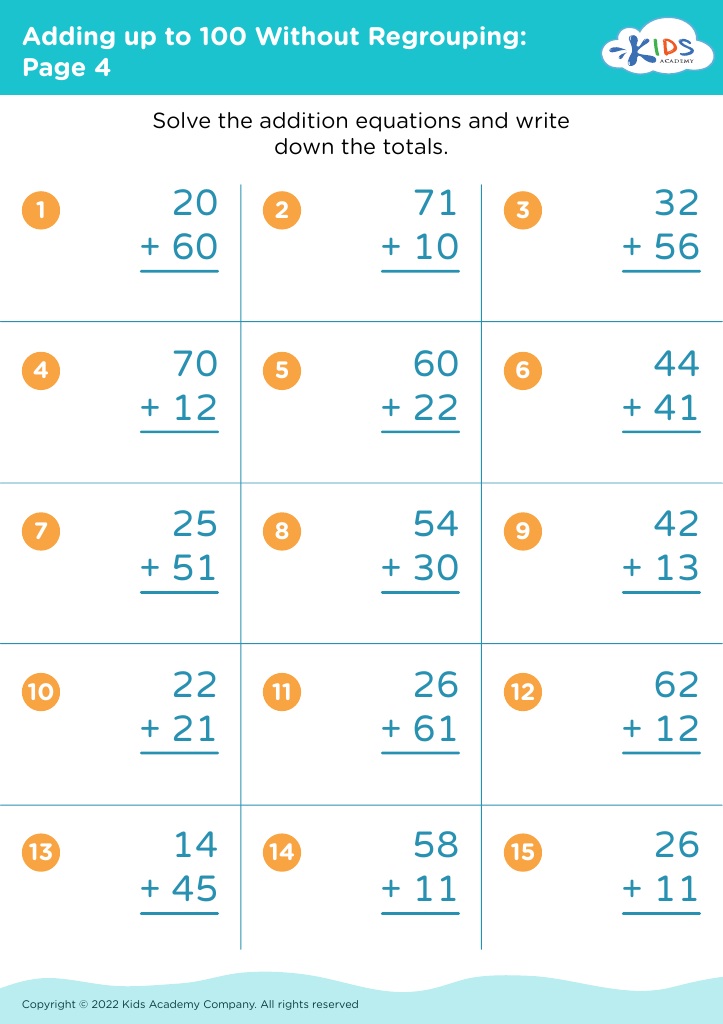
Adding up to 100 Without Regrouping: Page 4
Worksheet
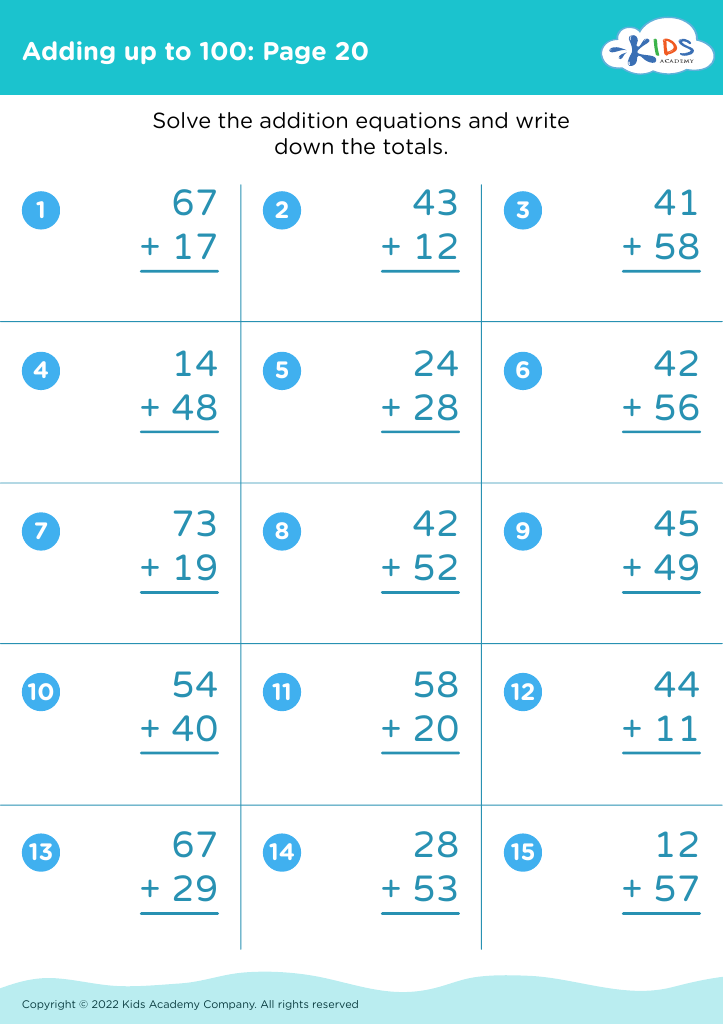
Adding up to 100: Page 20

Adding up to 100: Page 20

Adding up to 100: Page 20
Worksheet
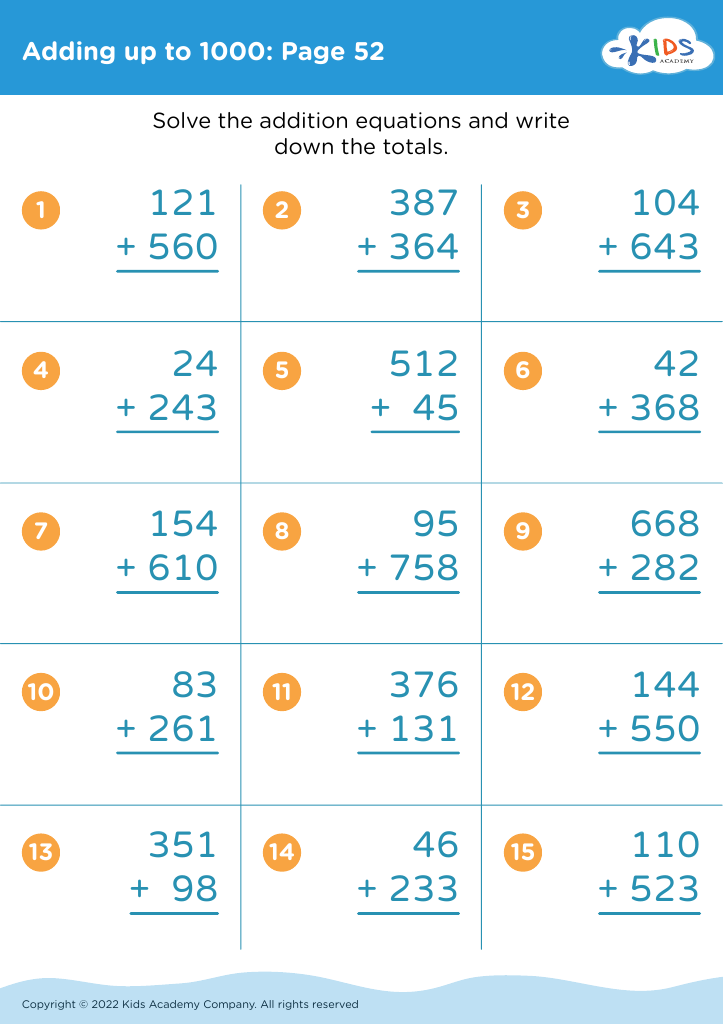
Adding up to 1000: Page 52

Adding up to 1000: Page 52

Adding up to 1000: Page 52
Worksheet
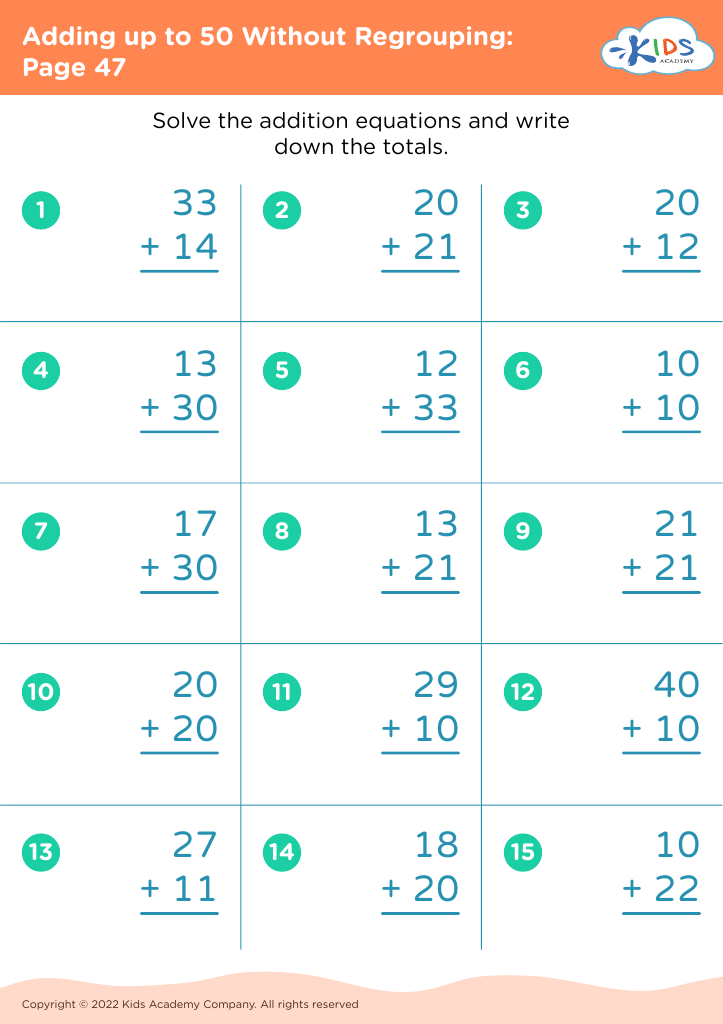
Adding up to 50 Without Regrouping: Page 47
Worksheet
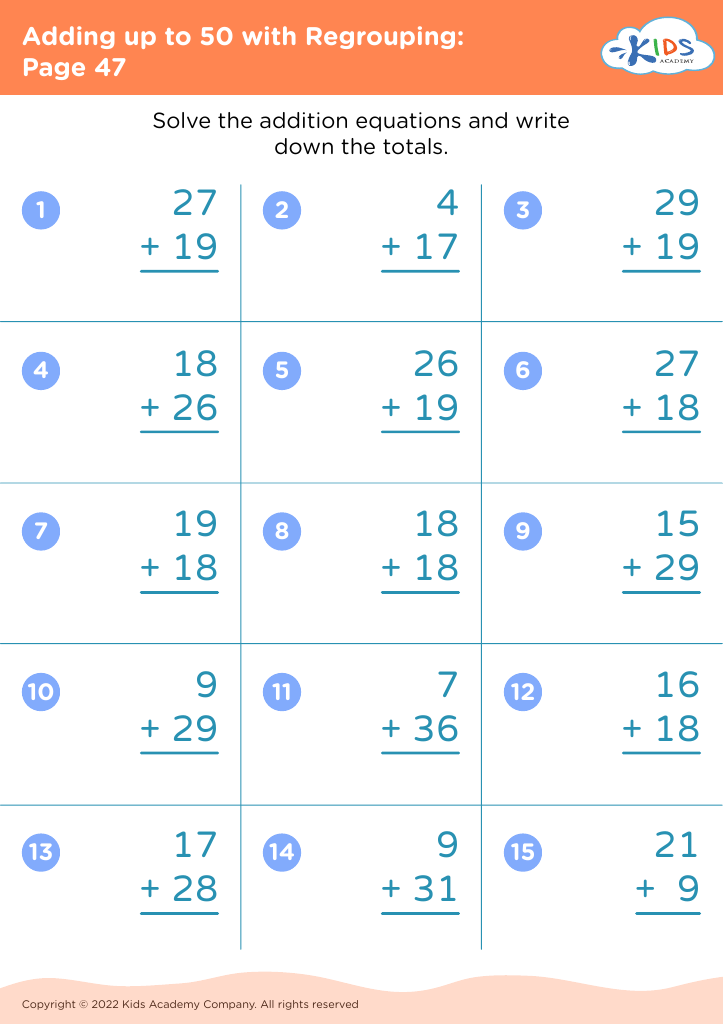
Adding up to 50 with Regrouping: Page 47
Worksheet
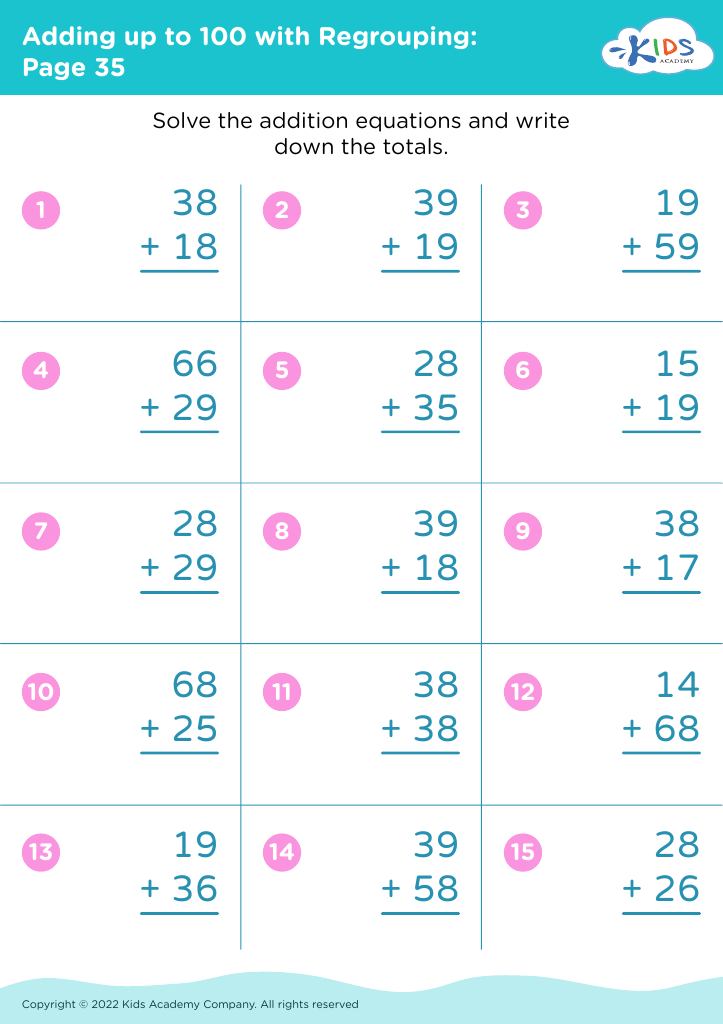
Adding up to 100 with Regrouping: Page 35
Worksheet
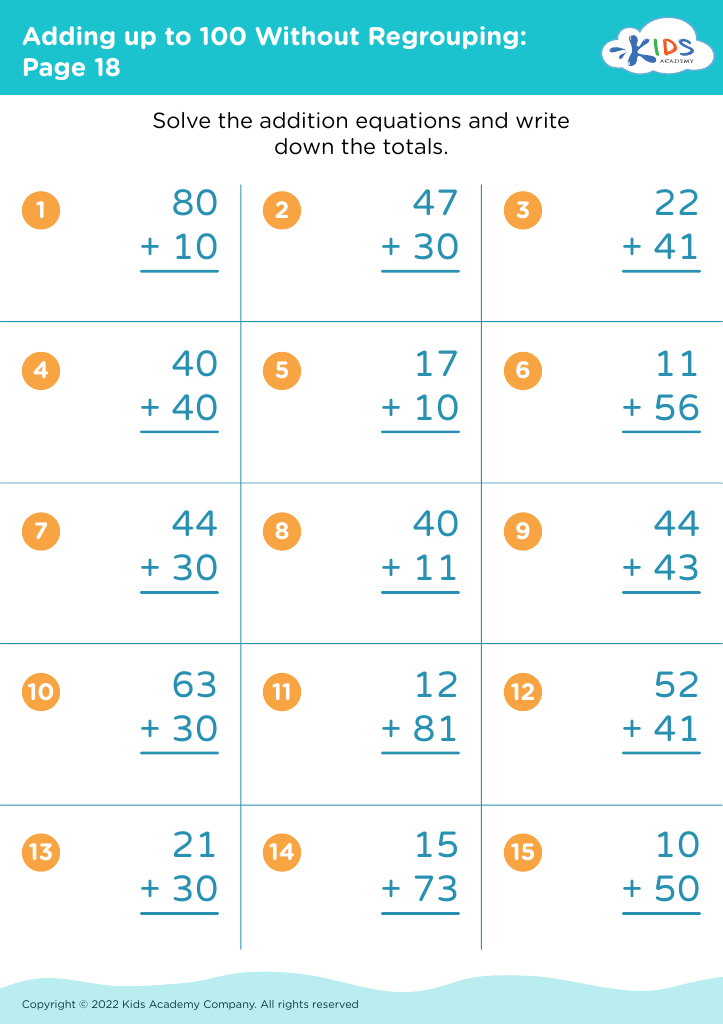
Adding up to 100 Without Regrouping: Page 18
Worksheet
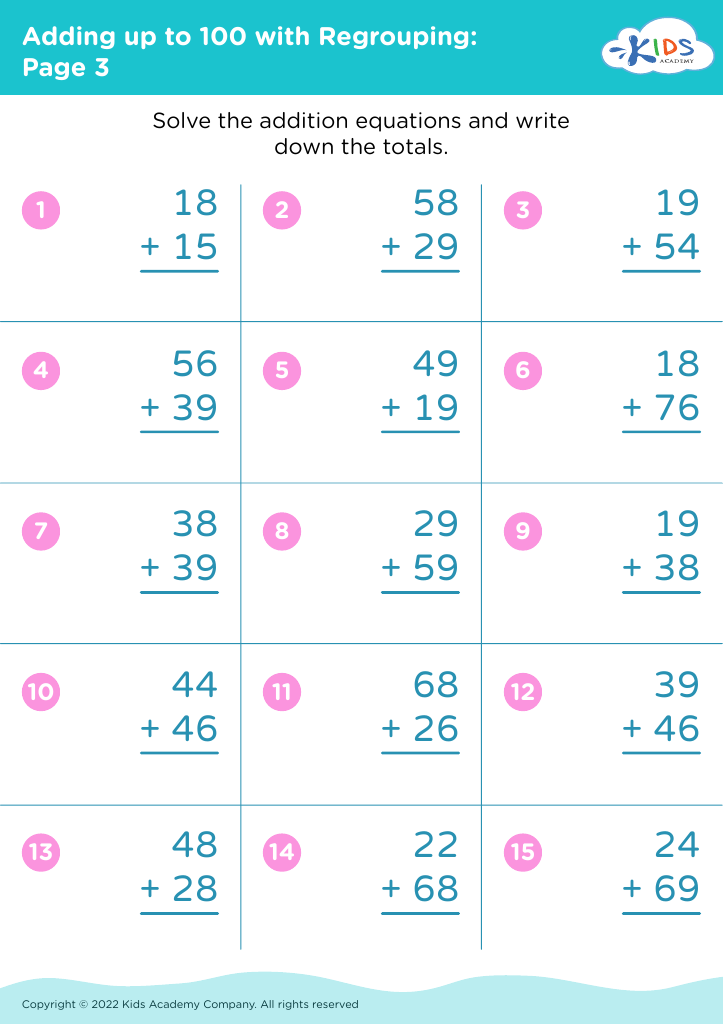
Adding up to 100 with Regrouping: Page 3
Worksheet
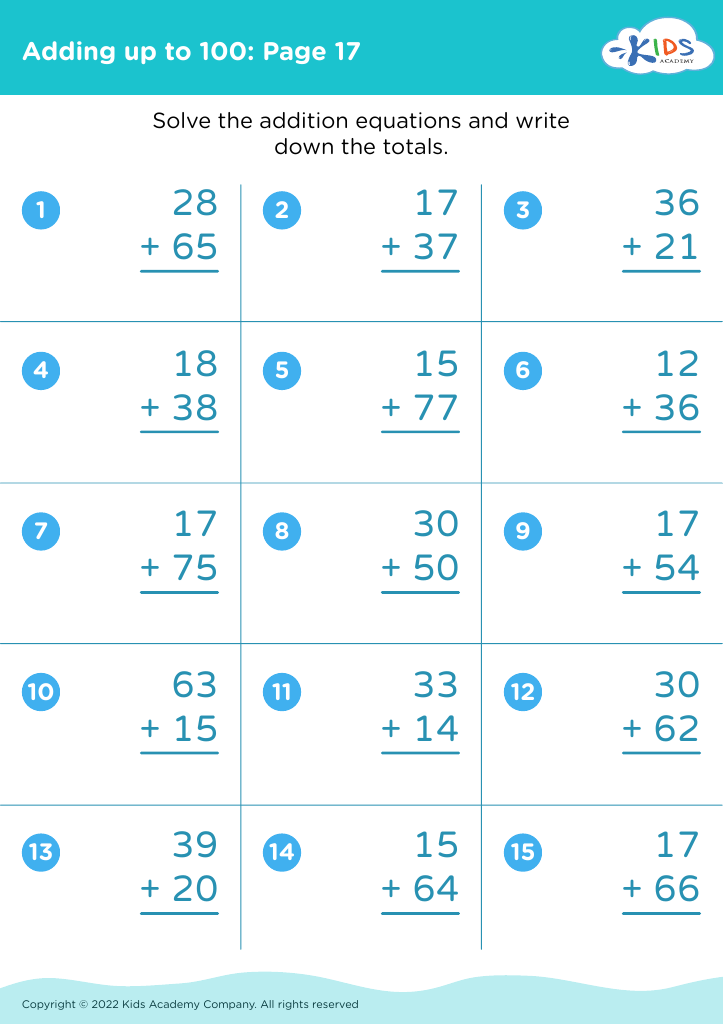
Adding up to 100: Page 17

Adding up to 100: Page 17

Adding up to 100: Page 17
Worksheet
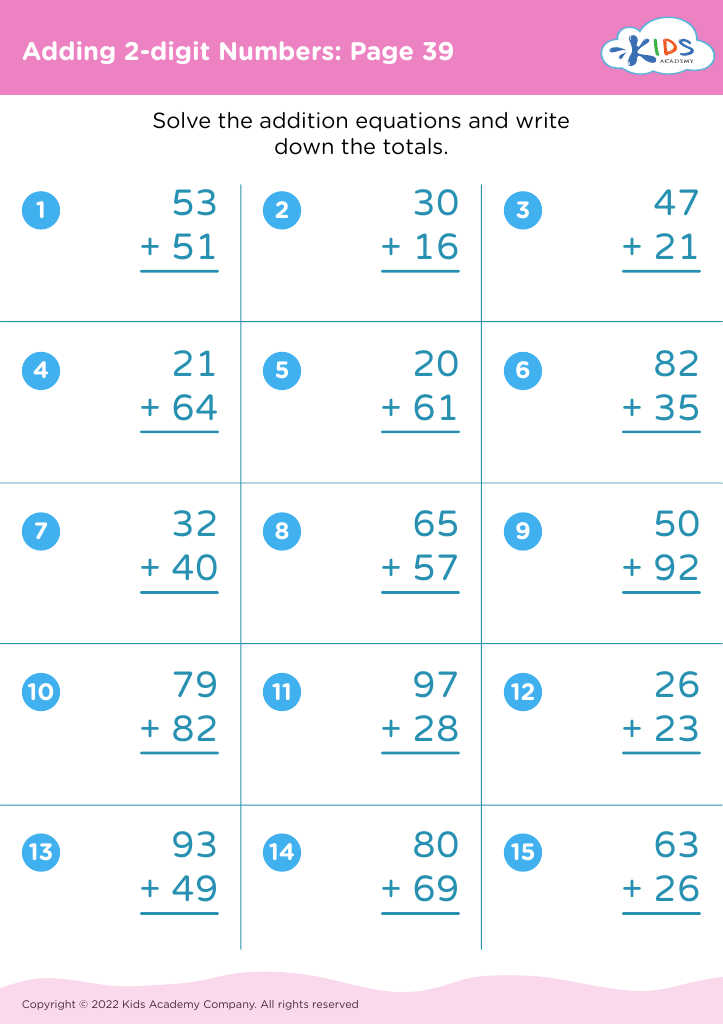
Adding 2-digit Numbers: Page 39

Adding 2-digit Numbers: Page 39

Adding 2-digit Numbers: Page 39
Worksheet
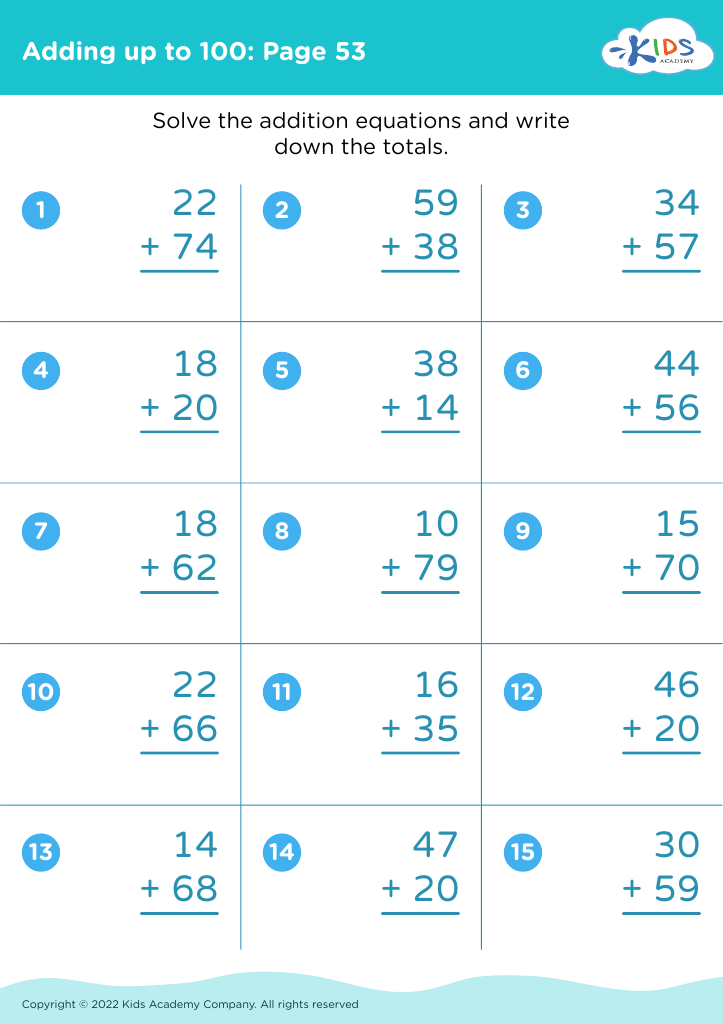
Adding up to 100: Page 53

Adding up to 100: Page 53

Adding up to 100: Page 53
Worksheet
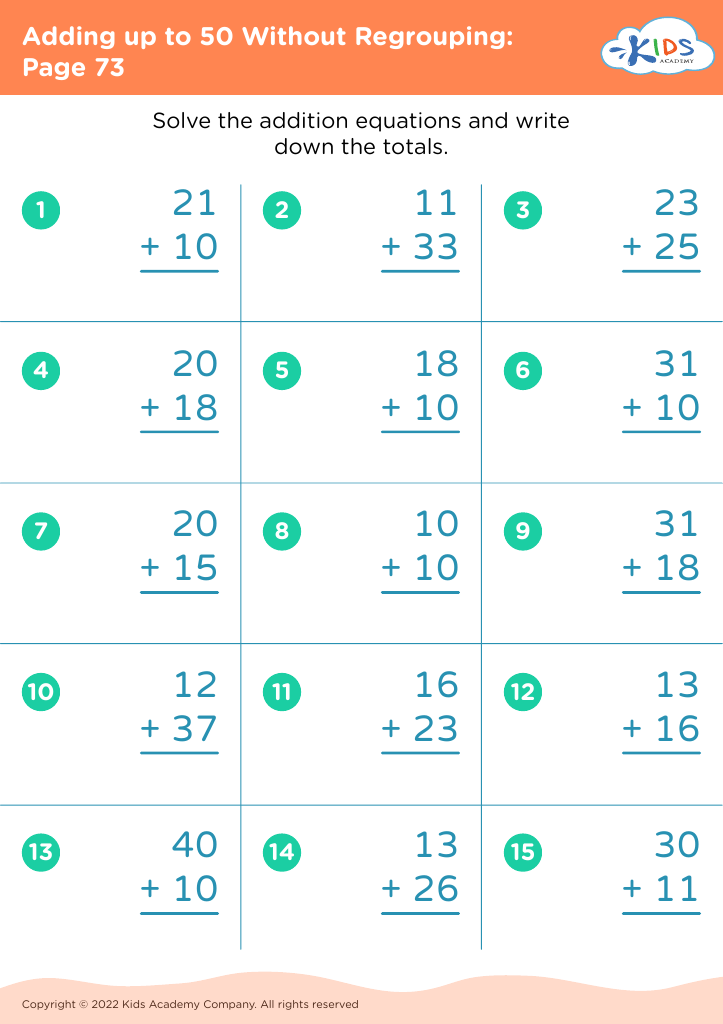
Adding up to 50 Without Regrouping: Page 73
Worksheet
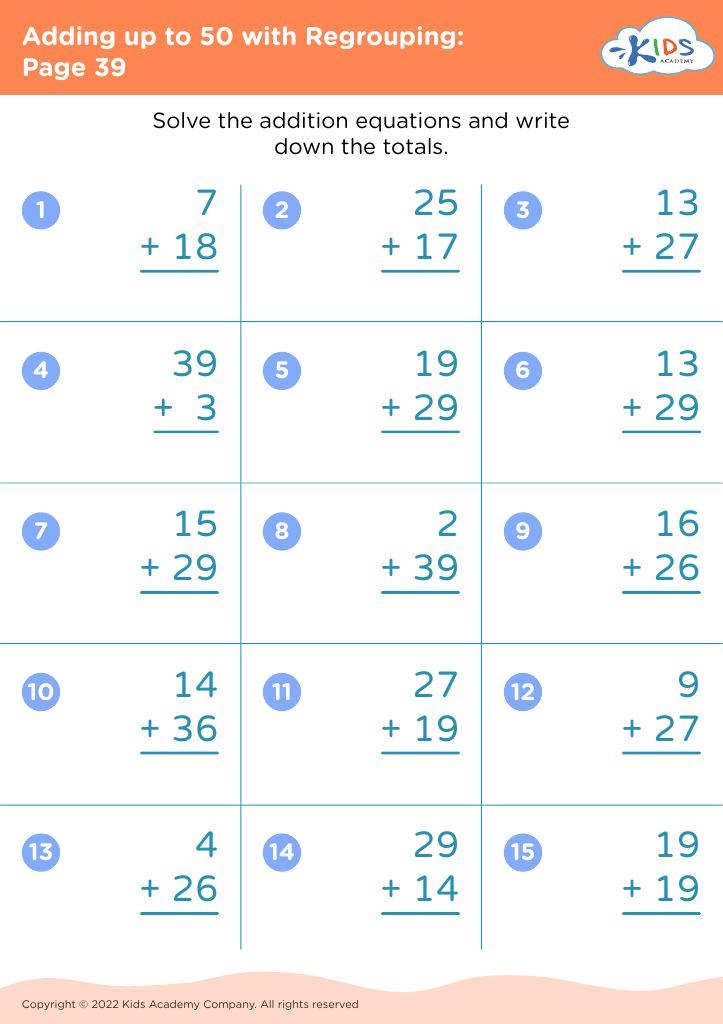
Adding up to 50 with Regrouping: Page 39
Worksheet


Understanding fraction simplification, addition, and subtraction is crucial for children aged 7-8, as it forms a fundamental part of their mathematical foundation. At this developmental stage, introducing fractions deepens their number sense and enhances their ability to work with smaller parts of a whole, a skill applicable in many real-life contexts.

When young students learn to simplify fractions, they gain insights into equivalencies and relationships between different numbers, a vital stepping stone for more complex mathematical concepts. Adding and subtracting fractions further bolsters their arithmetic skills and improves their problem-solving abilities. These skills ensure they can handle mixed numbers and improper fractions, relevant to higher-level math they'll encounter in later grades.

Moreover, mastering fractions at a young age builds confidence in their mathematical abilities, making them more likely to approach future math problems with a positive mindset. It fosters critical thinking, attention to detail, and logical reasoning. For parents and teachers, emphasizing these skills helps set up children for academic success not only in math but in subjects that require analytical thinking and precision. Early proficiency in fractions, therefore, is a critical building block for lifelong numeracy and thus deserves attention and encouragement both at home and in the classroom.