
Understanding adjectives Addition & Subtraction Worksheets for Ages 7-8
5 filtered results
Difficulty Level
Grade
Age
-
From - To
Subject
Activity
Standards
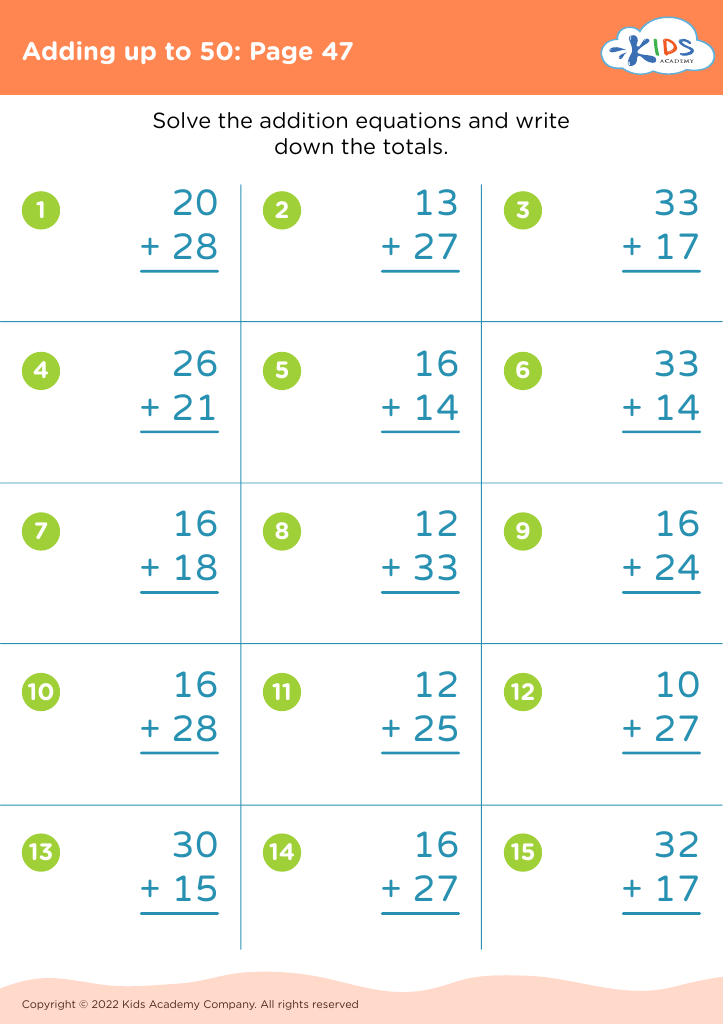
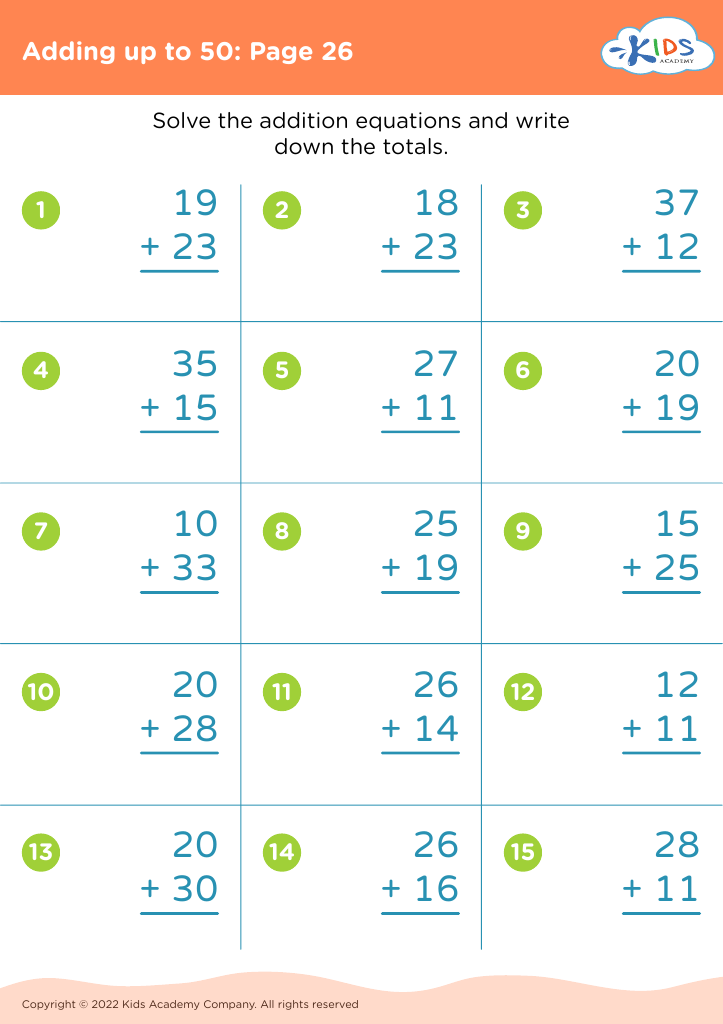
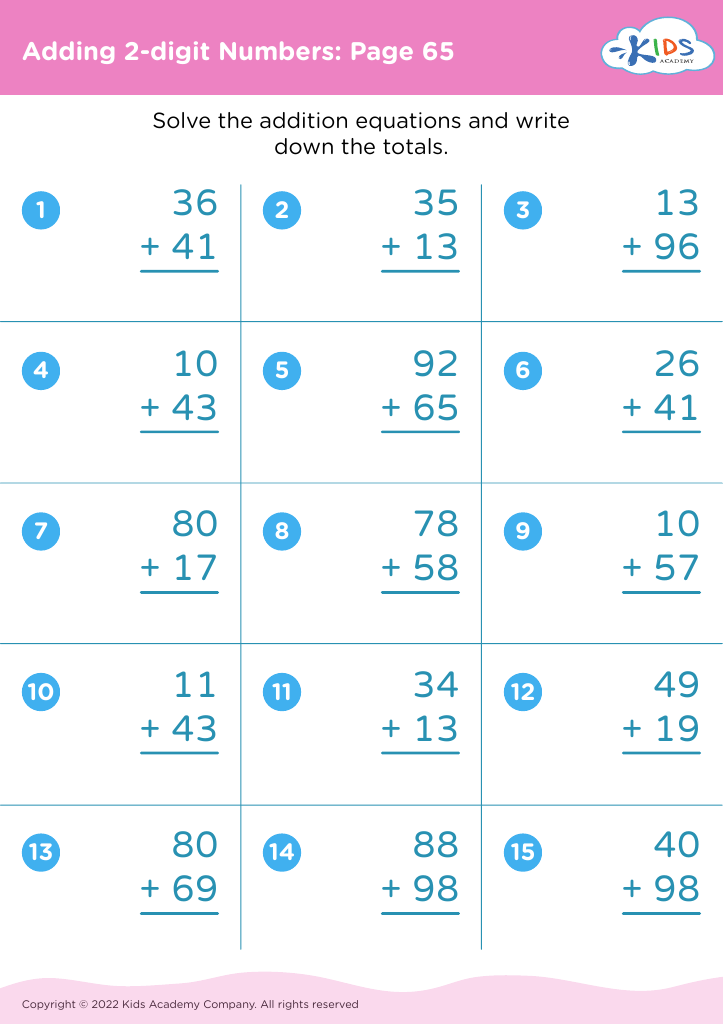
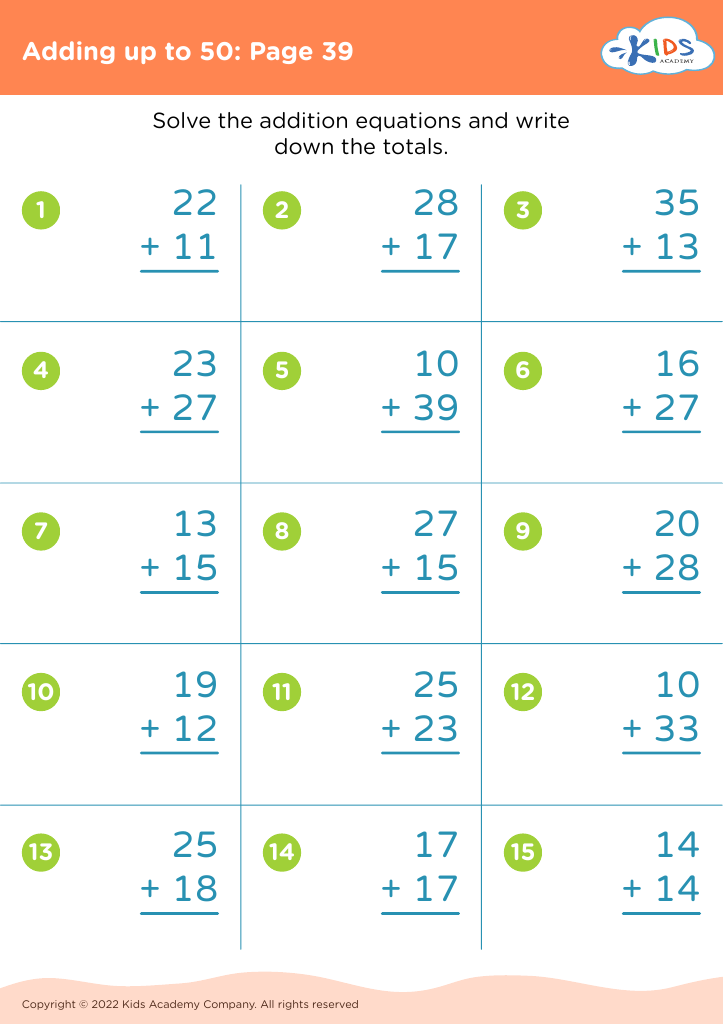
Unlock the power of language and math with our "Understanding Adjectives Addition & Subtraction Worksheets" designed specifically for ages 7-8! These engaging worksheets combine fundamental math skills with the exploration of adjectives, enhancing both numerical and linguistic abilities. Students will learn to identify descriptive words while practicing addition and subtraction problems that encourage critical thinking and creativity. Clear instructions and fun illustrations make learning enjoyable, ensuring kids stay motivated. Ideal for homeschooling or classroom settings, these worksheets foster a well-rounded educational experience, helping children develop essential skills for future academic success. Discover the joy of learning through our interactive resources today!
Favorites
With answer key
Interactive
Join Kids Academy for Free
Who is primarily going to use this learning content?








Parents and teachers should prioritize teaching adjectives alongside addition and subtraction for children ages 7-8 because these elements significantly contribute to foundational literacy and numeracy skills. Understanding adjectives enhances children's vocabulary and language proficiency, which is crucial during this developmental stage. A strong grasp of descriptive words allows young learners to articulate their thoughts, engage in discussions, and develop critical thinking skills. For instance, when children learn adjectives like "big," "small," "fast," or "slow," they also learn to compare and contrast, which aids in logical reasoning—a vital part of mathematical understanding.
Simultaneously, mastering addition and subtraction is essential for numeracy, forming the basis for more complex arithmetic and real-world problem-solving. Developing these skills at an early age fosters confidence and helps children understand concepts such as quantity, measurement, and relationships between numbers.
Furthermore, integrating language and math encourages cross-curricular learning. For example, a math story problem can incorporate adjectives to make it more relatable and engaging, capturing children's interest while reinforcing their understanding of both subjects. Ultimately, fostering a holistic approach to education that includes adjectives and arithmetic can lead to well-rounded, articulate, and confident learners. This synergy ensures they are better prepared for future academic challenges.








