Understanding division Addition & Subtraction Worksheets for Ages 7-8
5 filtered results
-
From - To
Unlock the magic of math with our "Understanding Division, Addition & Subtraction Worksheets for Ages 7-8." These engaging worksheets are designed to build a strong foundation in basic arithmetic, ensuring kids grasp essential concepts while having fun. Through a variety of exercises, young learners will hone their skills in division, addition, and subtraction, mastering their understanding of mathematical operations. Perfect for both classroom use and home practice, these printable worksheets make learning math enjoyable and effective. Equip your child with the tools they need to succeed in math and boost their confidence one worksheet at a time!
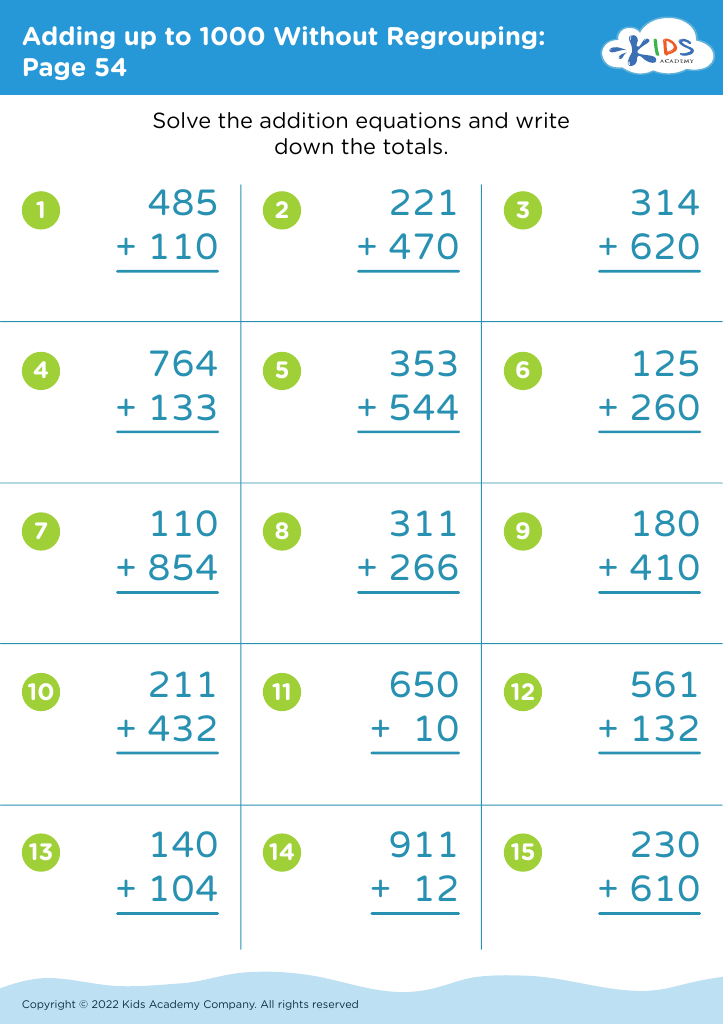
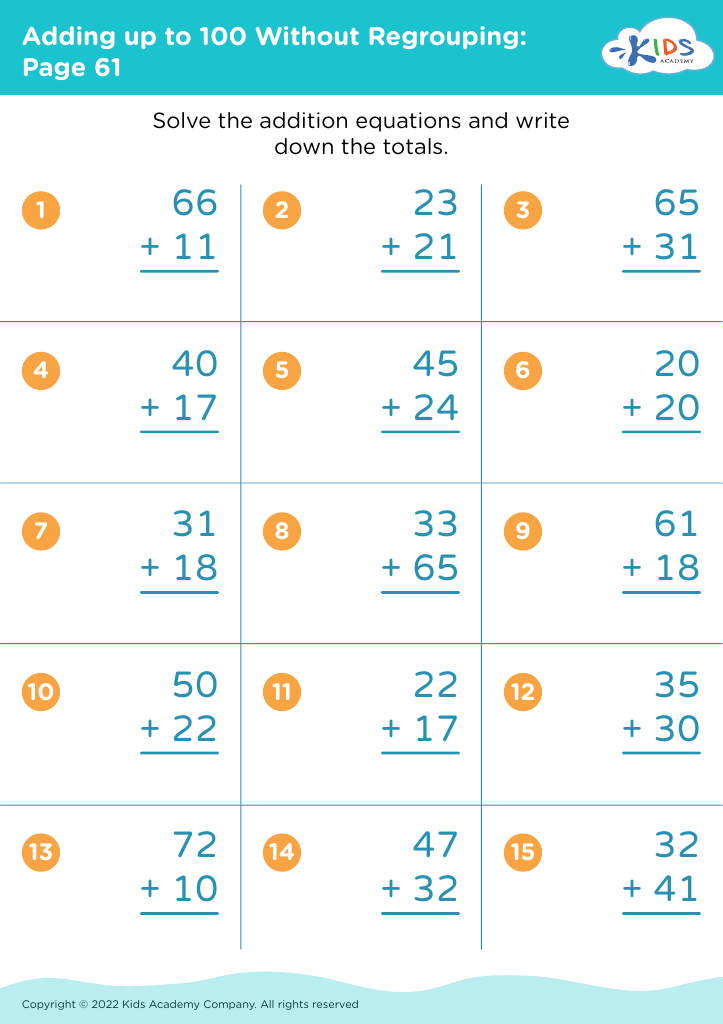
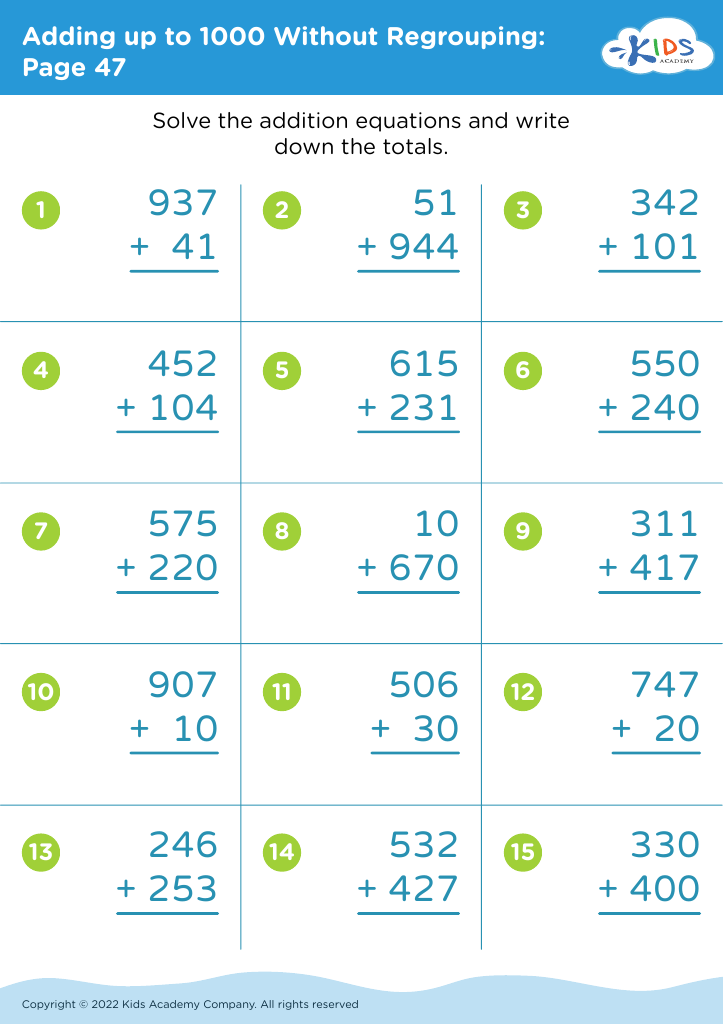
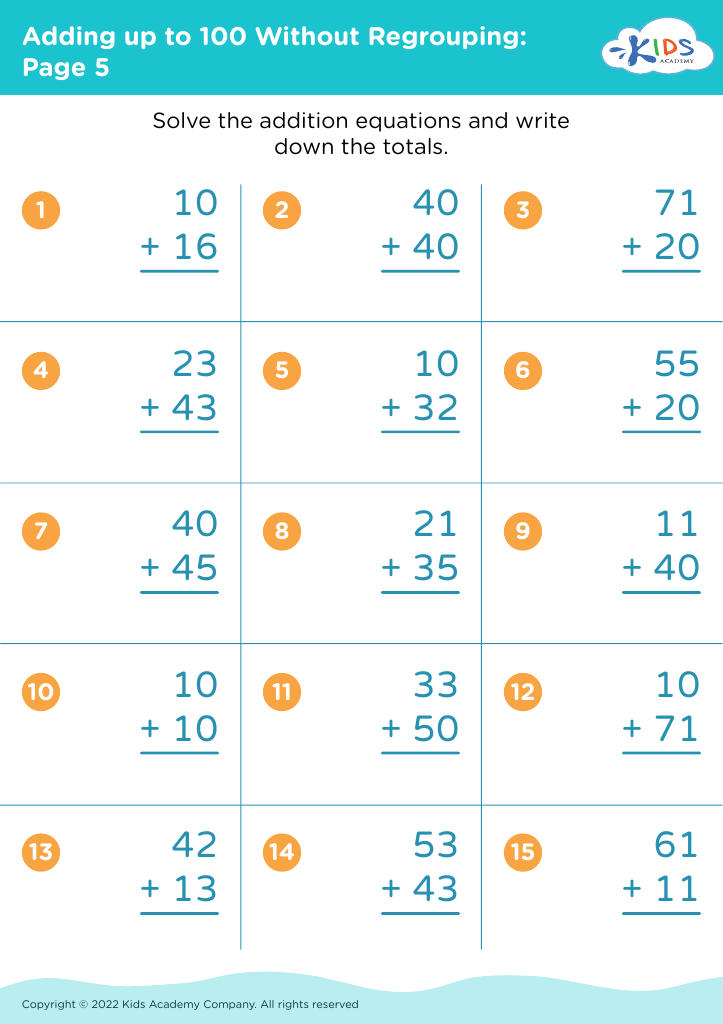
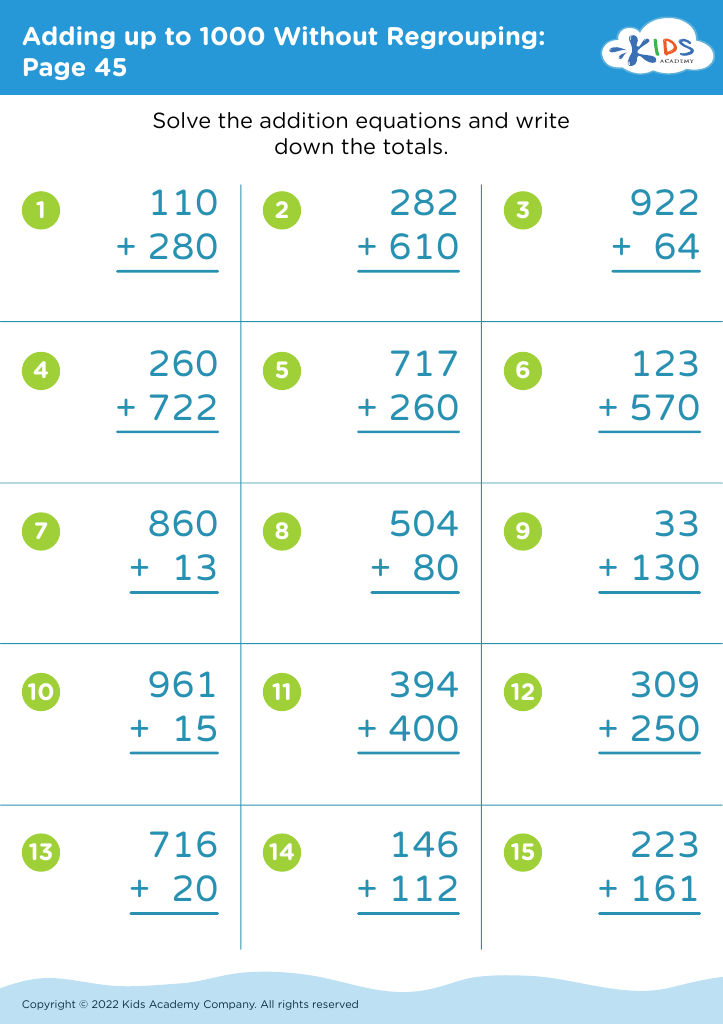








Understanding division, addition, and subtraction is crucial for children aged 7-8 because these foundational math skills pave the way for future academic success and everyday problem-solving abilities. At this age, children transition from simple arithmetic to more complex mathematical concepts, and mastering these operations is essential for their cognitive development.
First, math skills improve logical thinking and analytical reasoning. By learning addition and subtraction, kids grasp the concept of combining and separating quantities, which enhances their understanding of relationships and patterns. Division introduces them to the idea of sharing and grouping, fostering a sense of fairness and equity.
Secondly, these skills are practically significant for day-to-day activities. Counting change, measuring ingredients for a recipe, dividing tasks evenly—these are all tasks made easier when they can perform basic math operations smoothly.
Moreover, early proficiency in division, addition, and subtraction boosts children's confidence in tackling academic challenges, sets a positive attitude towards learning, and prepares them for more advanced topics in mathematics such as multiplication and division.
For teachers and parents, investing time and effort in helping children understand these concepts can prevent future struggles, reduce math anxiety, and create a strong foundation for lifelong learning and practical living. Ensuring children grasp these fundamental skills means equipping them with the tools necessary for both academic and personal growth.








