Associative learning Math Worksheets for Ages 7-8
3 filtered results
-
From - To
Boost your child’s math skills with our Associative Learning Math Worksheets, designed specifically for ages 7-8! These engaging worksheets help young learners grasp the concept of associative properties in math, essential for mastering addition and multiplication. Each worksheet offers fun exercises that encourage critical thinking and problem-solving, ensuring students can fluently combine numbers in different ways. With colorful illustrations and interactive activities, your child will enjoy developing their math abilities while gaining confidence in their skills. Perfect for home or classroom use, our worksheets make learning enjoyable and effective! Start building a strong mathematical foundation today with our extensive resources!
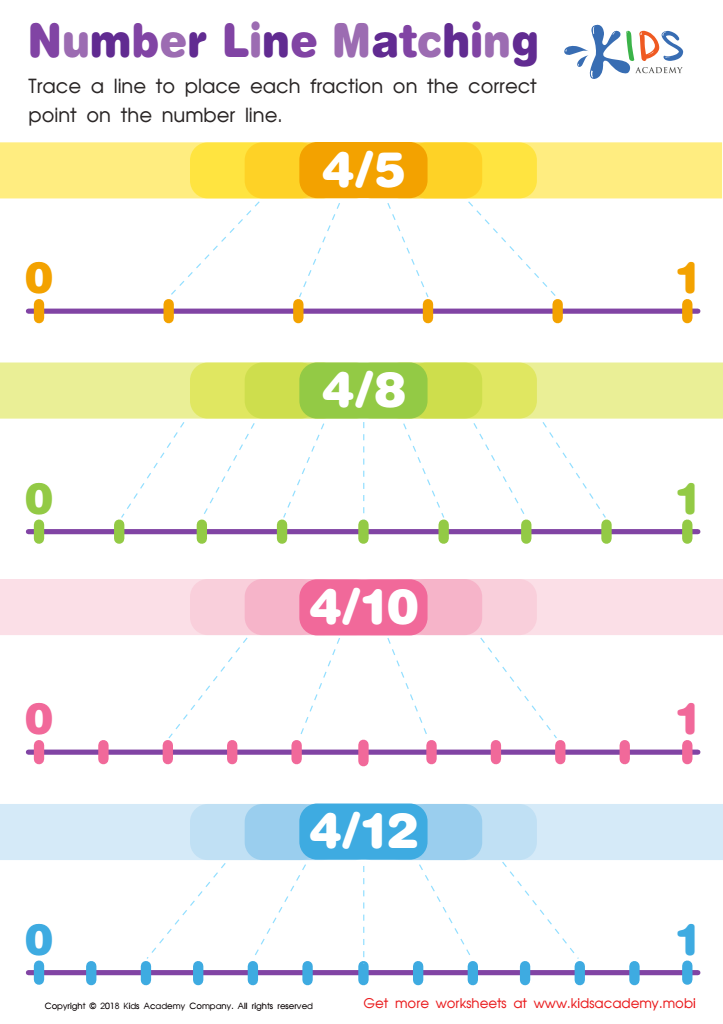
Number Line Matching Worksheet
 Assign to My Students
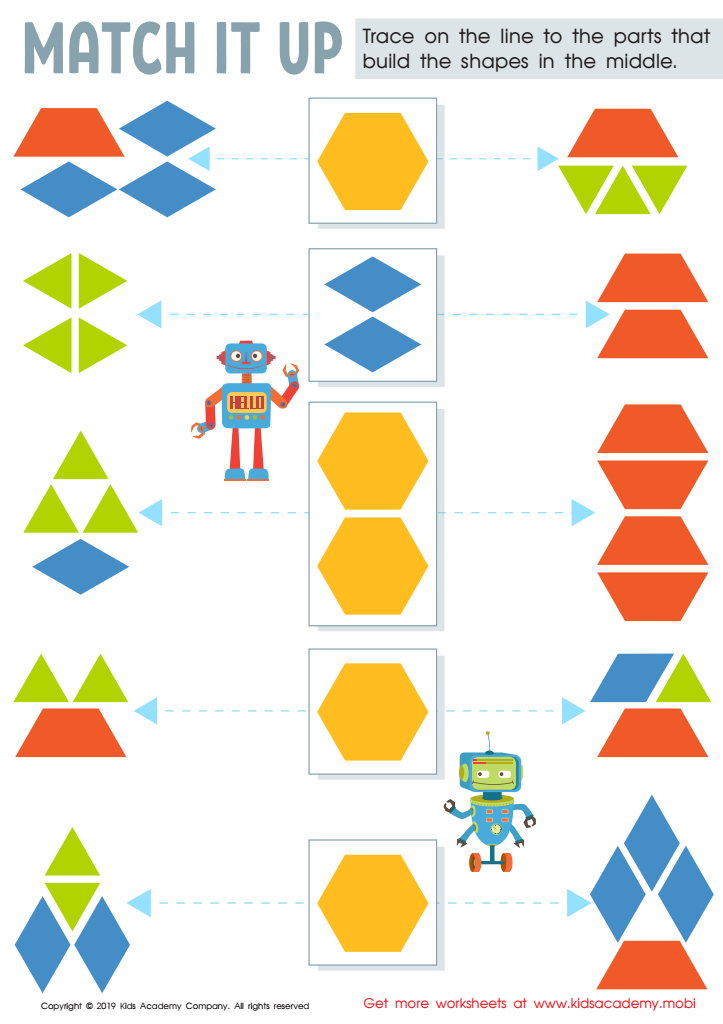
Match It up Worksheet
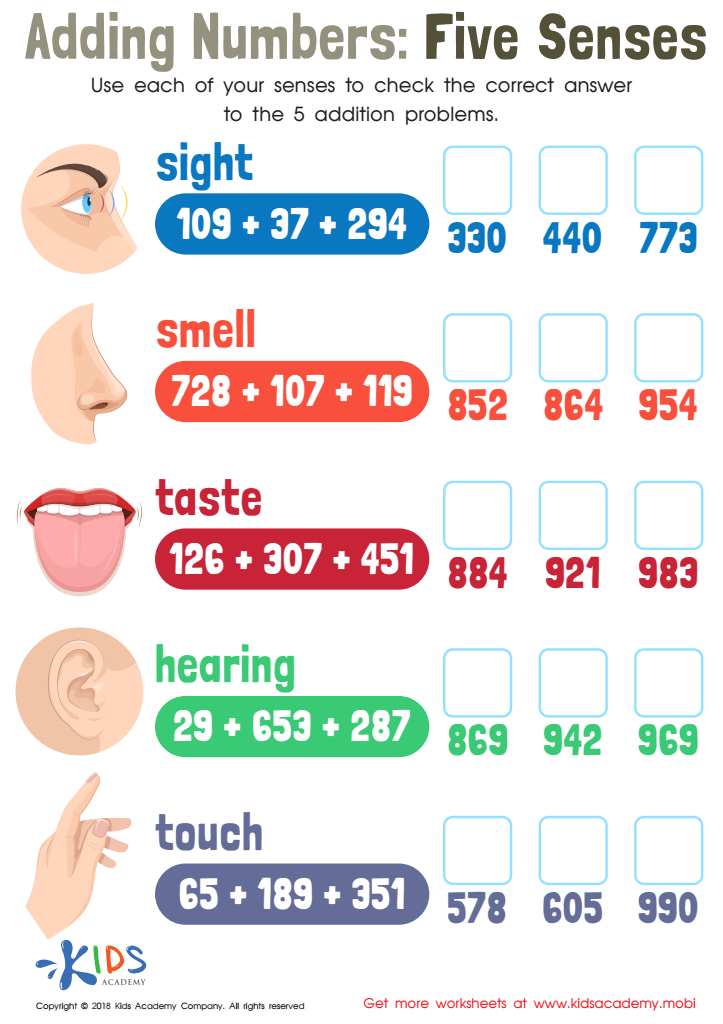
Adding Numbers: Five Senses Worksheet



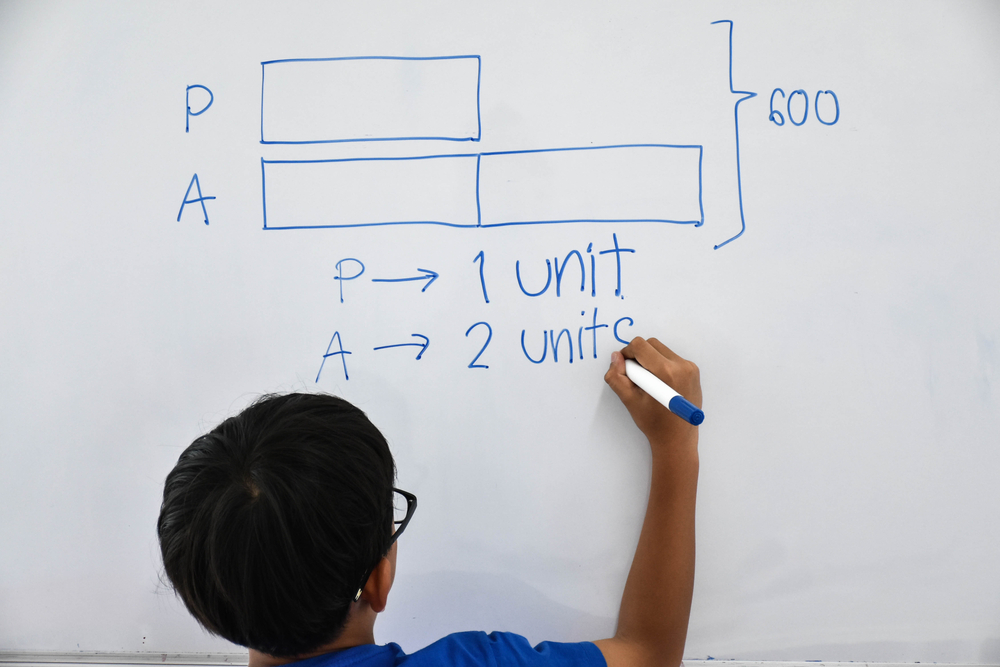




Associative learning in mathematics is crucial for children aged 7-8 as it helps them develop essential cognitive skills, laying the foundation for future academic success. At this age, children are moving beyond basic arithmetic and beginning to understand concepts such as patterns, relationships, and problem-solving strategies. Associative learning encourages them to recognize connections between numbers, which fosters a deeper understanding of mathematical principles.
Parents and teachers should care about this type of learning because it enhances critical thinking and promotes flexible problem-solving skills. By associating new information with existing knowledge, children can better grasp complex concepts, making mathematics less intimidating and more accessible.
Moreover, fostering associative learning encourages persistence and resilience, key traits in both academic pursuits and everyday challenges. As students learn to see how different mathematical ideas relate to one another, they gain confidence in their abilities, which leads to a positive attitude towards math.
Ultimately, prioritizing associative learning in the early years creates a strong mathematical foundation, promoting lifelong learning and enthusiasm for the subject. By engaging children in activities that build these connections, we empower them not just in math, but in their overall approach to learning and problem-solving throughout their educational journey and beyond.








