Basic Math understanding Math Worksheets for Ages 7-8
3 filtered results
-
From - To
Discover our engaging Basic Math Understanding Worksheets designed specifically for children aged 7-8! These worksheets aim to strengthen essential math skills such as addition, subtraction, basic multiplication, and division. Each activity is crafted to promote understanding through fun and interactive learning, making it easier for young learners to grasp mathematical concepts. Perfect for reinforcing classroom lessons or as supplementary practice at home, these worksheets cater to various learning styles and are adaptable for different proficiency levels. Help your child build a strong mathematical foundation with our vibrant and educational resources, ensuring they are well-equipped for future challenges in math!
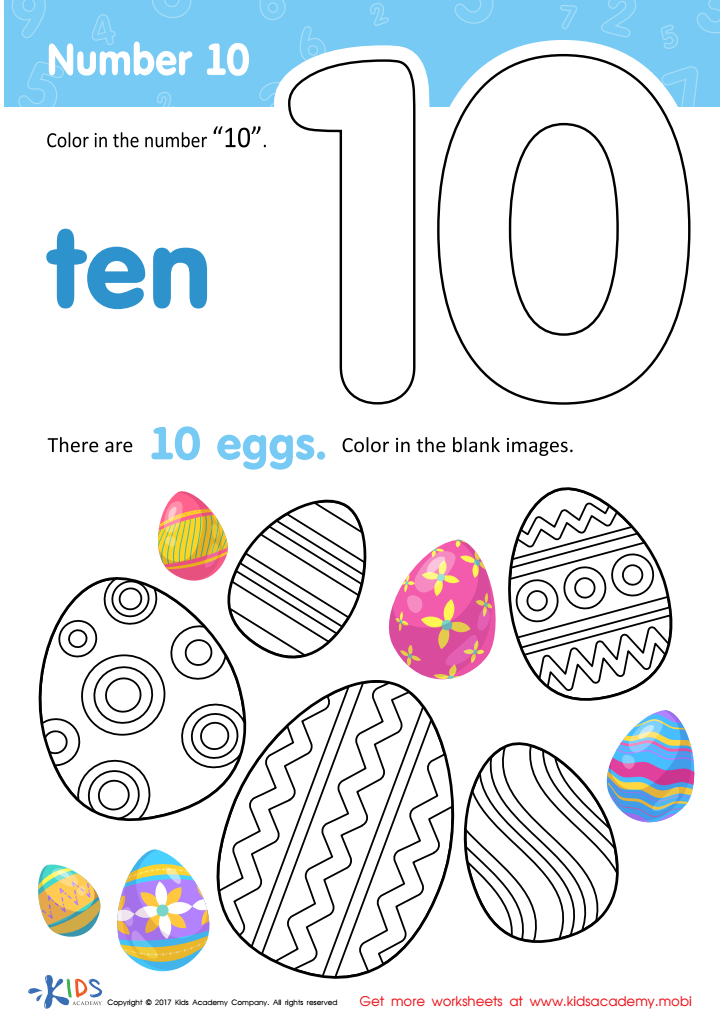
Number 10 Printable
 Assign to My Students
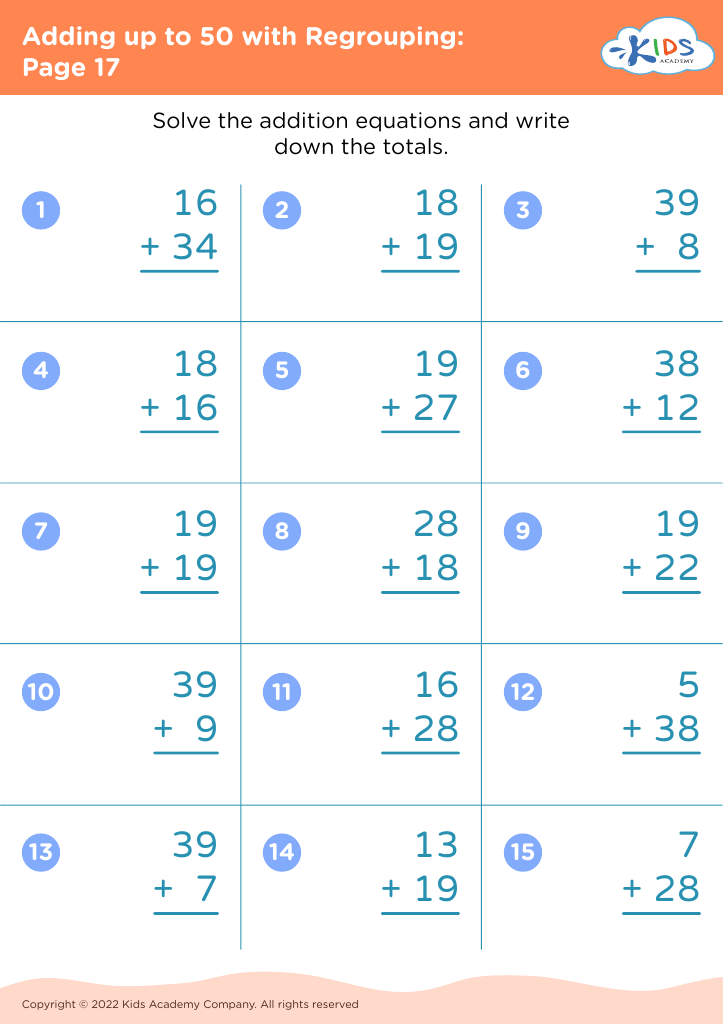
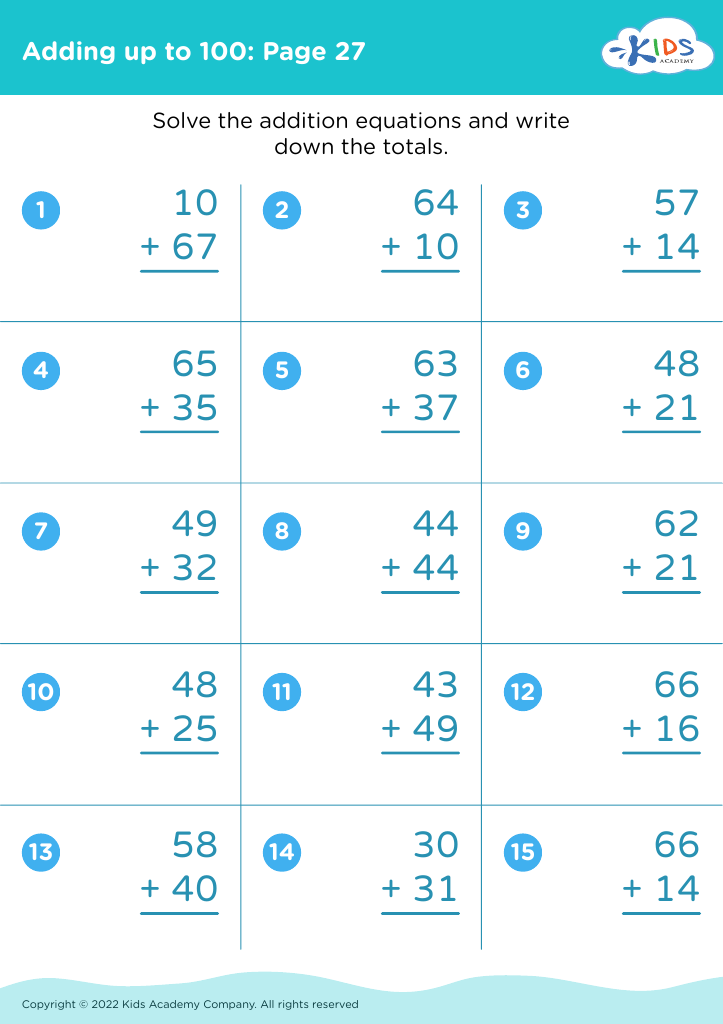








Parents and teachers should prioritize basic math understanding for children ages 7-8 because this foundational knowledge serves as a building block for future learning. At this stage, children are developing critical thinking and problem-solving skills, and math plays a fundamental role in this process. Mastering concepts such as addition, subtraction, basic multiplication, and the understanding of fractions sets up a framework that will support advanced topics later in their education.
Additionally, strong math skills bolster a child’s confidence and foster a positive attitude toward learning. Being proficient in basic math helps children navigate everyday situations, from managing money to measuring ingredients in cooking, thus enhancing their real-world problem-solving abilities. Moreover, early engagement with math can challenge stereotypes regarding who can excel in mathematics, promoting a growth mindset among all learners.
Furthermore, as technology increasingly permeates all aspects of life, a solid math foundation is vital for adapting to various career paths in the future. Encouraging students to appreciate math in a fun, engaging manner will result in lifelong learners who value analytical thinking and reasoning, paving the way for success both academically and personally. Therefore, nurturing basic math understanding in this age group is essential for overall development.








