Identifying Animals Math Worksheets for Ages 7-8
3 filtered results
-
From - To
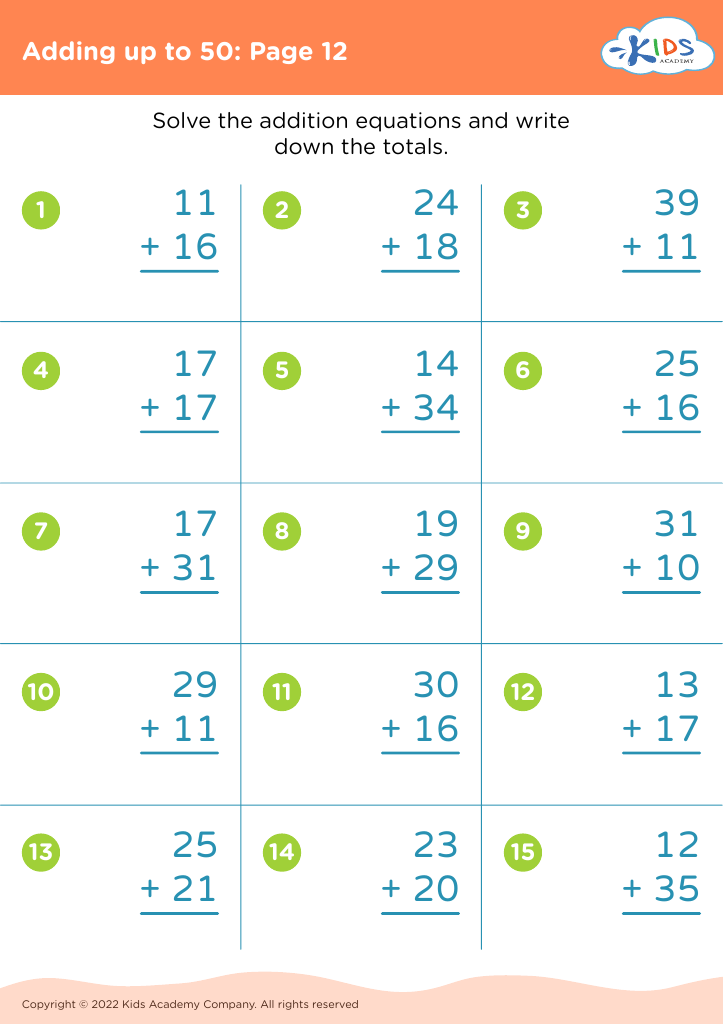
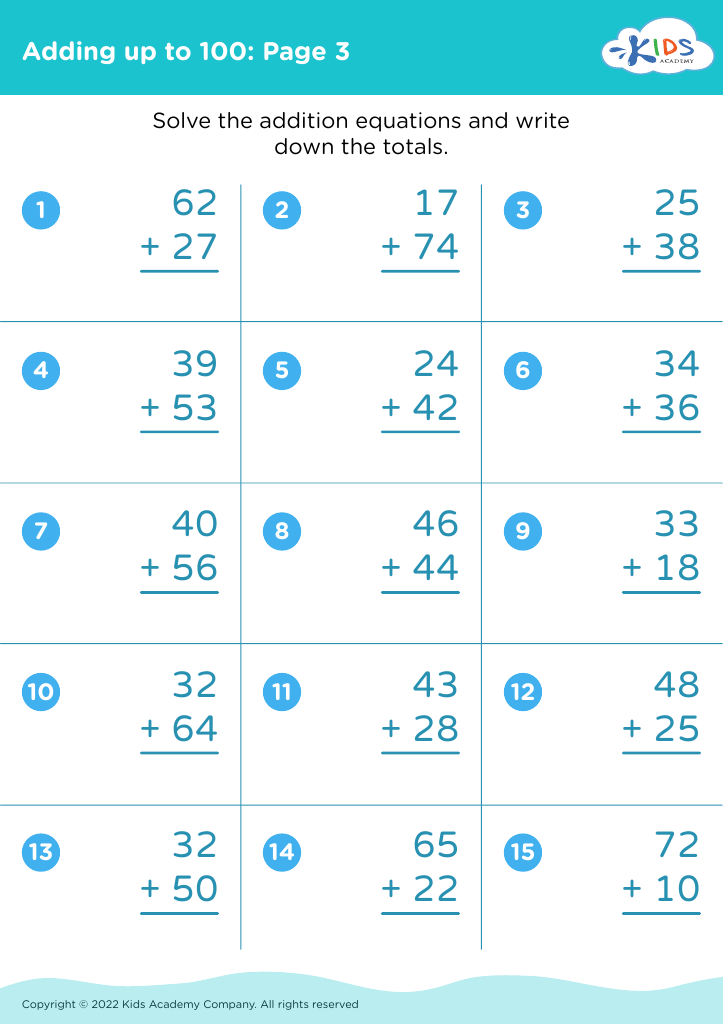
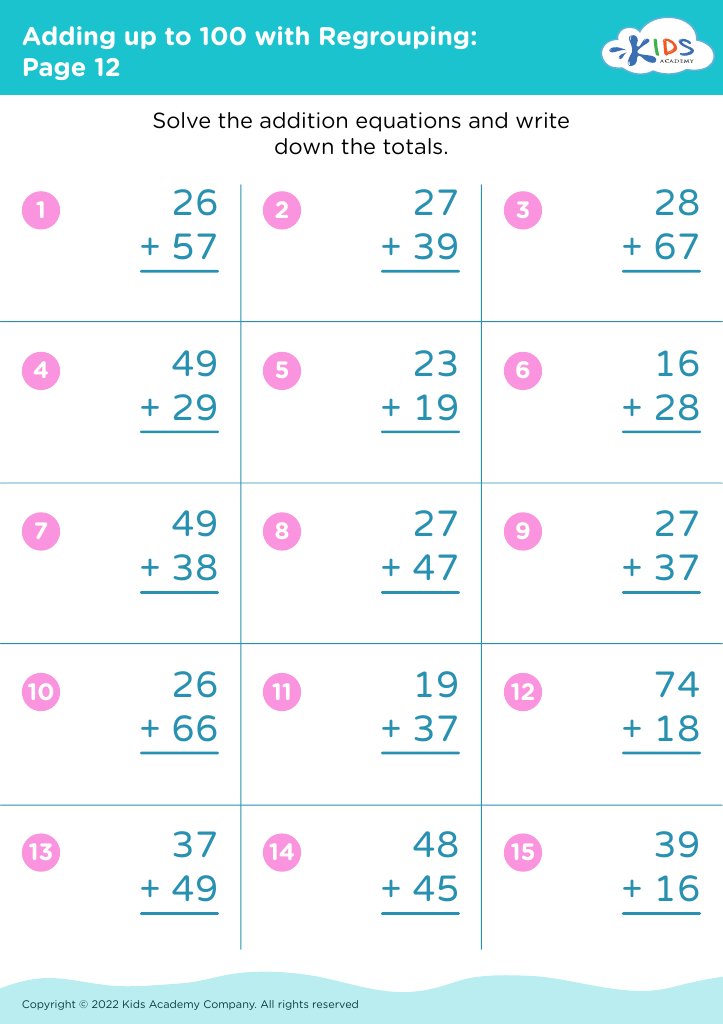
Discover our engaging "Identifying Animals Math Worksheets" designed for ages 7-8. These worksheets combine the excitement of animal recognition with fundamental math skills to create a fun and educational experience. Children enhance their counting, sorting, and pattern identification abilities, all while learning about different animals. Each worksheet features colorful illustrations and age-appropriate challenges to stimulate young minds. Perfect for classroom use or at-home learning, these printables help your child build confidence in math while developing a love for wildlife. Boost learning today with our unique and interactive math worksheets on Kids Academy!




.jpg)


Identifying animals through math activities is a fantastic way to engage young learners aged 7-8 and tap into their natural curiosity about the world. At this age, children are highly inquisitive and open to exploring various topics, making it the perfect time to introduce interdisciplinary learning. Combining animal identification with math helps to build crucial skills across different subject areas simultaneously.
Firstly, linking math with animal characteristics, like size, weight, and number of legs, helps solidify basic arithmetic concepts such as addition, subtraction, multiplication, and division in a relatable context. Kids can practice measuring animals’ lengths, comparing their weights, and grouping or categorizing them by specific attributes, making abstract math concepts more tangible and understandable.
Secondly, the engaging and hands-on nature of such activities fosters critical thinking and problem-solving skills. For example, creating graphs to compare the heights of different animals or calculating the average weight of a group requires children to apply their math knowledge actively.
Additionally, this interdisciplinary approach can improve attention and retention. When children are excited about animals, they are more likely to stay focused and absorb the mathematical concepts being taught.
Aligning math lessons with children’s interests in animals also generates enthusiasm for learning, helping develop a lifelong love for science and mathematics in a fun, relatable way. Thus, educators and parents should definitely consider these dual-benefit activities.








