Welcome to our "Improving Number Sense Math Worksheets" for ages 7-8! Designed to enhance foundational math skills, these engaging worksheets help young learners develop a strong understanding of numbers and their relationships. Through a variety of fun activities, students will practice counting, comparing, and working with addition and subtraction. Each worksheet aims to build confidence and problem-solving skills, making math enjoyable and accessible. Perfect for both in-class and at-home learning, our resources are crafted to support educators and parents in nurturing a love for mathematics. Empower your child to excel in math and reinforce their number sense today!

Check out this FREE Trial Lesson on Math for age 7-8!

Comparing Numbers Word Problems

Favorites
With answer key
Interactive
  • 7-8
  • Improving number sense
  • Math
Worm Math Rounding Down to the Nearest Ten Worksheet

Worm Math Rounding Down to the Nearest Ten Worksheet

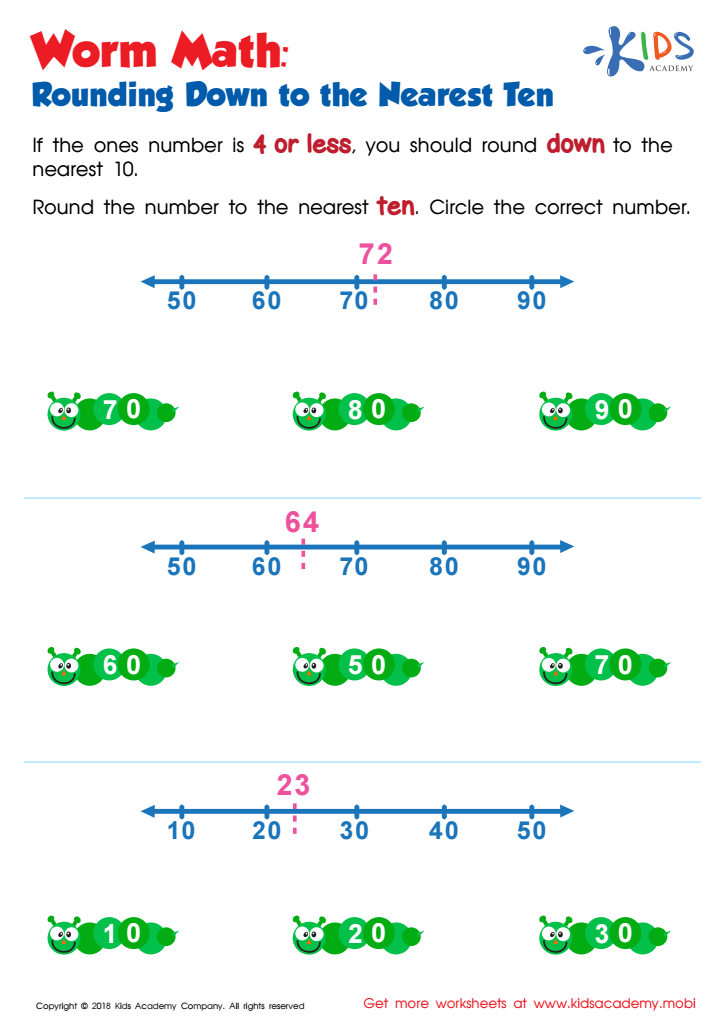
Look at the full of smiles worms carrying two-digit numbers. Is the number in the ones spot 4 or less? Round down to the nearest ten! Help kids learn the tricky concept of rounding with this math worksheet. Perfect for clearing up confusion and practicing rounding down to the nearest ten!
Worm Math Rounding Down to the Nearest Ten Worksheet
Worksheet
Repeated Addition = Multiplication Worksheet

Repeated Addition = Multiplication Worksheet

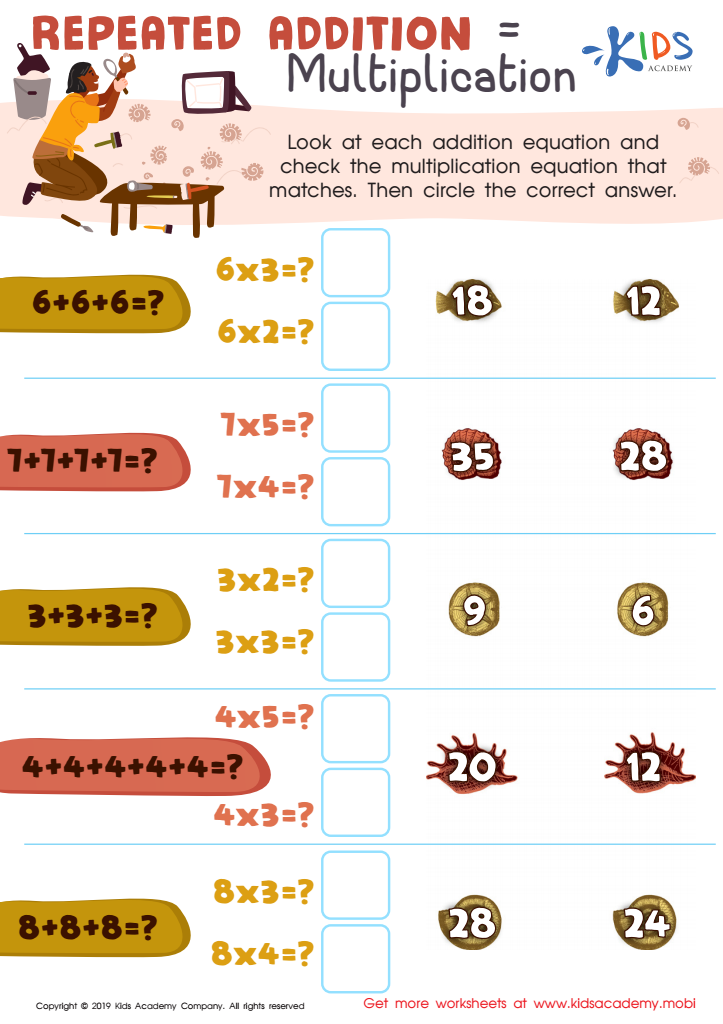
If your child is having trouble with math, worksheets like this can help them get more practice. Addition, subtraction, and multiplication go together. Look over each addition equation and pick the matching multiplication equation, then circle the correct answer. This can give your child the necessary practice to understand mathematics better.
Repeated Addition = Multiplication Worksheet
Worksheet
Multiplying 10’s at The Alamo Worksheet
Multiplying 10’s at The Alamo Worksheet

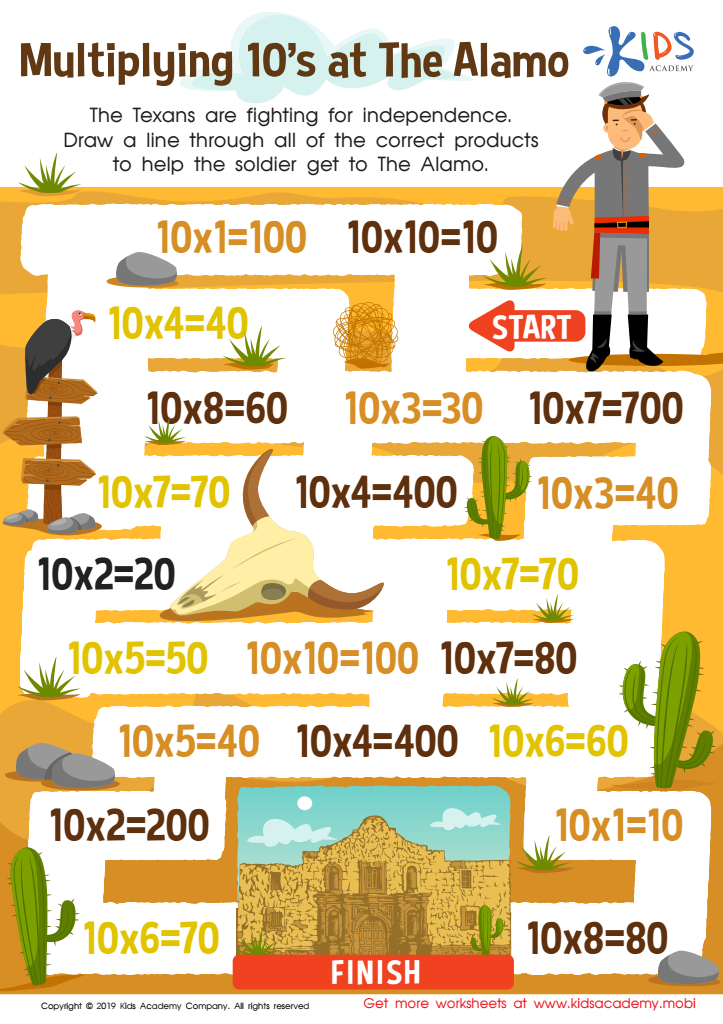
Teach your kids easy tricks to simplify any multiplication problem. For example, when multiplying any number by 10, the result will always end in a zero. To help the Texans in this worksheet, draw a line through all of the correct products to get them to The Alamo.
Multiplying 10’s at The Alamo Worksheet
Worksheet
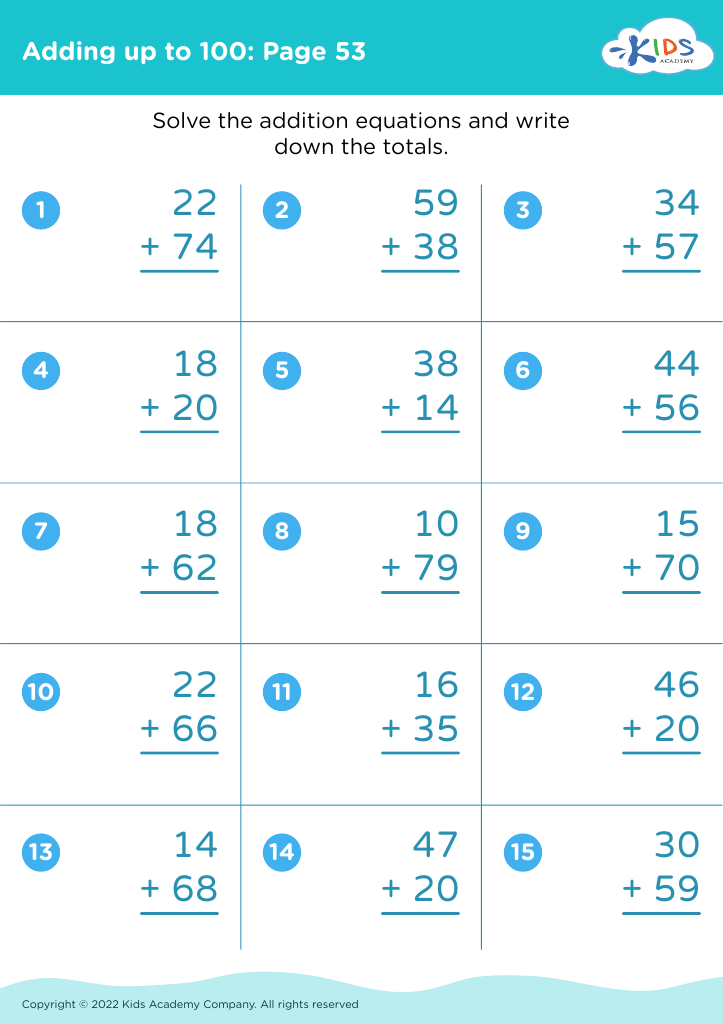
Adding up to 100: Page 53

Adding up to 100: Page 53

Adding up to 100: Page 53
Worksheet
Apple Math Worksheet

Apple Math Worksheet

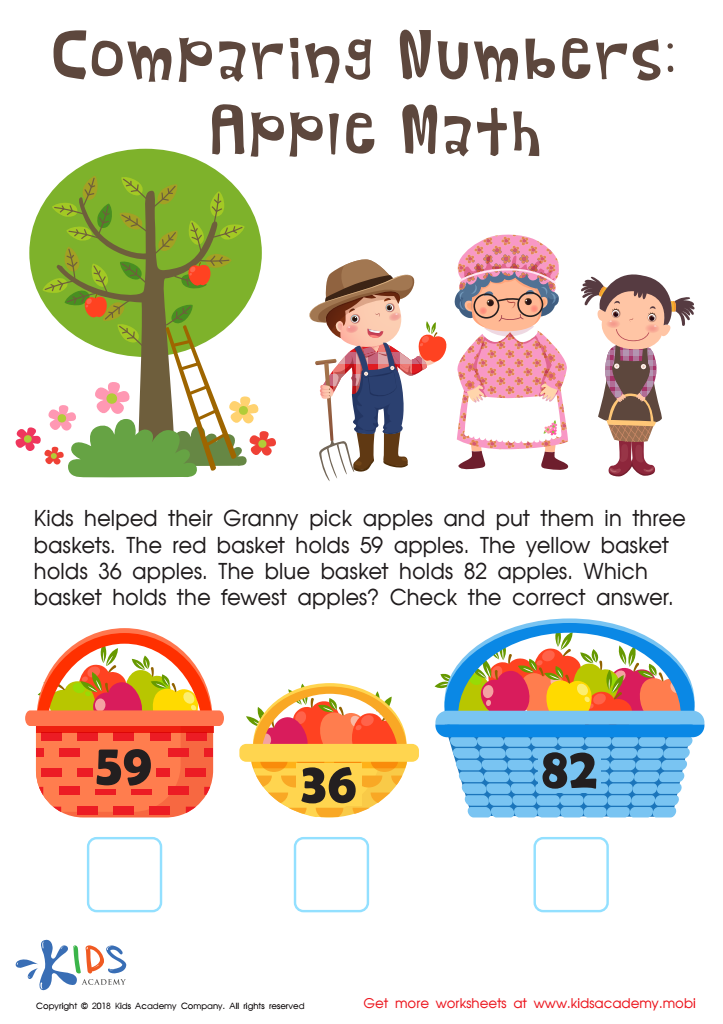
Math is more than just counting, adding, subtracting, multiplying, and dividing. Your child may be feeling overwhelmed by all the complexities, like comparing numbers and their differences. But with this worksheet, you can make comparing numbers fun again!
Apple Math Worksheet
Worksheet
Part, Part, Whole Worksheet

Part, Part, Whole Worksheet

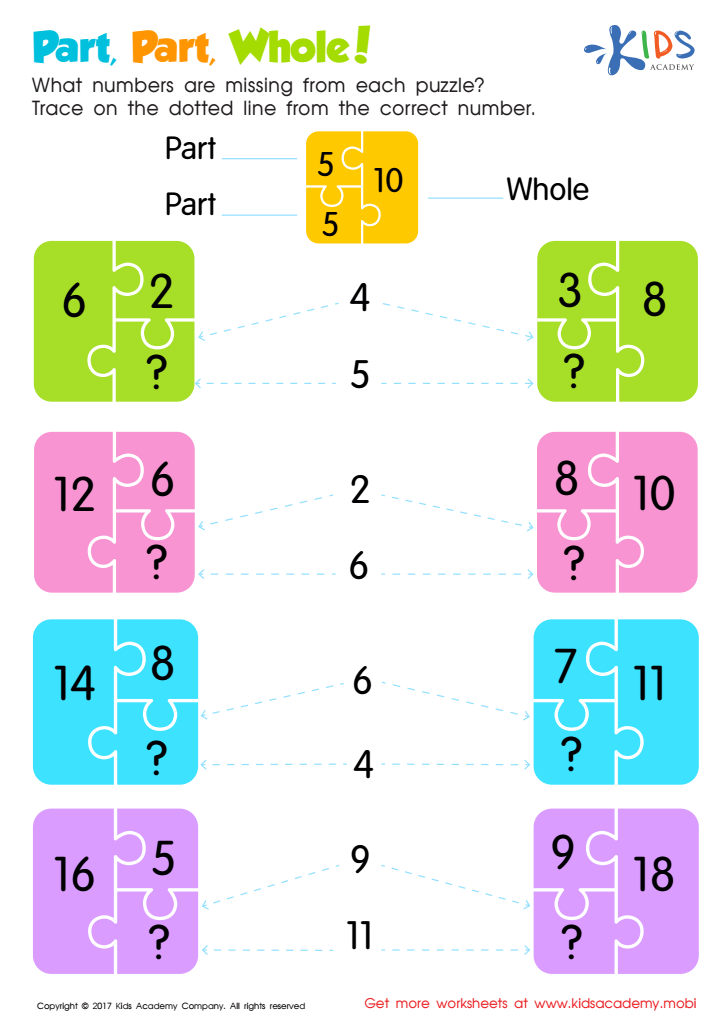
Help your child find the missing numbers in the puzzles. The worksheet combines fun and maths - stimulating the brain while keeping them engaged. Colourful pages will keep the learning enjoyable. Simple addition and subtraction will ensure they stay entertained.
Part, Part, Whole Worksheet
Worksheet
What Equation Is That? Worksheet

What Equation Is That? Worksheet

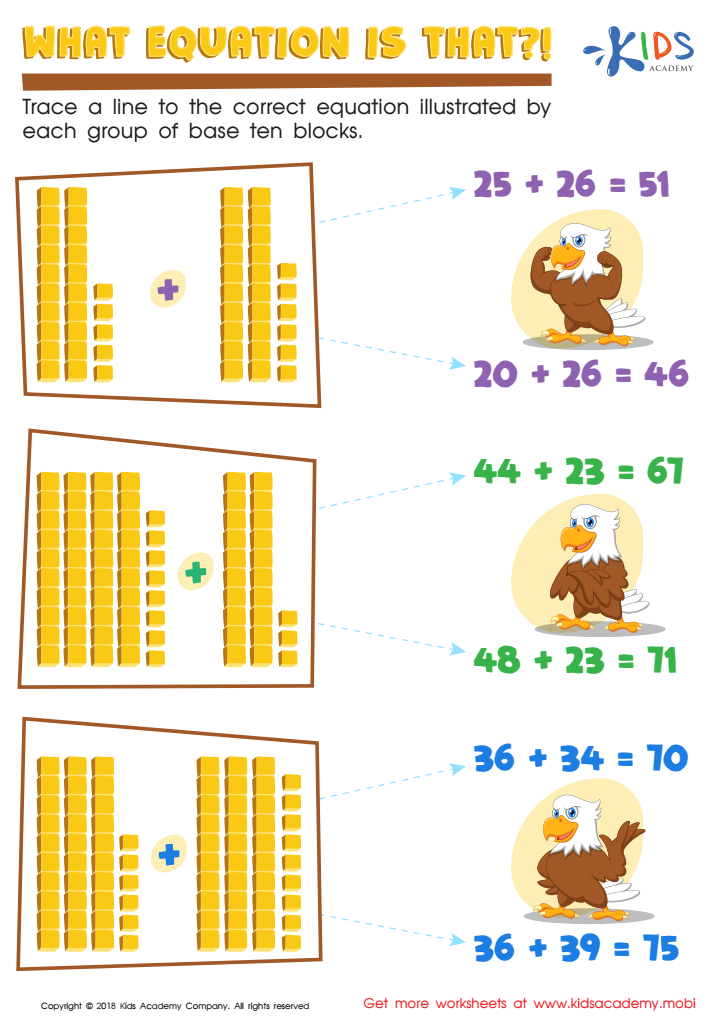
Have your students practice counting with base ten blocks. This will help them with math struggles. Homework and worksheets will help them improve; ask them to trace lines to the correct equation on a tracing sheet. Guide them as they count the blocks and trace the lines.
What Equation Is That? Worksheet
Worksheet
Bugs and Legs Fact Families Worksheet


Bugs and Legs Fact Families Worksheet

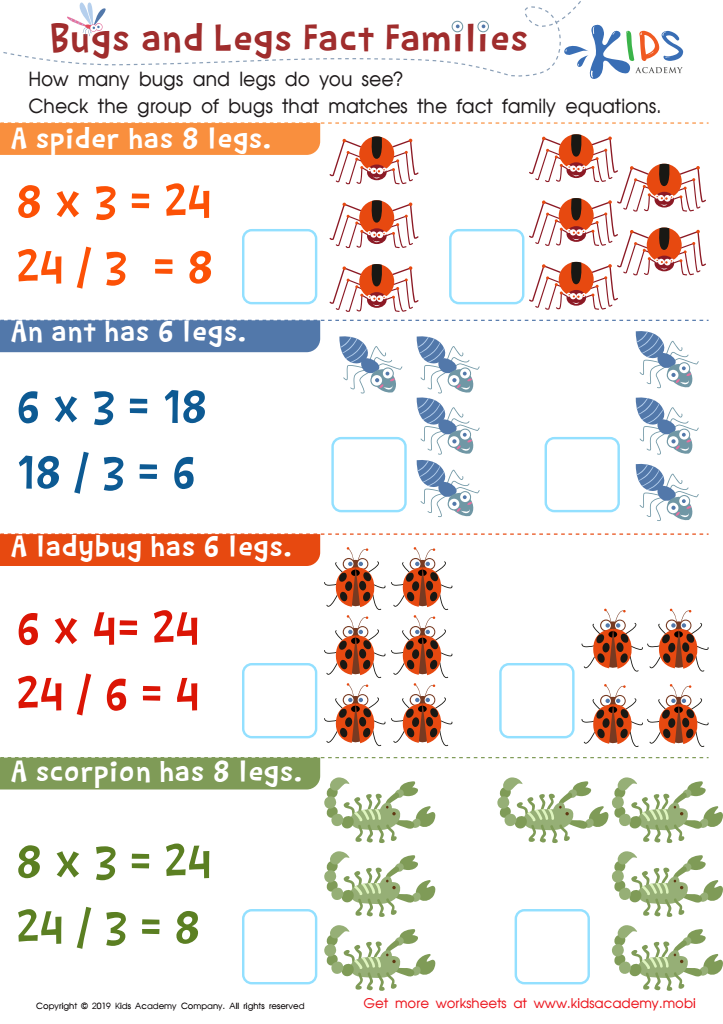
This free worksheet uses bugs and insects to help young math students learn about fact families and recognize patterns in multiplication and division. It's a fun and colorful way to gain automaticity and efficiency in computation skills, without even realizing it's math!
Bugs and Legs Fact Families Worksheet
Worksheet


Improving number sense in children aged 7-8 is crucial for their mathematical development and overall academic success. At this age, children are transitioning from concrete operations to a more abstract understanding of numbers. By fostering strong number sense, parents and teachers equip students with the ability to understand numerical relationships, make estimates, and perform mental calculations—essential skills for problem-solving.

Strong number sense lays the foundation for more advanced mathematical concepts, such as addition, subtraction, multiplication, and division. Children with well-developed number sense are often more confident in their math abilities, which can reduce math anxiety and promote a positive attitude toward learning. Furthermore, these skills enhance a child’s ability to apply math in real-world situations, such as budgeting allowance, measuring ingredients during cooking, or understanding time.

Investing in the improvement of number sense also supports critical thinking and reasoning skills, helping children learn to analyze problems and come up with effective solutions. This sets them up for future success, not only in mathematics but across disciplines. Parents and teachers should therefore prioritize number sense activities—such as games, hands-on learning, and discussions—to facilitate a deeper understanding and lifelong appreciation of math.