Understanding seasons Math Worksheets for Ages 7-8
4 filtered results
-
From - To
Explore our engaging "Understanding Seasons Math Worksheets" designed specifically for children aged 7-8! These worksheets offer a fun and interactive way for young learners to grasp essential math concepts while exploring the beauty of seasonal changes. Each activity fosters skills in counting, recognizing patterns, and solving problems related to the four seasons. Kids will enjoy colorful illustrations and relatable scenarios that connect math to the world around them. Perfect for classroom use or at-home learning, these worksheets help build a solid math foundation while sparking curiosity about nature. Start enhancing your child's math skills today with our exciting seasonal resources!
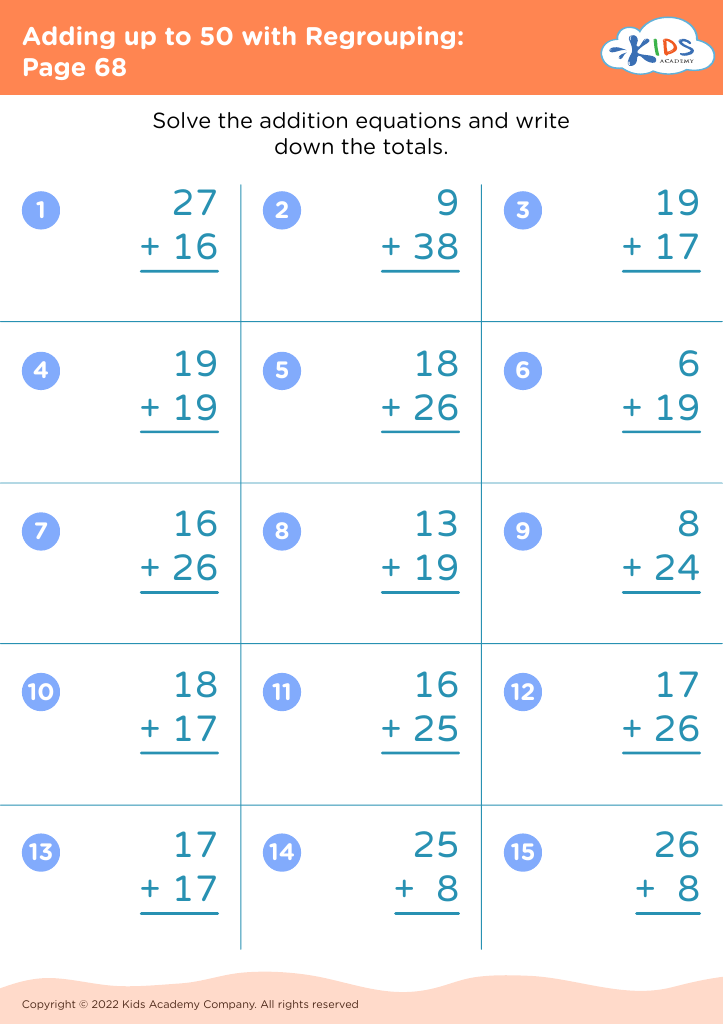
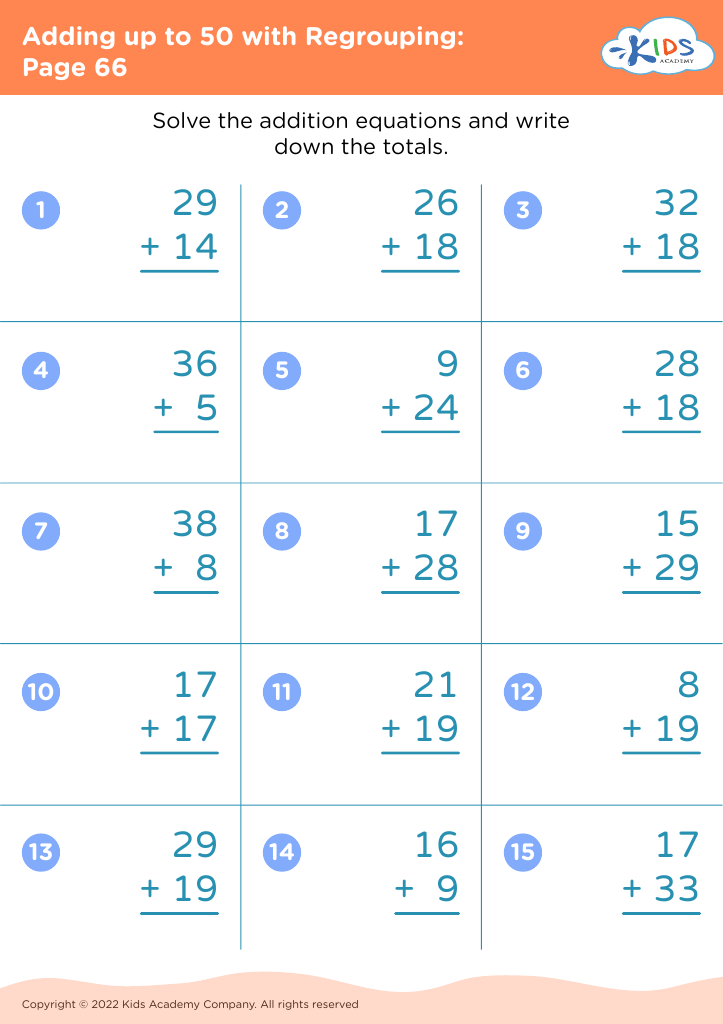
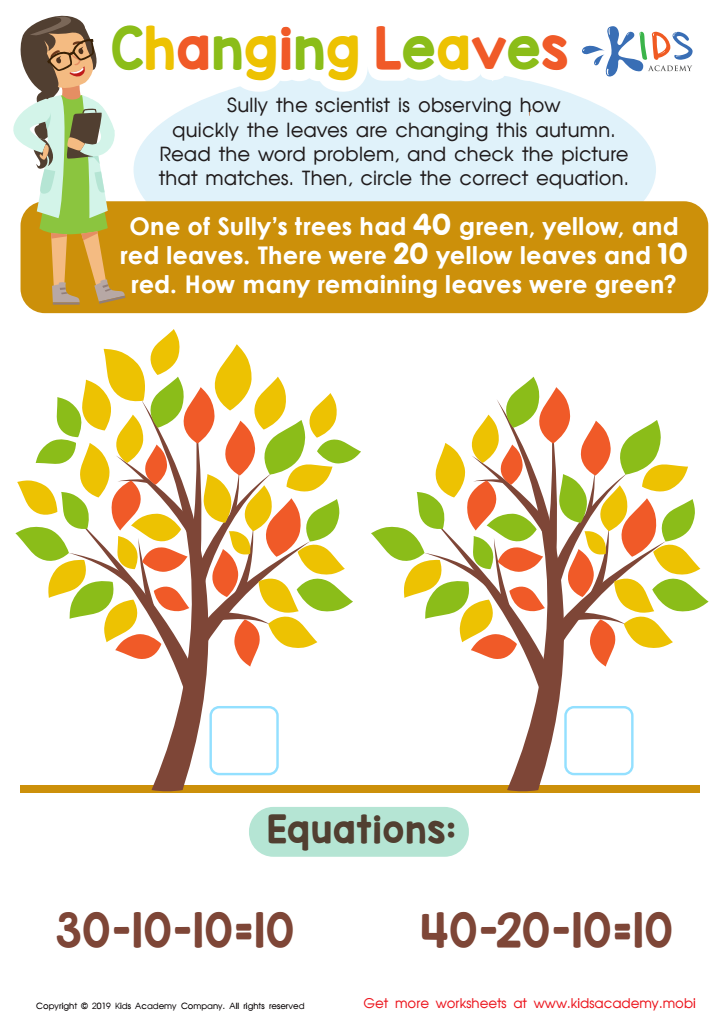
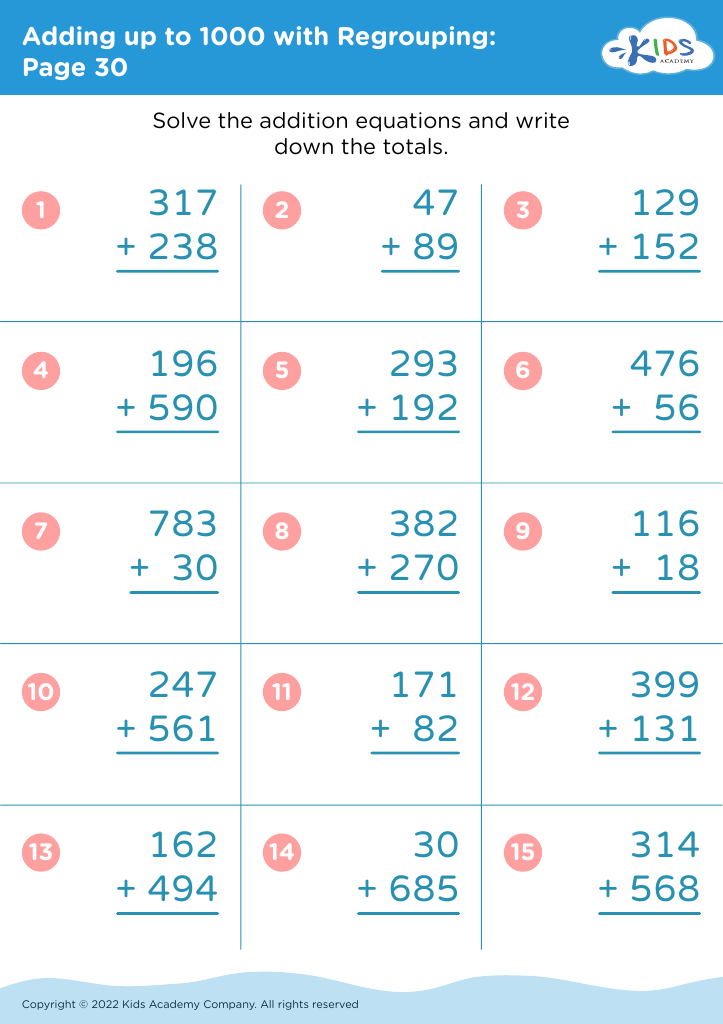
Changing Leaves Worksheet
 Assign to My Students






Understanding seasons math is crucial for children aged 7-8 for several reasons. Firstly, this subject integrates mathematical concepts with real-world experiences, enabling students to grasp both abstract arithmetic and practical application. By analyzing seasonal changes, children can learn to engage in data collection and graphing, which are vital analytical skills necessary for future education.
Additionally, understanding seasons and their associated patterns fosters critical thinking. For example, students can measure rainfall or temperature variations, allowing them to develop predictive models based on their findings. This enhances their ability to classify information and strengthens problem-solving skills.
Moreover, recognizing the natural world builds curiosity and promotes a sense of responsibility for the environment. By studying how seasons affect plant life, animal behavior, and even human activity, children develop a broader interdisciplinary understanding that connects math with science and social studies.
Finally, involving parents in this learning can strengthen the home-school connection, as families can engage in seasonal math activities together. By understanding seasonal math, children can cultivate a love for learning, ensuring they are well-equipped with essential life skills that extend beyond the classroom. Supporting this knowledge empowers them to become inquisitive and informed individuals.








