Vocabulary development Reading Non-Fiction Worksheets for Ages 7-8
5 filtered results
-
From - To
Boost your child's vocabulary with our Vocabulary Development Reading Non-Fiction Worksheets for ages 7-8. Specifically designed to engage young readers, these worksheets offer diverse exercises that introduce and reinforce complex words within the context of intriguing non-fiction topics. With each assignment, your child will delve into fascinating facts while naturally expanding their language skills. These printable resources also help develop reading comprehension, critical thinking, and retention. Ideal for both classroom and home learning, our worksheets make vocabulary acquisition enjoyable and effective. Give your 7-8 year old the tools to succeed with Kids Academy's expert-crafted learning materials.
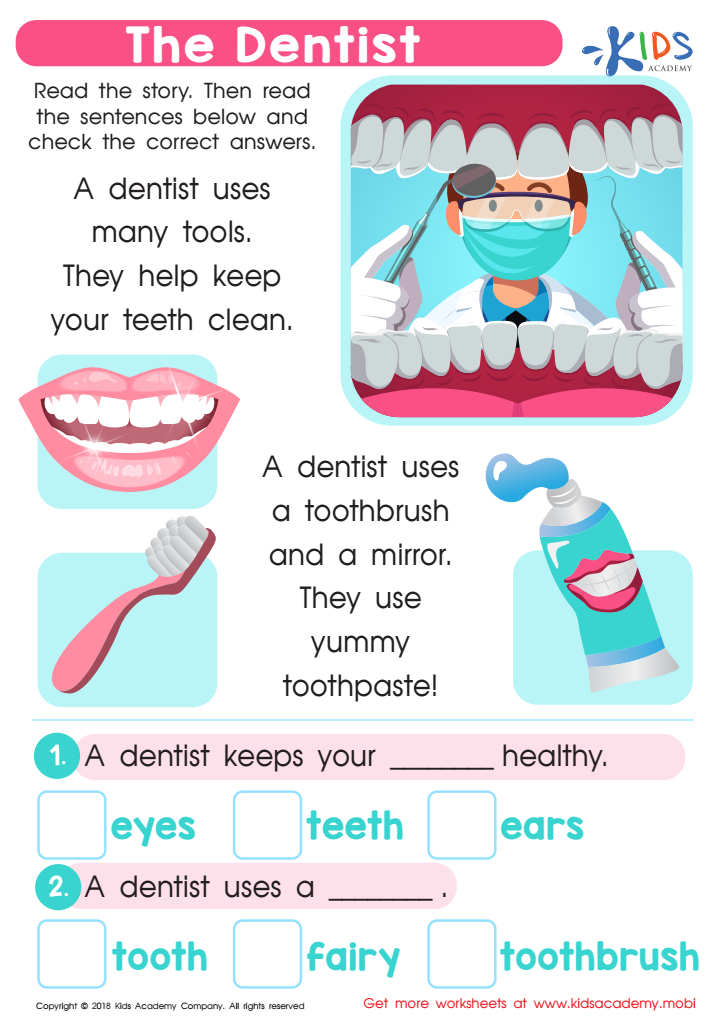
The Dentist Worksheet
 Assign to My Students
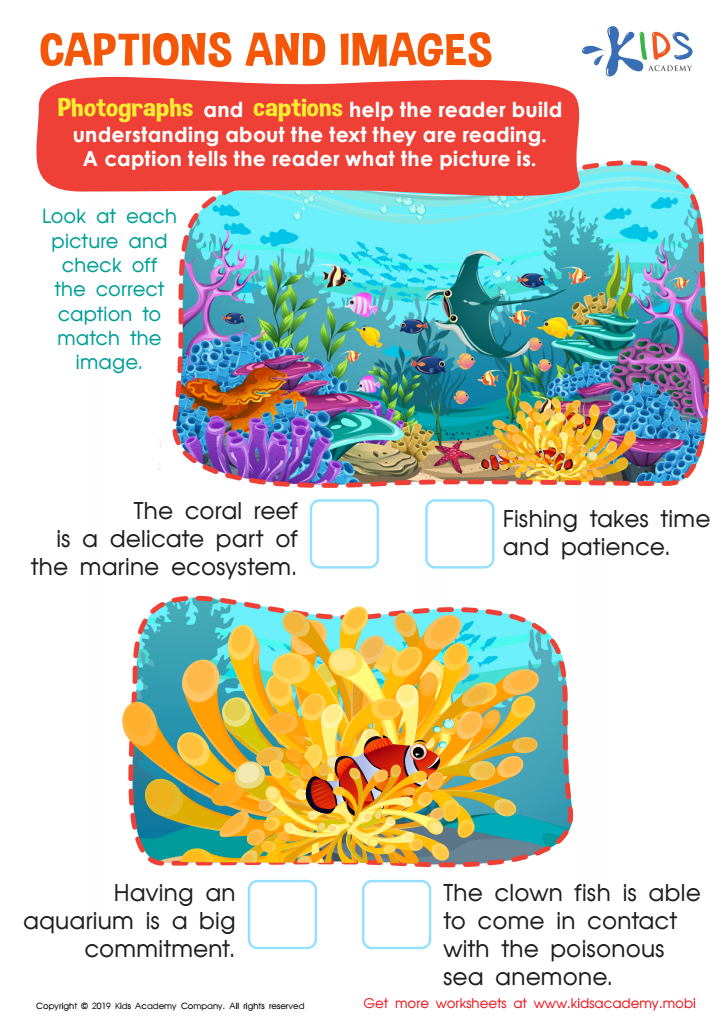
Captions and Images Worksheet
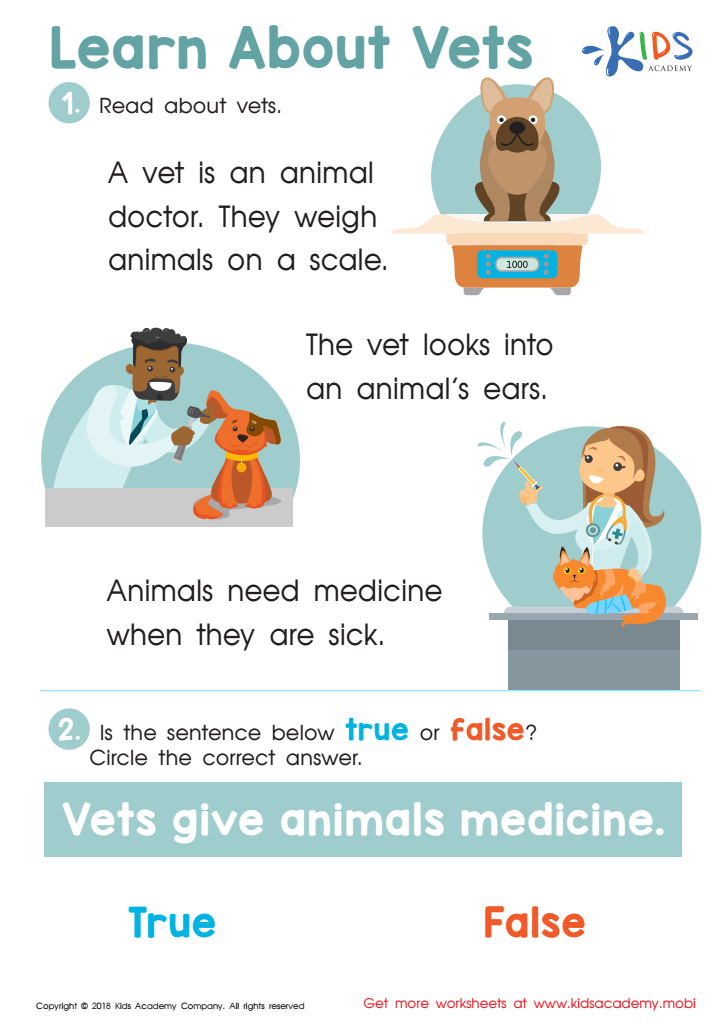
Learn About Vets Worksheet
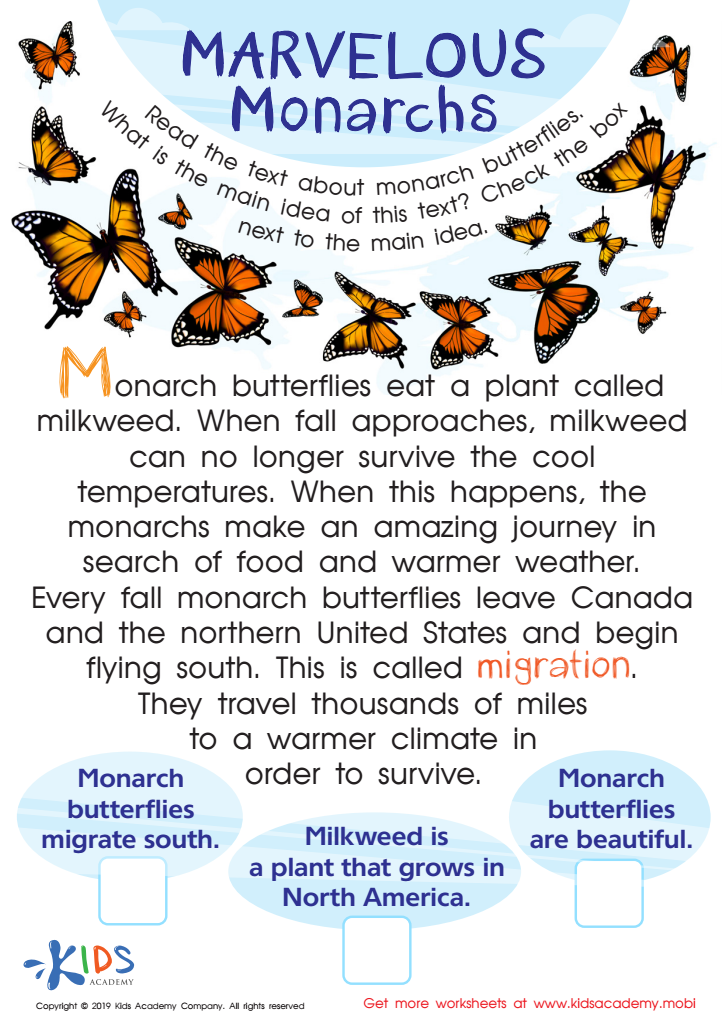
Marvelous Monarchs Worksheet
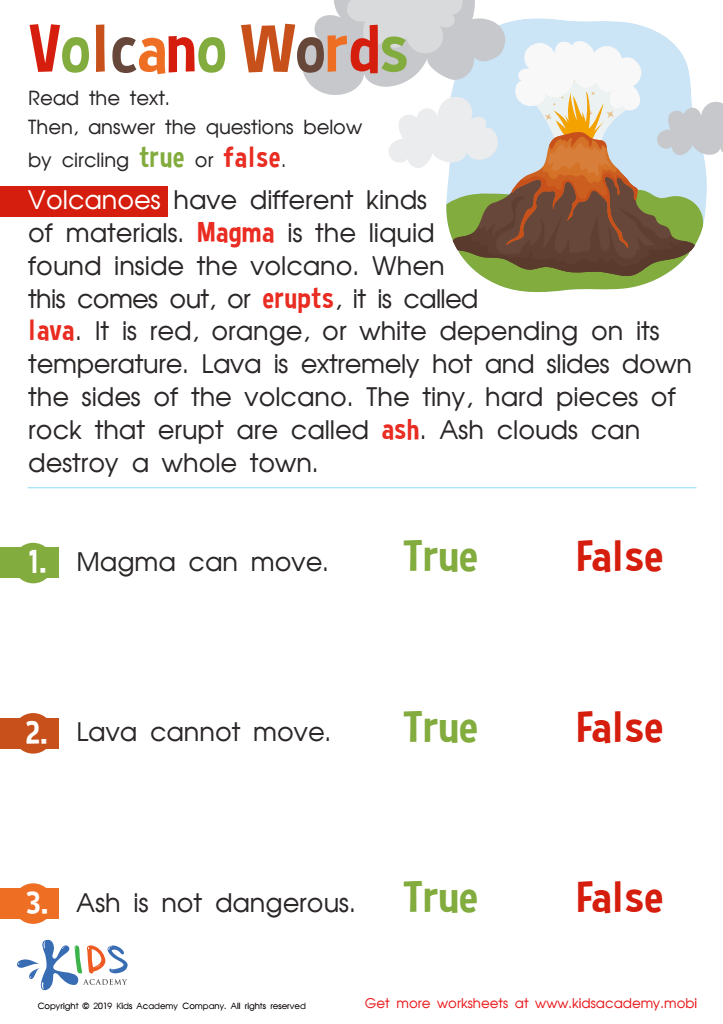
Volcano Words Worksheet








Caring about vocabulary development and reading non-fiction for children ages 7-8 is crucial for various reasons. At this developmental stage, children are rapidly expanding their language skills and understanding of the world. Introducing non-fiction helps them encounter a wider range of words and ideas beyond their everyday experiences. This enhanced vocabulary is foundational for effective communication, reading comprehension, and academic success.
Non-fiction texts expose children to different text structures and factual information, enriching their general knowledge and curiosity about subjects like science, history, and the arts. This exposure helps to build a strong background knowledge, making it easier for them to grasp new concepts and critically think about the information they encounter later.
Moreover, developing a robust vocabulary through non-fiction supports cognitive development by improving memory and the ability to categorize and link pieces of information meaningfully. Early familiarity with varied vocabulary and text types fosters positive reading habits, promoting lifelong learning.
For parents and teachers, encouraging non-fiction reading and vocabulary development means providing children with the essential tools needed to understand and engage with the world more deeply. This investment will yield benefits across all areas of their education, helping them to become confident, curious, and capable learners.








