Vocabulary Building Sight Words Worksheets for Ages 7-8
5 filtered results
-
From - To
Our engaging Vocabulary Building Sight Words Worksheets for ages 7-8 are designed to enhance reading proficiency in young learners. These printable activities incorporate age-appropriate vocabulary, helping children master essential sight words and boost their reading fluency. Developed by educators, our worksheets foster language development through fun and interactive exercises. Each worksheet is aimed at reinforcing word recognition and understanding, laying a robust foundation for advanced reading skills. Ideal for classroom use and at-home practice, these worksheets will elevate your child’s vocabulary and confidence in reading. Unlock your child's potential with our expertly crafted resources.
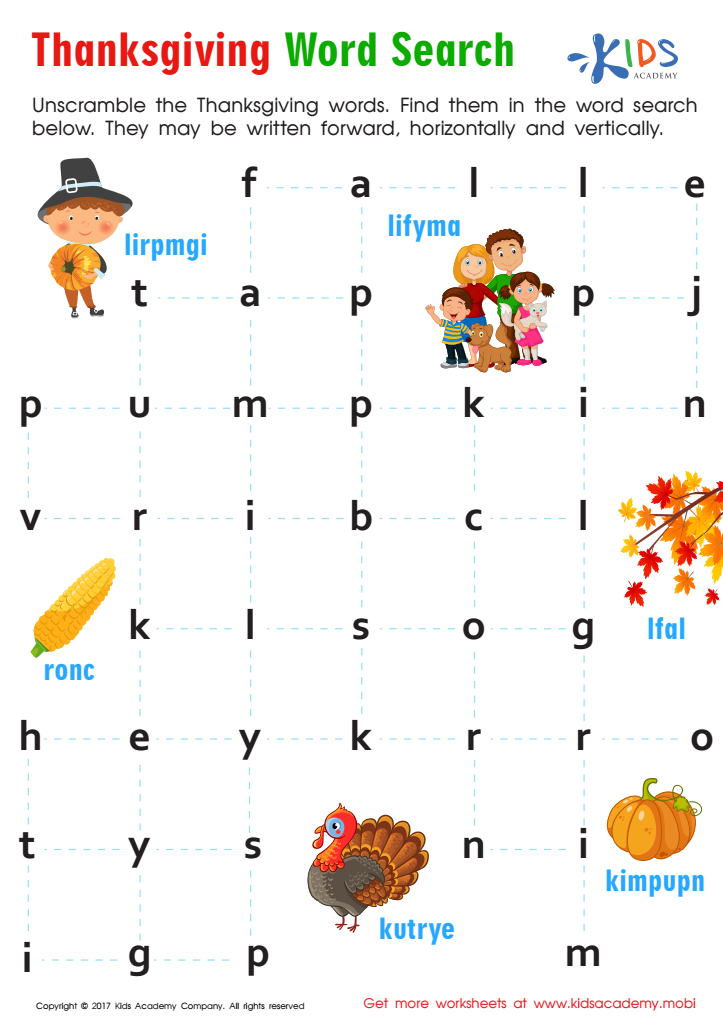
Thanksgiving Word Search Sight Words Worksheet
 Assign to My Students
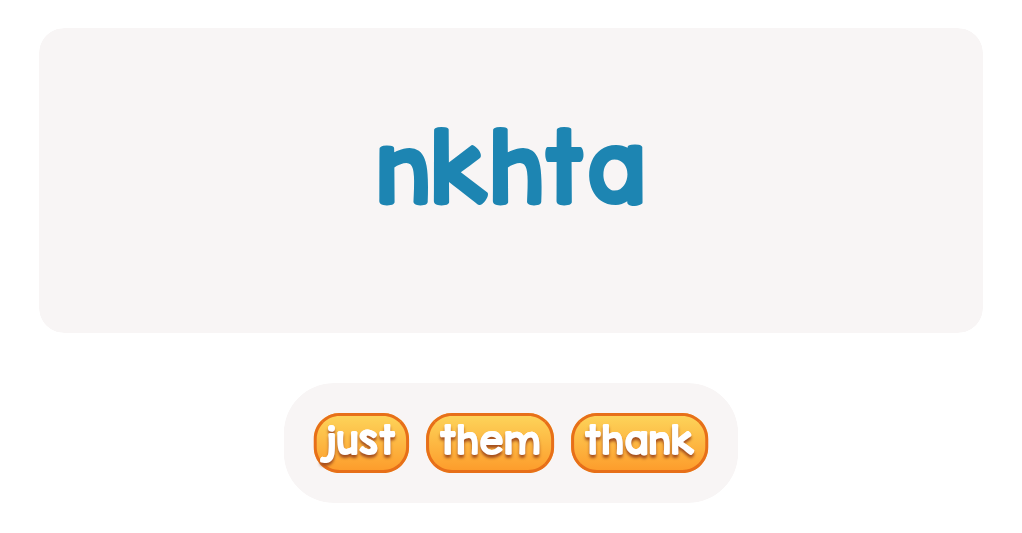







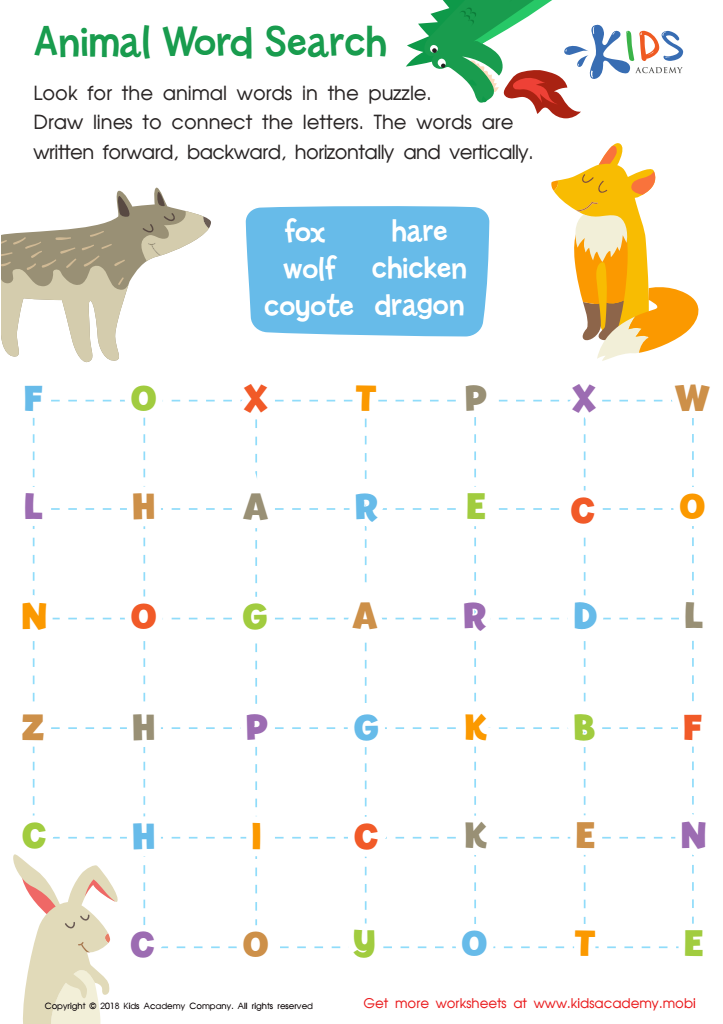
Animal Word Search Worksheet








At ages 7-8, vocabulary building and sight words are critical components of reading development and overall literacy. Sight words are frequently used words that children are encouraged to recognize without having to sound them out. Mastery of these words contributes significantly to reading fluency, which, in turn, enhances comprehension. When children can easily recognize common words, their cognitive resources are freed up to focus on understanding the text rather than decoding each word.
Moreover, having a robust vocabulary helps children express themselves more clearly and effectively. It enriches their writing, bolsters their speaking skills, and increases their ability to understand more complex texts. These skills are foundational for academic success across subjects, not just in reading and language arts.
Parents and teachers play a pivotal role in this developmental stage by providing rich language experiences and opportunities for frequent, repeated exposure to sight words and new vocabulary. Engaging activities such as reading together, playing word games, and incorporating vocabulary exercises into daily routines can make the learning process enjoyable and effective.
Investing time in vocabulary building and sight words at this stage fosters a love for reading, boosts confidence, and sets the stage for lifelong learning. Therefore, parents and teachers should be deeply invested in helping children develop these essential skills.