Spelling practice Two Letter Phonics Worksheets for 7-Year-Olds
7 filtered results
-
From - To
Enhance your child's spelling skills with our engaging Two Letter Phonics Worksheets designed specifically for 7-year-olds. These printable resources combine learning and fun, allowing young learners to practice essential phonics concepts. Each worksheet features interactive exercises that help children recognize letter combinations, decode words, and improve their vocabulary in an enjoyable way. Ideal for homeschooling or classroom use, our worksheets support hands-on learning and cater to different skill levels. Encourage your child's literacy development as they work through these creative spelling activities, boosting their confidence and competence in reading and writing. Start their phonics journey today!
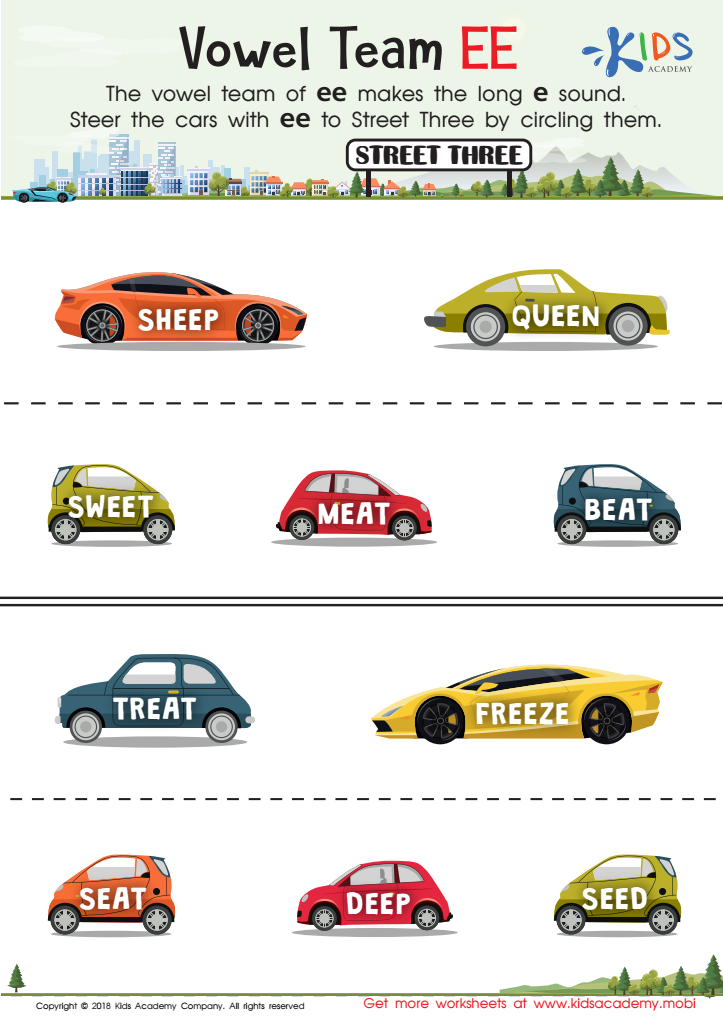
Vowel team ee Worksheet
 Assign to My Students
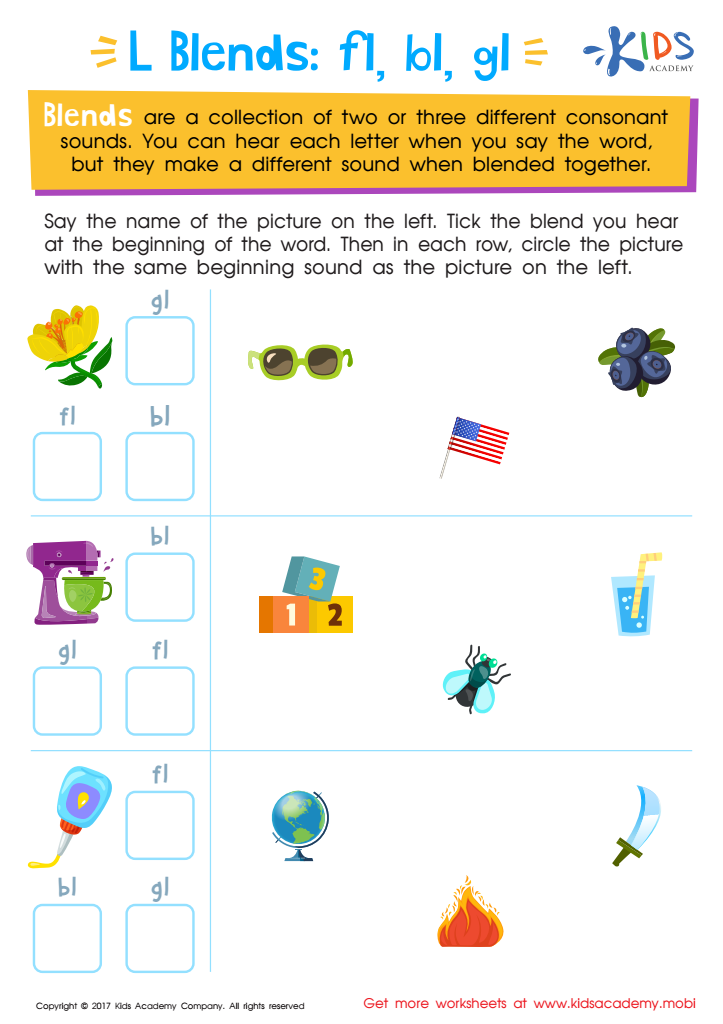
Blending Consonants: "Fl", "Bl" and "Gl" Printable
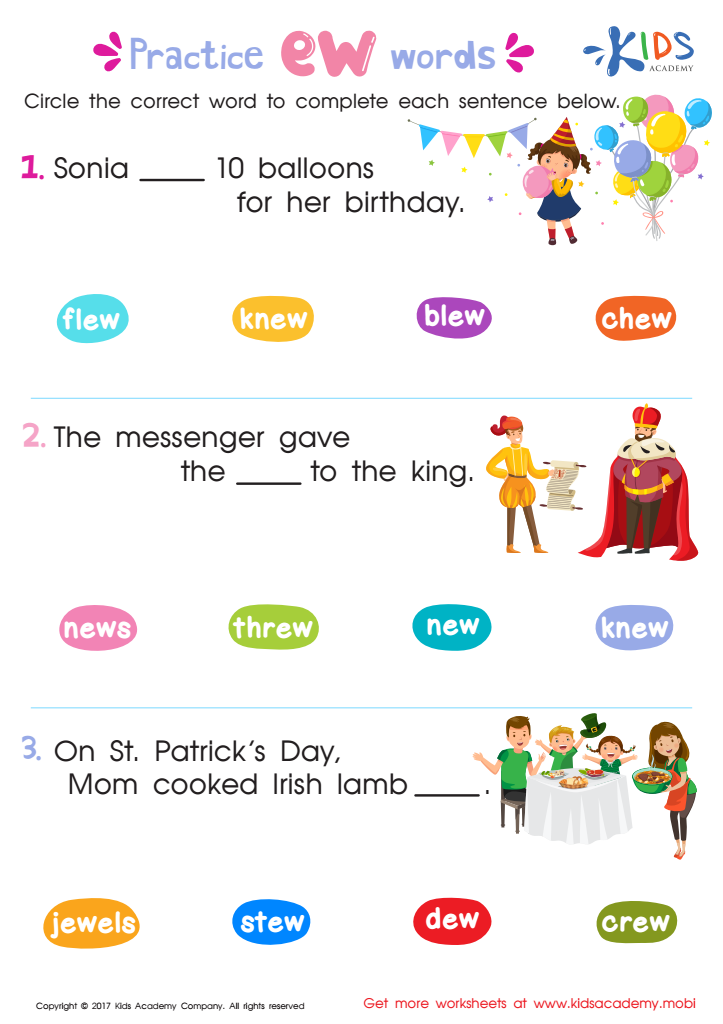
EW Words Worksheet
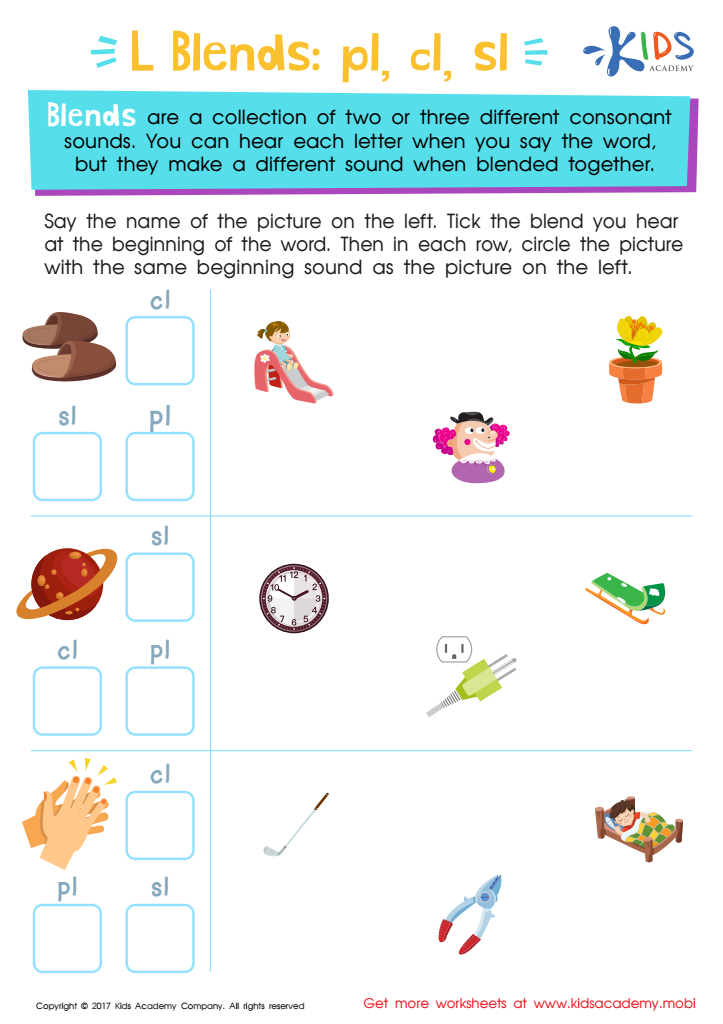
L Blends: "Pl", "Cl" and "Sl" Printable
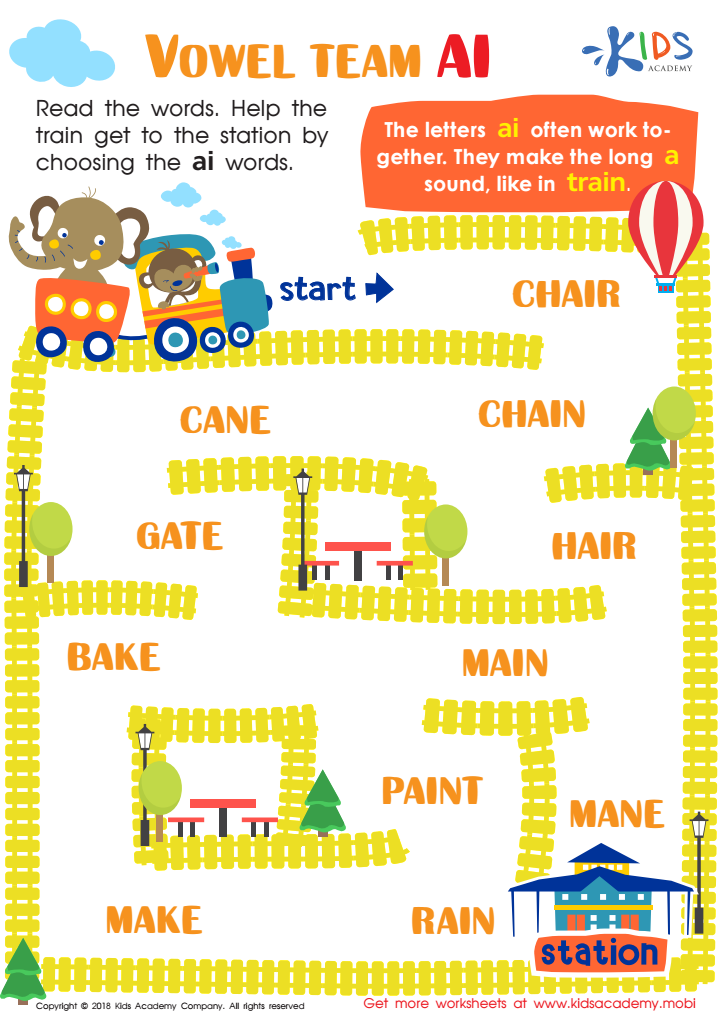
Vowel team ai Worksheet
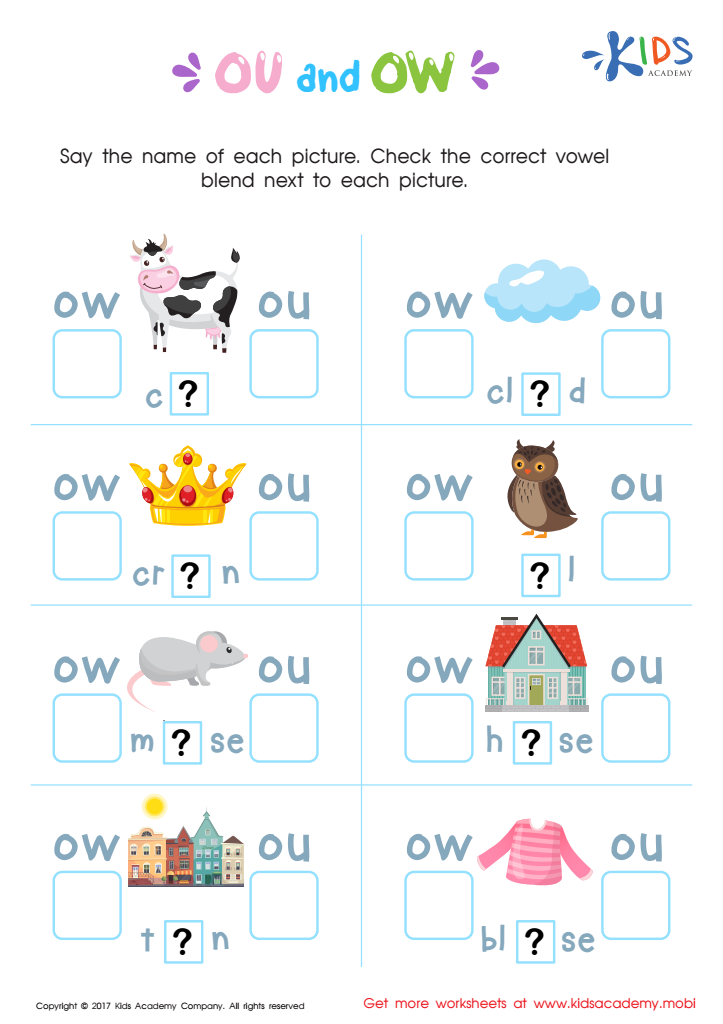
OU and OW Words Worksheet
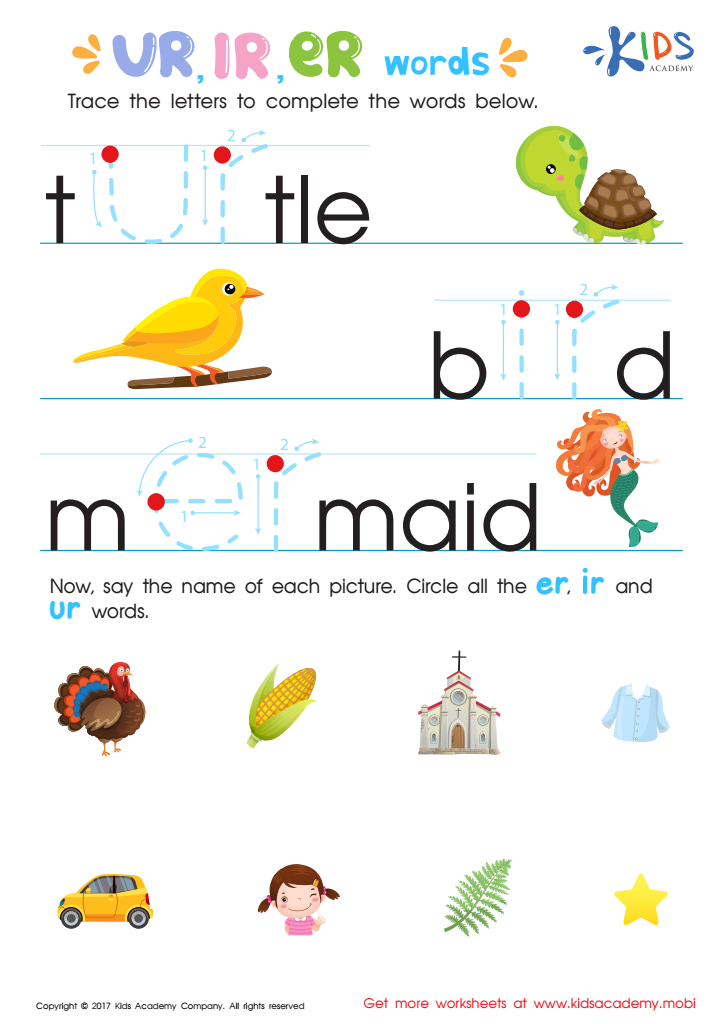
IR UR ER Words Worksheet



Spelling practice focusing on two-letter phonics is crucial for 7-year-olds as it lays the groundwork for reading fluency and literacy. At this developmental stage, children are increasingly advancing from learning to read to reading to learn, making proficient phonetic skills paramount. Two-letter phonics introduces simple yet powerful sound combinations that help children recognize and decode words efficiently.
Effective spelling skills reinforce sound-letter relationships, aid in vocabulary building, and promote confident communication. By practicing two-letter phonics, children can improve their ability to recognize common sight words and further develop their spelling capabilities. This practice also fosters critical thinking, as students learn to segment and blend sounds, which enhances their problem-solving skills.
Additionally, consistent phonics practice supports a positive learning experience by reducing frustration when encountering new words. As children gain competence in spelling, their confidence naturally rises, and they become more motivated to engage with reading materials. Ultimately, supporting spelling routines with two-letter phonics aligns with broader educational goals: fostering a love for learning, establishing a strong foundation for future literacy skills, and preparing children for more complex language challenges ahead. Parents and teachers should prioritize this aspect of learning to nurture proficient, enthusiastic readers.







