Color Identification Worksheets for 7-Year-Olds - Page 3
53 filtered results
-
From - To
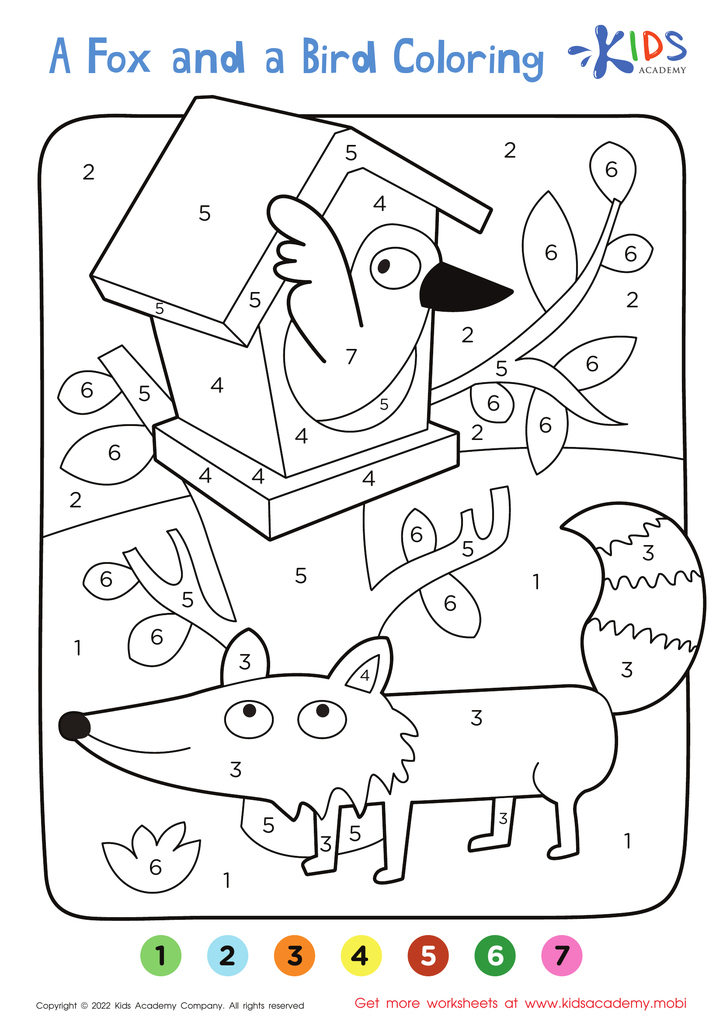
A Fox and a Bird – Coloring by Numbers




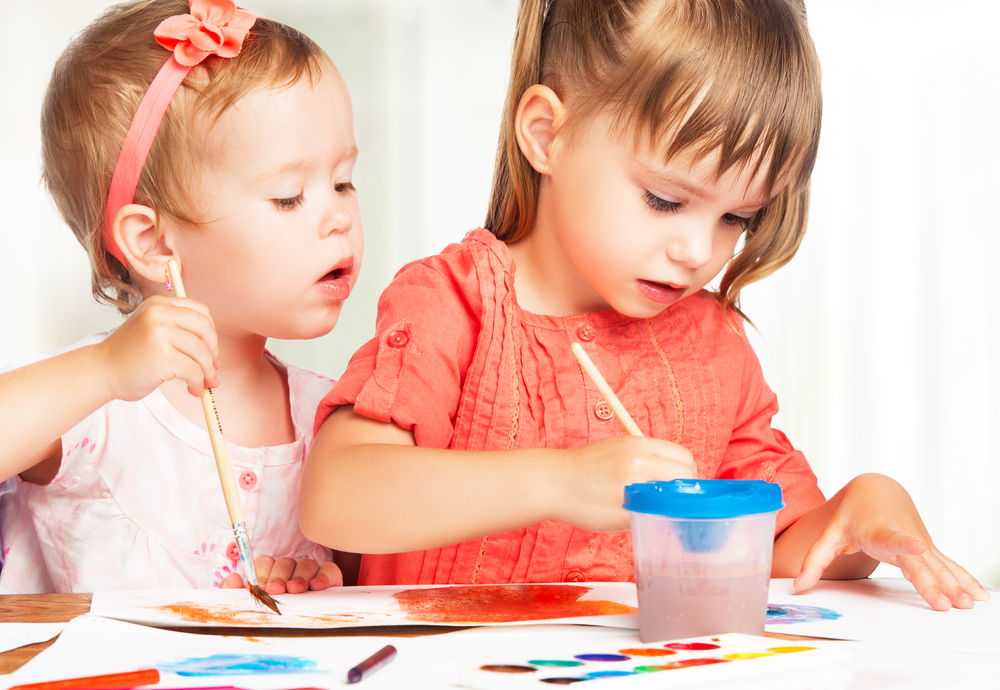

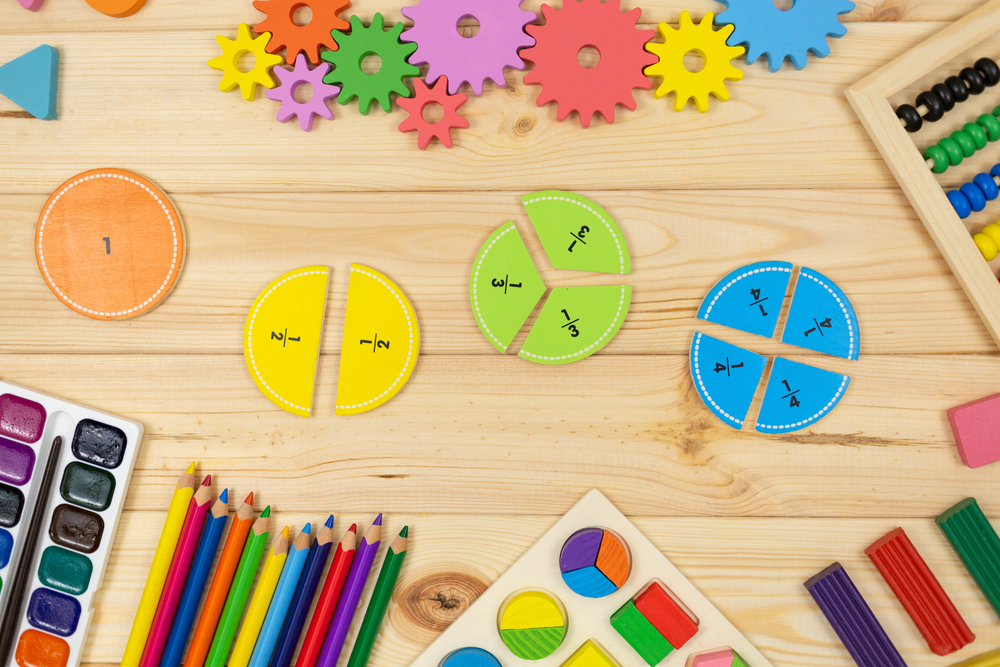

Color identification is a fundamental aspect of early childhood development that supports cognitive, emotional, and social growth in 7-year-olds. At this age, children are refining their language skills, and identifying colors contributes to their vocabulary expansion. It helps them articulate their thoughts, describe objects, and communicate effectively.
Understanding colors also plays a role in critical thinking and creativity. When children learn to identify and differentiate colors, they enhance their ability to notice details and make connections between objects in their environment. Such skills are foundational for subjects like art, science, and mathematics, as children often use colors in graphing, pattern recognition, and creative expression.
Moreover, color identification is essential for emotional development. Colors can evoke feelings and moods, and teaching children to recognize this can help them better understand their own emotions and those of others. Socially, recognizing colors helps during play, fostering teamwork and collaboration in games involving colorful items or activities.
For parents and teachers, this focus on color identification ensures that children build a strong foundation in various developmental areas, preparing them not just academically, but also socially and emotionally, for their future learning experiences. Thus, fostering color identification is well worth the time and attention.








