Develop sequencing skills Worksheets for 7-Year-Olds
3 filtered results
-
From - To
Boost your child's cognitive development with our Sequencing Skills Worksheets tailored for 7-year-olds! These engaging and interactive worksheets help students enhance their logic and critical thinking abilities while making learning fun. By working through a variety of activities, children will learn to arrange events, follow directions, and recognize patterns, all essential skills for effective communication and problem-solving. Each worksheet is designed to cater to different learning styles, ensuring every child can succeed. Perfect for classroom use or at-home practice, our sequencing worksheets provide a fantastic way to support your child's learning journey. Start nurturing their skills today!
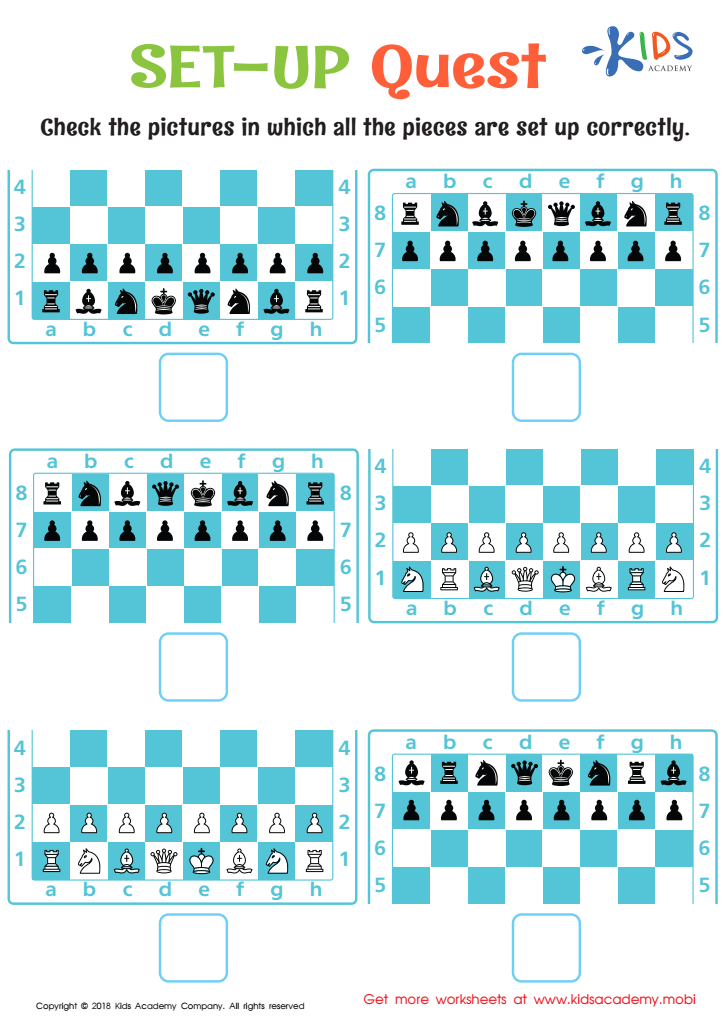
Set-up Quest Worksheet
 Assign to My Students
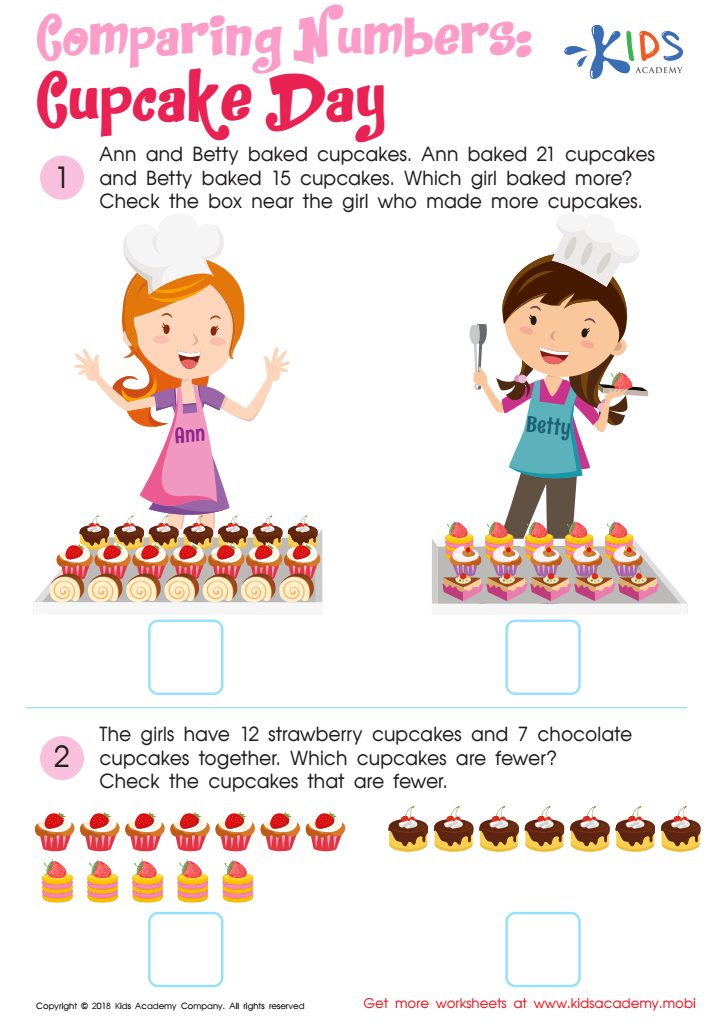
Cupcake Day Worksheet
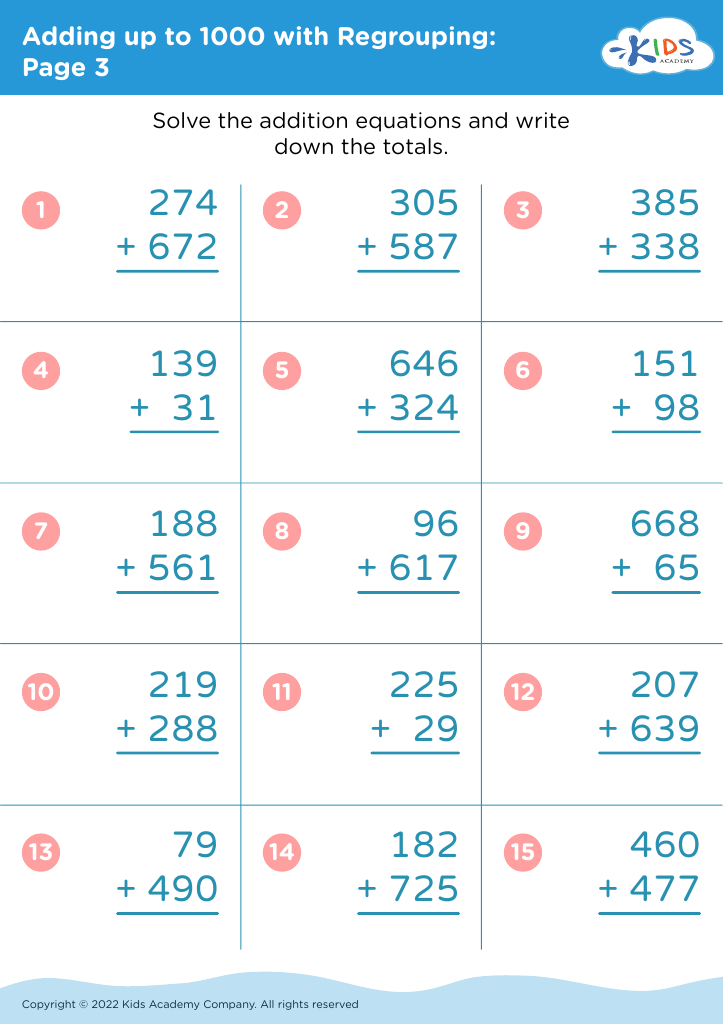





.jpg)
.jpg)
Developing sequencing skills in 7-year-olds is crucial for several reasons. First, these skills form the foundation for critical thinking and logical reasoning. When children learn to arrange events or ideas in a specific order, they enhance their ability to solve problems, making connections between cause and effect. This cognitive development also improves their comprehension skills, significantly benefiting their reading and storytelling abilities.
Moreover, sequencing skills are essential for daily life. From understanding daily routines to following multi-step instructions, the ability to sequence helps children navigate their environments effectively. This skill aids in tasks as simple as dressing themselves or organizing their homework, fostering independence and responsibility.
Additionally, sequencing skills are vital for academic success, particularly in subjects such as mathematics and science, which often require students to follow steps or processes. Investors and parents can see better outcomes in their children’s learning when these skills are honed early.
Understanding the importance of sequencing encourages more involved teaching methods, such as interactive storytelling or hands-on activities that promote ordering ideas. By prioritizing this skill, both parents and teachers can contribute significantly to a child’s overall cognitive development and lifelong learning capabilities.








