Enhance problem-solving Worksheets for 7-Year-Olds
5 filtered results
-
From - To
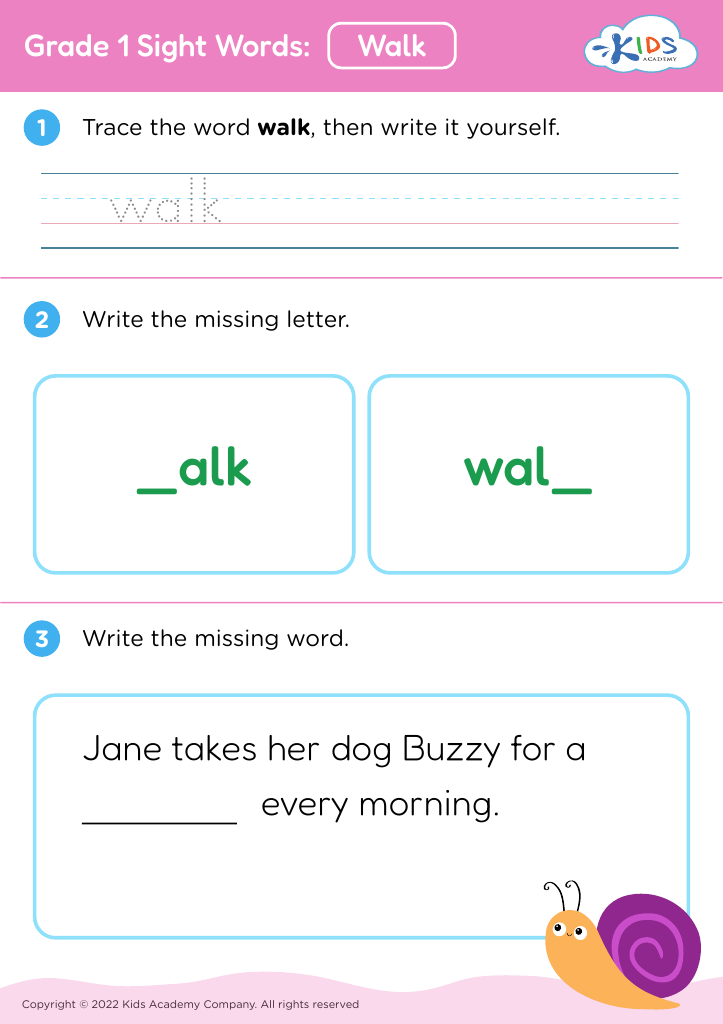
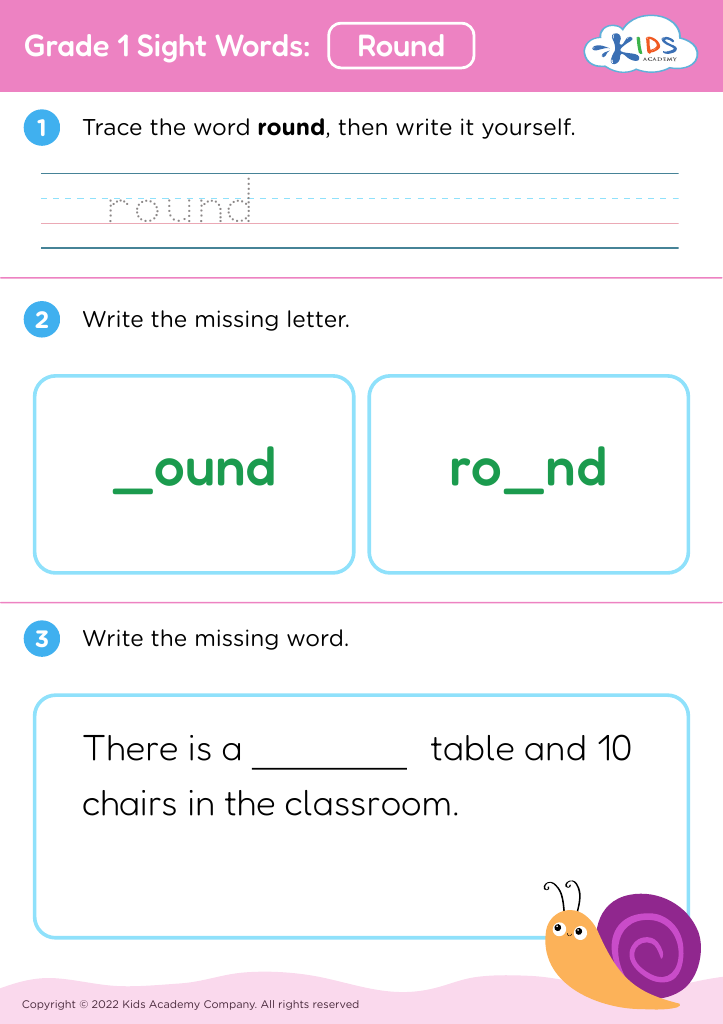
Welcome to our "Enhance Problem-Solving Worksheets for 7-Year-Olds" page! Designed specifically for young learners, these engaging worksheets foster critical thinking and reasoning skills through fun, age-appropriate activities. Children will encounter a variety of challenges that encourage them to approach problems creatively and strategically. Each worksheet combines interactive scenarios with colorful graphics, making learning enjoyable and effective. Our resources help educators and parents support children in developing essential problem-solving abilities while building confidence in their skills. Perfect for classroom use or at home practice, these worksheets are a valuable tool in nurturing the problem-solvers of tomorrow. Explore our collection today!











Enhancing problem-solving skills in 7-year-olds is crucial for their overall development and future success. At this age, children are naturally curious and begin to think more critically about the world around them. By fostering these skills, parents and teachers lay a foundation for effective learning and resilience in the face of challenges.
Problem-solving encourages logical thinking, creativity, and independence. Children learn to analyze situations, identify potential solutions, and evaluate outcomes. This process not only sharpens cognitive abilities but also boosts confidence, enabling them to approach problems with a positive mindset.
Additionally, strong problem-solving skills correlate with academic success. Subjects like math and science require students to think critically and navigate complex tasks. By incorporating problem-solving activities in everyday learning, educators can engage students and make lessons more meaningful.
Furthermore, nurturing these skills prepares children for future social interactions. Being able to resolve conflicts and collaborate with peers is essential in personal and professional relationships.
Ultimately, parents and teachers play a pivotal role in shaping adept problem-solvers. Their support and encouragement can transform challenges into valuable learning experiences, equipping children with tools for lifelong success.








