Check out this FREE "Fraction simplification" Trial Lesson for age 7!

Match Objects that Fit Together

Favorites
With answer key
Interactive
  • 7
  • Fraction simplification
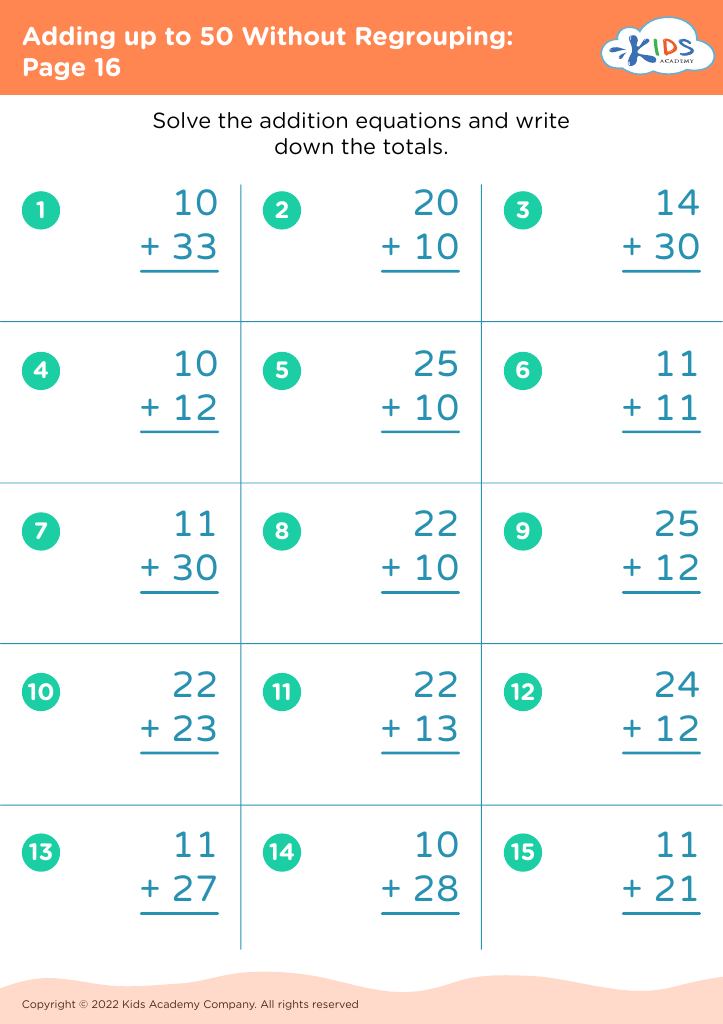
Adding up to 50 Without Regrouping: Page 16
Worksheet
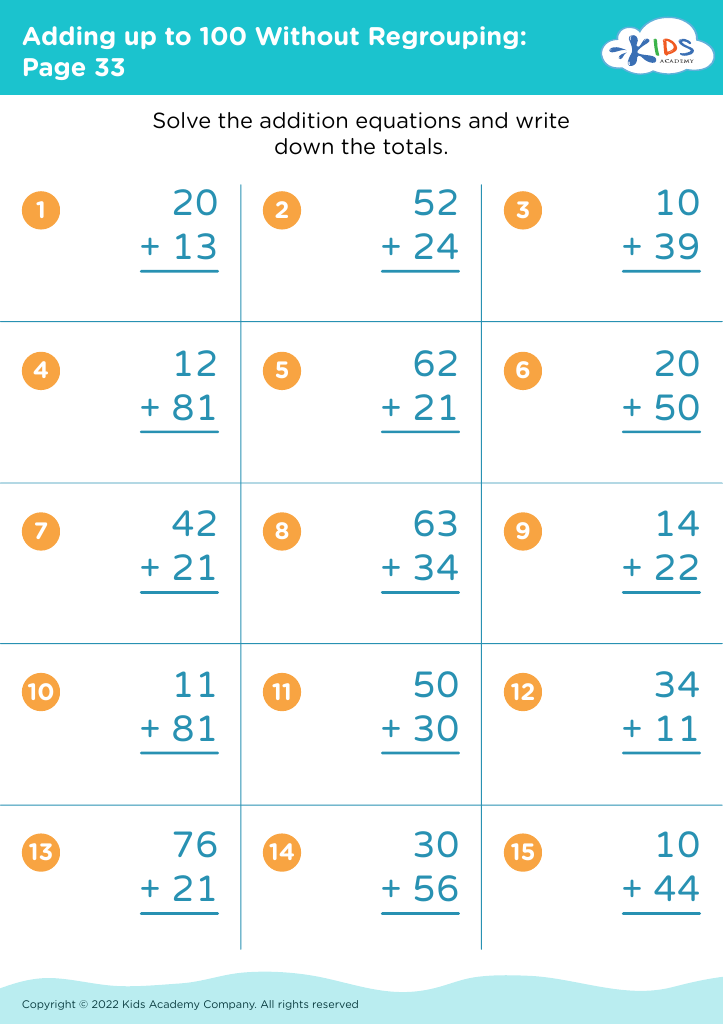
Adding up to 100 Without Regrouping: Page 33
Worksheet
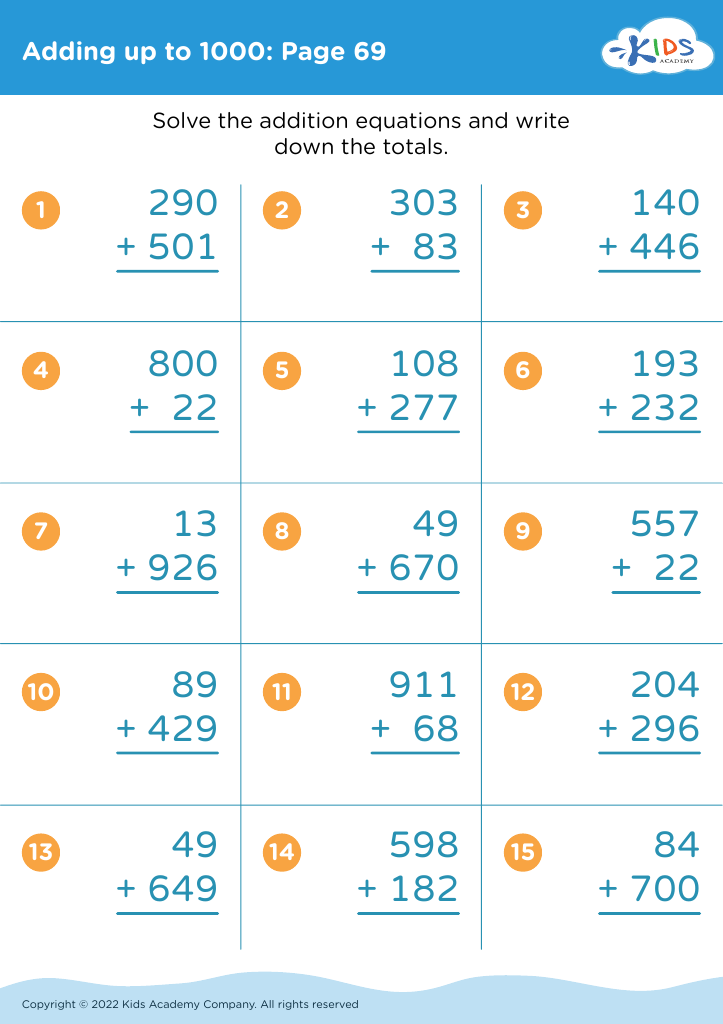
Adding up to 1000: Page 69

Adding up to 1000: Page 69

Adding up to 1000: Page 69
Worksheet
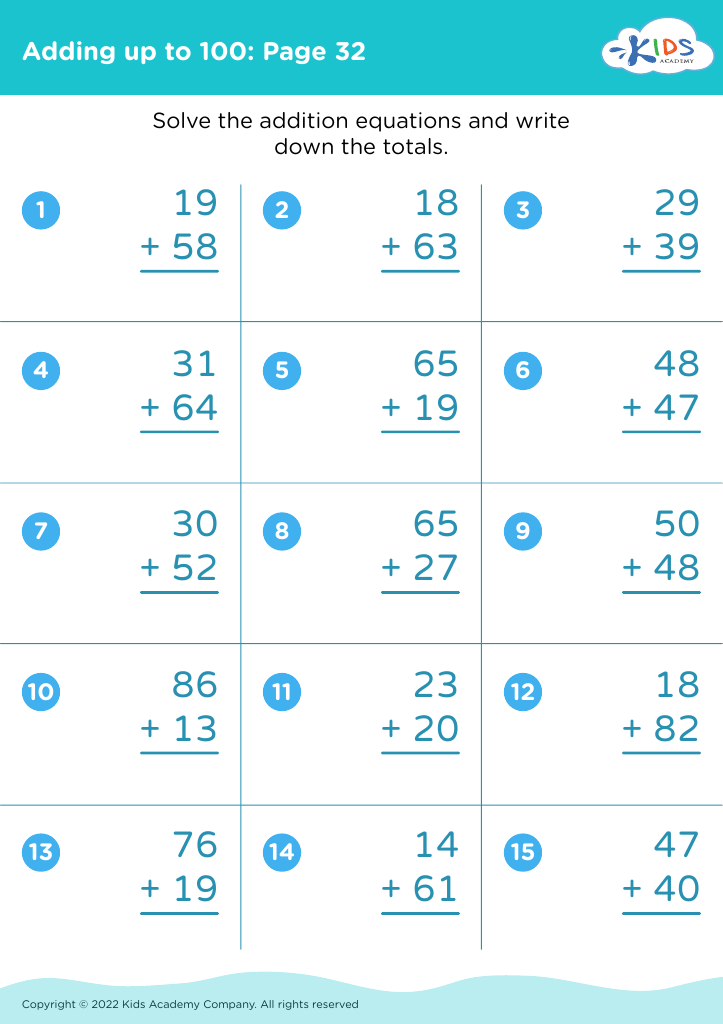
Adding up to 100: Page 32

Adding up to 100: Page 32

Adding up to 100: Page 32
Worksheet
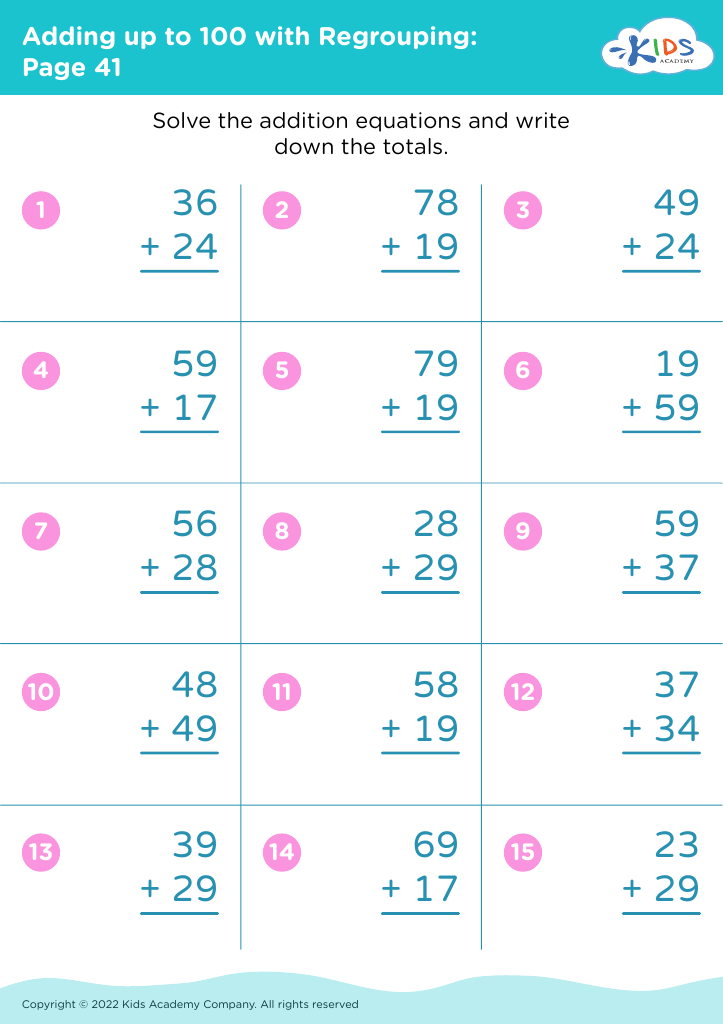
Adding up to 100 with Regrouping: Page 41
Worksheet
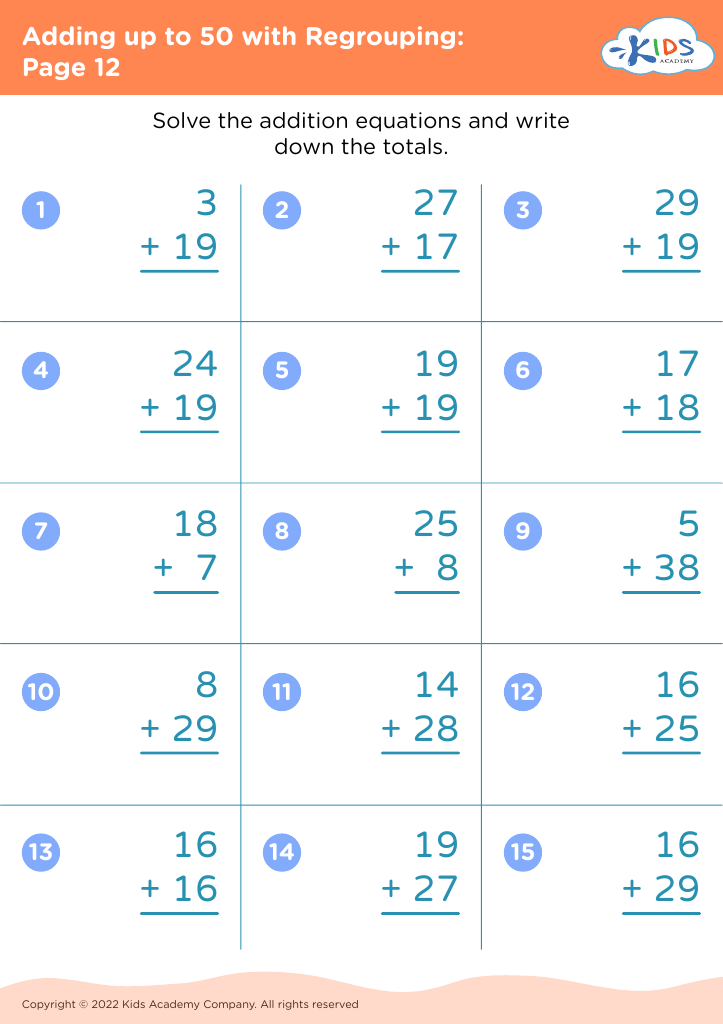
Adding up to 50 with Regrouping: Page 12
Worksheet
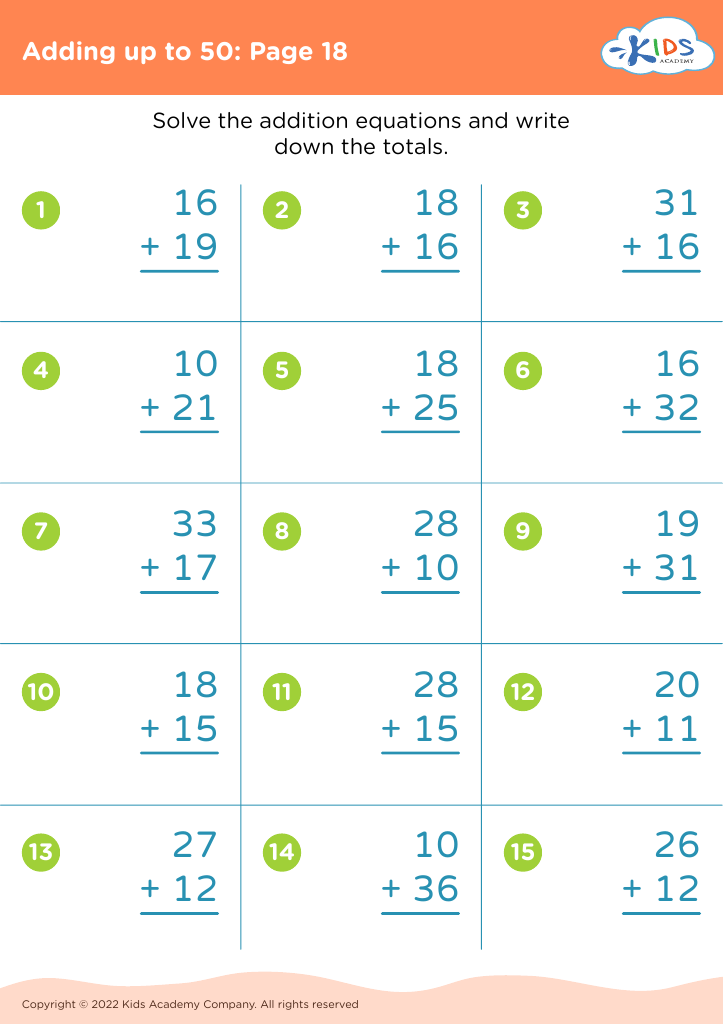
Adding up to 50: Page 18

Adding up to 50: Page 18

Adding up to 50: Page 18
Worksheet
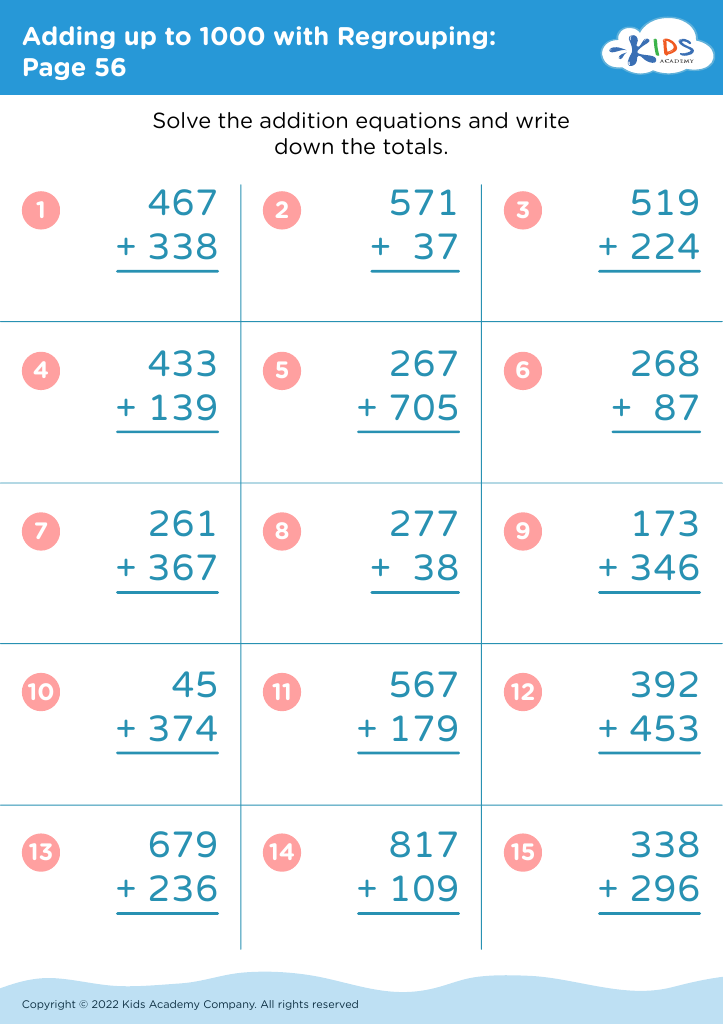
Adding up to 1000 with Regrouping: Page 56
Worksheet
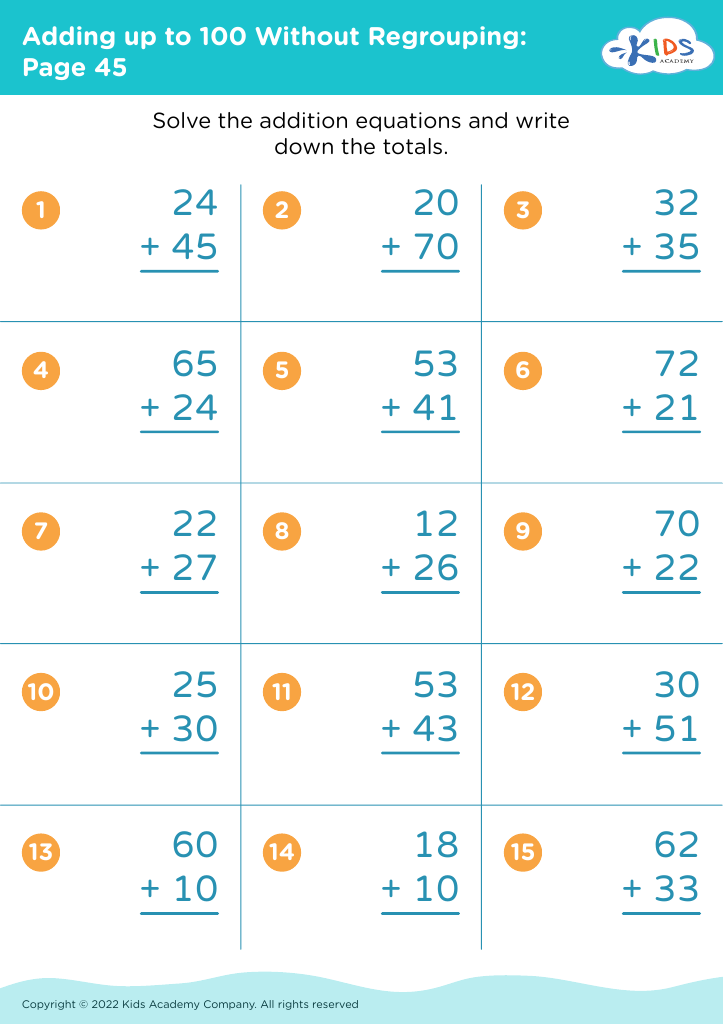
Adding up to 100 Without Regrouping: Page 45
Worksheet
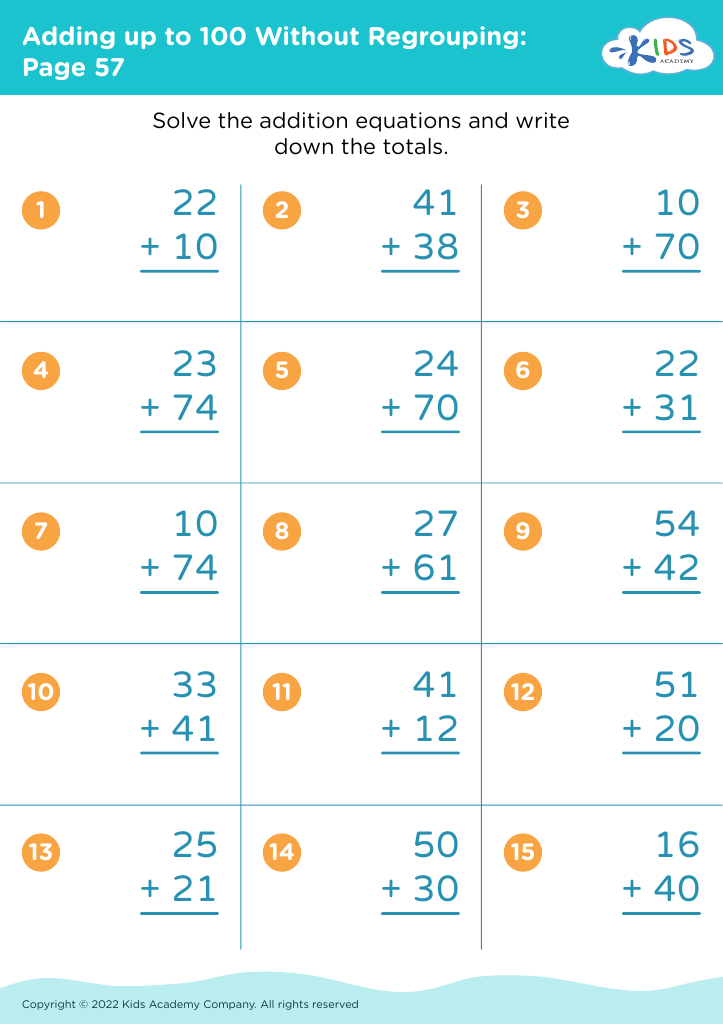
Adding up to 100 Without Regrouping: Page 57
Worksheet
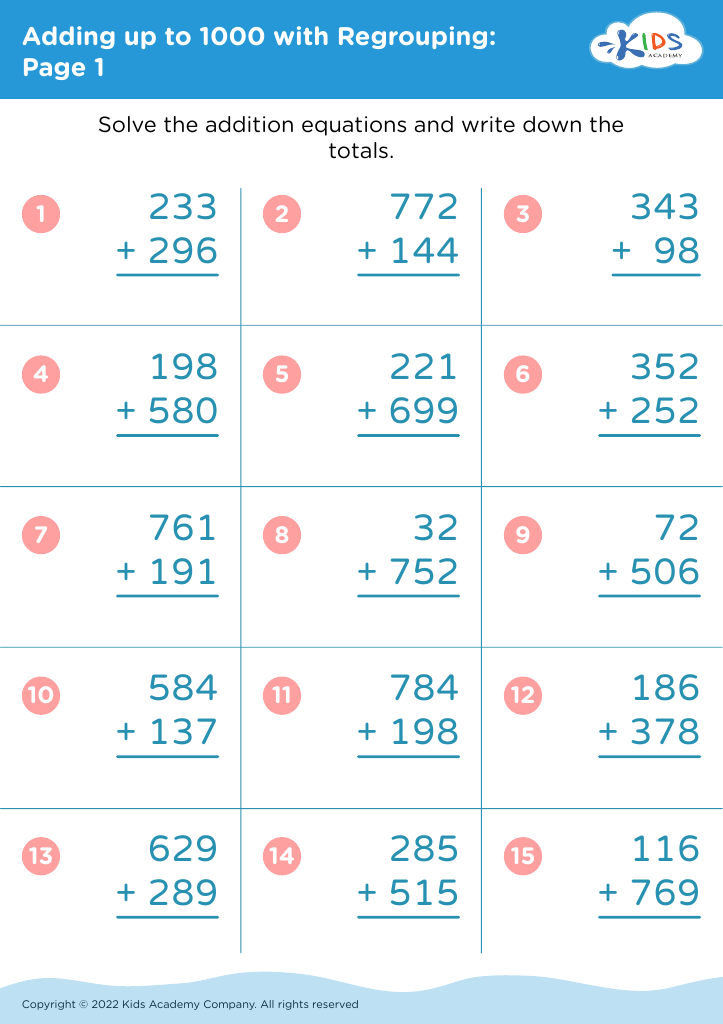
Adding up to 1000 with Regrouping: Page 1
Worksheet
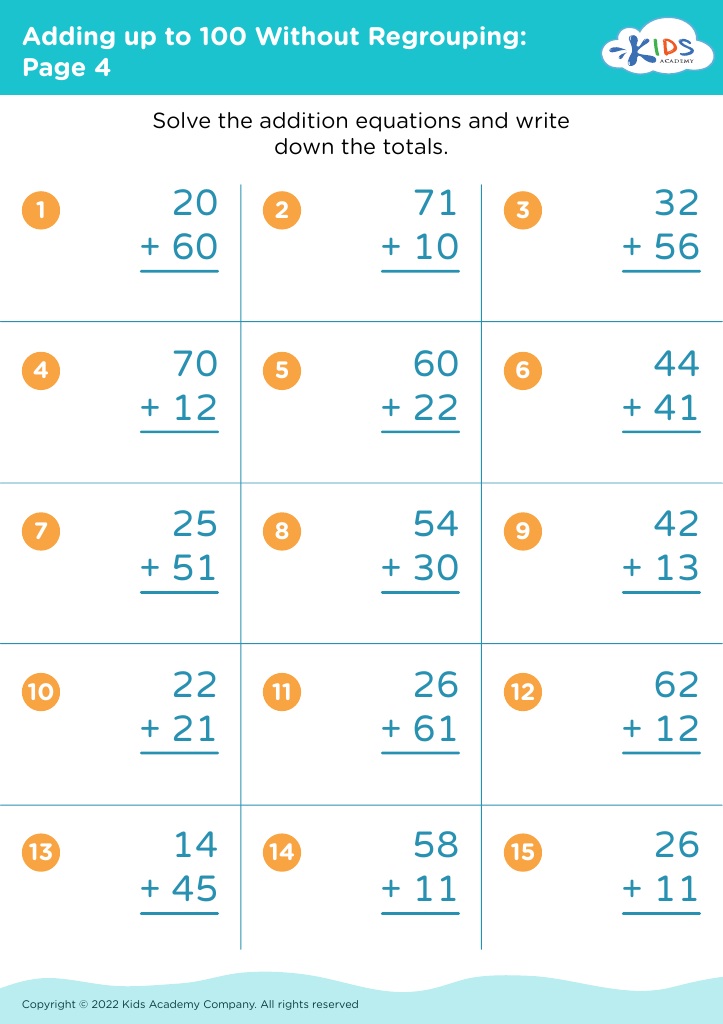
Adding up to 100 Without Regrouping: Page 4
Worksheet
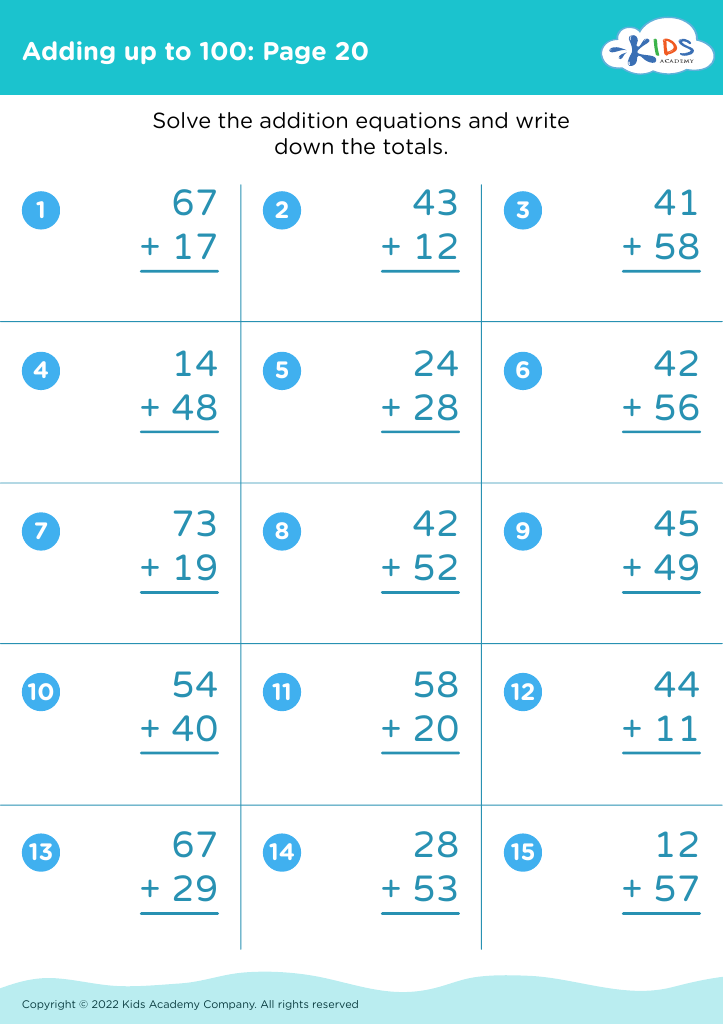
Adding up to 100: Page 20

Adding up to 100: Page 20

Adding up to 100: Page 20
Worksheet
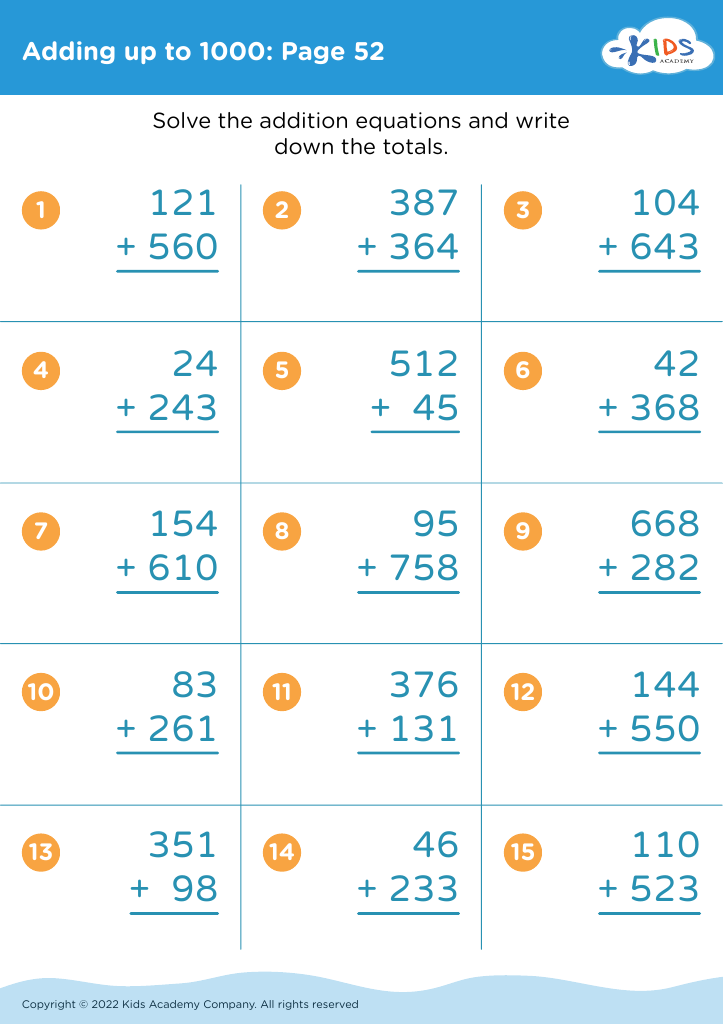
Adding up to 1000: Page 52

Adding up to 1000: Page 52

Adding up to 1000: Page 52
Worksheet
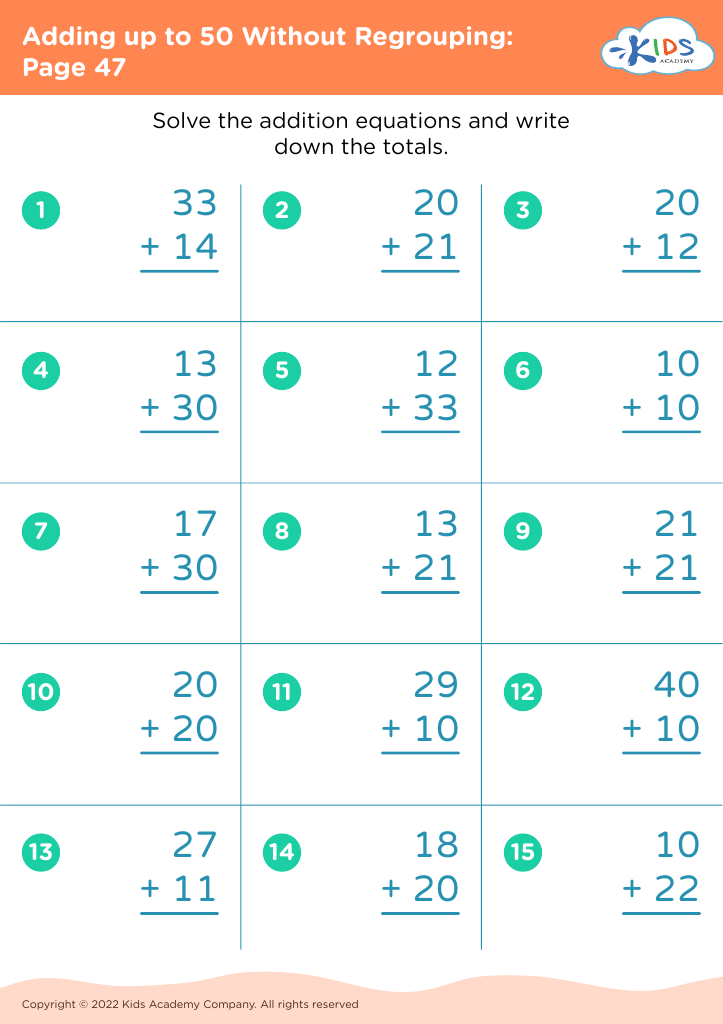
Adding up to 50 Without Regrouping: Page 47
Worksheet
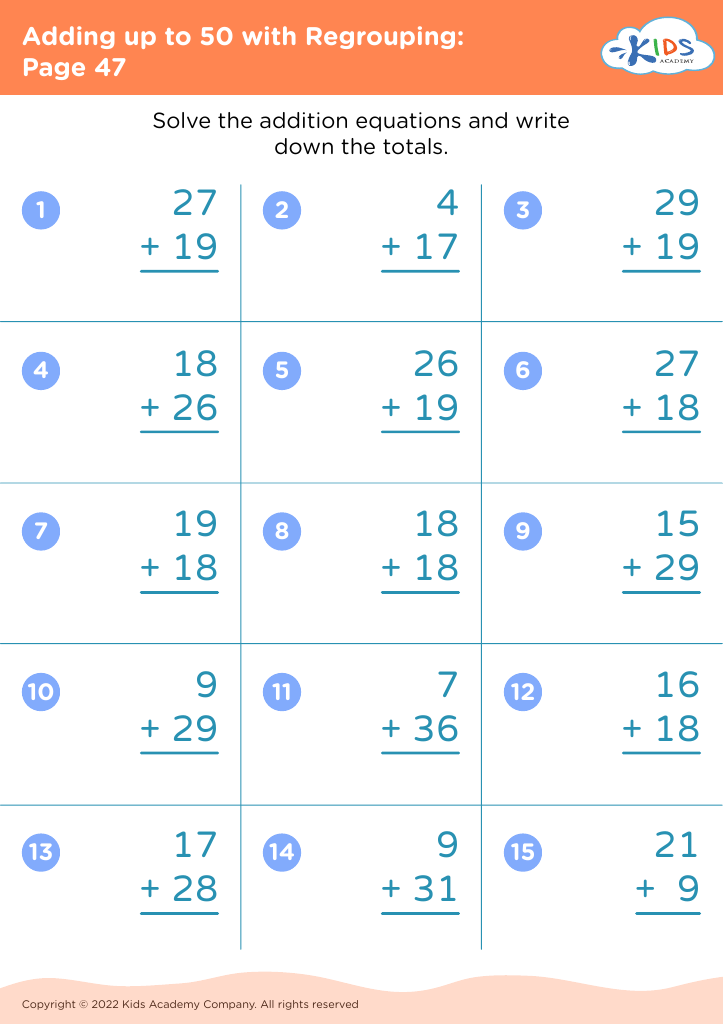
Adding up to 50 with Regrouping: Page 47
Worksheet
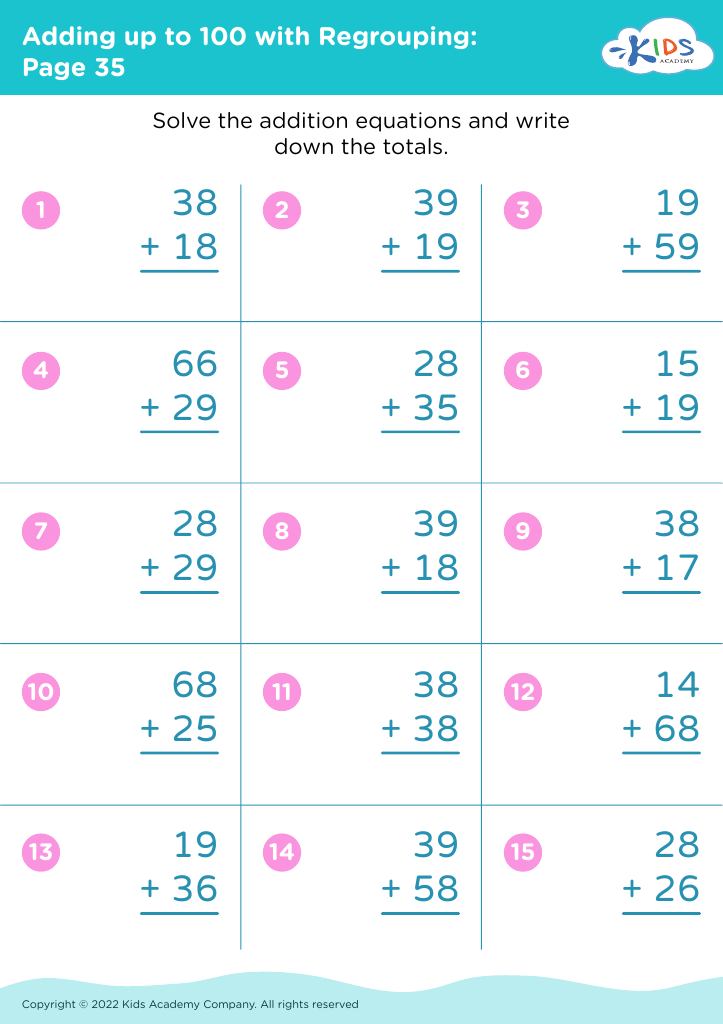
Adding up to 100 with Regrouping: Page 35
Worksheet
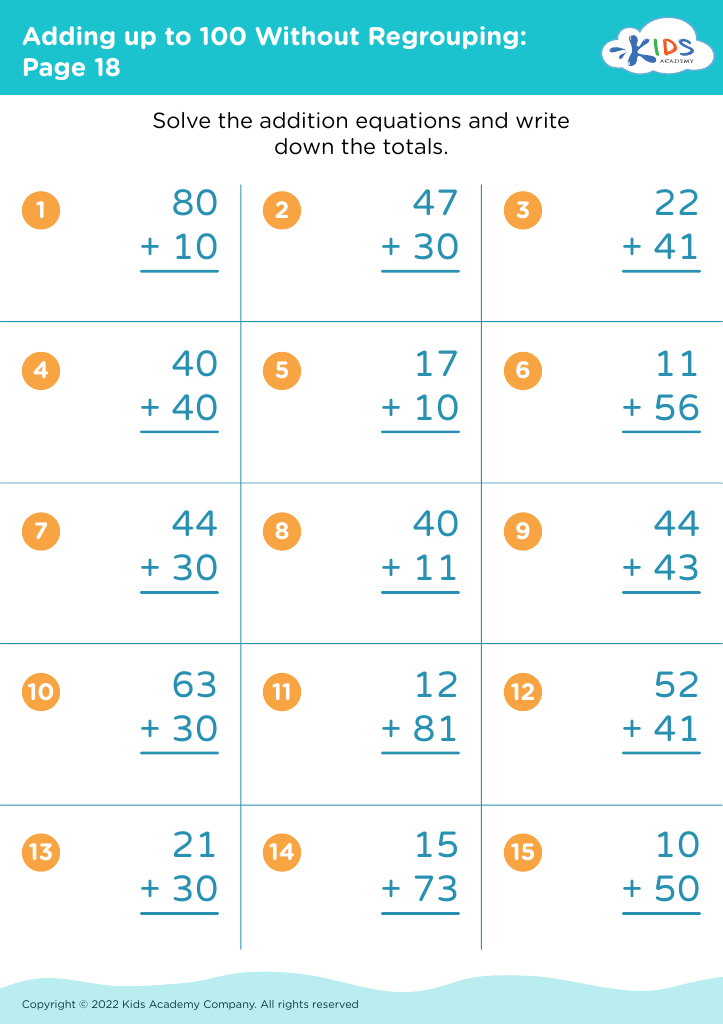
Adding up to 100 Without Regrouping: Page 18
Worksheet
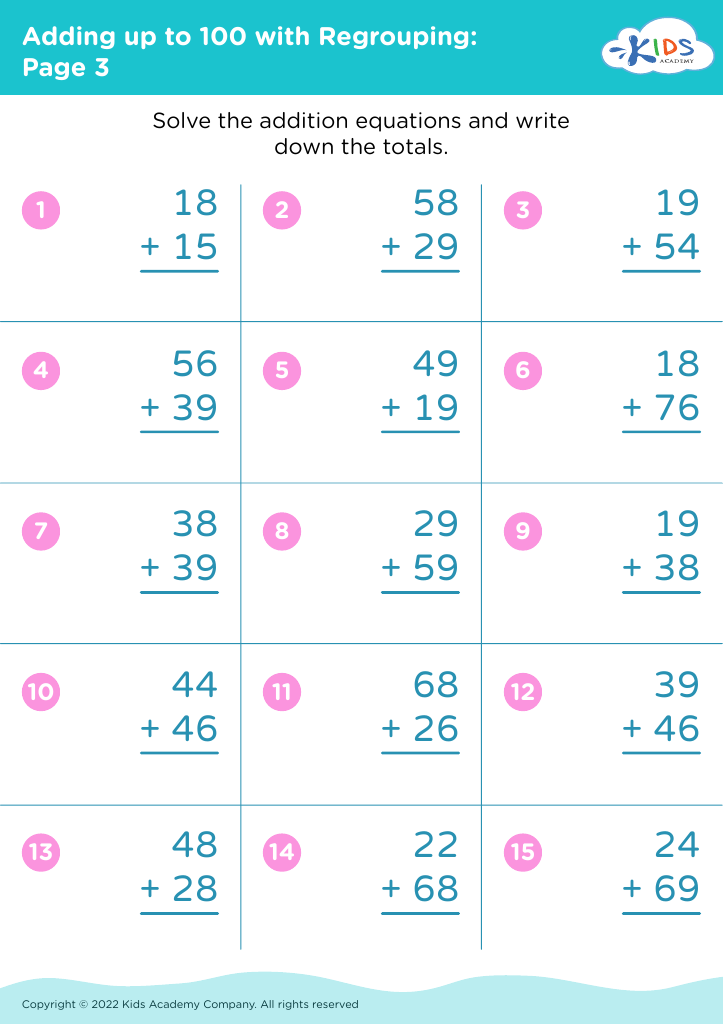
Adding up to 100 with Regrouping: Page 3
Worksheet
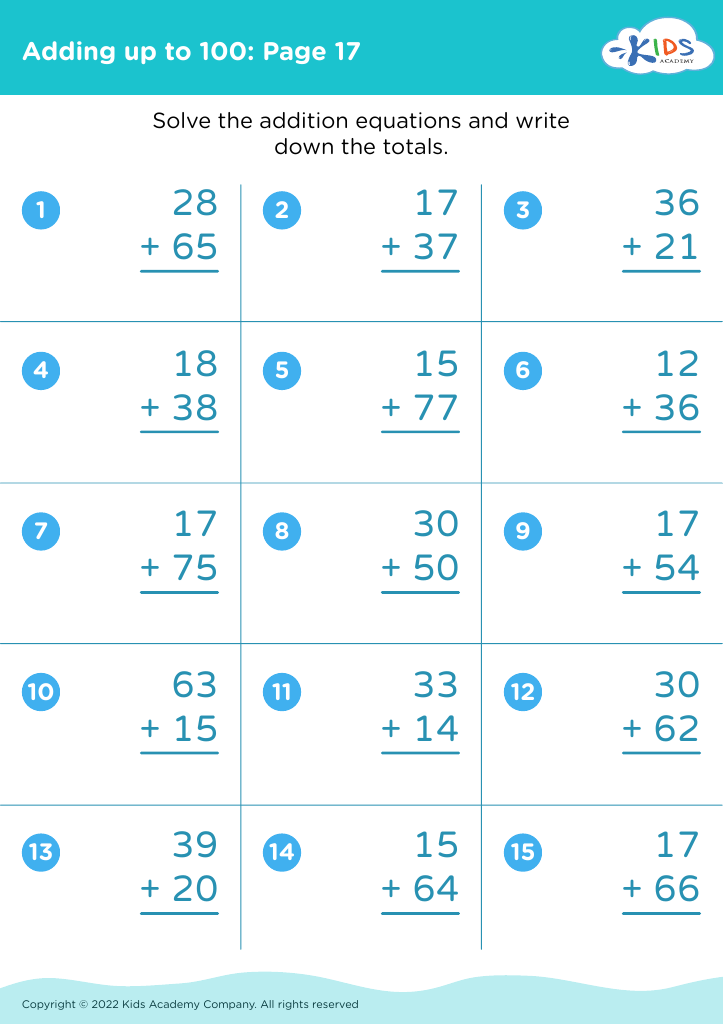
Adding up to 100: Page 17

Adding up to 100: Page 17

Adding up to 100: Page 17
Worksheet
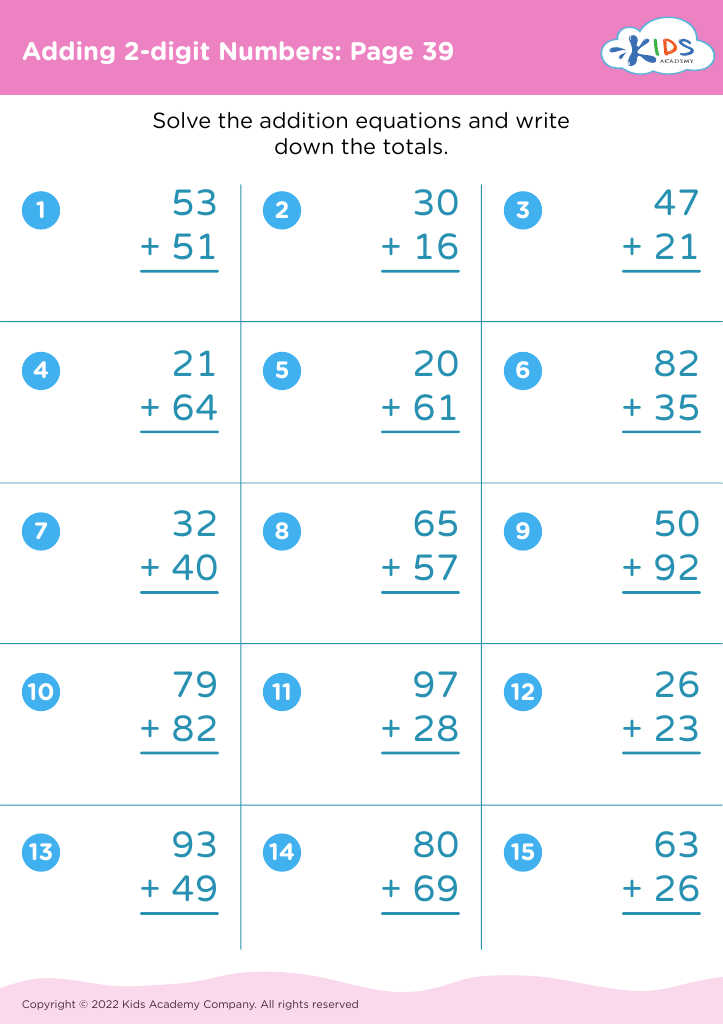
Adding 2-digit Numbers: Page 39

Adding 2-digit Numbers: Page 39

Adding 2-digit Numbers: Page 39
Worksheet
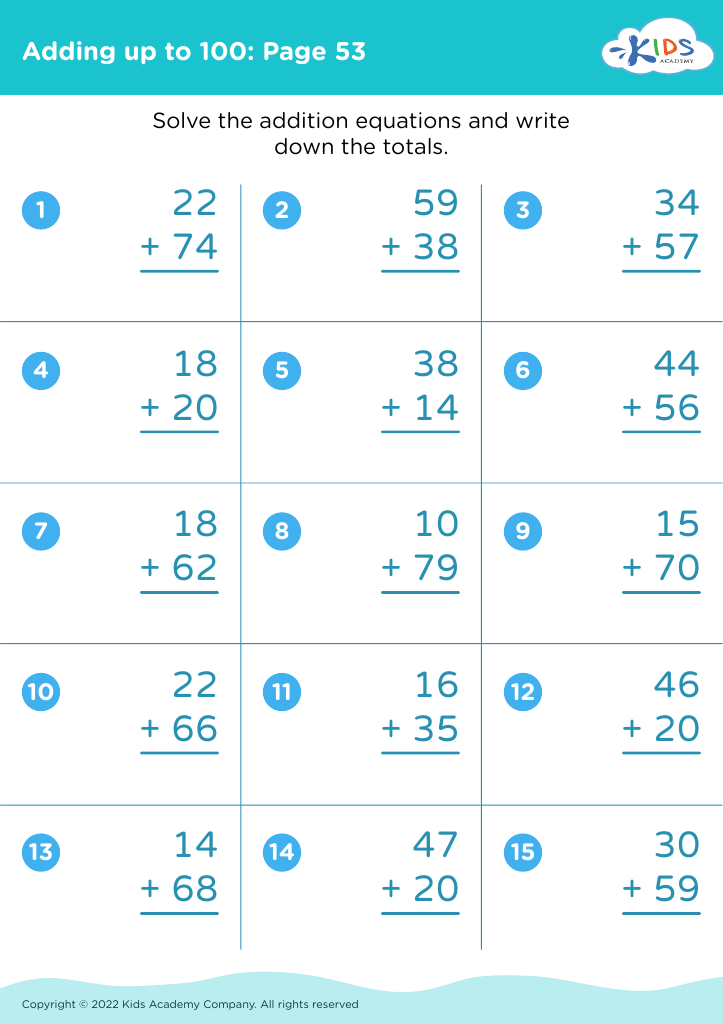
Adding up to 100: Page 53

Adding up to 100: Page 53

Adding up to 100: Page 53
Worksheet
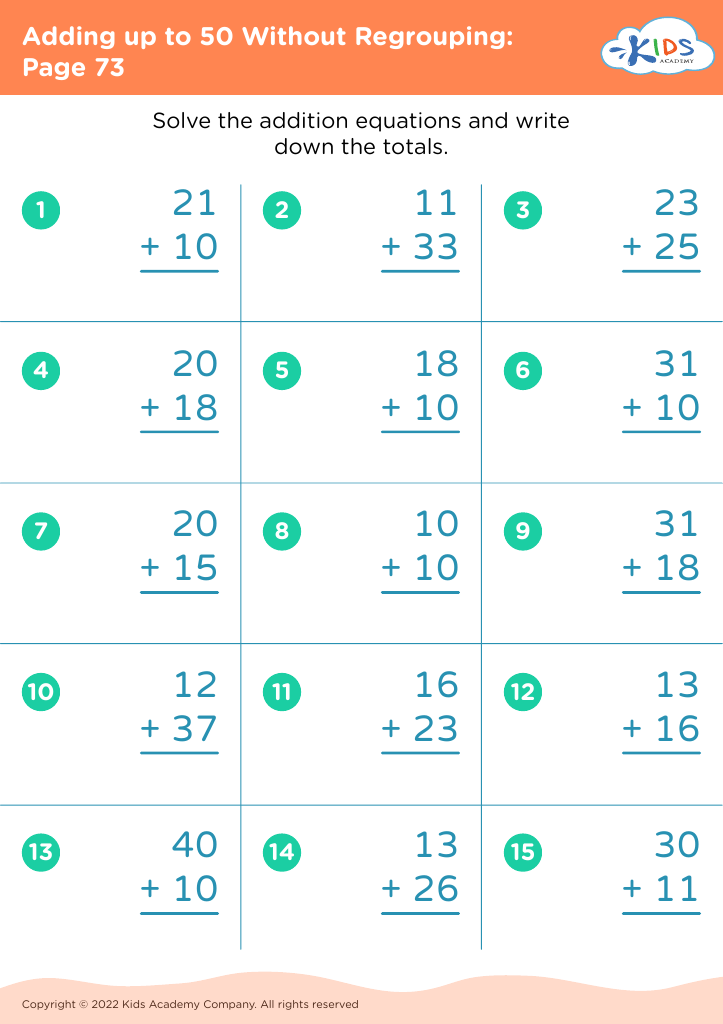
Adding up to 50 Without Regrouping: Page 73
Worksheet
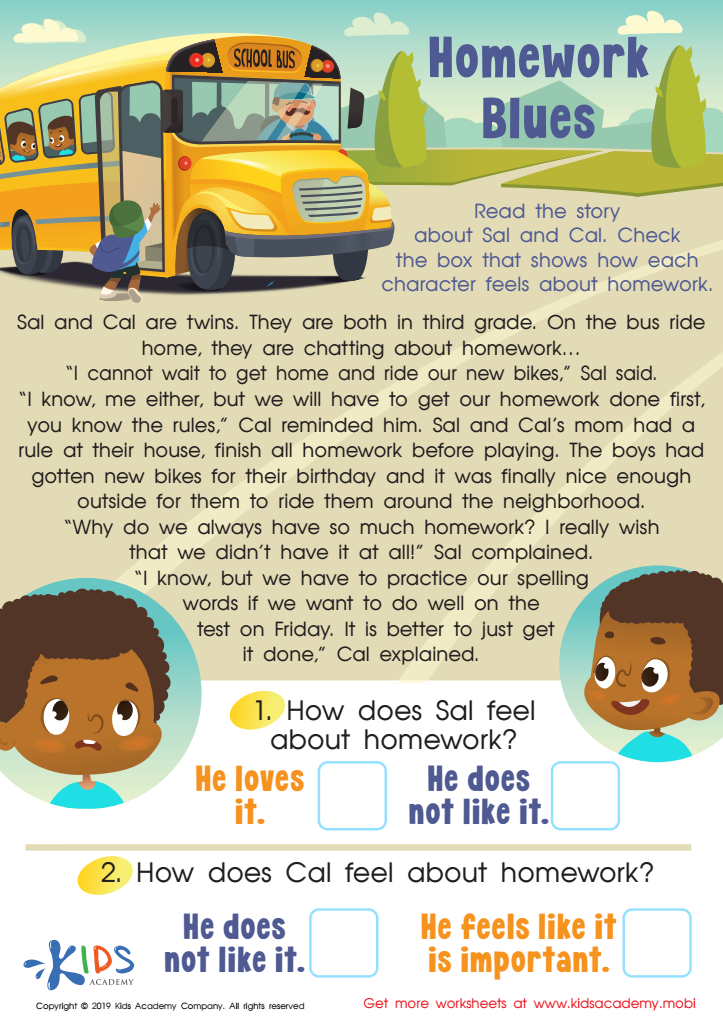
Homework Blues Worksheet

Homework Blues Worksheet

Cal and Sal don't love doing homework, just like your kids. Use this worksheet to help your children understand why homework is important. Read the passage together and then answer the questions at the bottom of the page. It's a fun way to learn together!
Homework Blues Worksheet
Worksheet


Understanding fraction simplification is a foundational math skill that holds significance for young learners, even as early as 7 years old. Simplifying fractions involves reducing them to their simplest form, such as converting 4/8 to 1/2. This skill is crucial for several reasons.

Firstly, it helps in building a strong number sense. Simplifying fractions requires children to recognize and understand equal parts, division, and thus primes their intuitive grasp of more complex mathematical concepts like ratios, proportions, and algebra as they advance in their education.

Secondly, mastering fraction simplification fosters problem-solving and critical-thinking skills. As children practice, they learn different strategies to find common factors and apply logical steps to reach a solution. This sequential thinking and attention to detail are beneficial across all areas of learning.

Moreover, early familiarity with fractions in their simplest form eases future mathematical computations. Simplified fractions are easier to compare, add, subtract, multiply, and divide, paving the way for smoother and quicker problem resolutions in arithmetic and beyond.

Therefore, investing time and patience into teaching fraction simplification at a young age equips children with essential skills that bolster their overall academic proficiency and confidence in tackling math challenges throughout their educational journey.