Tracing practice Worksheets for 7-Year-Olds
3 filtered results
-
From - To
Our Tracing Practice Worksheets for 7-Year-Olds offer an engaging way for kids to enhance their handwriting and fine motor skills. Focused on creating smooth lines and accurate formations, these worksheets feature fun and interactive exercises. Ideal for kids transitioning from basic handwriting to more intricate writing tasks, each worksheet is designed to strengthen muscle memory and attention to detail. From tracing lines and shapes to letters and words, our collection supports young learners in building confidence and proficiency in penmanship. Perfect for home or classroom use, these resources are a delightful way to make learning enjoyable and effective.
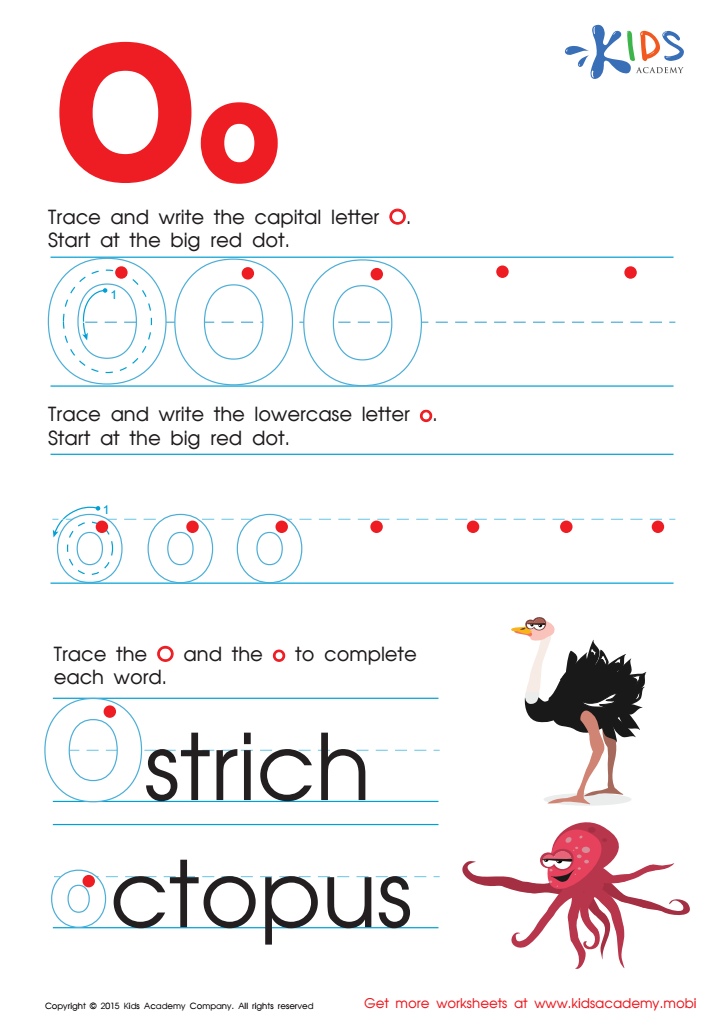
Letter O Tracing Page
 Assign to My Students
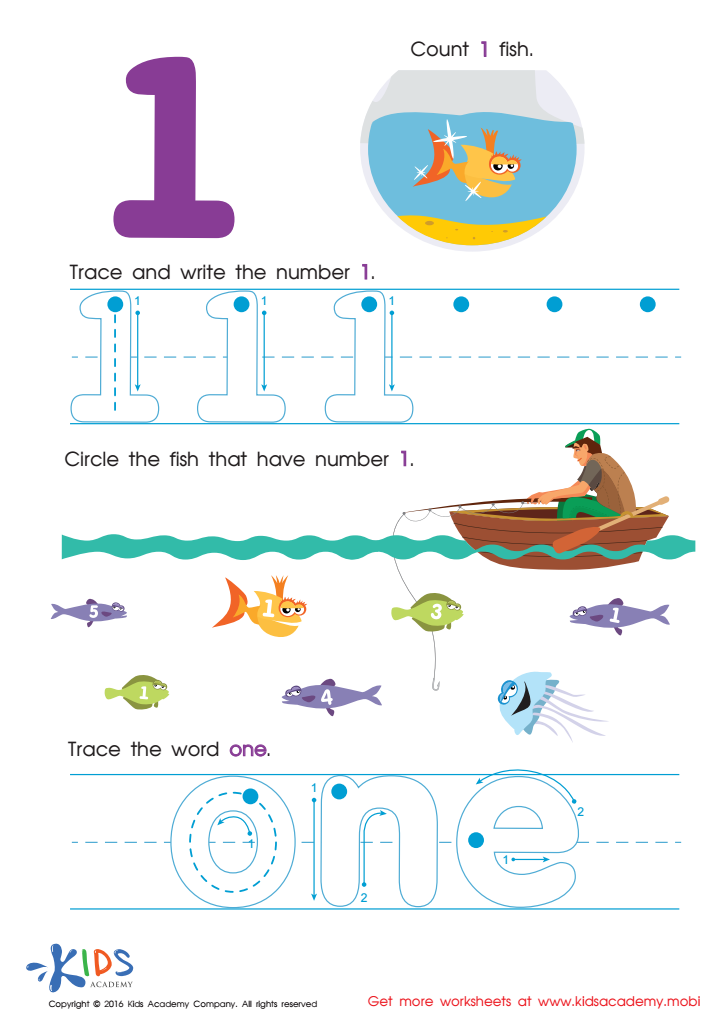
Learning to Write 1 Worksheet
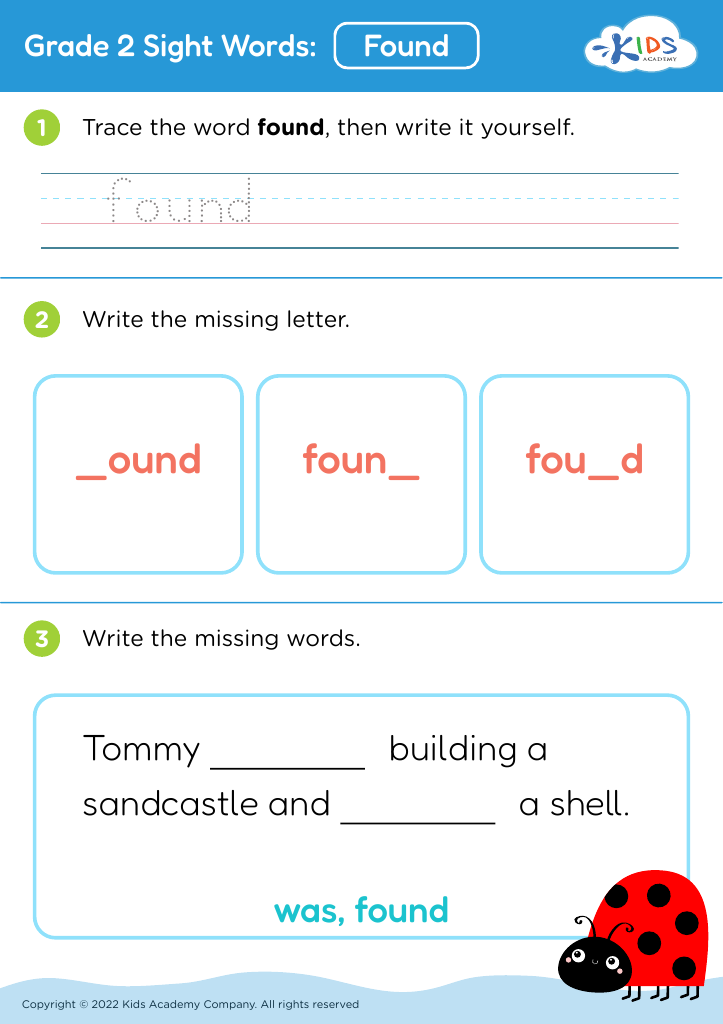








Tracing practice is an essential educational activity for 7-year-olds as it significantly contributes to their foundational learning and overall development. At this age, children are solidifying their fine motor skills, which are crucial for more complex tasks like writing, cutting, and manipulating small objects. Tracing helps to enhance hand-eye coordination, allowing children to better control their pencil movements, which in turn improves their handwriting and neatness.
Additionally, tracing aids cognitive development. When children trace shapes, letters, and numbers, they also learn to recognize and memorize these forms. This makes it easier for them to reproduce these on their own in the future, thus boosting their confidence and proficiency in writing and reading. Furthermore, tracing can foster a sense of discipline and focus, as it requires children to pay attention to detail and follow specific paths without deviating.
For parents and teachers, supporting tracing practice means fostering an environment where essential skills are nurtured and ensuring that children are well-prepared for more advanced academic work. It offers an opportunity to provide tailored guidance and positive reinforcement, making children more eager to learn and succeed. Therefore, incorporating tracing exercises into daily routines is a practical step toward holistic childhood education.








