Understand patterns Worksheets for 7-Year-Olds
7 filtered results
-
From - To
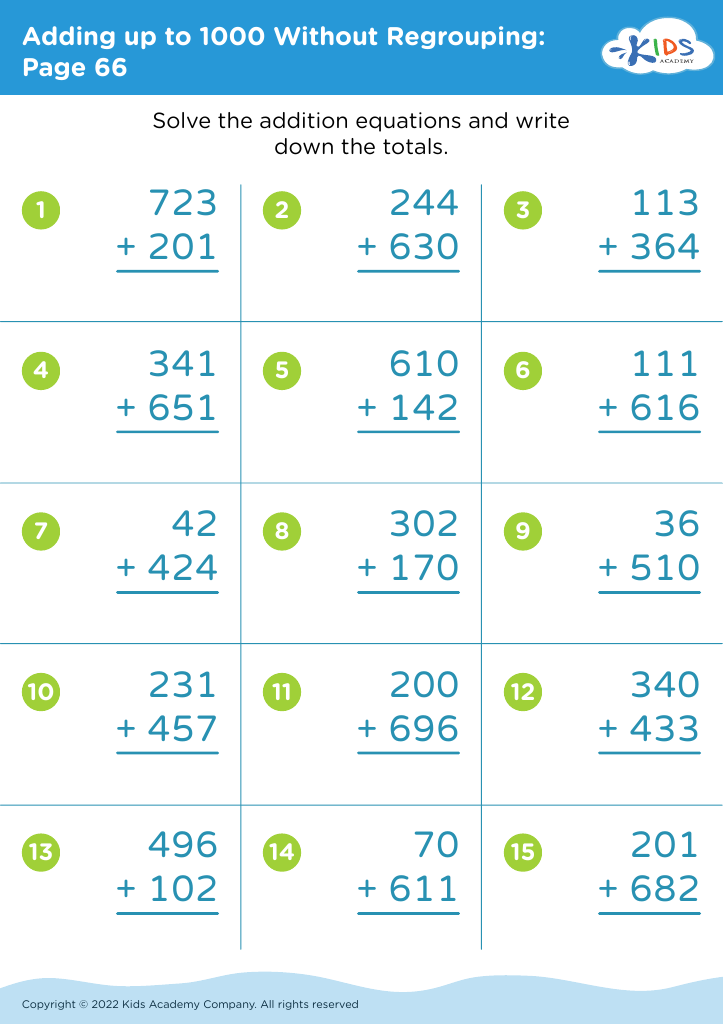
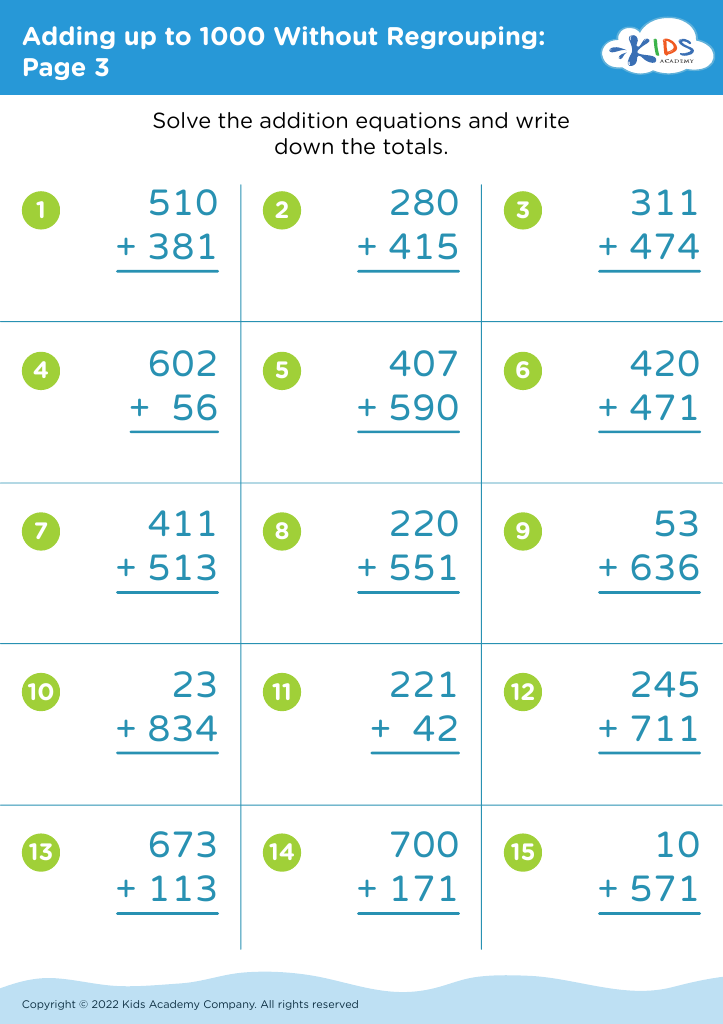
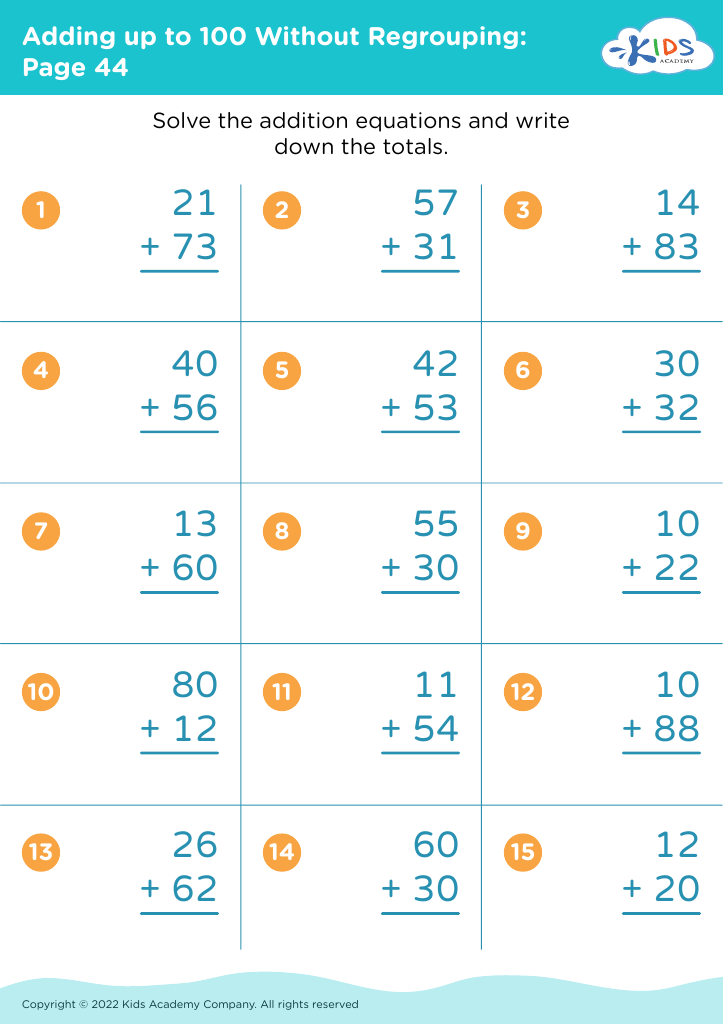
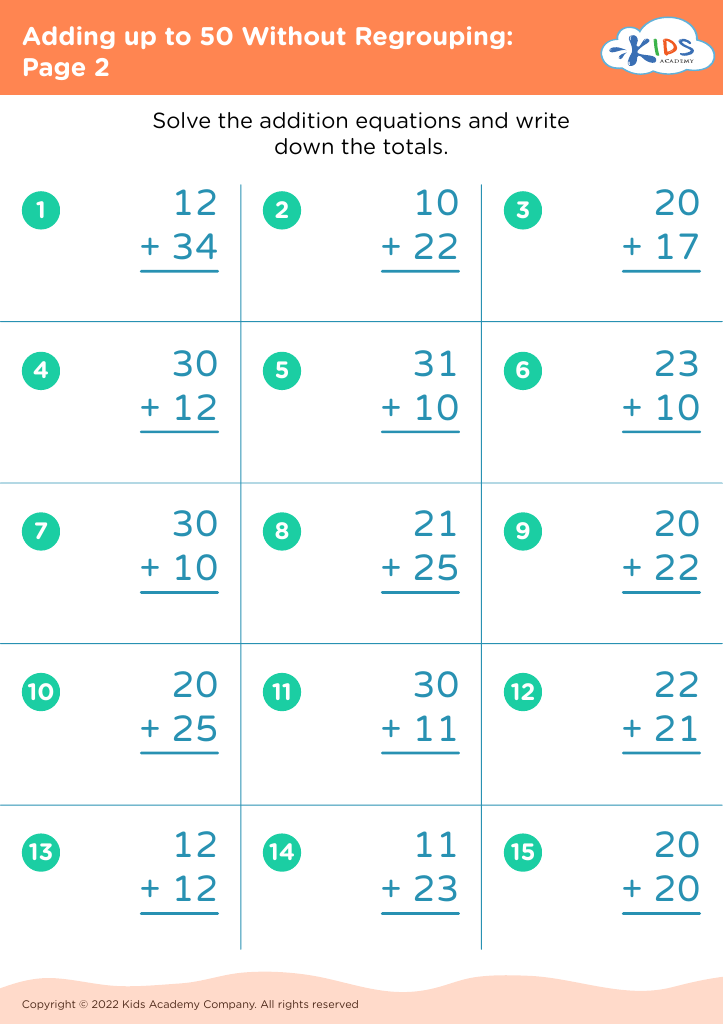
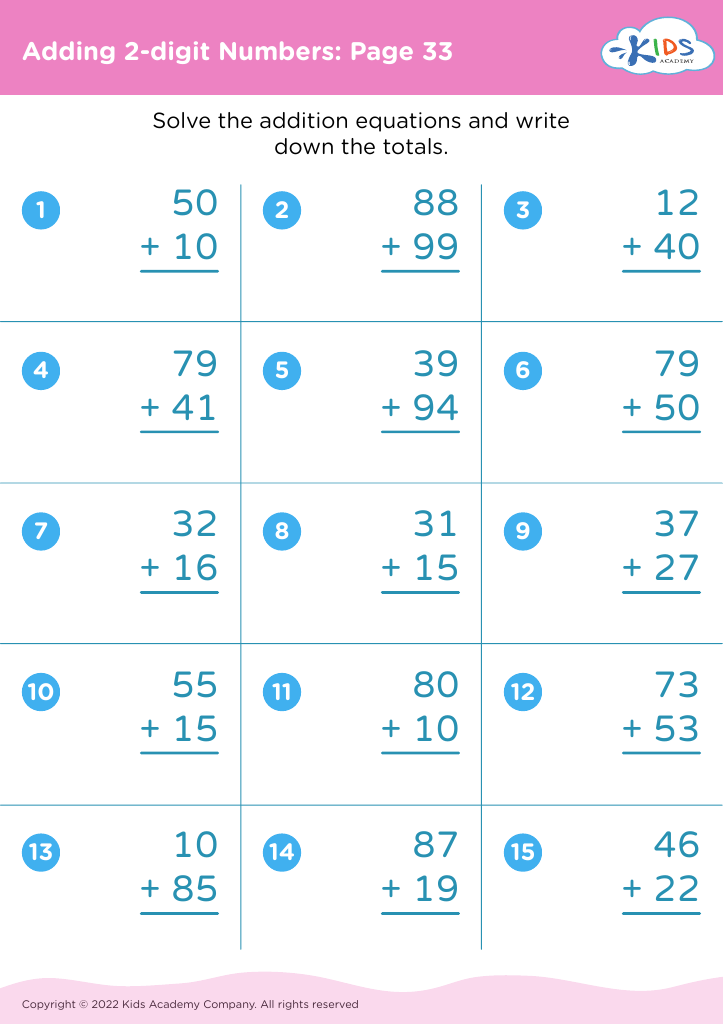
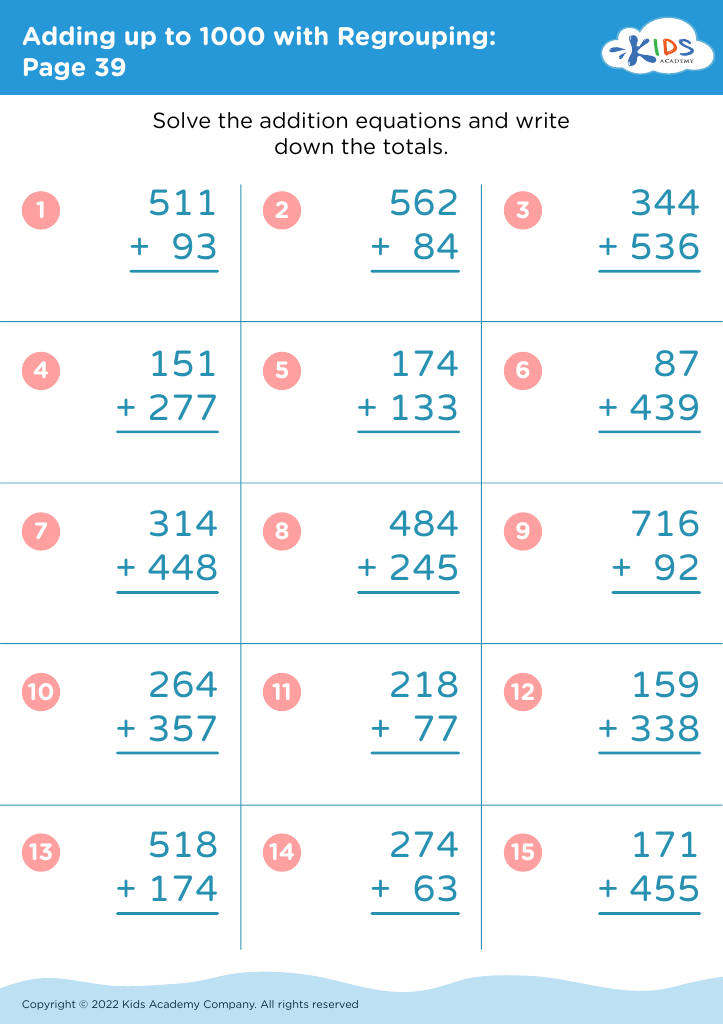
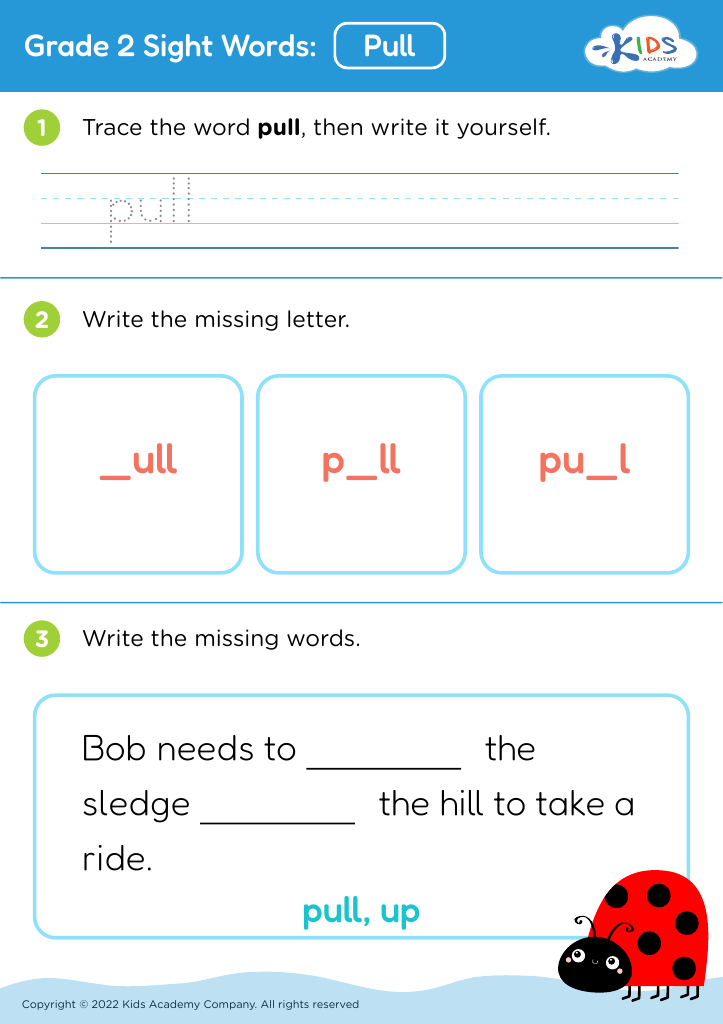
Enhance your 7-year-old’s learning journey with our engaging Understand Patterns Worksheets! Designed to develop critical thinking and analytical skills, these worksheets introduce various types of patterns, from shapes to colors, numbers, and sequences. Perfect for reinforcing foundational math concepts, each activity encourages children to identify, create, and extend patterns, making learning both fun and educational. Tailored to suit different learning styles, worksheets are easy to use at home or in the classroom. Download and print these engaging exercises to help your child master pattern recognition and improve their problem-solving abilities. Unlock the joy of learning through the power of patterns!




.jpg)



Understanding patterns is a foundational skill for 7-year-old children that supports their cognitive development across various subjects. At this age, children are naturally curious and eager to explore the world around them. Recognizing patterns enhances critical thinking and problem-solving abilities, as it encourages them to make connections between concepts, identify relationships, and anticipate what comes next.
In math, pattern recognition lays the groundwork for more advanced topics, such as multiplication and algebra, by helping children grasp the concept of sequences and repeated operations. In science, it aids in understanding cycles, like the water cycle or seasons. Additionally, patterns exist in language, where children start to identify rhymes and sentence structures, which builds their reading and writing skills.
Teachers and parents play a vital role in this learning process. By incorporating pattern-based activities—such as sorting, sequencing, and playing games—into everyday experiences, they can foster a child's interest and strengthen analytical skills. Ultimately, caring about patterns not only enhances academic performance but also nurtures a child's ability to think logically and creatively, skills that are invaluable throughout life. This foundational understanding opens doors to explore and appreciate the natural order in their surroundings.








