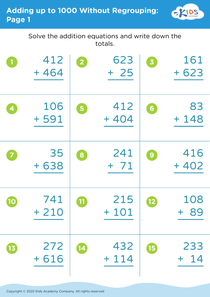
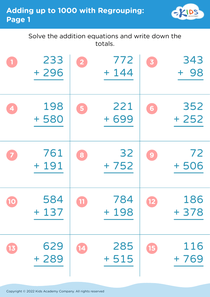
Improve reading skills Adding up to 1000 Misc Worksheets for 7-Year-Olds
3 filtered results
-
From - To
Enhance your child's reading abilities with our extensive collection of 1,000 miscellaneous worksheets designed specifically for 7-year-olds. Our engaging materials not only focus on improving reading skills but also integrate essential concepts of mathematics, making learning fun and interactive. Children will develop vital comprehension strategies, expand their vocabulary, and strengthen their phonetic skills through various exercises curated for their age group. The worksheets foster critical thinking and promote a love for reading, preparing young learners for future academic success. Dive into this exciting educational resource and watch as your child flourishes in both reading and math proficiency!
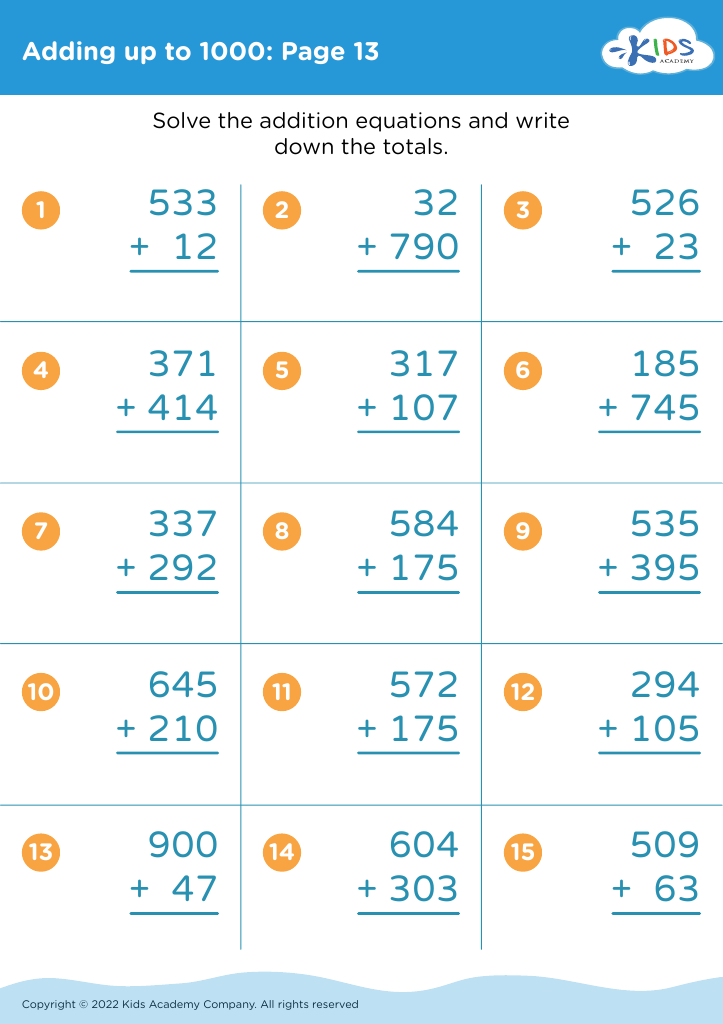
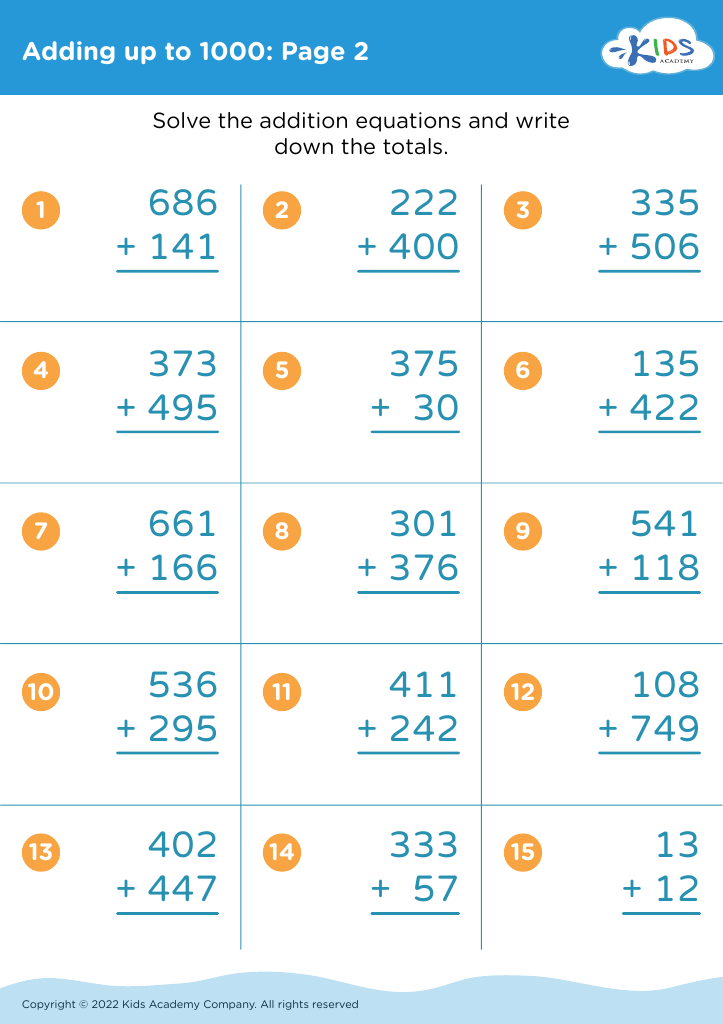


Developing strong reading skills at the age of 7 is crucial for a child's overall education and personal growth. At this stage, children are not just learning to read; they are beginning to read to learn. When parents and teachers prioritize reading improvement, they help boost children's literacy, which is foundational for all academic pursuits. Enhanced reading skills lead to better comprehension, critical thinking, and expanded vocabulary, enabling children to grasp complex subjects as they progress through school.
Moreover, proficient reading supports a child's confidence and self-esteem. When children can read well, they are more likely to participate in classroom discussions and activities, fostering a sense of belonging and achievement. For parents, fostering good reading habits at home through routine reading, engaging stories, and discussions creates a supportive learning environment.
Furthermore, investing time and resources in developing reading skills can prevent future academic struggles. The early years are critical; children who struggle with reading are more likely to face challenges in later educational settings. By encouraging reading enjoyment and skill enhancement, parents and teachers can cultivate a lifelong love of learning, laying the groundwork for future cognitive success and social development. Prioritizing reading at this pivotal age is an investment in a child's future.