Fraction identification Addition & Subtraction Worksheets for 7-Year-Olds
5 filtered results
-
From - To
Explore our engaging Fraction Identification Addition and Subtraction Worksheets designed specifically for 7-year-olds! These worksheets help young learners develop essential math skills by exploring fractions in various contexts. Kids will practice identifying fractions and applying addition and subtraction operations, all while building confidence in their mathematical abilities. Each worksheet is carefully crafted to be both educational and fun, featuring colorful designs and age-appropriate exercises. Perfect for home or classroom use, these resources provide a solid foundation in handling fractions, setting students up for future math success. Help your child master these skills with our interactive and visually appealing worksheets today!
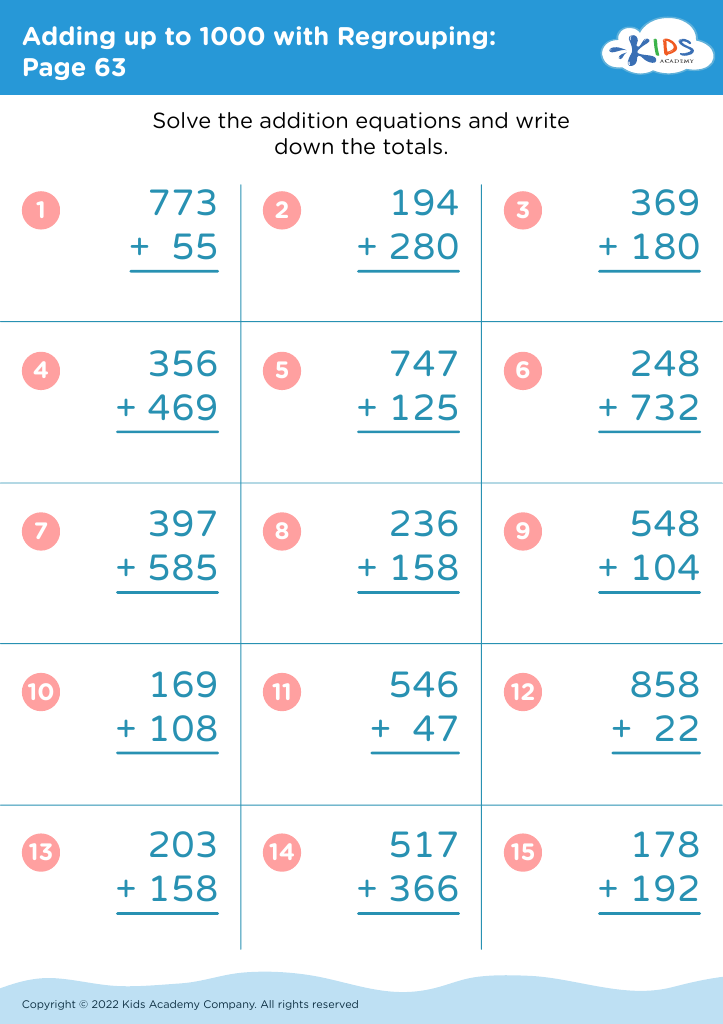
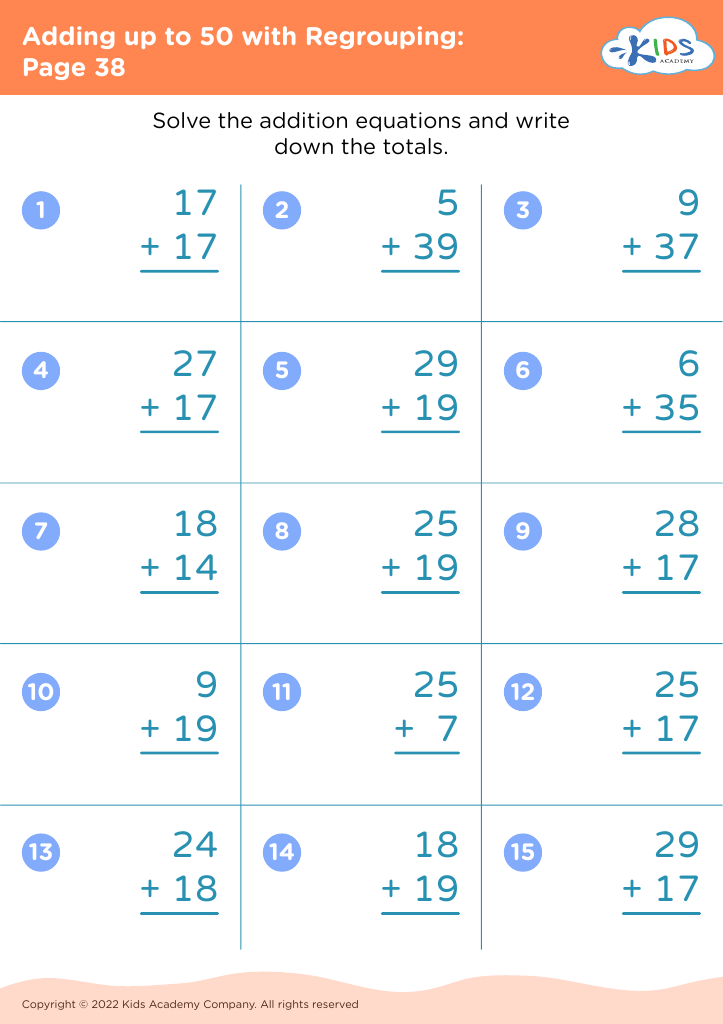
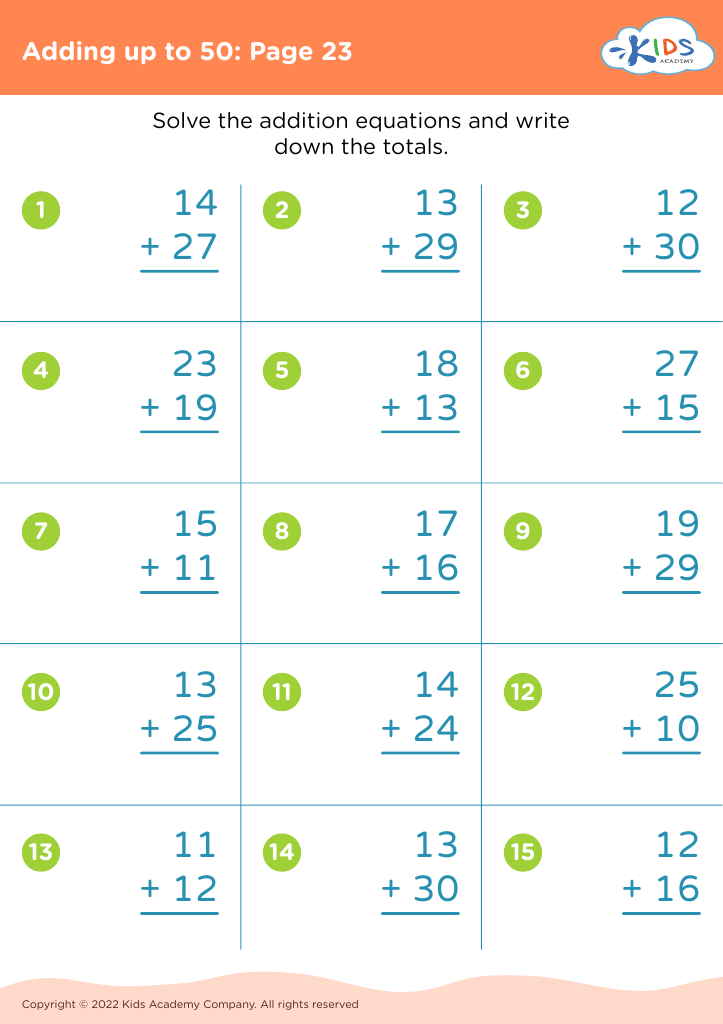
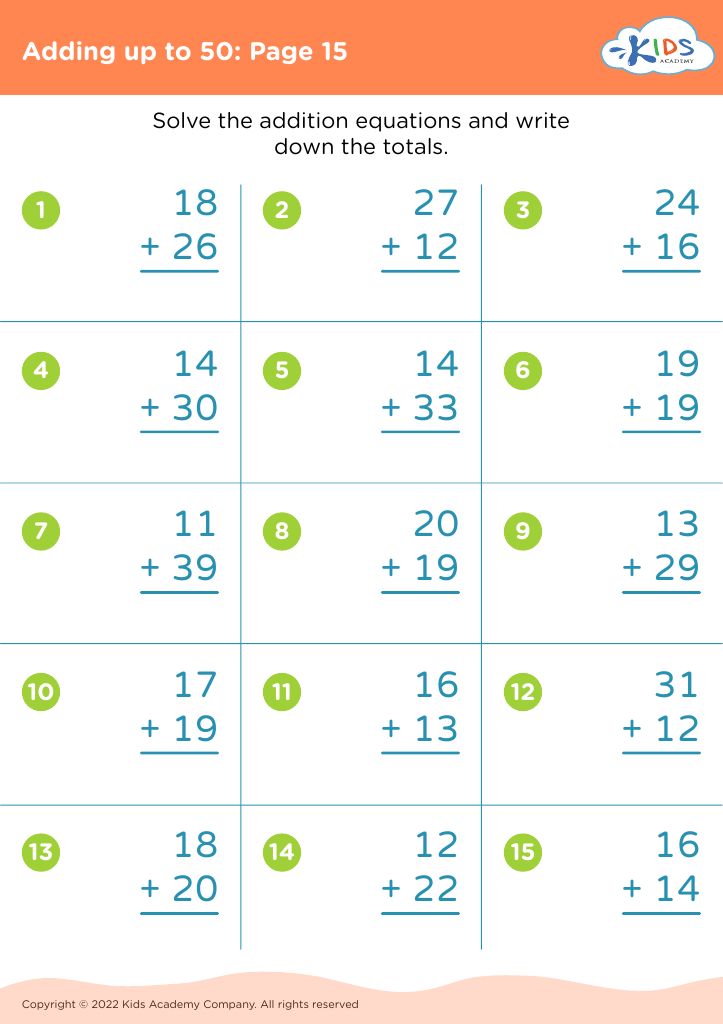
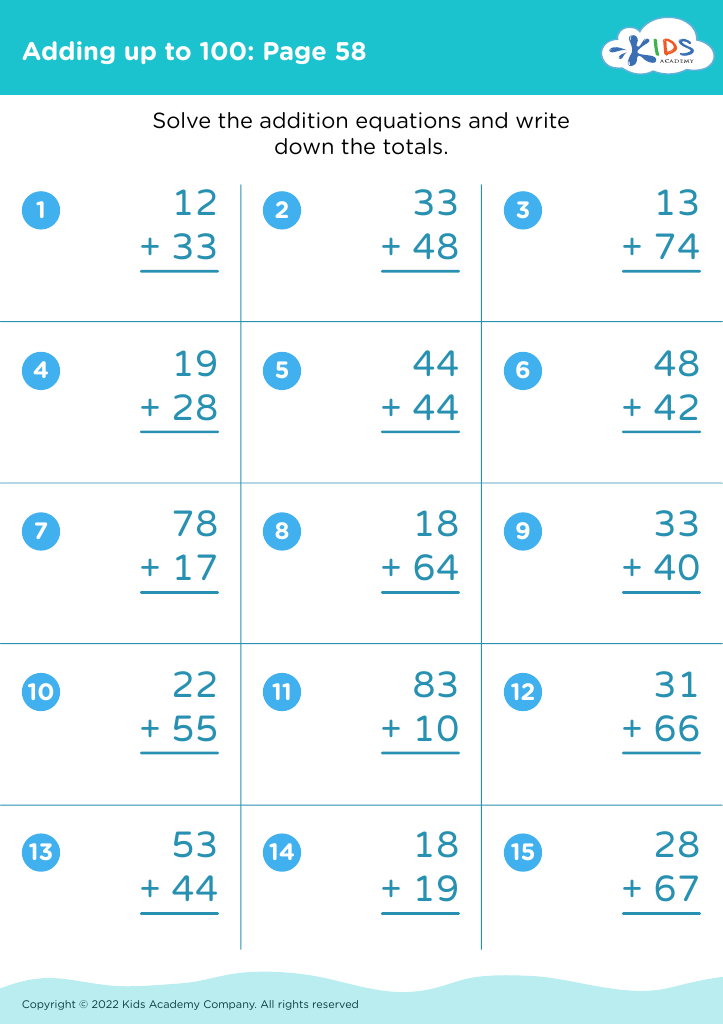








Fraction identification, addition, and subtraction are critical skills for 7-year-olds as they build the foundation for mathematical understanding and problem-solving abilities. At this developmental stage, children begin to recognize fractions as parts of a whole, facilitating their comprehension of concepts such as division and proportional reasoning later on.
Understanding fractions empowers kids to interpret everyday scenarios, such as sharing food or measuring ingredients, making math relevant and practical. When parents and teachers prioritize teaching fractions, they foster not only numerical proficiency but also confidence in tackling more complex mathematical concepts.
Furthermore, mastering fraction addition and subtraction enhances logical thinking and boosts critical analytical skills. Children learn how to compare fractions, identify common denominators, and operate with them, which is essential for more advanced topics like mixed numbers and geometry.
By investing time in fraction education, parents and teachers encourage a deep understanding of number sense, which is crucial for future academic success. Early exposure to these concepts ensures that children develop a solid mathematical framework, reducing anxiety toward math in later years and promoting a positive attitude toward learning as they transition into more challenging math curricula.








