
Number identification Addition & Subtraction Worksheets for 7-Year-Olds
4 filtered results
Difficulty Level
Grade
Age
-
From - To
Subject
Activity
Standards
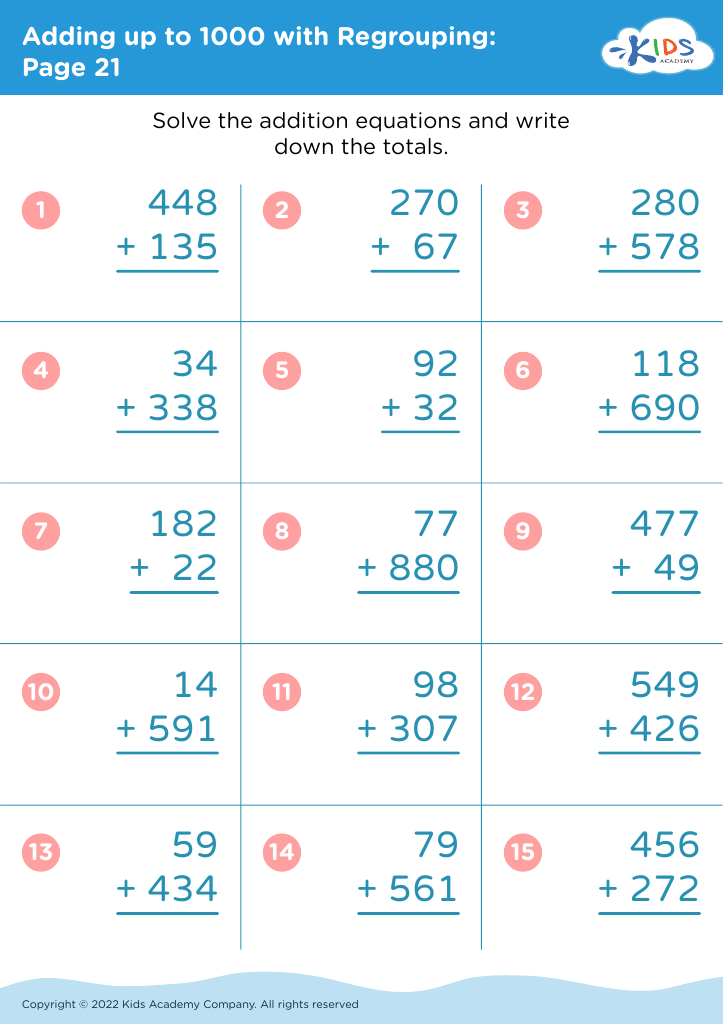
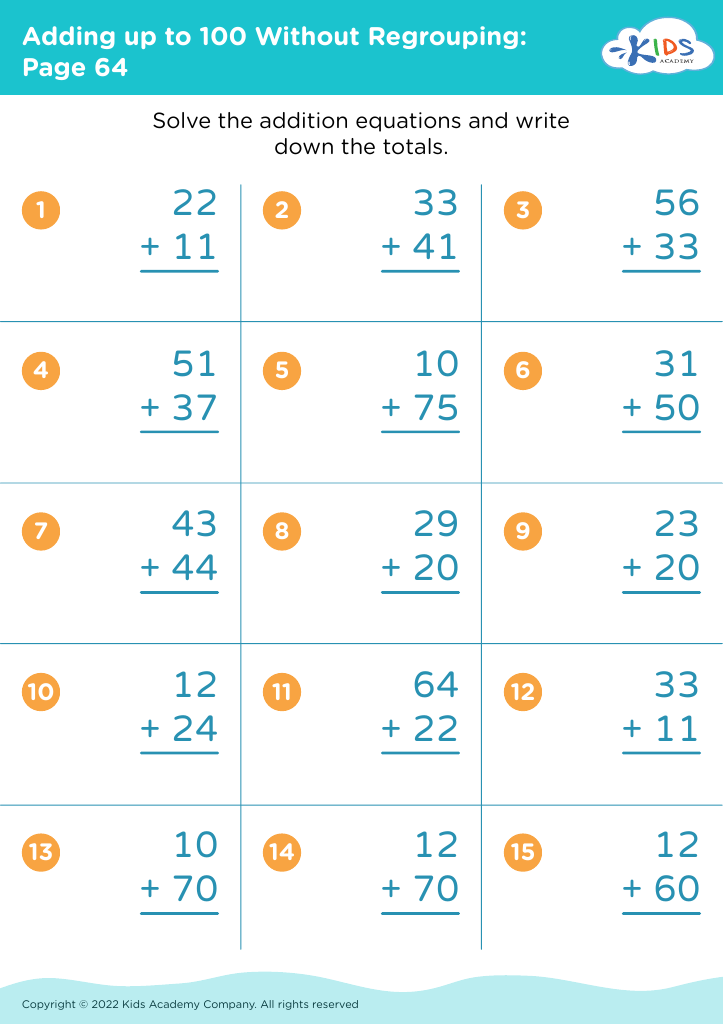
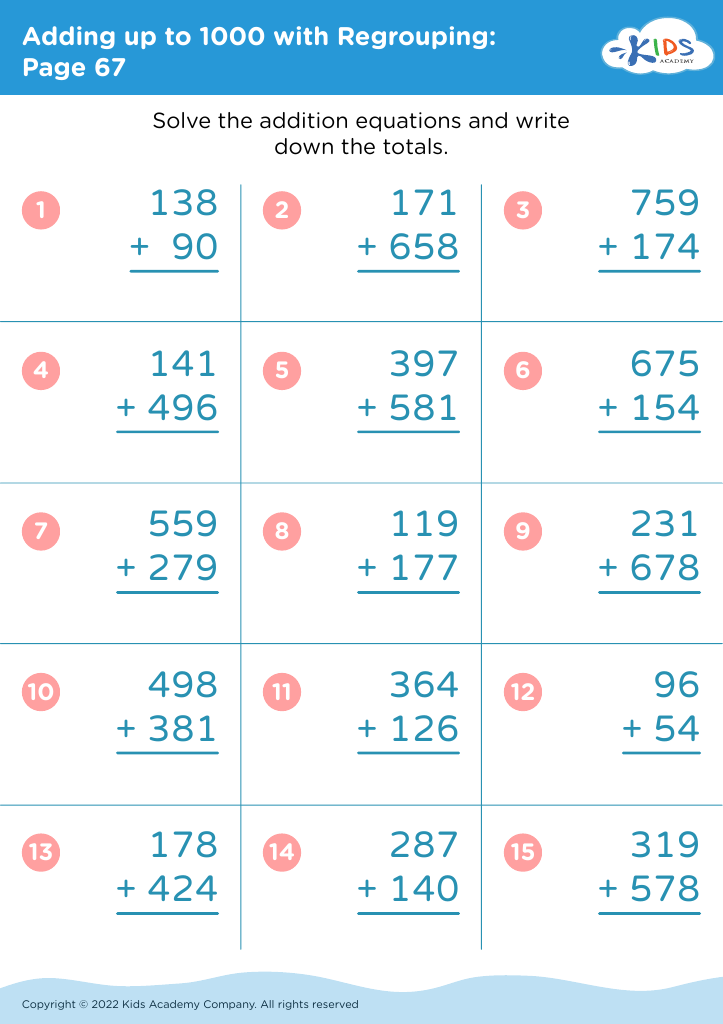
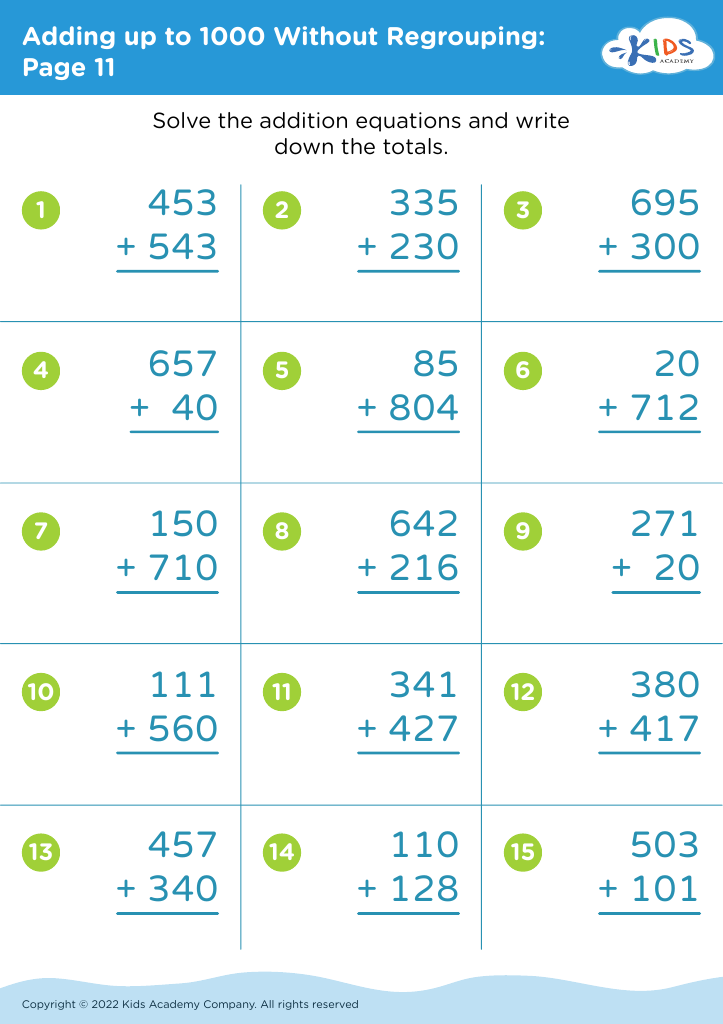
Our "Number Identification, Addition & Subtraction Worksheets for 7-Year-Olds" are carefully crafted to enhance your child's math skills. These engaging activities focus on recognizing numbers, basic addition, and subtraction, tailored for young learners. Each worksheet combines fun elements with educational content, ensuring a balanced approach to learning that captures kids' interest. By practicing with these worksheets, your child will build a strong number foundation, boost their confidence in mathematics, and develop problem-solving abilities essential for their academic success. Perfect for both classroom and home use, they're an excellent tool for your child's growth in math.
Favorites
With answer key
Interactive
Join Kids Academy for Free
Who is primarily going to use this learning content?








Number identification, addition, and subtraction are foundational skills that form the basis of early arithmetic and overall mathematical proficiency for 7-year-olds. Mastering these skills is crucial as they heavily influence a child's academic journey and daily life problem-solving abilities.
Firstly, number identification helps children recognize and understand numerals, an essential step towards fluent calculation and number sense. Without a strong grasp of number identification, children may struggle with more complex mathematical concepts in later years.
Addition and subtraction introduce children to the basic operations used in everyday situations, like calculating costs, measuring ingredients in recipes, or determining time intervals. Grasping these concepts boosts their confidence and independence.
Further, early competency in these skills develops cognitive abilities such as critical thinking and logical reasoning, making it easier for children to tackle problems systematically. This not only aids in mathematics but also helps in other academic areas by fostering a structured thought process.
From a socio-emotional standpoint, achieving fluency in number operations can lead to improved self-esteem. Children who feel competent in math are less likely to experience math anxiety and more likely to enjoy learning.
Thus, investing time and resources into teaching number identification, addition, and subtraction at an early age equips children with essential life skills, promotes academic success, and builds a solid foundation for advanced mathematical learning.








