
Telling time Addition & Subtraction Worksheets for 7-Year-Olds
3 filtered results
Difficulty Level
Grade
Age
-
From - To
Subject
Activity
Standards
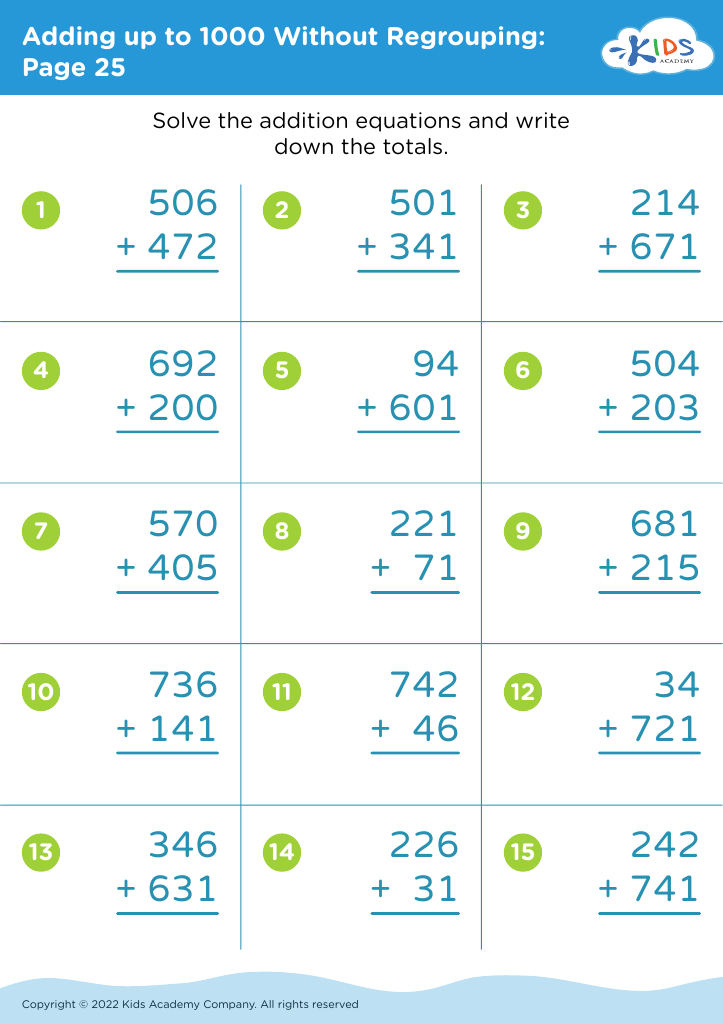
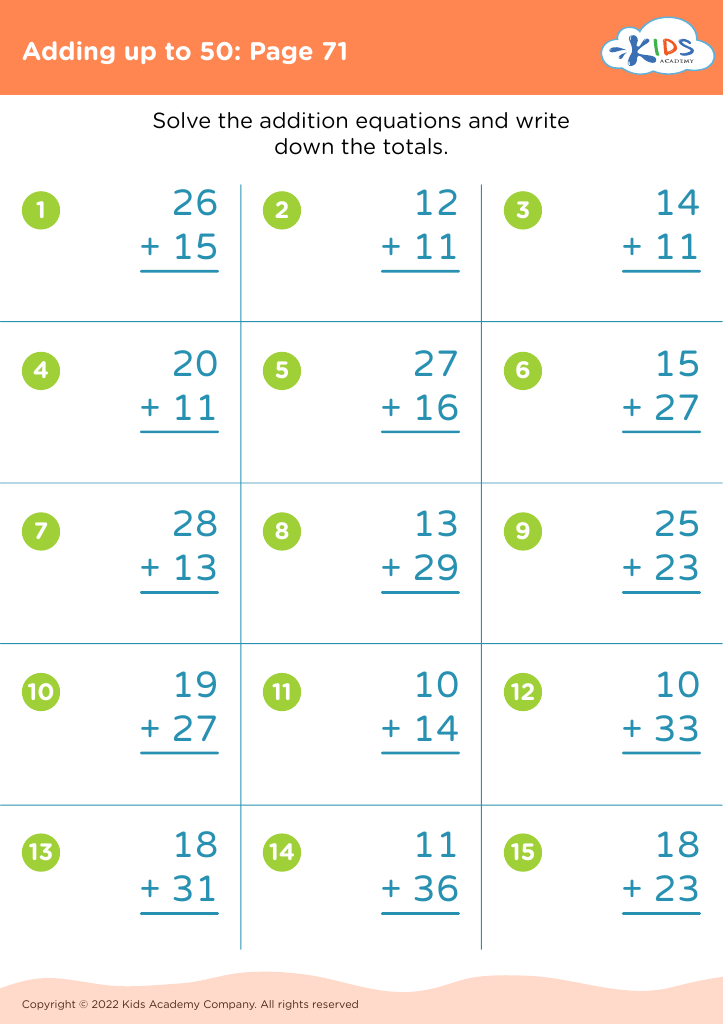
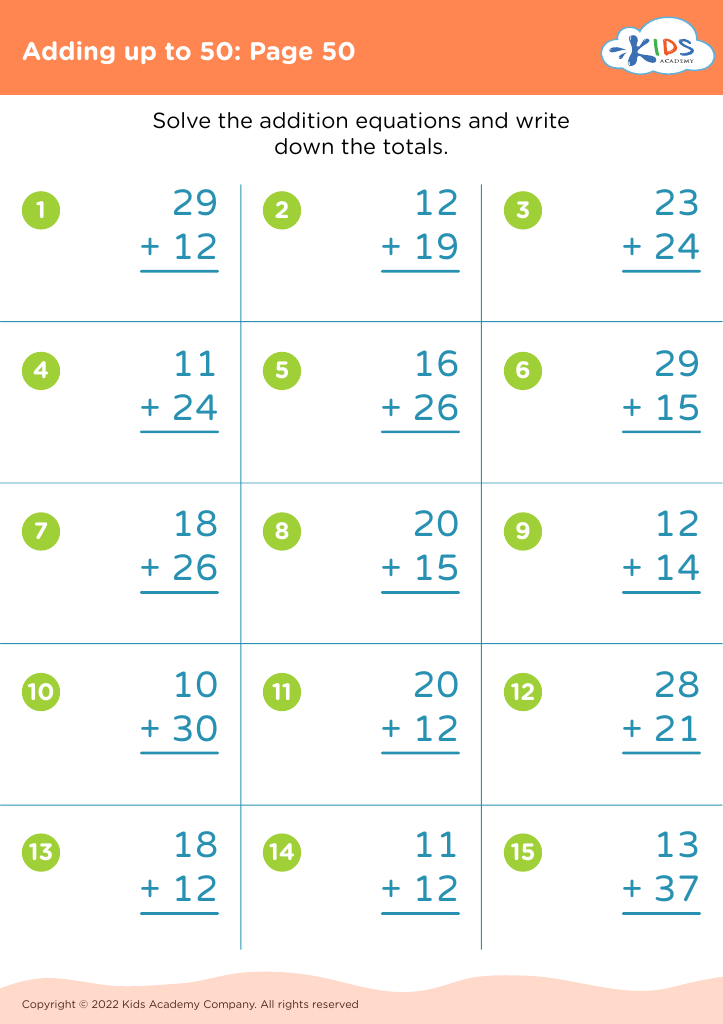
Boost your 7-year-old's math and time-telling skills with our expertly crafted Telling Time Addition & Subtraction Worksheets. Designed to combine essential arithmetic operations with learning to read clocks, these engaging worksheets reinforce basic math concepts while teaching time management. Each worksheet offers a variety of creative exercises that challenge young learners and make math fun. Perfect for classroom use or at-home practice, our resources help children enhance their problem-solving abilities and build a strong mathematical foundation. Visit our page now to cultivate a love for learning in your child with these interactive worksheets.
Favorites
With answer key
Interactive
Join Kids Academy for Free
Who is primarily going to use this learning content?








Understanding telling time, addition, and subtraction at the age of 7 lays a crucial foundation for a child's future academic and daily life skills. At this developmental stage, children are typically in the second grade and are rapidly advancing both cognitively and socially. Mastering these fundamental concepts is essential for several reasons.
Firstly, telling time teaches kids the importance of routines, punctuality, and time management. As they engage in various activities throughout their day, knowing how to read a clock helps them comprehend the concept of time passing, deadlines, and scheduling.
Addition and subtraction, on the other hand, are the building blocks of all subsequent mathematical learning. Those skills are integral to problem-solving and critical thinking. Developing competency in these areas enables children to approach more complex mathematical concepts with confidence and ease. From handling money, measuring ingredients for a recipe, or even solving puzzles, basic arithmetic skills are indispensable in practical tasks.
Furthermore, mastering these skills at the appropriate age can boost a child’s confidence and academic self-esteem, which positively impacts their overall educational experience. Early competence in these areas reduces math anxiety and sets a positive trajectory for their continued education.
In short, guiding children to understand time-telling and basic arithmetic equips them with essential life skills and a strong academic foundation for their future learning endeavors.








