
Understanding money Addition & Subtraction Worksheets for 7-Year-Olds
4 filtered results
Difficulty Level
Grade
Age
-
From - To
Subject
Activity
Standards
Discover our engaging "Understanding Money Addition & Subtraction Worksheets," specially designed for 7-year-olds. These interactive worksheets help young learners master essential math skills while gaining practical knowledge about money. Through colorful visuals and relatable scenarios, children will practice adding and subtracting with coins and bills, making math both fun and relevant. Each worksheet encourages critical thinking and problem-solving, enabling kids to develop confidence in their math abilities. Perfect for classrooms or at-home learning, these resources foster an essential understanding of money and enhance early numeracy skills for a brighter financial future. Explore our collection and watch your child thrive!
Favorites
With answer key
Interactive
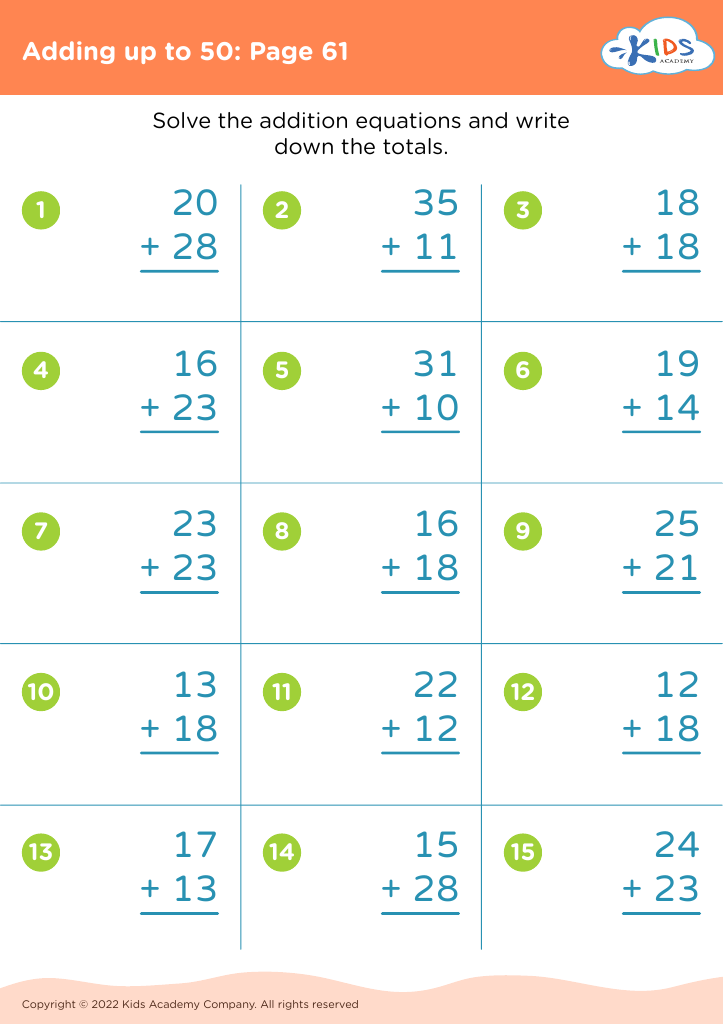
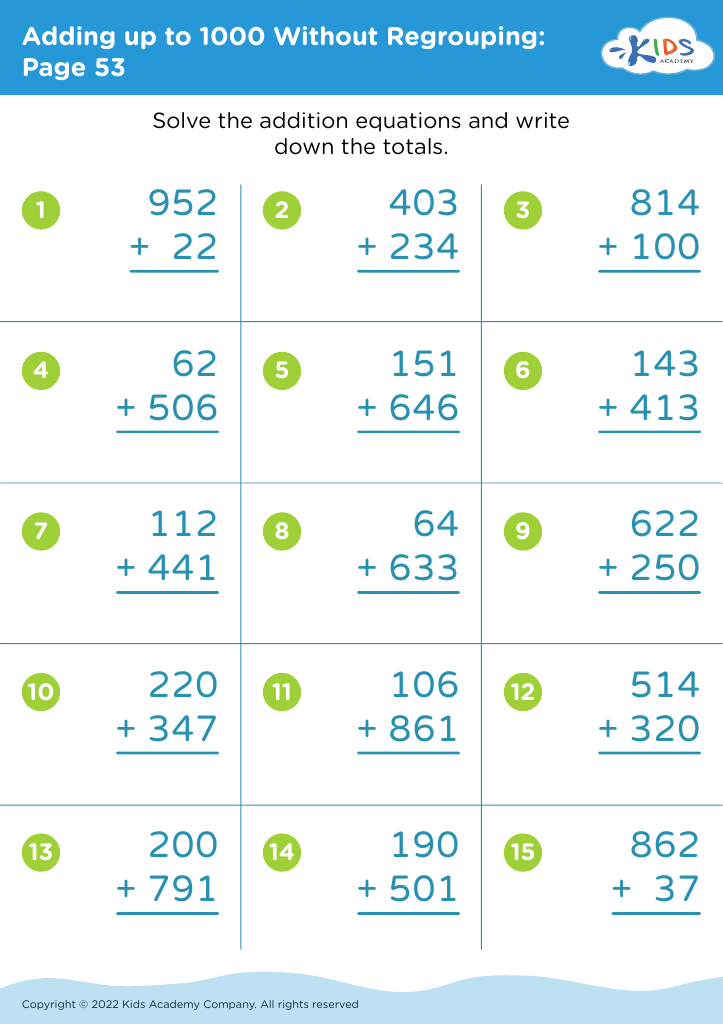
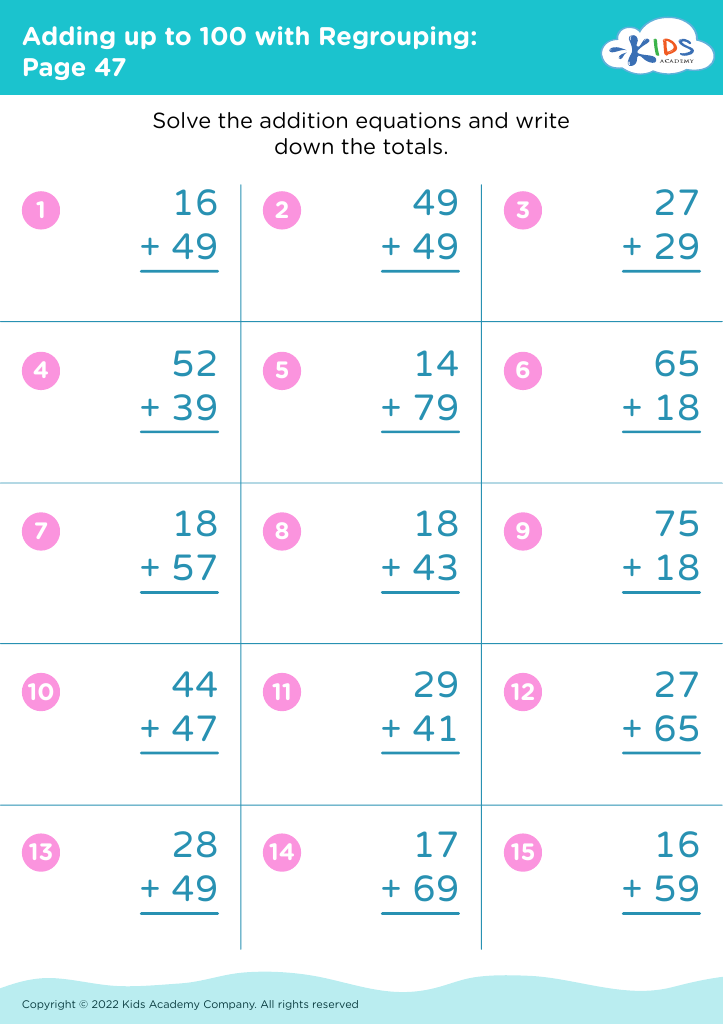
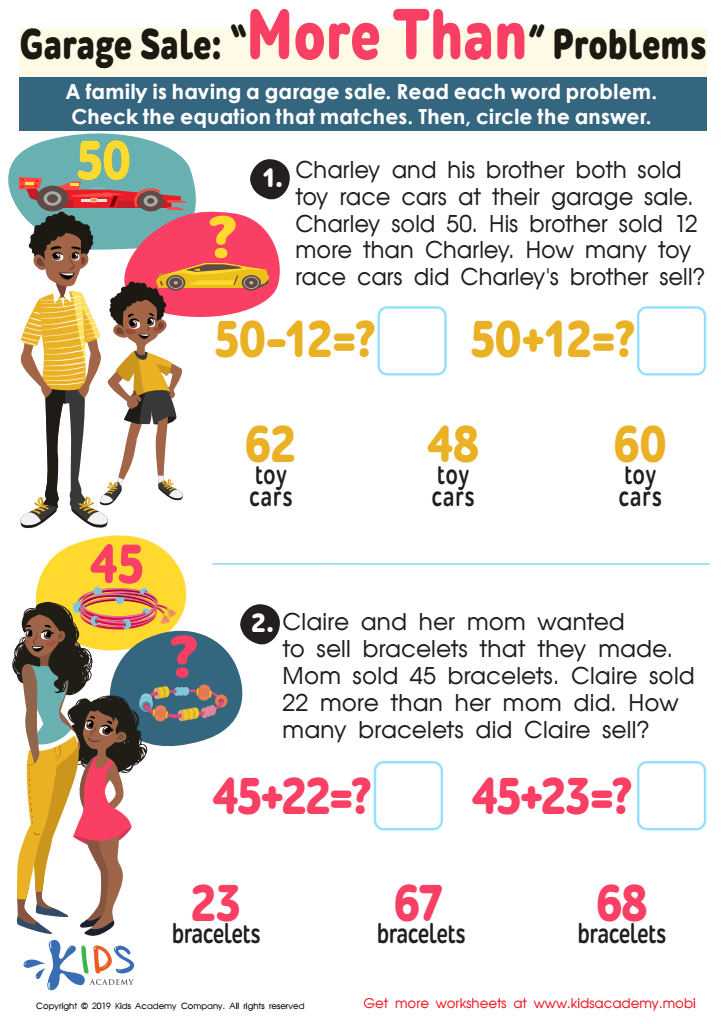
Garage Sale - More yhan Worksheet
The whole family can join in on the fun with this free worksheet! It helps kids practice math word problems while assisting their friends with a garage sale. Kids learn to identify "More Than" key words and pick the right equation, improving their order of operations skills. Download the PDF and get started!
 Assign to My Students
Garage Sale - More yhan Worksheet
Worksheet
Join Kids Academy for Free
Who is primarily going to use this learning content?








Understanding money, addition, and subtraction is vital for 7-year-olds as it lays the foundation for essential life skills. At this age, children are increasingly exposed to money, whether through small transactions, classroom activities, or observing adults. By teaching them the basics of money management alongside addition and subtraction, parents and teachers can equip children with practical skills that extend beyond academics.
Learning to add and subtract amounts helps children comprehend the value of money and understand how to make simple purchases, calculate change, and appreciate the importance of budgeting. This understanding fosters independence and boosts self-confidence, as children can confidently make decisions involving their allowance or savings.
Moreover, these skills promote critical thinking and problem-solving abilities. Engaging students in real-world scenarios, such as setting up a mock store in the classroom or creating budget plans at home, enhances their numerical aptitude while making learning interactive and fun.
Ultimately, the goal is to prepare children for future financial literacy, empowering them to develop responsible financial habits. Parents and teachers play a crucial role in nurturing these skills early on to ensure children can navigate their financial futures successfully.








