
Understanding money Addition Worksheets for 7-Year-Olds
3 filtered results
Difficulty Level
Grade
Age
-
From - To
Subject
Activity
Standards
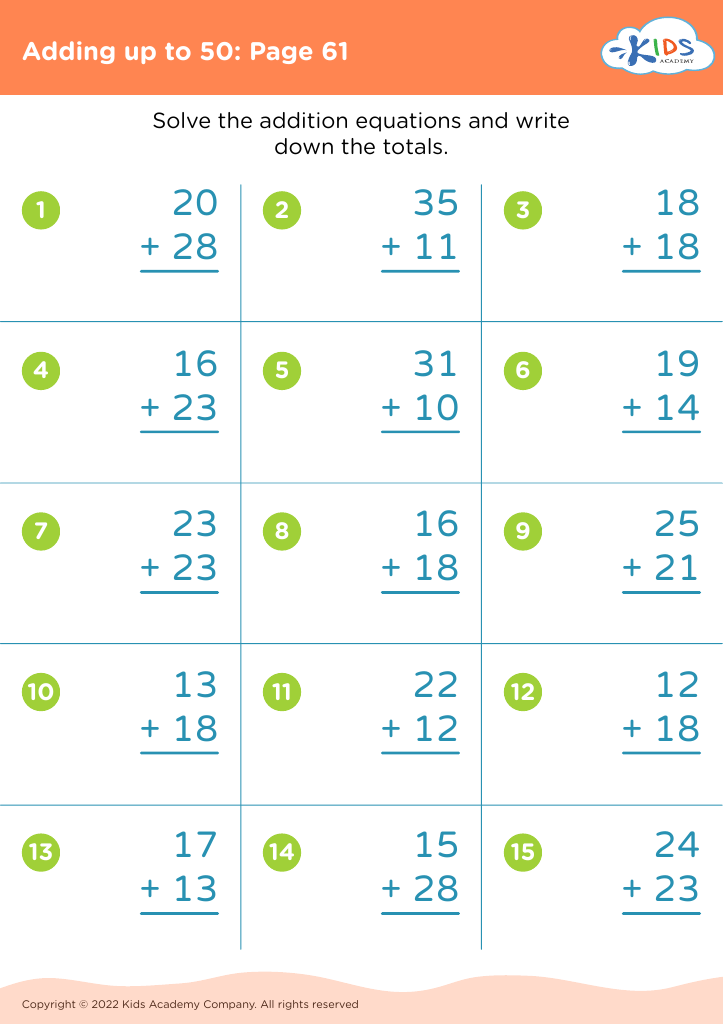
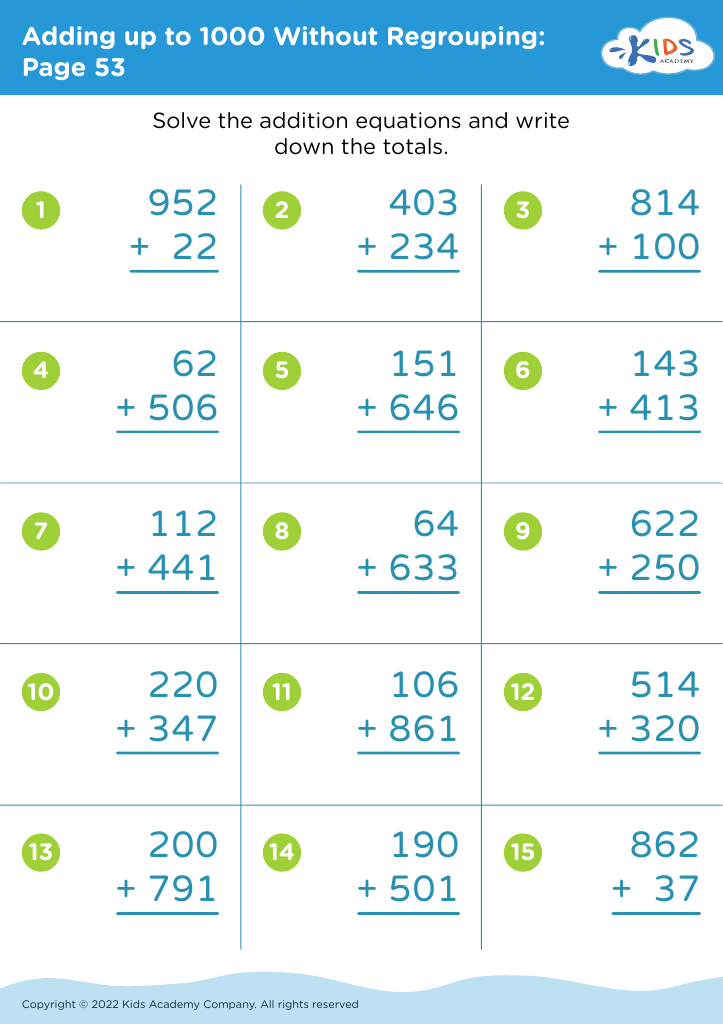
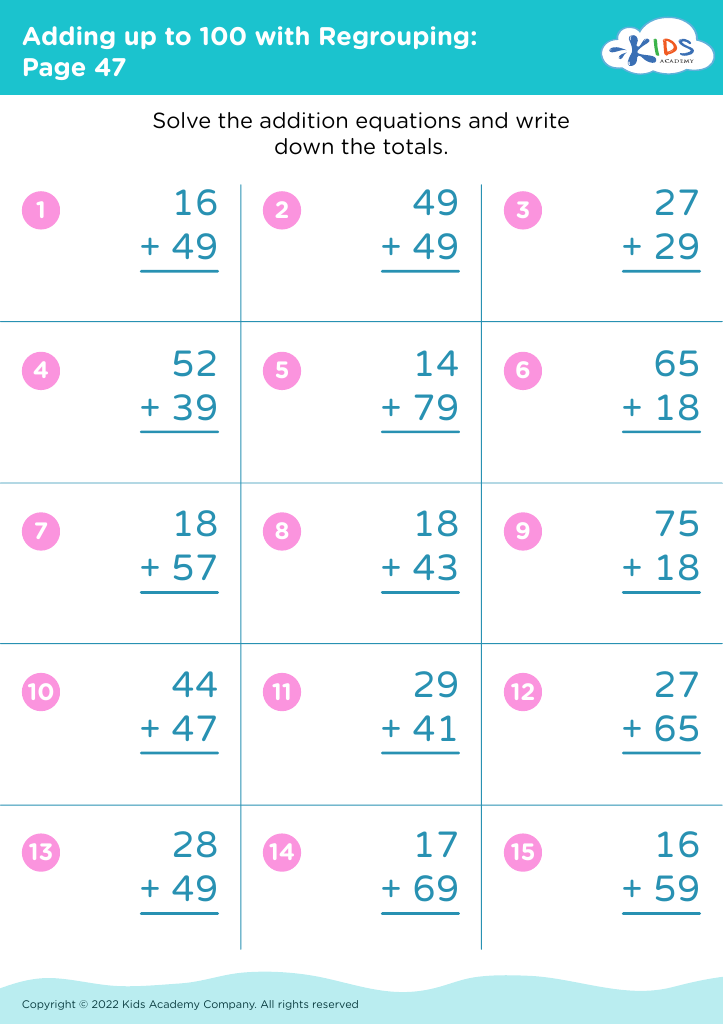
Discover our "Understanding Money Addition Worksheets for 7-Year-Olds," designed to make learning fun and engaging! These worksheets help young learners master addition through relatable money scenarios, enhancing their math skills while familiarizing them with real-world concepts. Your child will practice adding coins and bills visually, building both confidence and competence in handling money. Whether at home or in the classroom, these interactive resources cater to diverse learning styles, igniting curiosity and promoting essential financial literacy. With clear instructions and colorful graphics, these worksheets encourage independent learning and ensure your child is well-prepared for future math challenges. Start exploring today!
Favorites
With answer key
Interactive
Join Kids Academy for Free
Who is primarily going to use this learning content?








Understanding money addition is crucial for 7-year-olds as it lays the foundation for essential life skills. At this age, children begin to develop their numerical abilities, and mastering the concept of money helps connect these skills to real-world applications. When children learn to add money, they not only practice basic arithmetic but also develop an understanding of value, budgeting, and financial literacy.
For parents and teachers, prioritizing money addition encourages children to grasp the importance of saving, spending wisely, and making informed financial decisions. These early lessons can foster responsible attitudes toward money, helping children to avoid financial pitfalls in the future. The skills learned through money addition also enhance critical thinking, problem-solving abilities, and confidence, as kids gain a sense of independence by managing their own money during activities such as shopping or saving for a desired item.
Moreover, teaching money addition can be engaging and fun, allowing for hands-on activities and games that make learning interactive. Overall, a solid foundation in money addition not only supports basic math skills but also prepares children for economic realities as they grow, empowering them to navigate the world with confidence in their financial dealings.








