Alphabet Recognition Math Worksheets for 7-Year-Olds
5 filtered results
-
From - To
Unlock the world of letters and numbers with our Alphabet Recognition Math Worksheets for 7-Year-Olds! Designed to combine playful learning with essential educational skills, these worksheets make recognizing letters and solving math problems engaging and fun. Each sheet features vibrant illustrations and activities that enhance cognitive abilities, fine motor skills, and early math concepts, all while strengthening alphabet familiarity. Perfect for home or classroom use, our resources cater to various learning styles, ensuring every child finds joy in discovery and mastery. Begin your child's educational journey today with our expertly crafted Alphabet Recognition Math Worksheets!
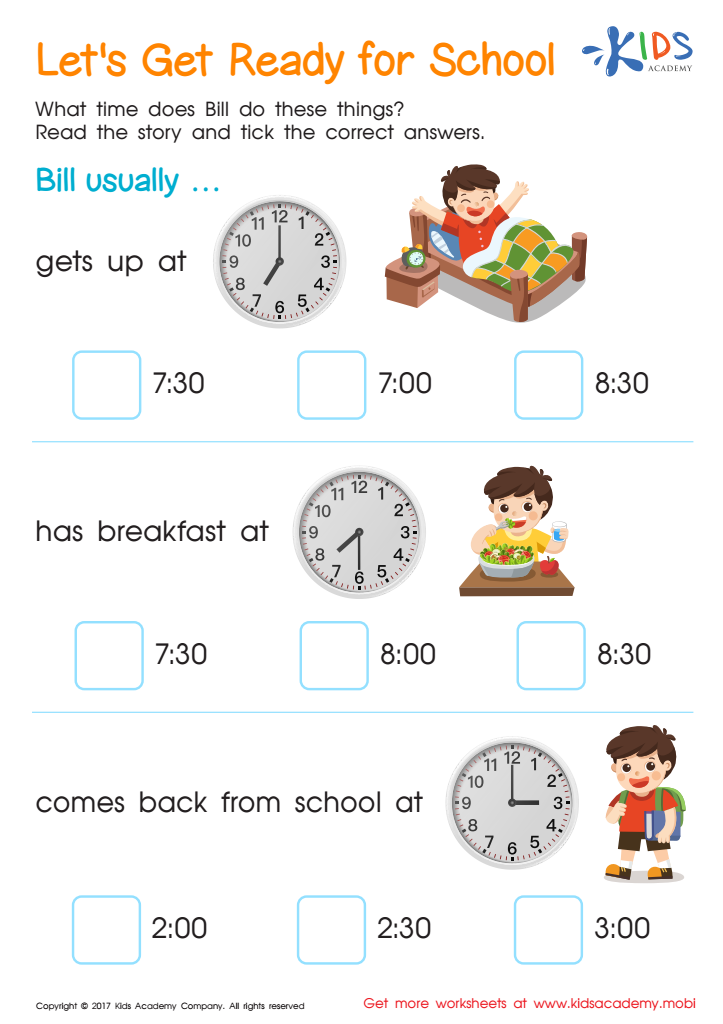
Lets Get Ready For School Time Printable
 Assign to My Students
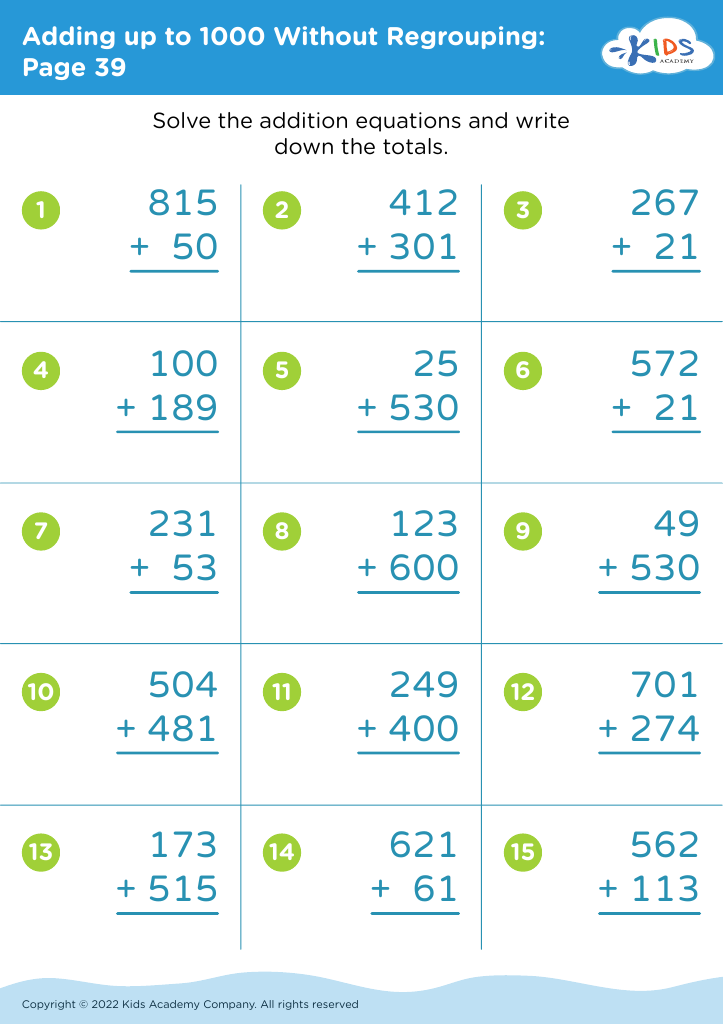








Alphabet recognition and early mathematics are foundational skills that play a crucial role in a child's academic development, especially by age seven. Fostering these skills at an early age can greatly benefit children's educational journey.
First, mastering alphabet recognition is essential for developing literacy. It lays the groundwork for reading and writing, promoting better comprehension and communication skills. When children can easily identify letters and their corresponding sounds, they can start forming words and sentences more efficiently. This early exposure not only boosts their confidence but also sets a positive trajectory for future literacy endeavors.
Similarly, early math skills, such as counting, recognizing numbers, and basic arithmetic, are vital. These foundational math skills foster critical thinking, problem-solving, and logical reasoning. Engaging with numbers from a young age helps children understand patterns, measurement, and comparisons, which are integral to various aspects of everyday life and advanced learning later on.
Integrating alphabet recognition with math concepts, like identifying numbers in mathematical sequences or word problems, not only makes learning more interactive but also reinforces the interconnectedness of knowledge. Parents and teachers should care about this integration because it forms a solid scaffold for more complex subjects, enhancing overall cognitive development and academic readiness for higher-grade learning.








