Filters

34 filtered results

Clear all filters
Favorites
With answer key
Interactive

34 filtered results

Difficulty Level

Grade


Check out this FREE Trial Lesson on Math for age 7!

Questions about Data- How Many

Favorites
With answer key
Interactive
  • 7
  • Color Identification
  • Math
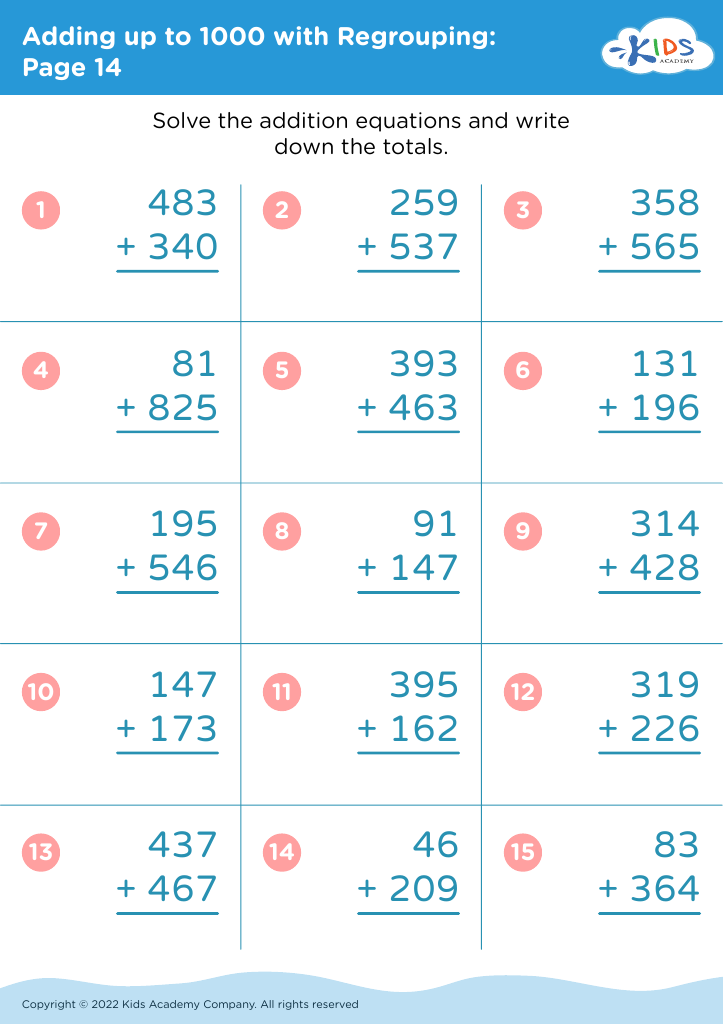
Adding up to 1000 with Regrouping: Page 14
Worksheet
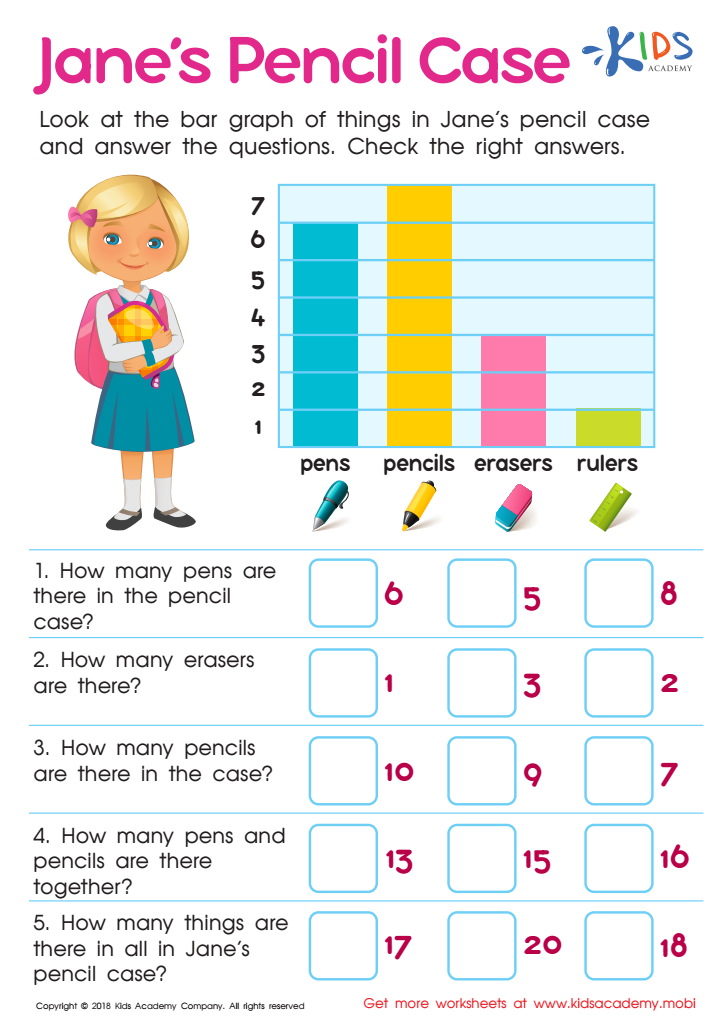
Jane's Pencil Case Worksheet

Jane's Pencil Case Worksheet

Help Jane organize her pencil case! Have your child look and the bar graph on the worksheet and interpret the data. Ask them to read each problem, then check the box next to the correct number. It's a fun way to practice reading graphs and reporting data.
Jane's Pencil Case Worksheet
Worksheet
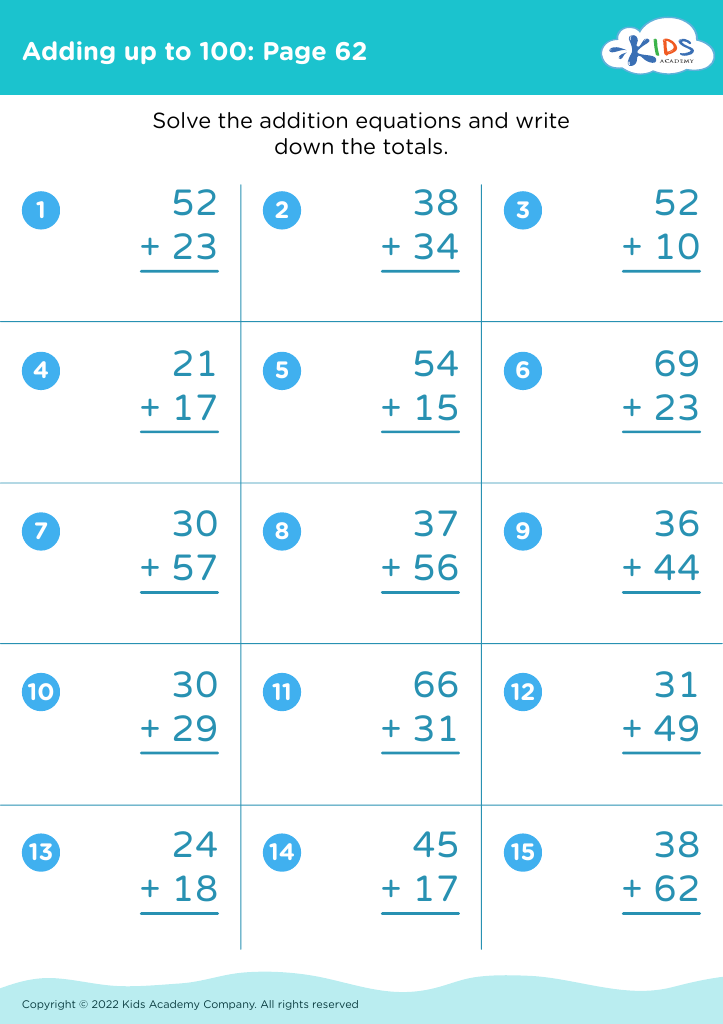
Adding up to 100: Page 62

Adding up to 100: Page 62

Adding up to 100: Page 62
Worksheet
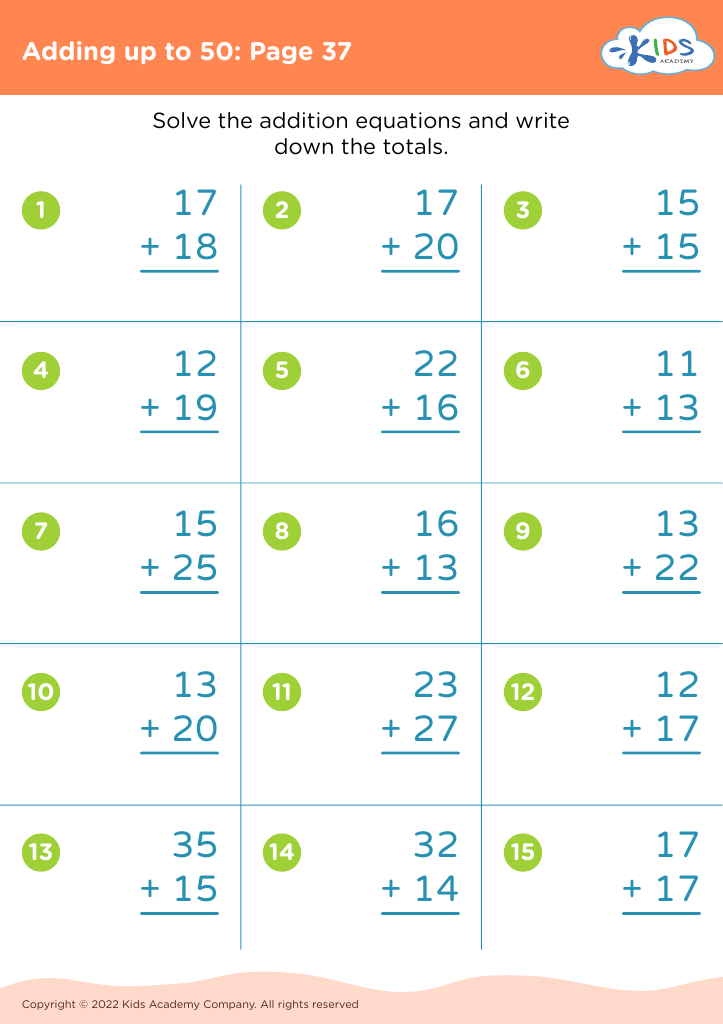
Adding up to 50: Page 37

Adding up to 50: Page 37

Adding up to 50: Page 37
Worksheet
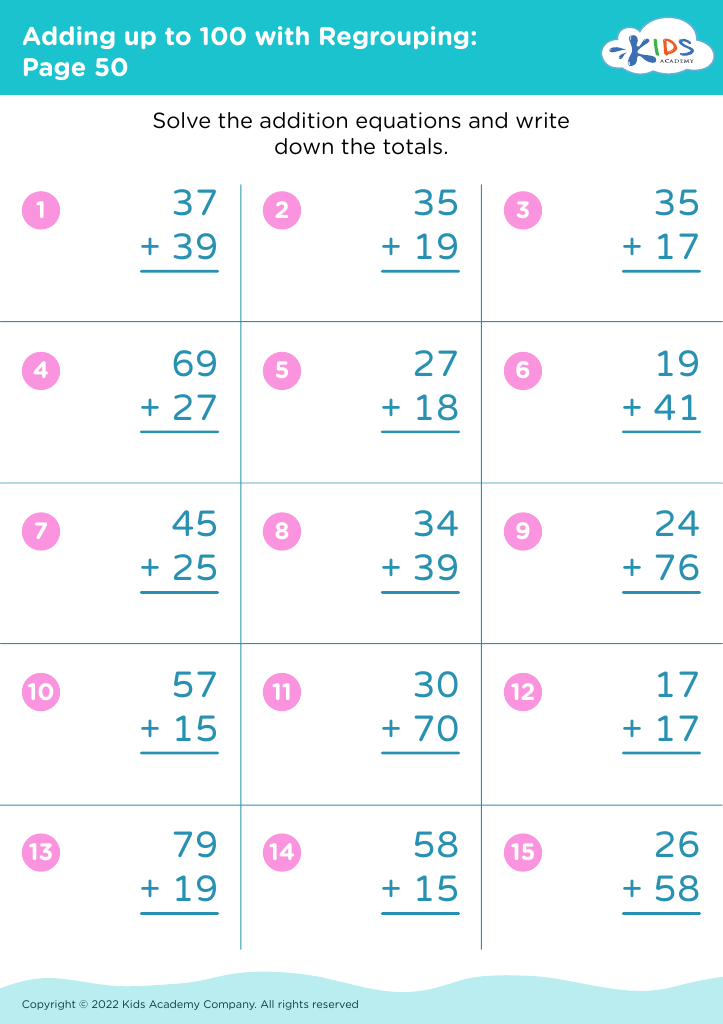
Adding up to 100 with Regrouping: Page 50
Worksheet
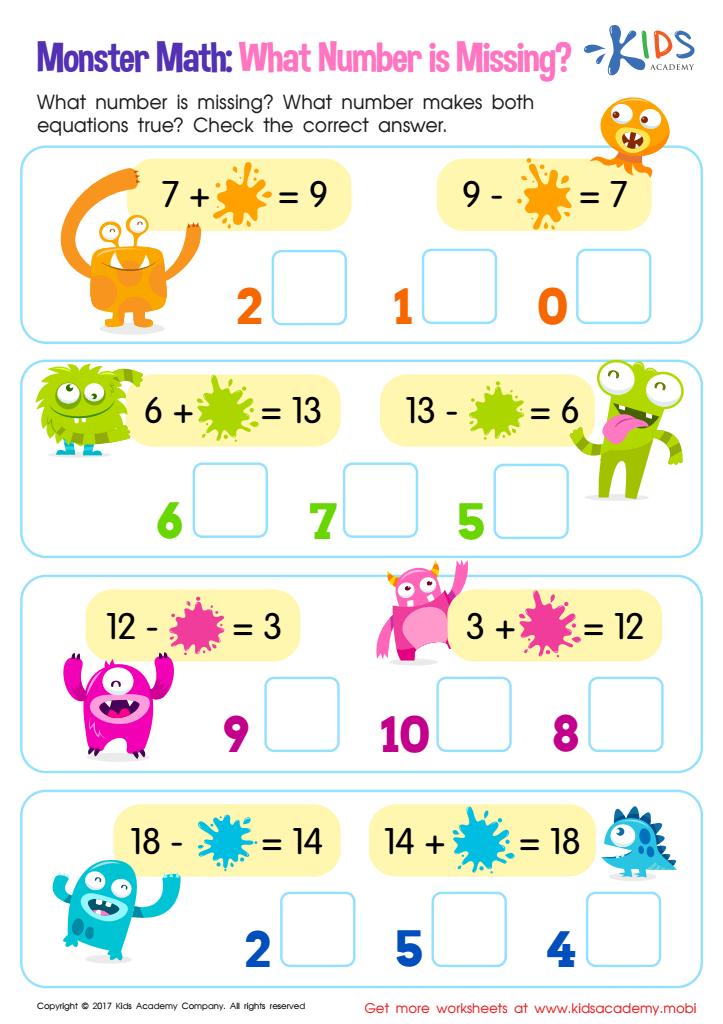
Missing Number: Monster Math Worksheet

Missing Number: Monster Math Worksheet

Engage your child in monster math fun with a worksheet! They'll need to use their counting, addition and subtraction skills to solve equations on both sides. On the left side, they must complete an addition problem and on the right, the equation is in subtraction form. Assist them in selecting the right number out of the given options to make both equations true.
Missing Number: Monster Math Worksheet
Worksheet
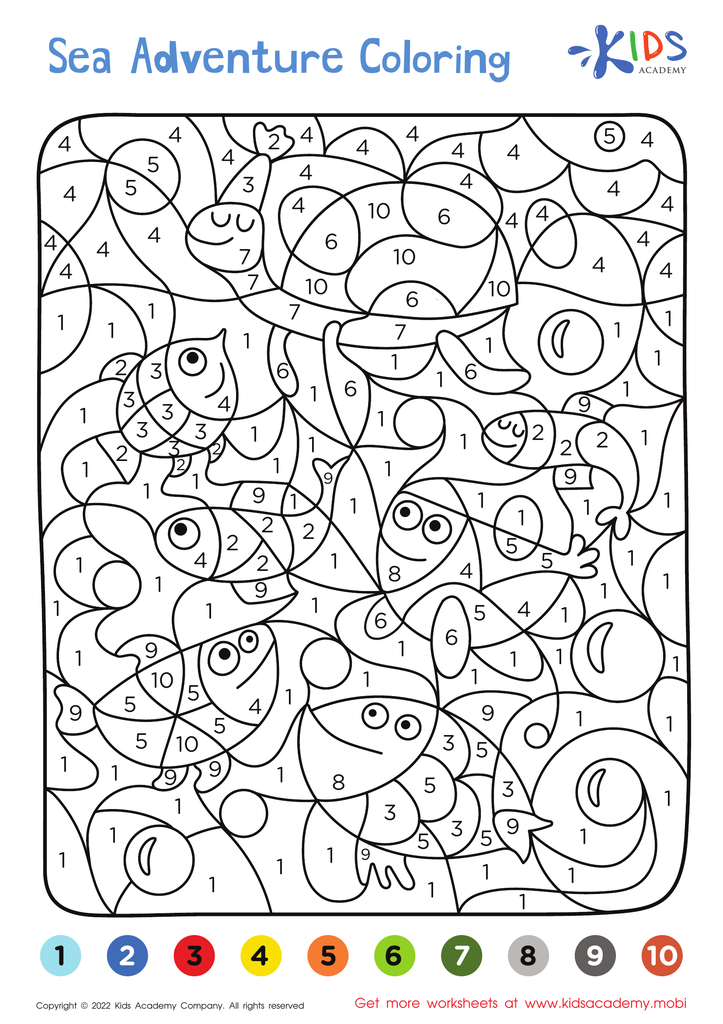
Sea Adventure – Coloring by Numbers

Sea Adventure – Coloring by Numbers

Unlock a sea adventure with a free coloring by numbers PDF page! Download now to get creative and fill the page with vibrant colors.
Sea Adventure – Coloring by Numbers
Worksheet
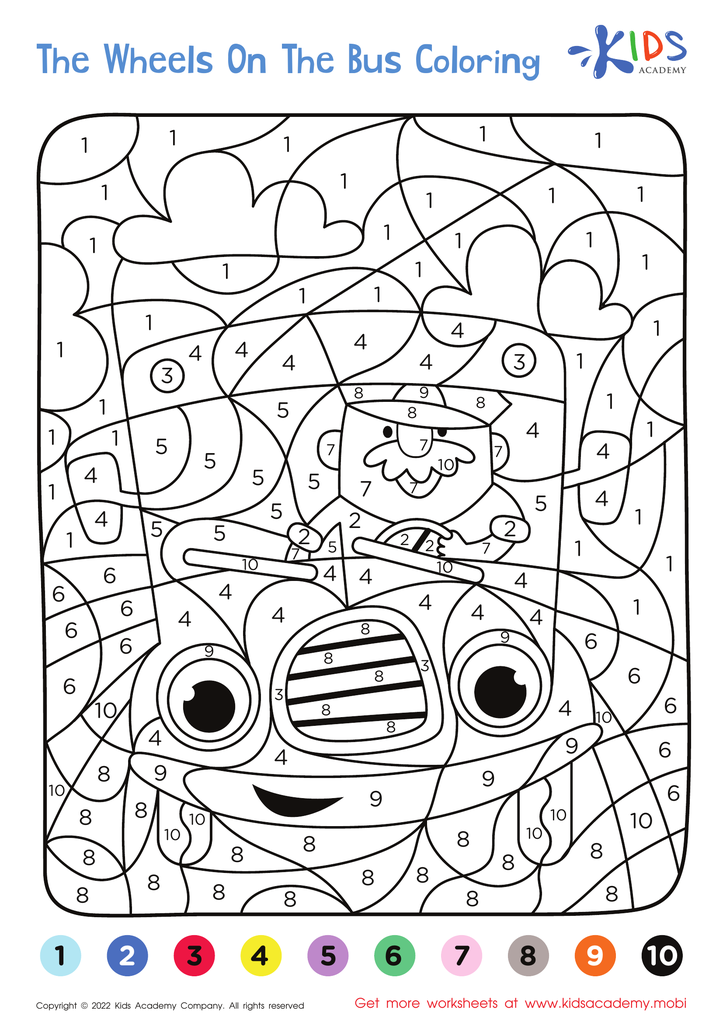
Wheels on the Bus – Coloring by Numbers

Wheels on the Bus – Coloring by Numbers

Download our free PDF page to color in the bus driver! Simply print, find the right colors, and start creating some fun! Have a great time and don't forget to share your masterpiece with us!
Wheels on the Bus – Coloring by Numbers
Worksheet
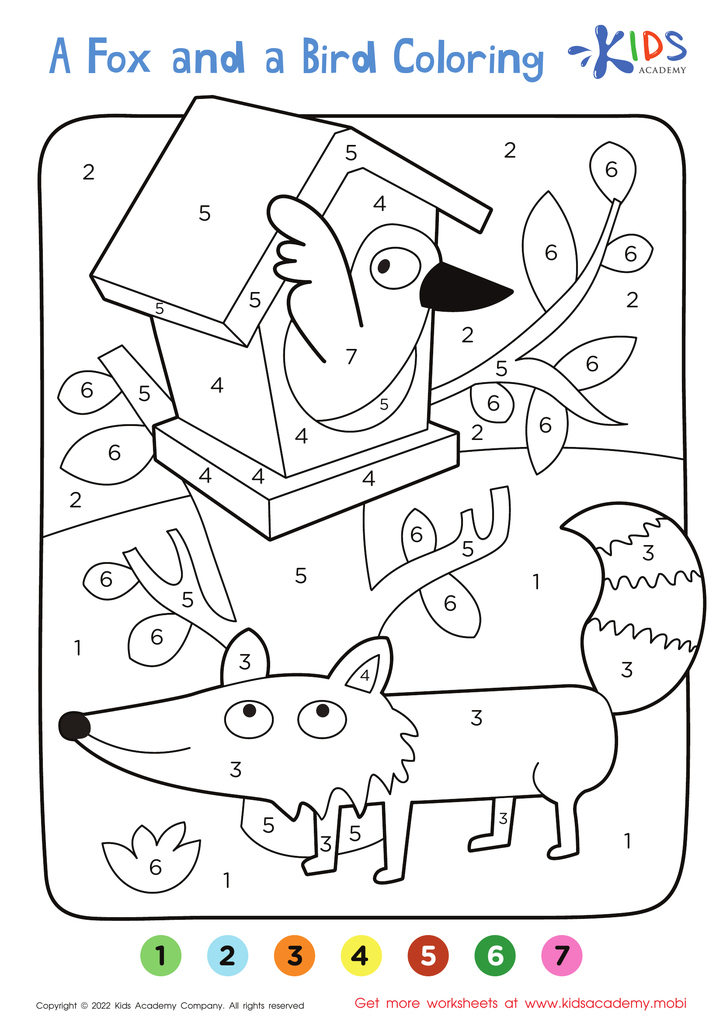
A Fox and a Bird – Coloring by Numbers

A Fox and a Bird – Coloring by Numbers

Download this free PDF page and color the fox and bird using numbers. Fun and easy way to be creative with the whole family! Spend quality time together and create something unique.
A Fox and a Bird – Coloring by Numbers
Worksheet
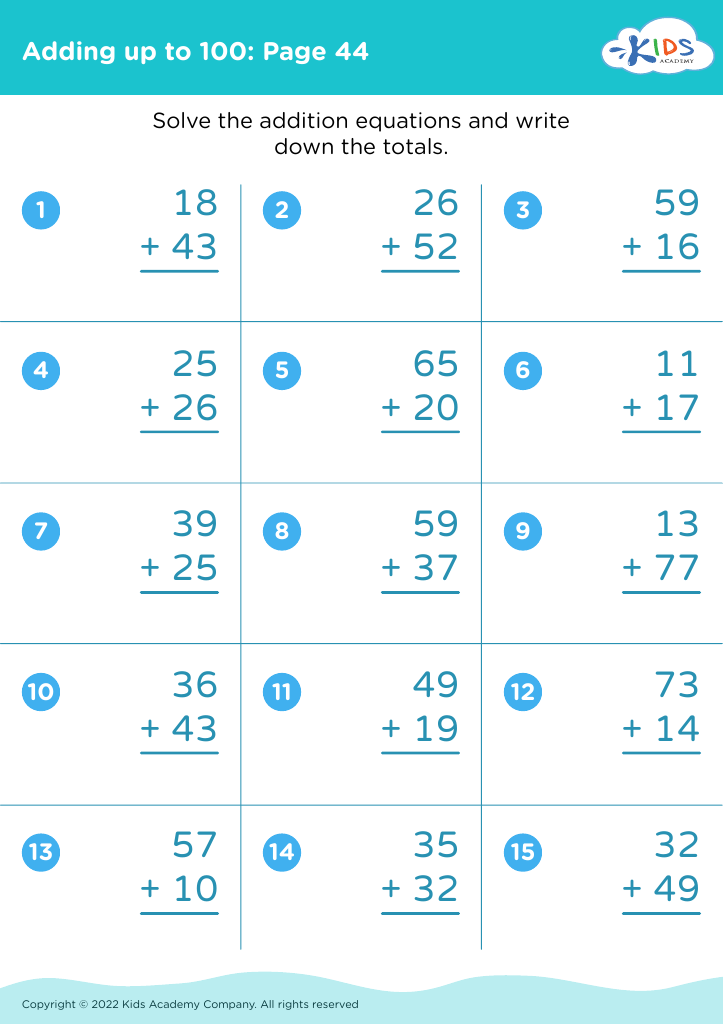
Adding up to 100: Page 44

Adding up to 100: Page 44

Adding up to 100: Page 44
Worksheet


Color identification is a fundamental skill that can significantly enhance a 7-year-old's learning experience, particularly in math. Understanding colors aids in the cognitive development of children, as they begin to make connections between visual representations and numerical concepts. For instance, when working with color-coded manipulatives or graphing materials, children can better visualize patterns, categorization, and sorting. This concrete representation helps in grasping abstract math concepts, such as addition, subtraction, and even basic data analysis.

Teachers and parents should care about color identification because it stimulates engagement and motivation in learning. When children interact with vibrant colors, they are more likely to remain focused and intrigued by their tasks, which can facilitate a deeper understanding of math. Additionally, incorporating color into educational activities nurtures fine motor skills through art-based projects, such as color sorting games or painting math-related concepts, thus enhancing overall learning outcomes.

Moreover, proficiency in color identification supports cross-curricular links, helping children connect math with art and the world around them. By fostering these skills early on, parents and teachers contribute to a stronger foundation for future academic success and critical thinking abilities, ensuring well-rounded education and development for the child.