Identifying fractions Math Worksheets for 7-Year-Olds
4 filtered results
-
From - To
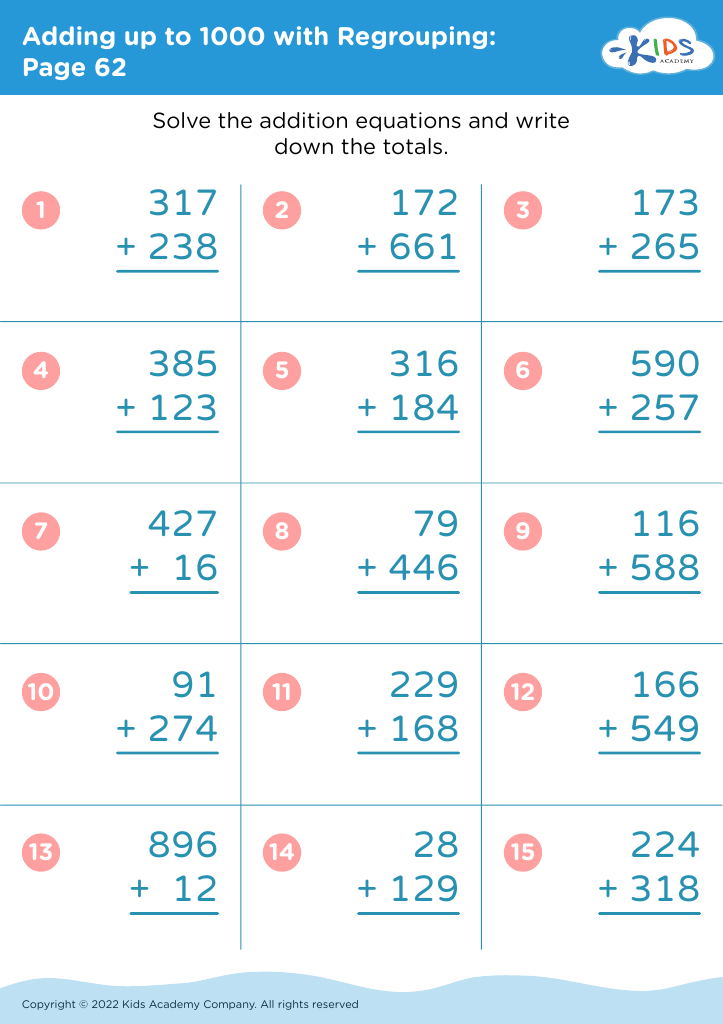
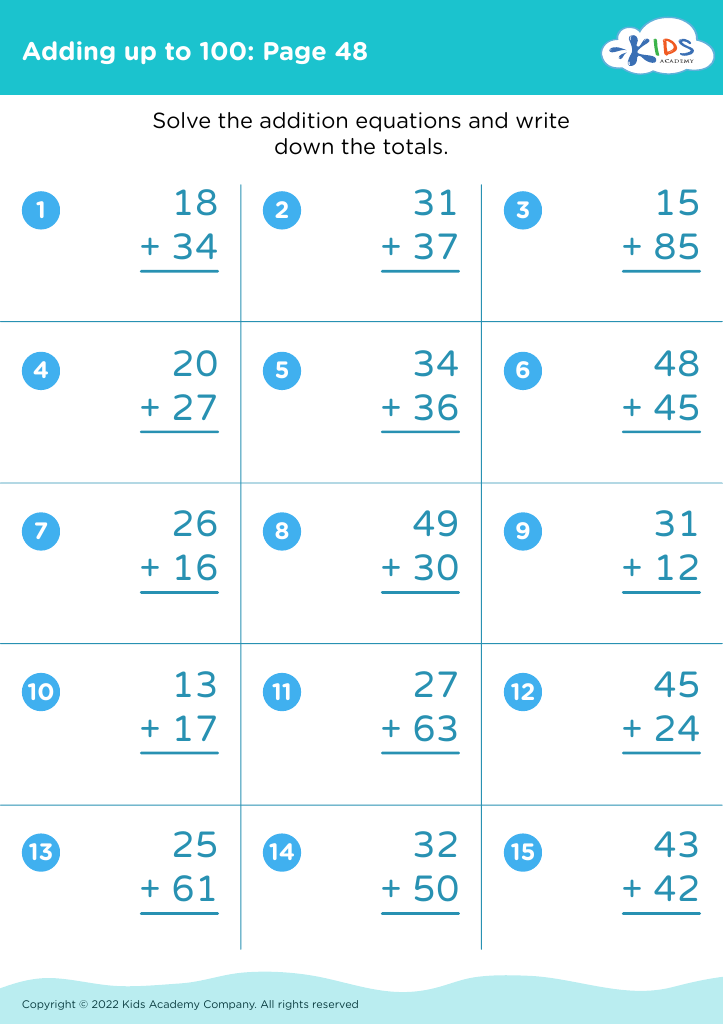
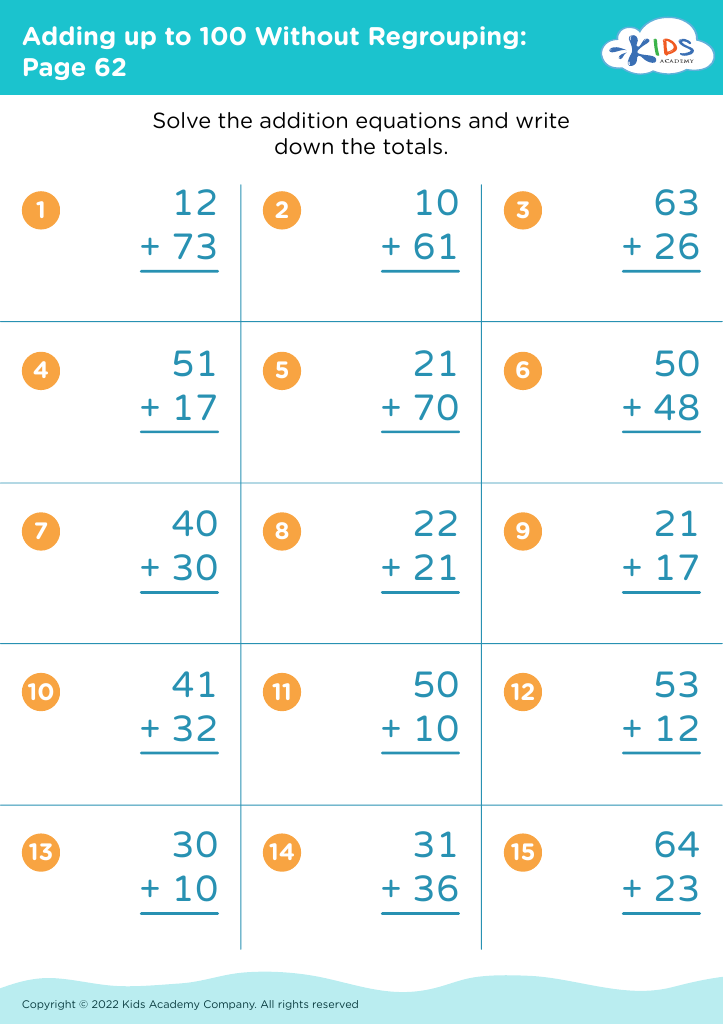
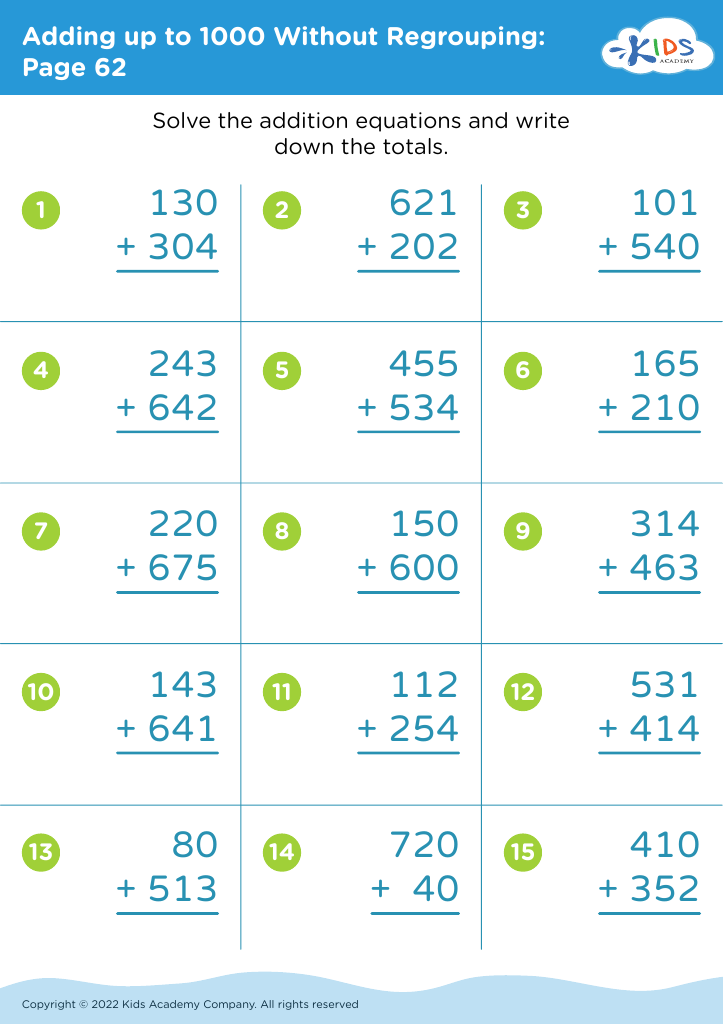
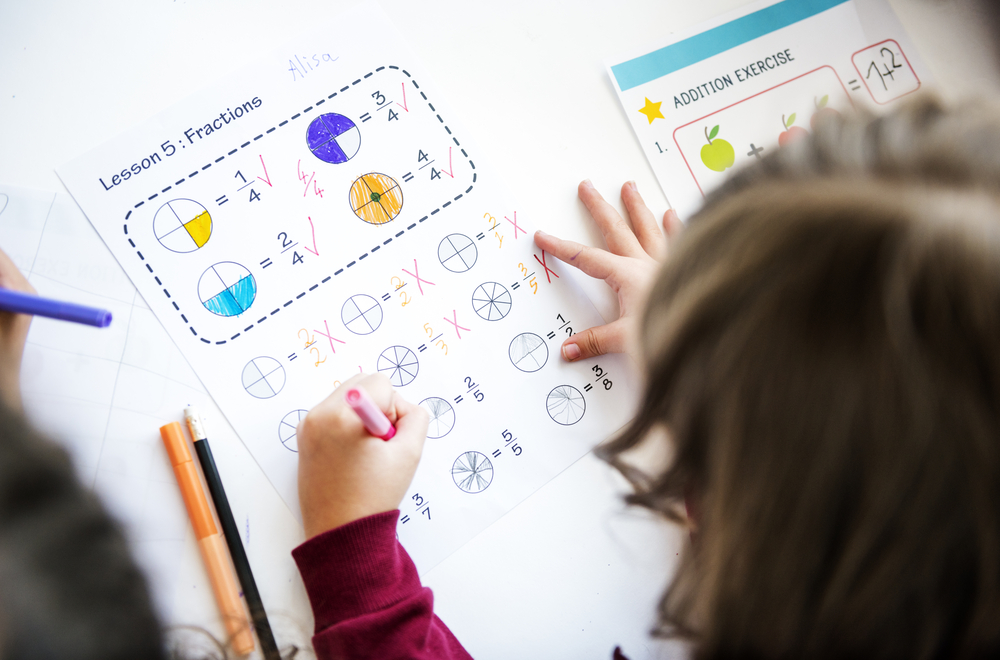
Our Identifying Fractions Math Worksheets for 7-Year-Olds are designed to build a solid foundation in fraction concepts. These worksheets are crafted to engage young learners with fun, vibrant illustrations and straightforward exercises that introduce halves, thirds, and quarters. Each activity combines visual aids and practical problems to help kids recognize and understand different fractions. By using our expertly designed materials, children can grasp key math skills while building confidence in their abilities. Ideal for classrooms and home learning alike, our resources make fractions accessible and enjoyable for every 7-year-old. Download and start learning today!




.jpg)
%20(1).jpg)
Identifying fractions at an early age is crucial for a child's mathematical development and future academic success. For 7-year-olds, understanding fractions lays the foundation for more advanced mathematical concepts such as ratios, percentages, and algebra. By grasping the idea of fractions, children develop a sense of numeracy that goes beyond whole numbers, enabling them to see the parts that make up a whole. This not only enhances their problem-solving skills but also applies to everyday situations, like dividing a cake or sharing equally with friends, thereby making math relatable and practical.
For parents and teachers, prioritizing early fraction education ensures that children do not struggle with math in later years, which is often a subject of significant anxiety for many students. When children learn how to identify and work with fractions early, they build confidence and fluidity with numbers, reducing fear and fostering a positive attitude towards math. Furthermore, strong early math skills are linked to better academic performance across subjects, as math enhances critical thinking and logical reasoning abilities.
In essence, by focusing on fractions for young learners, parents and teachers set the stage for lifelong mathematical proficiency and enthusiasm, creating a strong educational foundation that supports overall intellectual growth and development.








