
Time conversion skills Math Worksheets for 7-Year-Olds
3 filtered results
Difficulty Level
Grade
Age
-
From - To
Subject
Activity
Standards
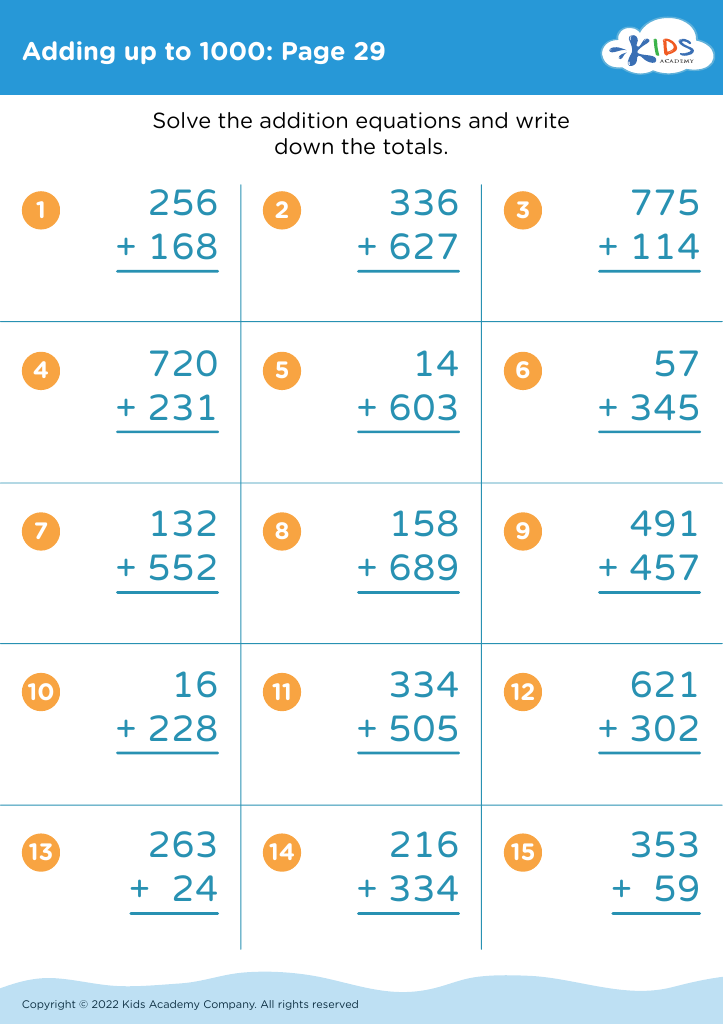
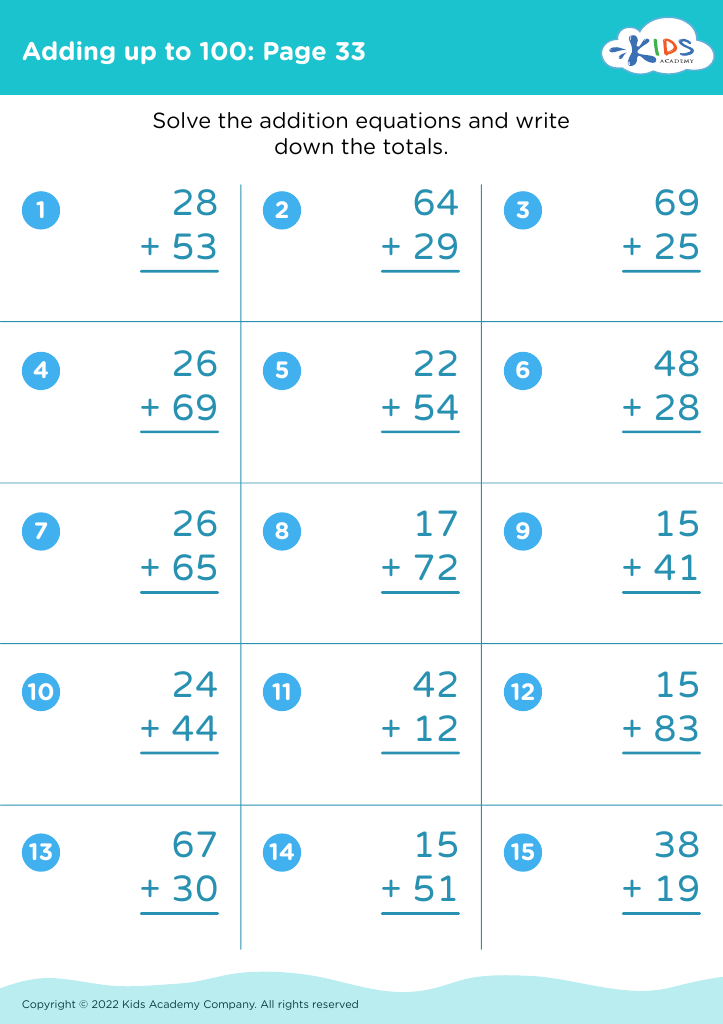
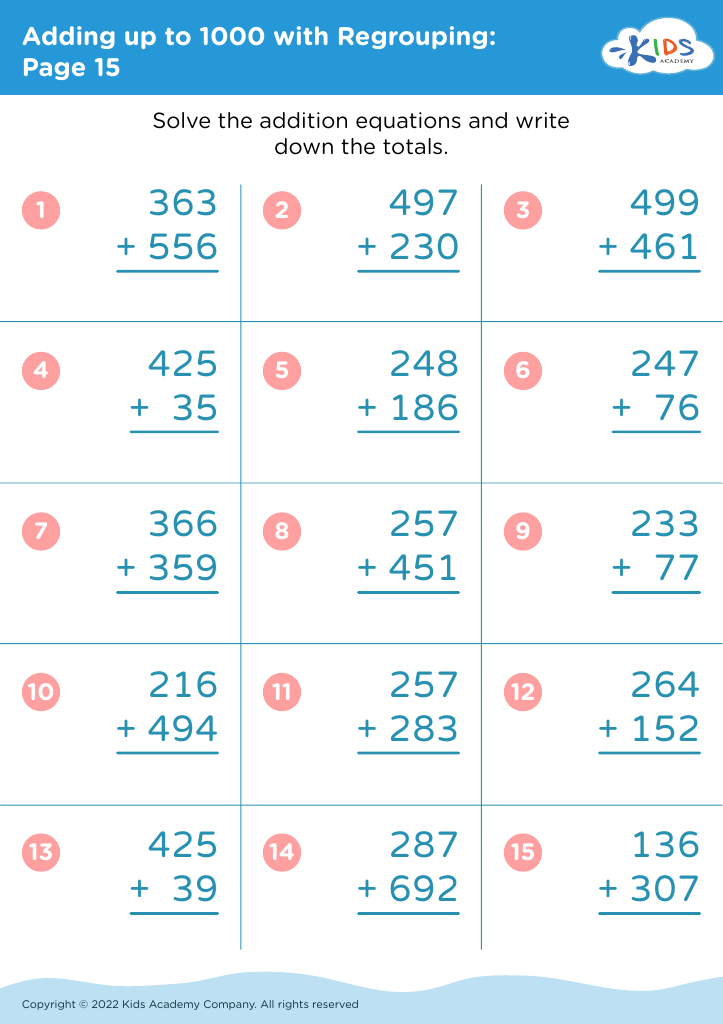
Enhance your 7-year-old's understanding of time with our engaging Time Conversion Skills Math Worksheets! Designed specifically for young learners, these printable resources help children master essential skills such as converting between hours, minutes, and seconds. Each worksheet offers a variety of fun exercises, including puzzles and word problems, to keep kids motivated and interested in learning. Ideal for both classroom and home use, these worksheets not only reinforce mathematical concepts but also promote critical thinking and problem-solving abilities. Help your child build confidence in their time management skills while enjoying the process of learning! Download now for a fun educational experience!
Favorites
With answer key
Interactive
Join Kids Academy for Free
Who is primarily going to use this learning content?




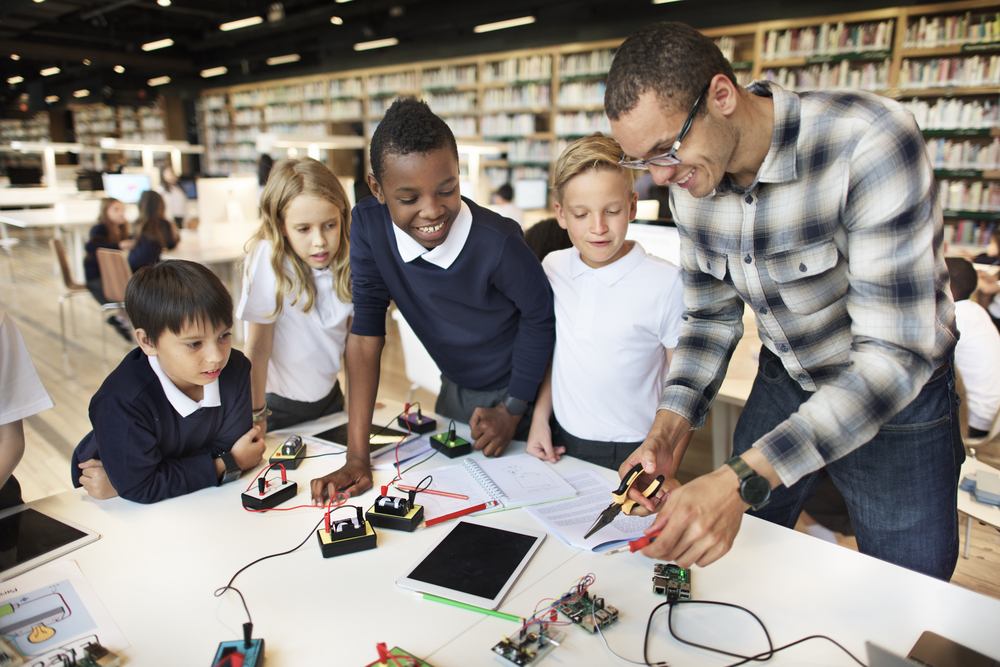



Time conversion skills are essential for 7-year-olds as they lay the foundation for understanding everyday situations and responsibilities. At this age, children are typically introduced to clocks, calendars, and the concept of time in hours, minutes, and days. Mastering these skills fosters independence, enabling children to read clocks, manage schedules, and understand the sequencing of daily activities.
Parents and teachers should care about time conversion because it enhances cognitive abilities such as critical thinking and problem-solving. It also provides a practical context for learning mathematical concepts, making math more meaningful and enjoyable. For instance, learning to convert between minutes and hours helps children comprehend not only time but also the value of punctuality and planning.
Furthermore, developing time conversion skills is crucial for social interactions, as children often discuss plans with peers. When kids can understand and articulate time, they are better equipped to engage in discussions about the schedule for playdates or school events. Moreover, these skills are intertwined with future educational topics, influencing subjects like science and history, where understanding timelines is essential. Thus, fostering time conversion skills in young learners enriches both their academic journey and personal growth, making it a key area for parental and teacher focus.








