Reading comprehension Reading Non-Fiction Worksheets for 7-Year-Olds - Page 2
28 filtered results
-
From - To
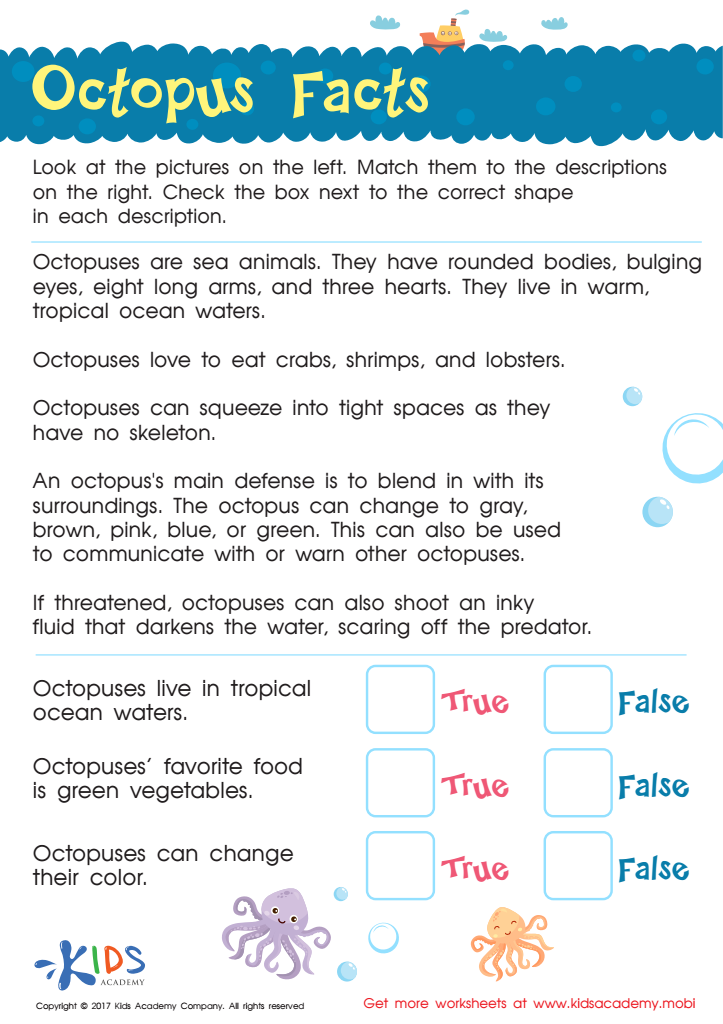
Octopus Facts Worksheet For Kids
 Assign to My Students
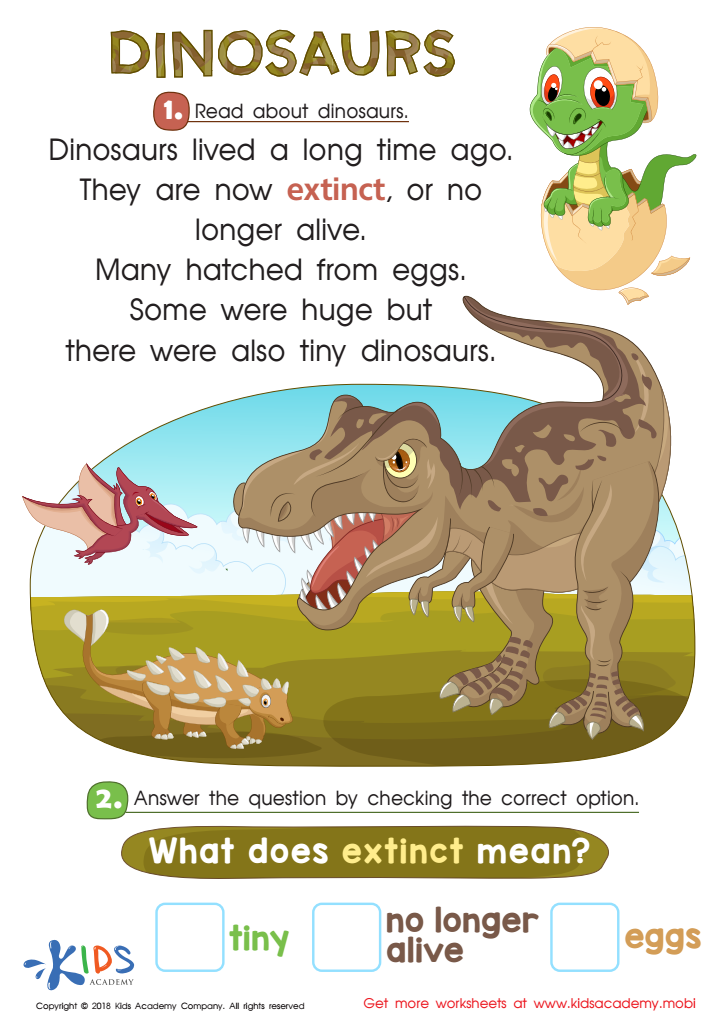
Dinosaurs Worksheet
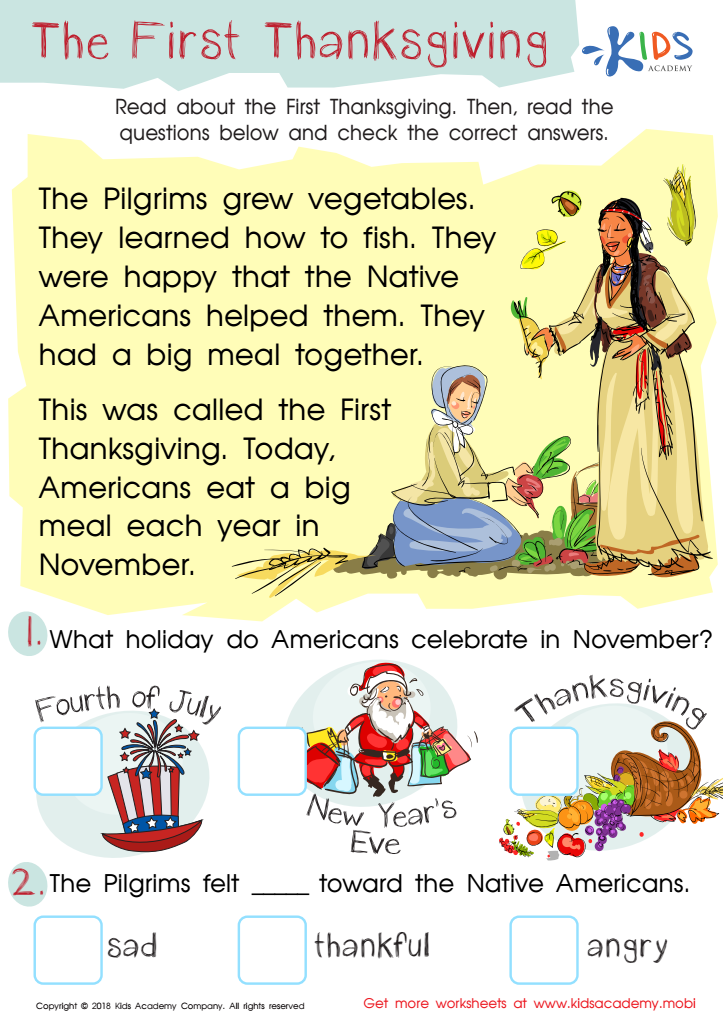
Assessment: First Thanksgiving Worksheet
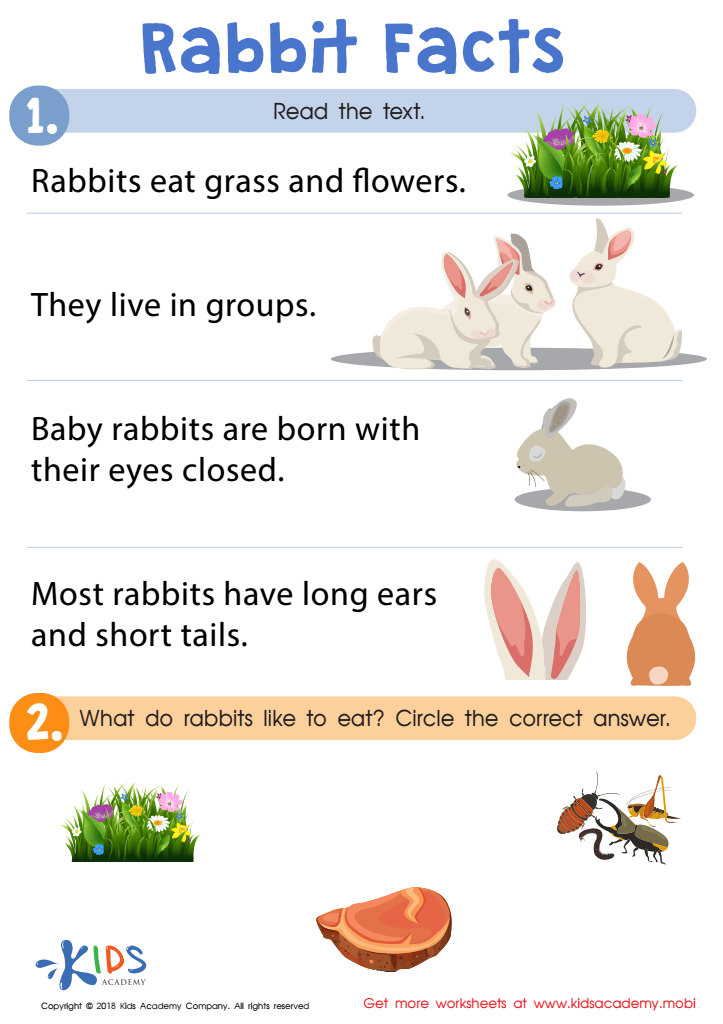
Rabbit Facts Worksheet








Parents and teachers should deeply care about reading comprehension, especially in non-fiction, for 7-year-olds because it plays a crucial role in their cognitive and academic development. Non-fiction texts introduce young readers to a wealth of factual information about the world, helping them build background knowledge essential for making sense of future learning in subjects like science, history, and geography. At this age, children become more curious about how things work and why things happen, and non-fiction books cater to this curiosity in a structured way.
Strong reading comprehension skills ensure that children can process and retain what they read, enabling them to extract key ideas, identify main points, and understand complex vocabulary. This not only equips them for standardized tests but also enhances critical thinking and problem-solving skills.
Moreover, engaging with non-fiction nurtures a child’s ability to distinguish between fact and opinion, fostering a more discerning and analytical mindset. Early exposure to diverse topics also broadens their horizons and promotes a lifelong habit of independent learning.
Thus, prioritizing reading comprehension in non-fiction equips children with tools to connect with real-world concepts, enhances their academic performance, and cultivates a richer, more informed perspective on life.








