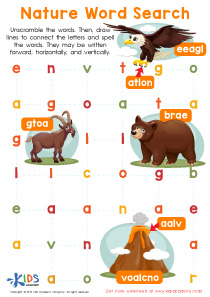
Basic Addition Skills Sight Words Worksheets for 7-Year-Olds
4 filtered results
-
From - To
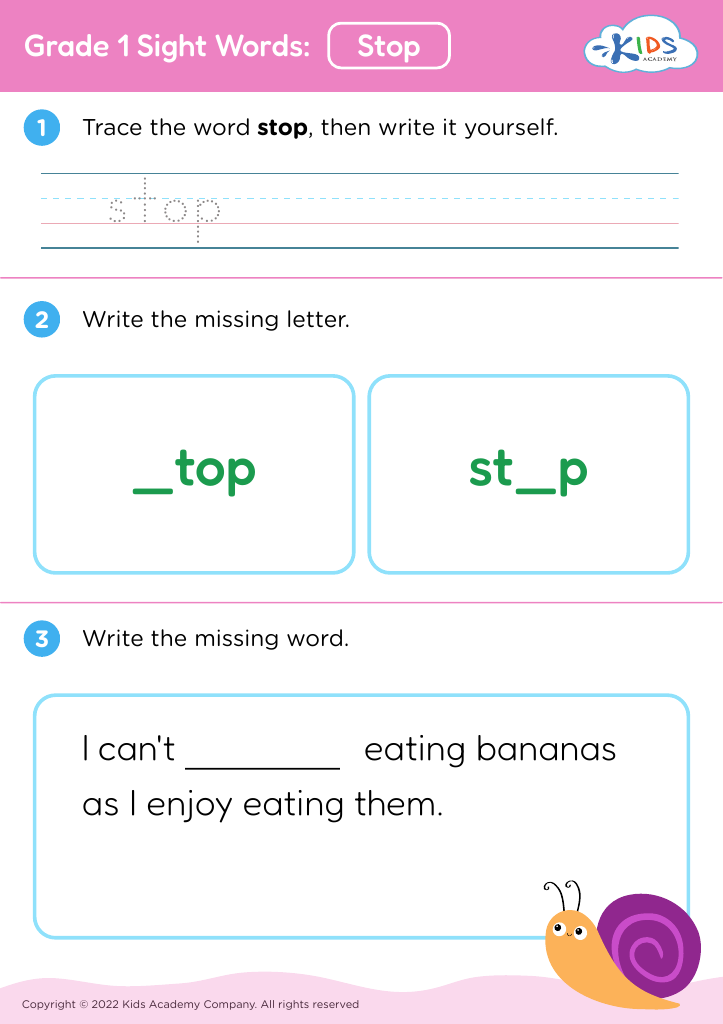
Our "Basic Addition Skills Sight Words Worksheets for 7-Year-Olds" are designed to make learning addition fun and engaging. Tailored for young learners, these worksheets blend basic arithmetic with essential sight words to bolster both math and reading proficiency. Each worksheet provides entertaining exercises that help children practice simple addition while enhancing their vocabulary. Ideal for classroom settings or at-home learning, these worksheets support the development of fundamental academic skills in an enjoyable, approachable way. Prepare your 7-year-old for success in both math and literacy with our expertly crafted, kid-friendly resources.
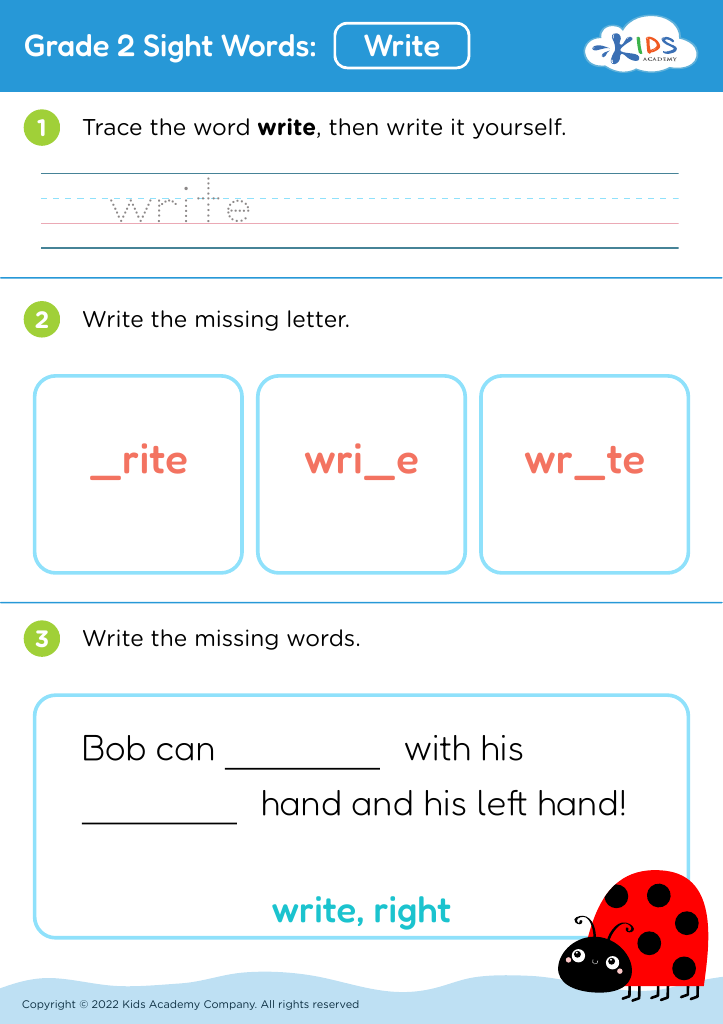




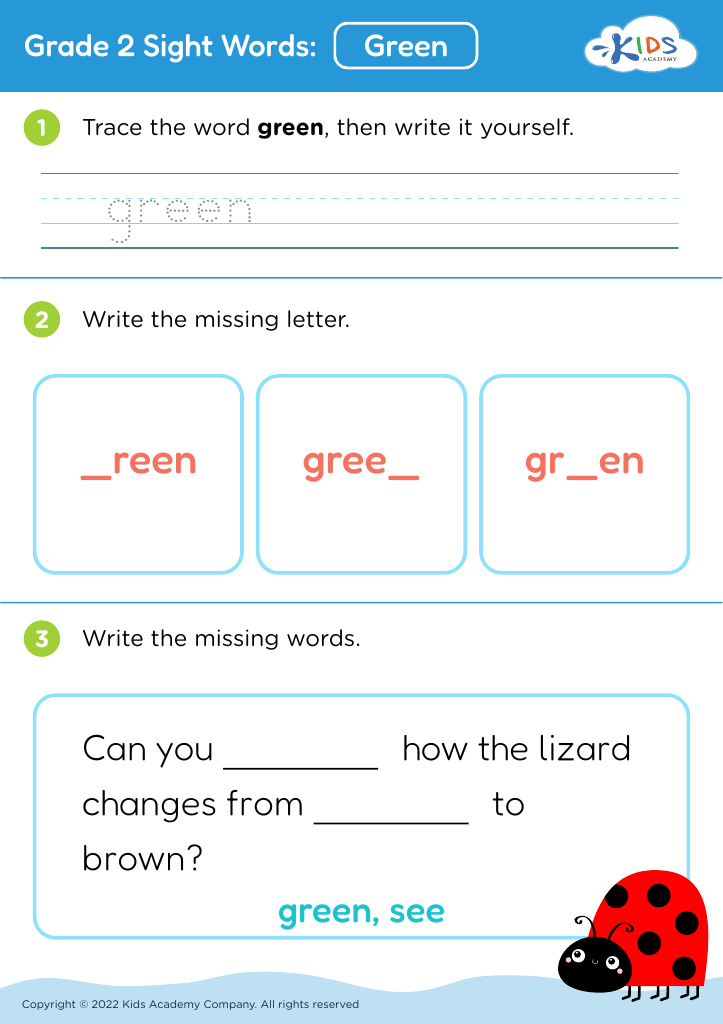
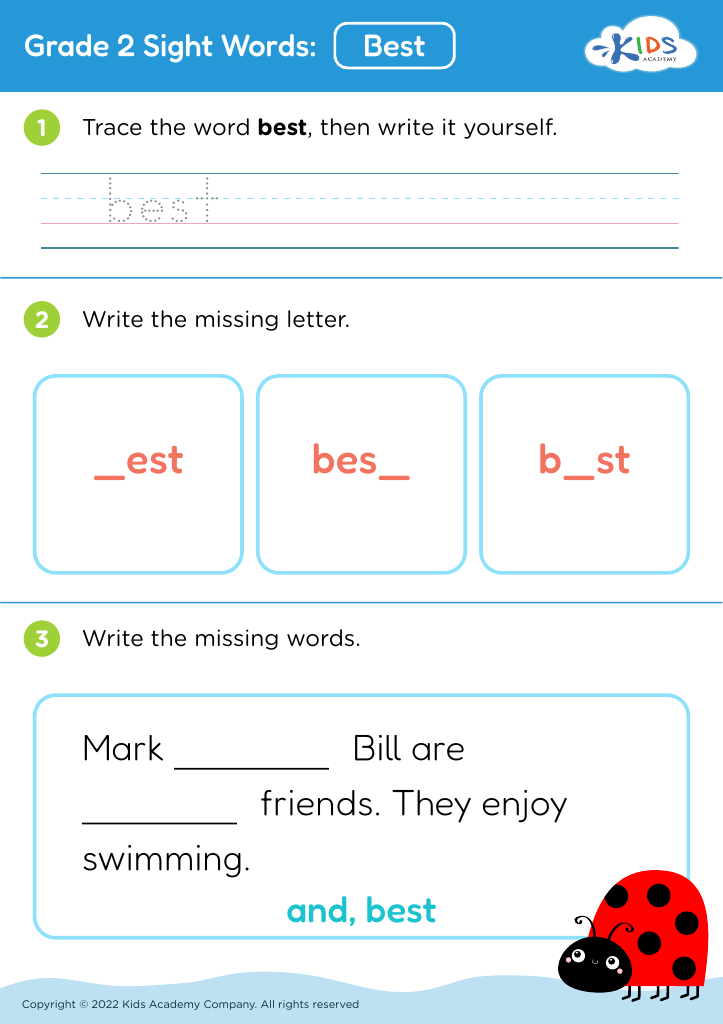








Parents and teachers should care deeply about basic addition skills and sight words for 7-year-olds because these fundamental skills serve as crucial building blocks for future learning and academic success. For young children, early proficiency in basic addition sets the stage for more complex mathematical concepts they will encounter later. It helps them develop strong number sense, problem-solving abilities, and logical thinking, which are vital for their cognitive development and confidence in mathematics.
Similarly, sight words are essential to young readers as they make up a significant portion of the text children encounter every day. Mastery of sight words allows kids to read more fluently and with better comprehension, reducing the cognitive load of sounding out each word. It builds a foundation for word recognition, enabling them to focus on understanding the story or content instead of getting bogged down by decoding. Moreover, reading proficiency directly ties to learning across all subjects since so much of education relies on written materials.
By fostering basic addition skills and sight word recognition, parents and teachers equip children with the tools necessary for academic achievement. This early intervention helps prevent future learning difficulties, ensuring that every child has a fair chance to succeed and fostering a lifelong love for learning.