Understanding patterns Sight Words Worksheets for 7-Year-Olds
4 filtered results
-
From - To
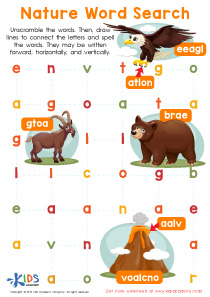
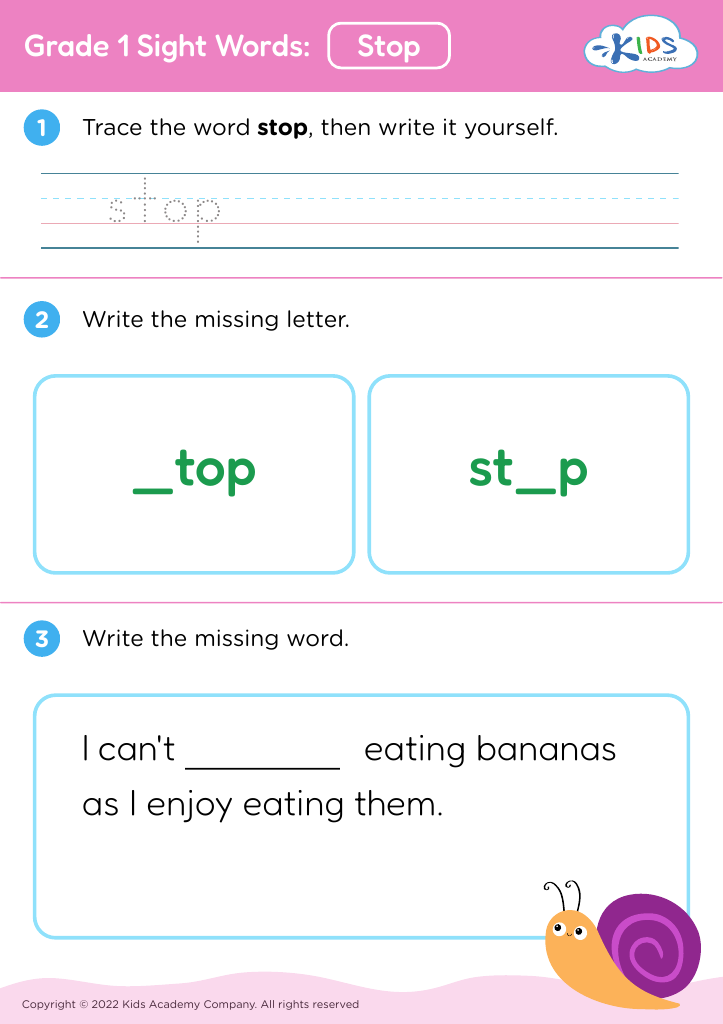
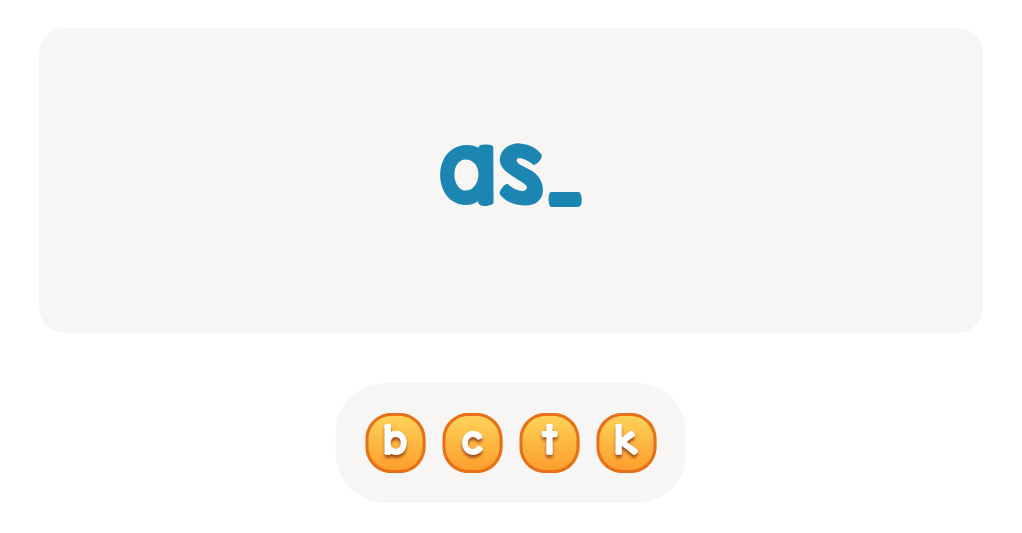
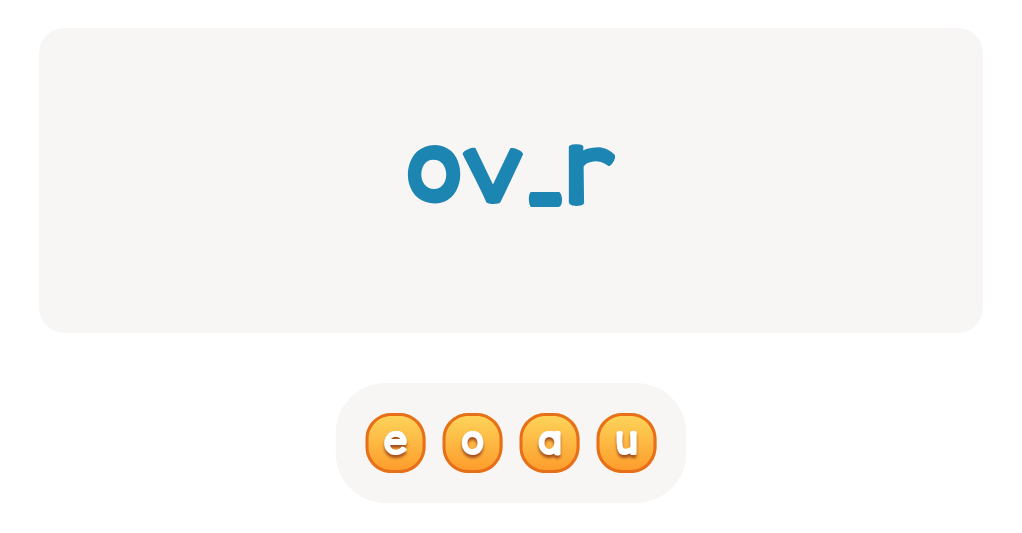
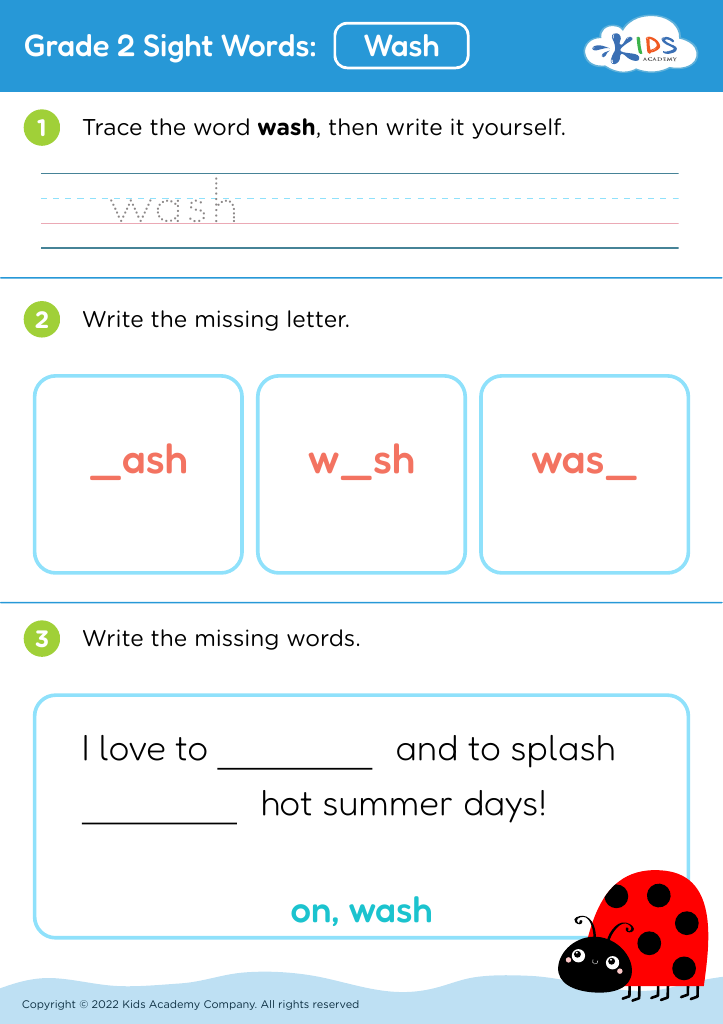
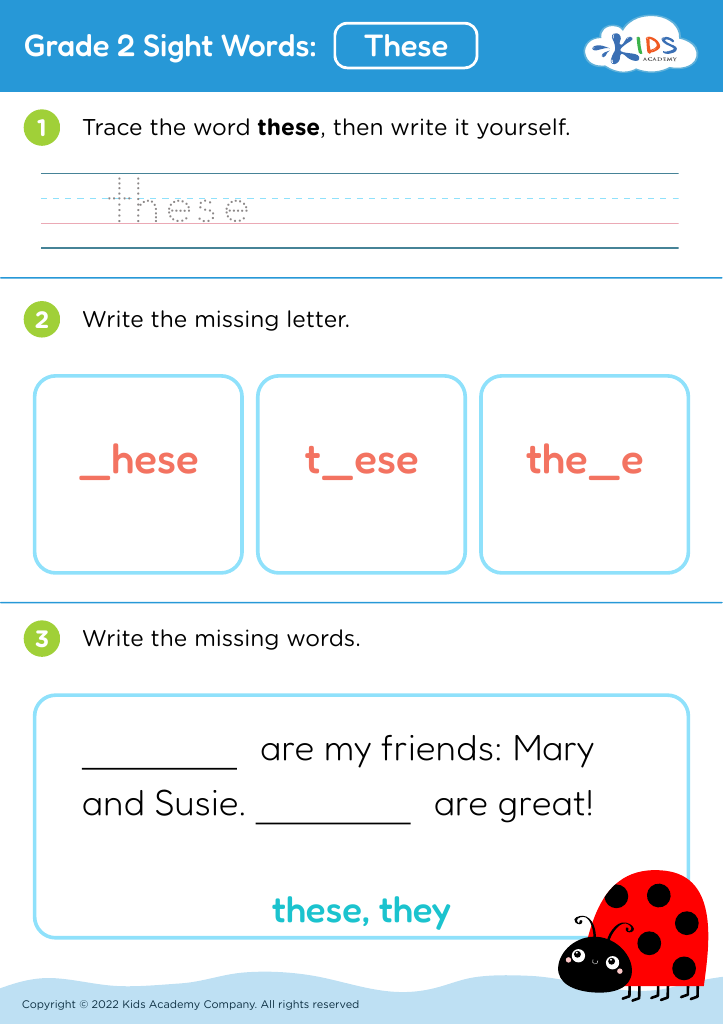
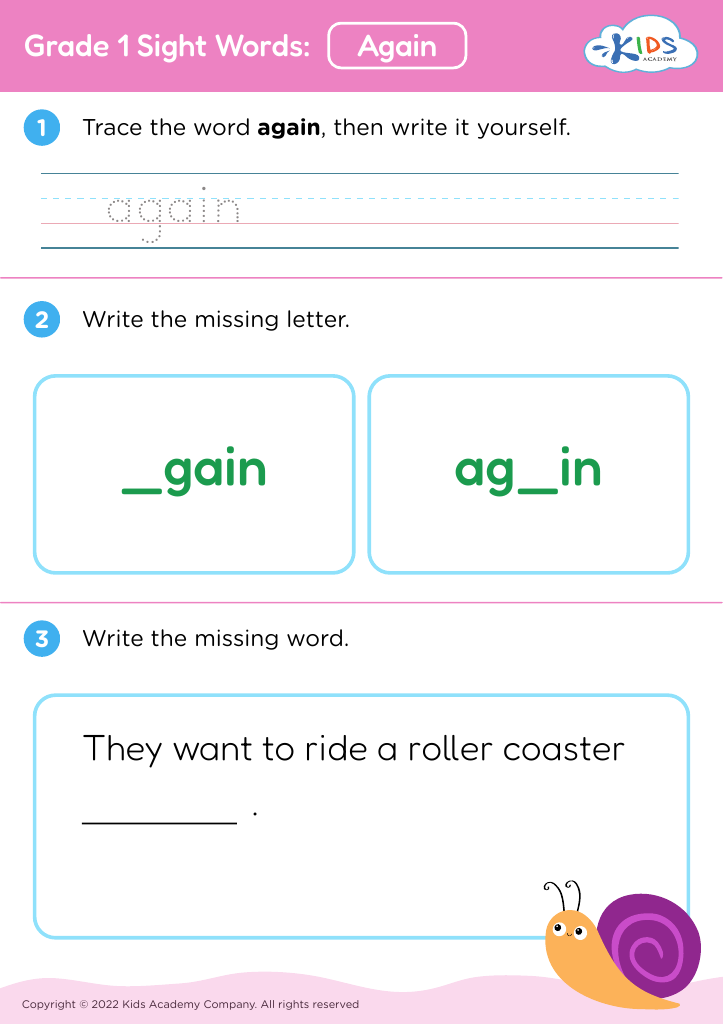
Discover our engaging "Understanding Patterns Sight Words Worksheets" designed specifically for 7-year-olds. These fun and educational worksheets help young learners recognize and identify sight word patterns, enhancing their reading and comprehension skills. With a variety of activities, such as matching, filling in blanks, and creative writing exercises, children will develop a strong foundation in literacy while reinforcing their sight word vocabulary. Each worksheet is tailored to maintain the interest of young learners, making reading enjoyable and effective. Perfect for classroom activities or at-home practice, our resources aim to foster a love for reading through structured pattern understanding. Start your child's reading journey today!











Understanding patterns and sight words is crucial for 7-year-olds as they lay the foundation for reading fluency and comprehension. At this age, children are transitioning from learning to read to reading to learn. By grasping sight words—common words frequently encountered in text—children can recognize these words quickly, which enhances their reading speed and confidence.
Recognizing patterns in language, such as rhymes and sentence structures, helps students make connections between words and their meanings. It fosters an understanding of how language works, simplifying the reading process and improving their ability to decode unfamiliar words.
When parents and teachers actively support this learning, they foster a positive attitude towards reading. This encouragement boosts a child's motivation, instilling a love for books and learning that lasts a lifetime. Moreover, strong reading skills are integral to overall academic success, as they impact all subjects, from science to social studies.
In essence, promoting pattern recognition and sight word familiarity equips children with essential literacy skills, nurturing their cognitive development and paving the way for a brighter academic future. Teachers and parents can make a significant difference by prioritizing this aspect of early education.