Number Recognition Flora and Fauna Worksheets for 9-Year-Olds
5 filtered results
Difficulty Level
Grade
Age
-
From - To
Subject
Activity
Standards
Enhance your child's number recognition skills with our engaging Flora and Fauna Worksheets designed specifically for 9-year-olds. These interactive worksheets combine the beauty of nature with essential math learning, helping kids recognize numbers in a fun and creative way. Each worksheet features vibrant illustrations inspired by flora and fauna, encouraging children to identify and interact with various numbers. Whether it’s counting the petals of a flower or the spots on a butterfly, these activities spark curiosity and foster essential skills in an enjoyable environment. Perfect for home or classroom use, these worksheets are a fantastic resource to support your child's learning journey!
Favorites
With answer key
Interactive
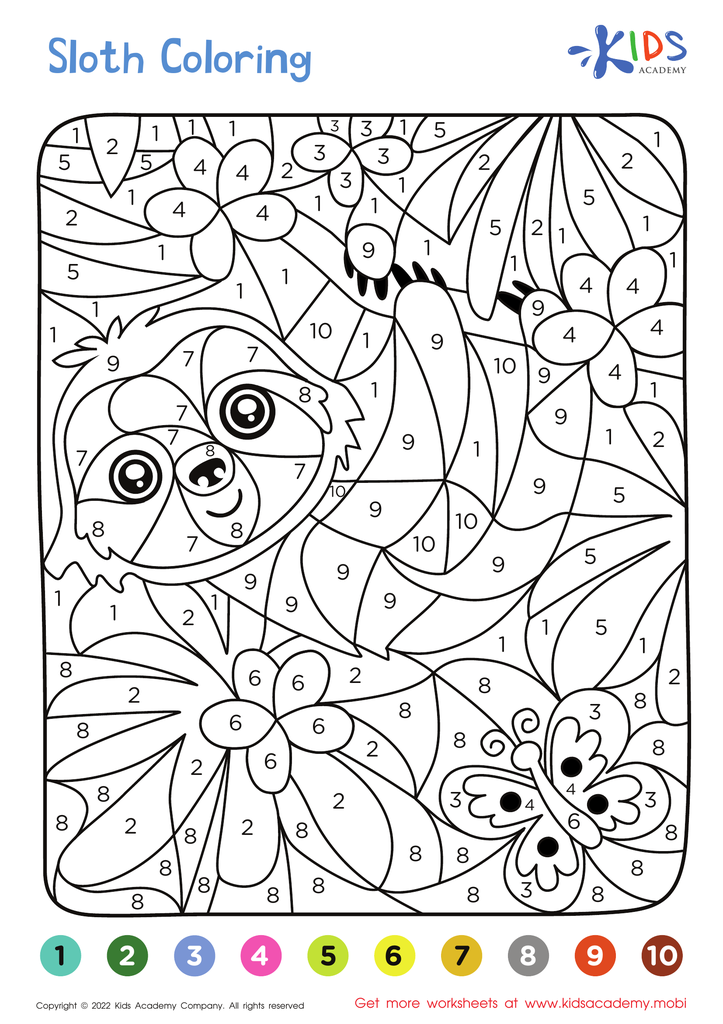
Sloth – Coloring by Numbers
Download our free coloring by numbers PDF page featuring a sloth! This fun activity is for all ages; just match the numbers to the colors and create a masterpiece. Get the entire family involved and see who can create the best sloth.
Sloth – Coloring by Numbers
Worksheet
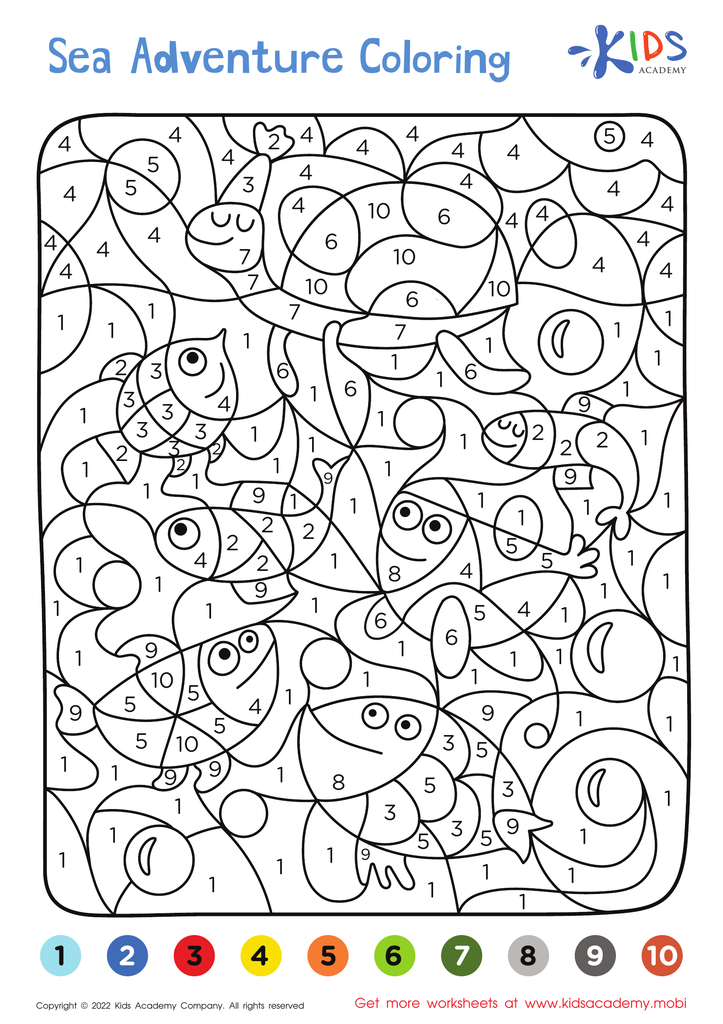
Sea Adventure – Coloring by Numbers
Unlock a sea adventure with a free coloring by numbers PDF page! Download now to get creative and fill the page with vibrant colors.
Sea Adventure – Coloring by Numbers
Worksheet
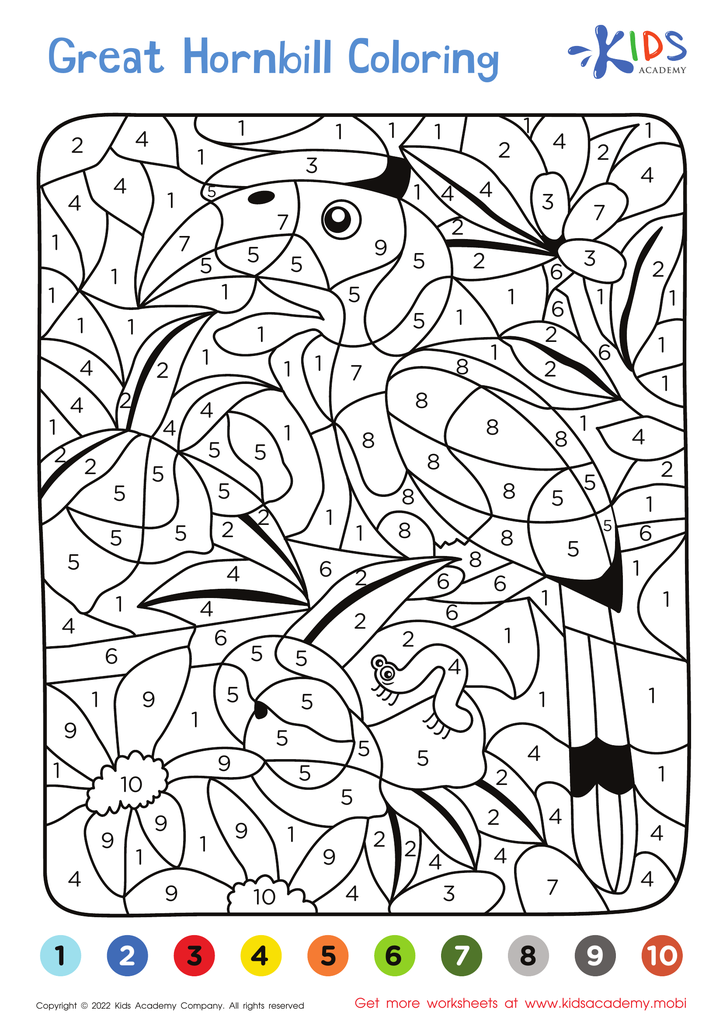
Great Hornbill – Coloring by Numbers
Download our free PDF page, featuring a hornbill for you to color in! Numbers are provided so you can follow along, making the picture come to life. Fun for all ages!
Download our free PDF page and have fun coloring a hornbill according to the numbers! You'll bring the picture to life with every stroke of your creativity. Perfect for all ages!
Great Hornbill – Coloring by Numbers
Worksheet
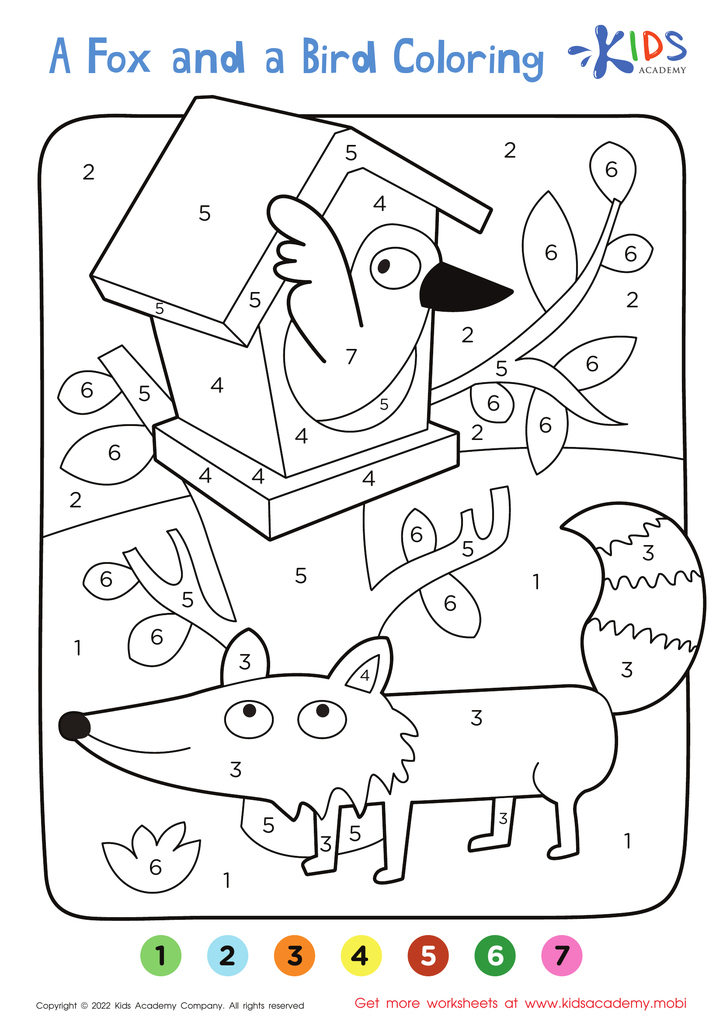
A Fox and a Bird – Coloring by Numbers
Download this free PDF page and color the fox and bird using numbers. Fun and easy way to be creative with the whole family! Spend quality time together and create something unique.
A Fox and a Bird – Coloring by Numbers
Worksheet
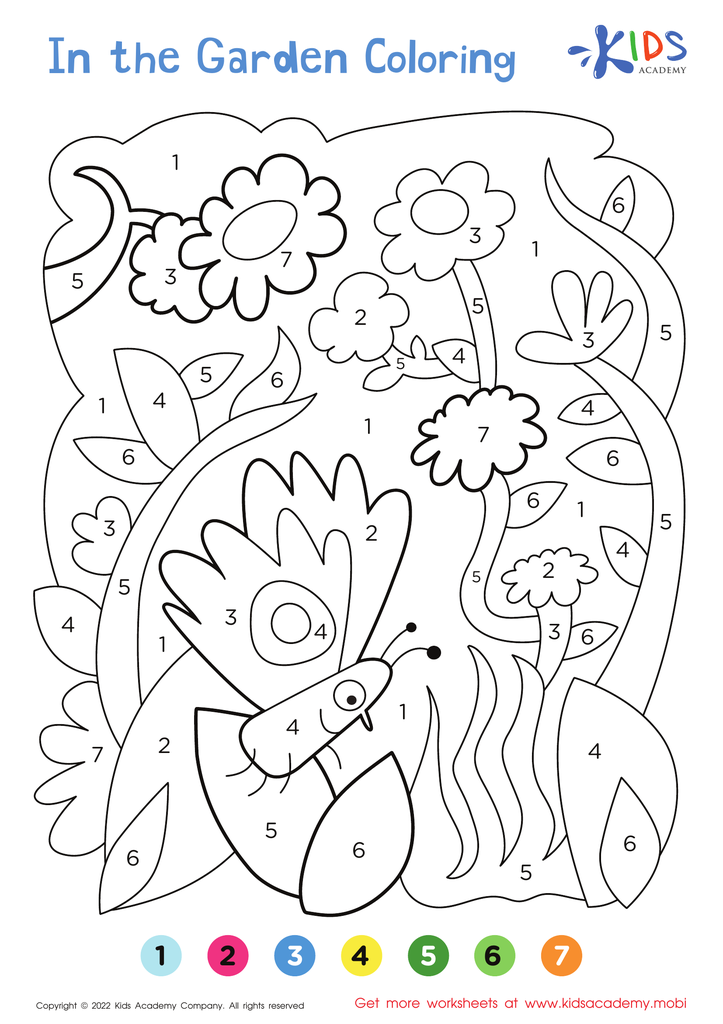
In the Garden – Coloring by Numbers
Download a free PDF page with a beautiful garden scene, perfect for coloring by numbers. Enjoy hours of creative fun and relaxation with this vibrant page.
In the Garden – Coloring by Numbers
Worksheet
Join Kids Academy for Free
Who is primarily going to use this learning content?


Number recognition is a fundamental skill in a child's education, particularly for 9-year-olds who are transitioning from basic math concepts to more advanced numerical operations. Understanding numbers lays the groundwork for future mathematical learning, enhancing problem-solving, critical thinking, and analytical skills.
Focusing on themes like Flora and Fauna can make number recognition more engaging and relevant for children. By integrating nature-related concepts, children can explore numbers through a lens they find interesting and familiar. For example, counting different plants in a garden or tallied weather patterns observed in local wildlife can frame math in real-world applications.
Additionally, this thematic approach encourages environmental awareness, promoting curiosity about ecosystems, biodiversity, and the importance of conservation. Such knowledge fosters a deeper understanding of the interconnection between numbers and the world around them.
Parents and teachers play a crucial role in reinforcing these concepts. They can create interactive, hands-on activities that incorporate nature, making counting and recognizing numbers enjoyable and relatable. This engagement is key to strengthening foundational math skills while helping children develop a holistic perspective on learning, interconnectedness, and the environment, preparing them for more complex concepts ahead.