Categorization skills Worksheets for 9-Year-Olds
3 filtered results
-
From - To
Enhance your 9-year-old's learning journey with our engaging Categorization Skills Worksheets! Designed to help young learners develop critical thinking and organizational abilities, these worksheets encourage children to group items based on common characteristics. Through fun and interactive activities, kids will explore various categories, boosting their vocabulary and comprehension. Our materials support academic growth while fostering essential skills such as sorting, classifying, and making connections. Ideal for classroom settings or at-home practice, our worksheets cater to diverse learning styles and encourage independent problem-solving. With colorful illustrations and captivating themes, your child will enjoy mastering categorization while having fun in the process!
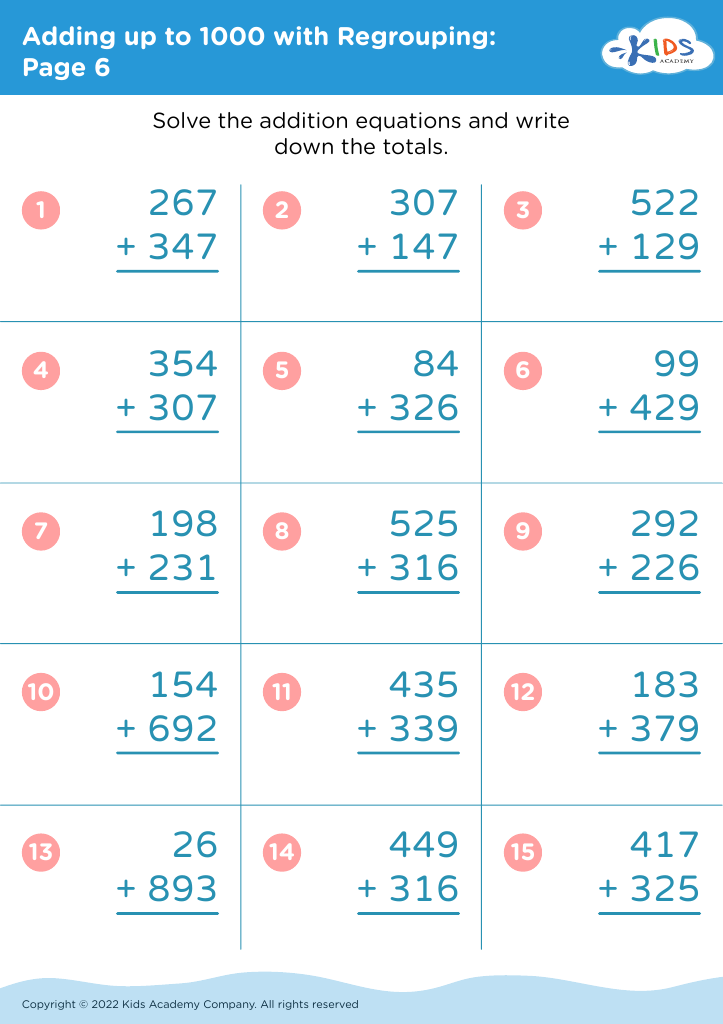
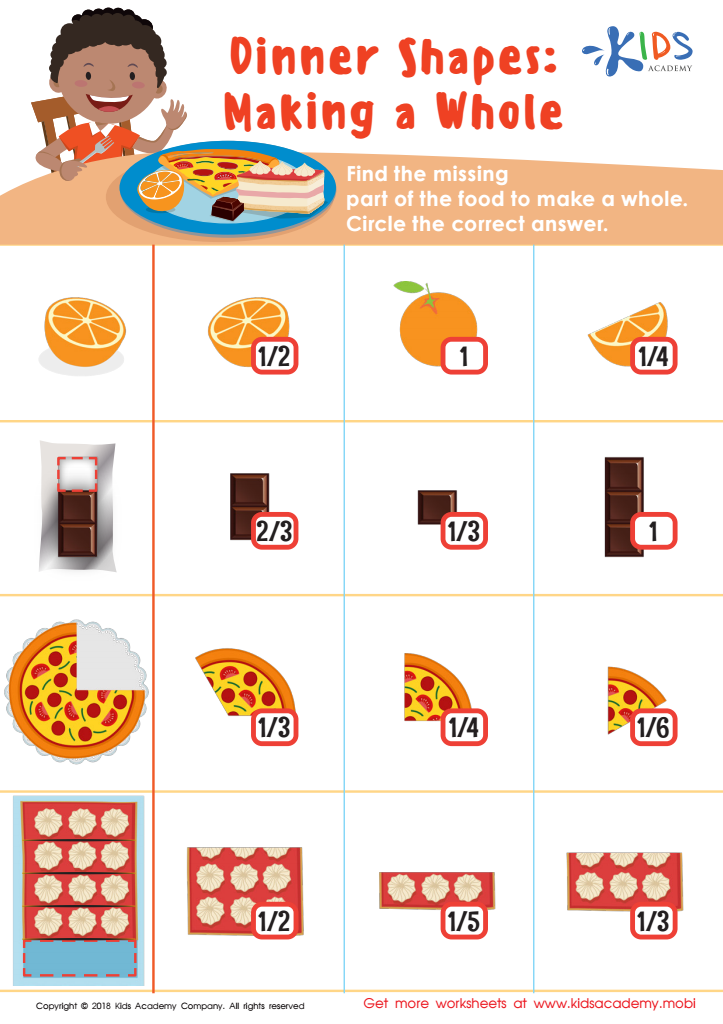
Dinner Shapes: Making a Whole Worksheet
 Assign to My Students
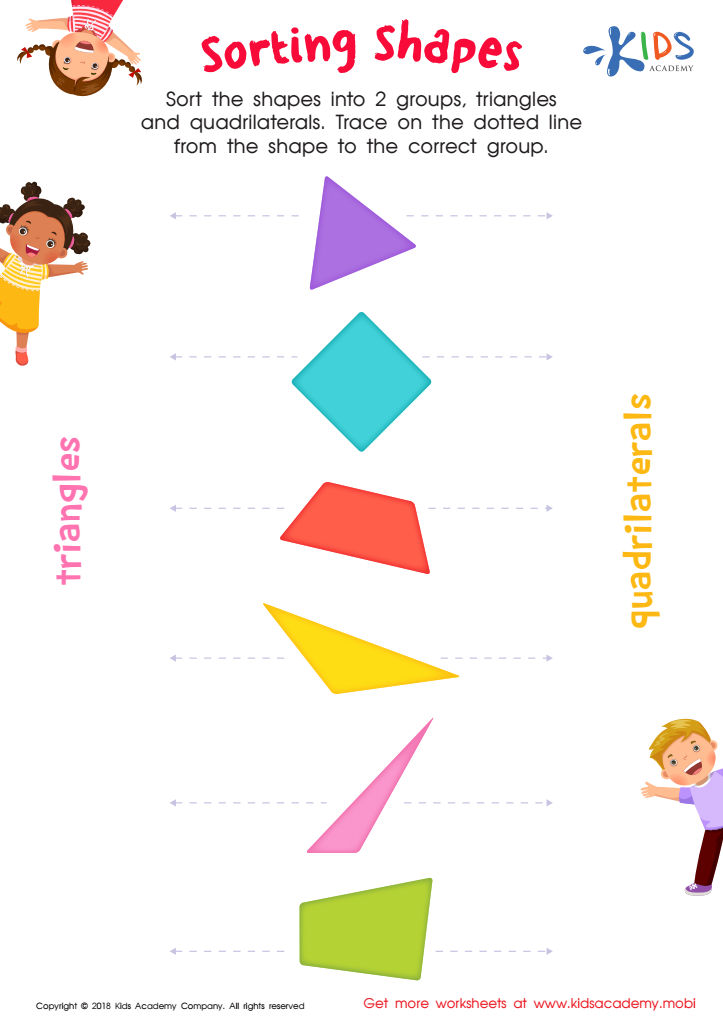
Sorting Shapes Worksheet







Categorization skills are crucial for the development of 9-year-olds, as they significantly enhance cognitive processing and critical thinking abilities. At this age, children begin to form more complex understandings of the world around them. By categorizing information, they learn to organize their thoughts, which is essential for problem-solving and decision-making. For example, sorting animals by habitat teaches children about ecosystems, while categorizing stories by themes fosters comprehension and analytical skills in reading.
Furthermore, these skills help students excel academically in various subjects, especially in mathematics and science, where identifying patterns and making connections are fundamental. They facilitate clearer communication; when children can categorize their ideas, they express themselves more effectively in discussion and writing.
Socially, categorization aids children in recognizing similarities and differences among their peers, which is integral for building relationships. It promotes understanding and respect for diversity, encouraging inclusivity and empathy.
Teachers and parents should prioritize developing categorization skills through engaging activities, such as sorting games or organizing projects. By fostering these skills early on, adults empower children to become independent thinkers, capable of navigating complex social and academic environments effectively. Overall, strong categorization skills lay the groundwork for lifelong learning and interpersonal success.








