Color recognition Worksheets for 9-Year-Olds - Page 3
54 filtered results
-
From - To
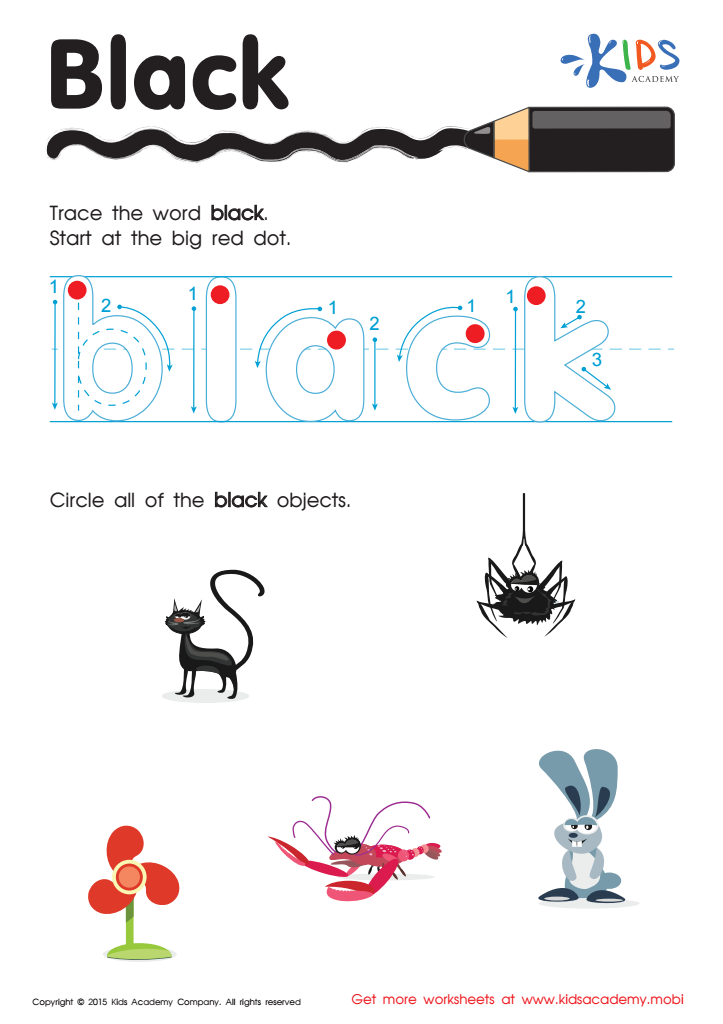
Black Tracing Color Words Printable
 Assign to My Students
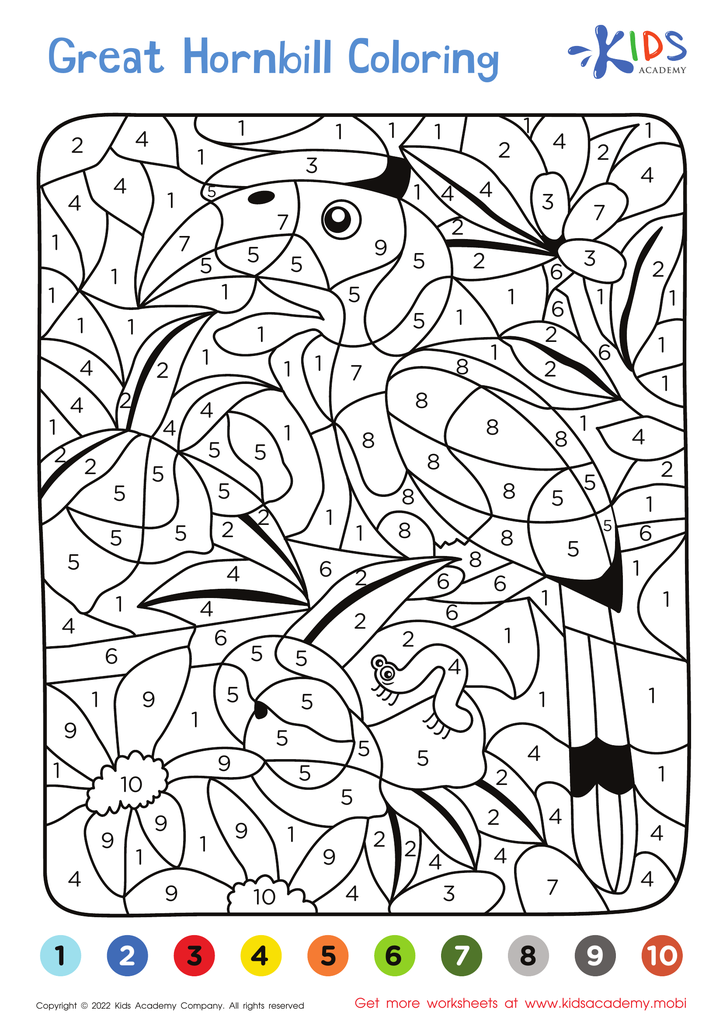
Great Hornbill – Coloring by Numbers
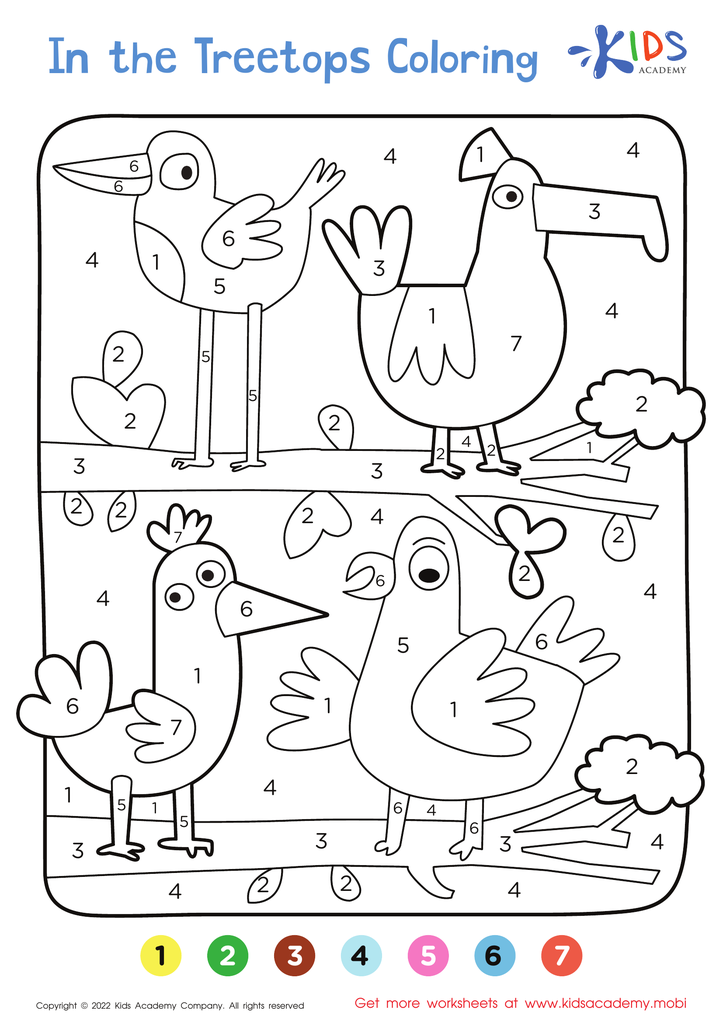
In the Treetops – Coloring Page
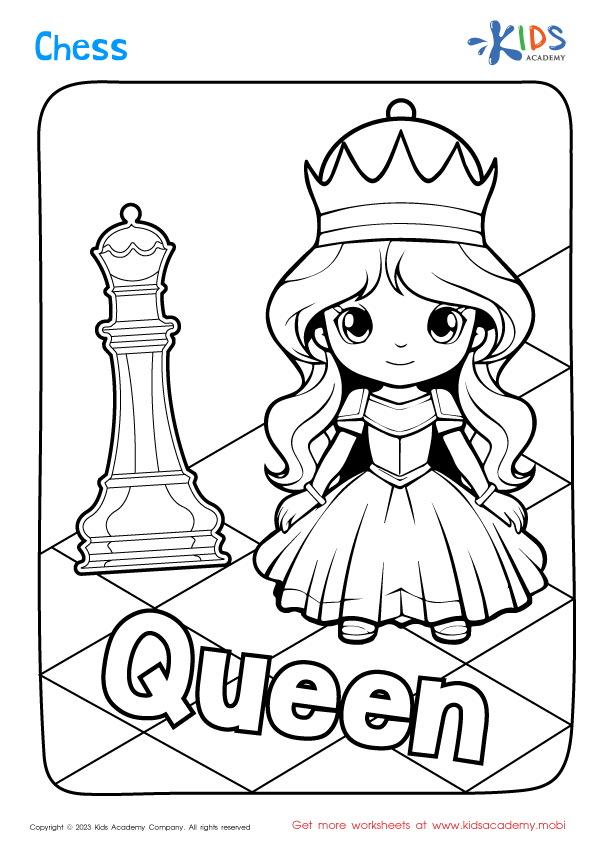
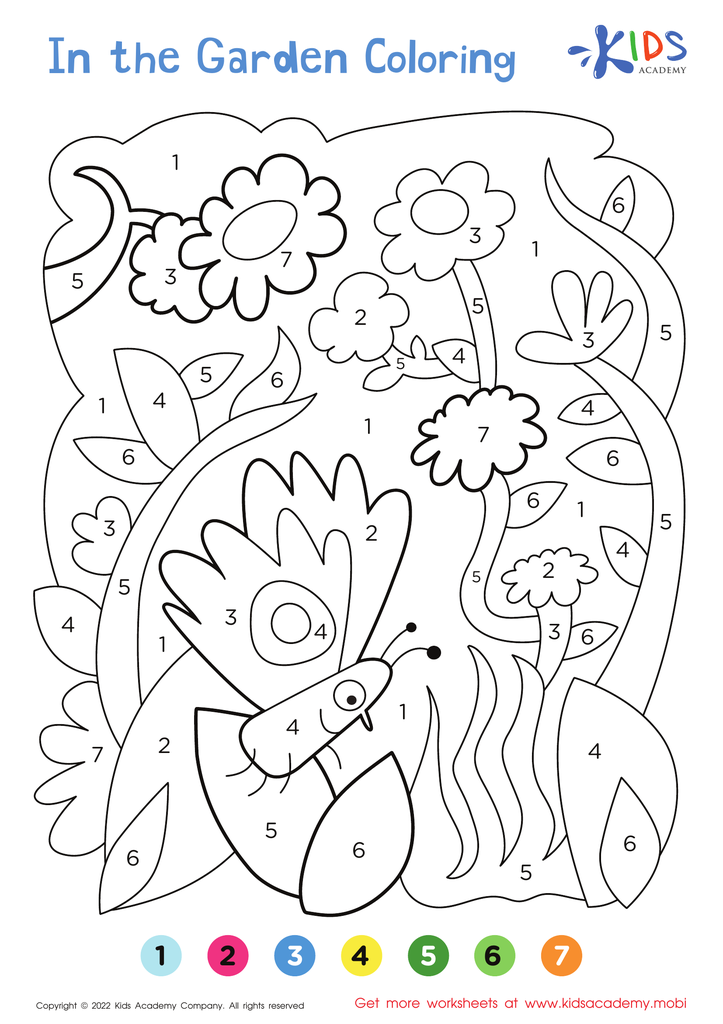
In the Garden – Coloring by Numbers







Color recognition is an essential skill for 9-year-olds that extends beyond simply identifying hues; it plays a vital role in a child's cognitive, emotional, and social development. Understanding colors helps children organize their world, aiding in memory and learning processes. Colors are often tied to emotions and can help children articulate their feelings, promoting social interactions and emotional intelligence.
Moreover, mastering color recognition develops critical thinking and problem-solving abilities as children learn to categorize and differentiate objects. This skill influences their approaches to art, science, and nature, encouraging creativity and exploration. For teachers, integrating color recognition into lessons can enhance engagement, making learning more dynamic and visually appealing.
For parents, fostering color awareness at home, such as discussing colors during daily activities, can create strong cognitive ties. Additionally, it’s an ideal way to support early reading skills as children learn to recognize color words.
Ultimately, color recognition enriches children's experiences, helping them understand their environment better and communicate effectively. By prioritizing this foundational skill, parents and teachers can empower children to thrive academically and socially as they grow.








