Developing fine motor skills Worksheets for 9-Year-Olds
3 filtered results
-
From - To
Enhance your 9-year-old's fine motor skills with our engaging printable worksheets! Designed for curious minds, these activities foster hand-eye coordination and dexterity, essential for tasks like writing, drawing, and crafting. Each worksheet is crafted to challenge and inspire, featuring fun exercises that make learning enjoyable. Your child will practice important skills through tracing, cutting, and connecting activities, all while boosting concentration and creativity. Perfect for at-home practice or supplemental learning in the classroom, our fine motor skills worksheets are the perfect tools to support your child’s developmental journey. Download them now and watch your child's skills flourish!
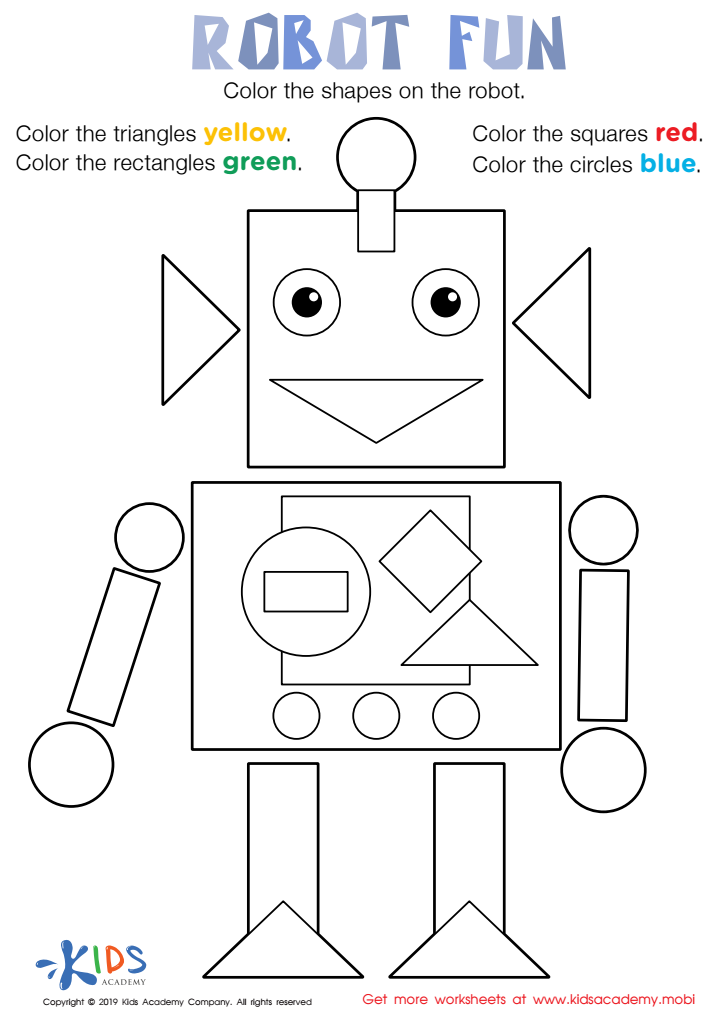
Robot Fun Worksheet
 Assign to My Students
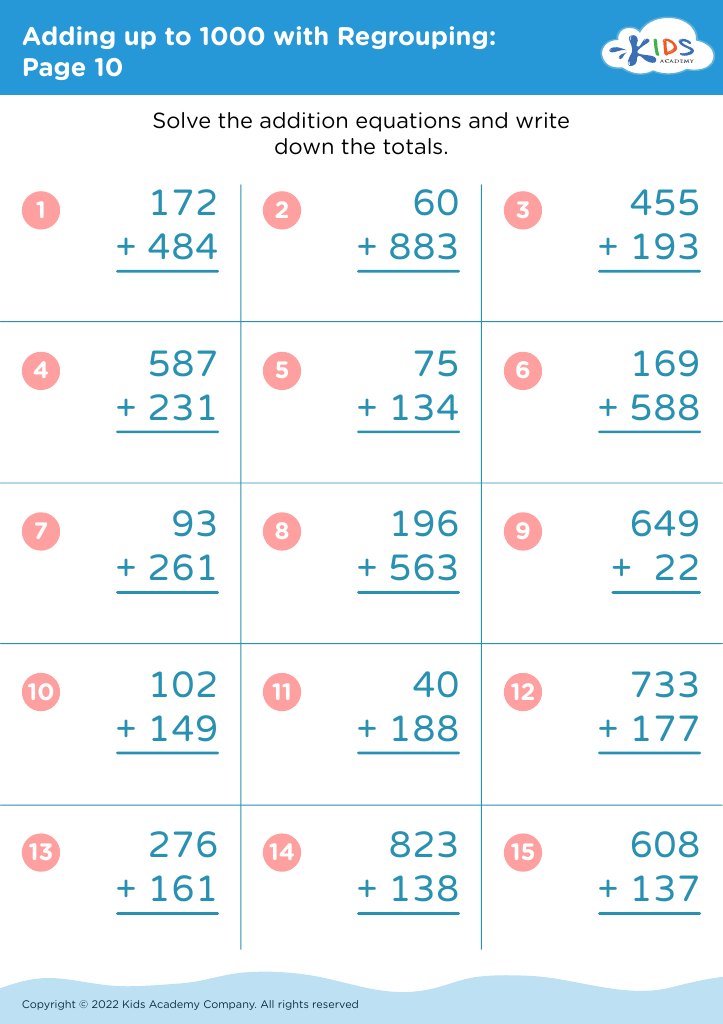



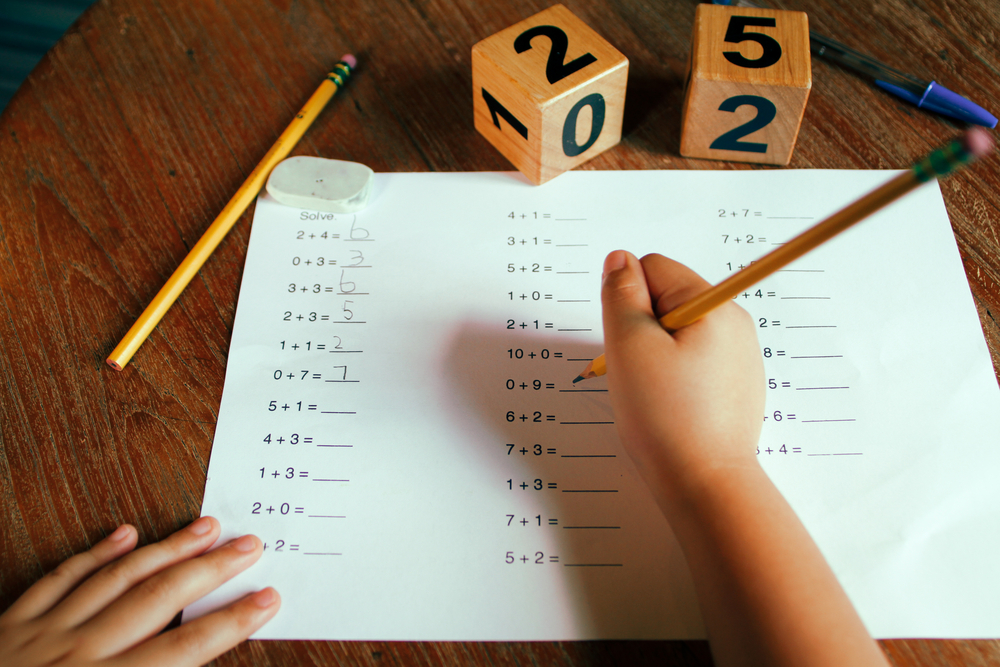

.jpg)



Developing fine motor skills in 9-year-olds is crucial for various aspects of their growth and development. Fine motor skills involve the coordination of small muscles in the hands and fingers, allowing children to perform tasks such as writing, cutting, buttoning, and gripping objects effectively. Parents and teachers should prioritize these skills for several reasons.
Firstly, fine motor skills are foundational for academic success. Proficient handwriting and the ability to manipulate tools are essential for completing school assignments and participating in classroom activities. Improved fine motor control leads to greater confidence in such tasks, fostering a positive learning experience.
Secondly, fine motor development contributes to overall cognitive growth. Engaging in activities that enhance these skills, such as art, crafts, and games, stimulates brain development, enhancing problem-solving abilities and creativity.
Finally, fine motor skills are vital for daily life and independence. Strong fine motor abilities enable children to manage self-care tasks, participate in sports, and enjoy hobbies, promoting self-esteem and social skills.
In conclusion, fostering fine motor skills in 9-year-olds is essential for their educational advancement, cognitive development, and overall independence, making it a priority for both parents and teachers.








