Enhancing categorization skills Worksheets for 9-Year-Olds
3 filtered results
-
From - To
Unlock your child's potential with our "Enhancing Categorization Skills Worksheets for 9-Year-Olds". Perfectly designed to sharpen crucial cognitive abilities, these worksheets focus on organizing, grouping, and categorizing diverse information. Boost your third-grader’s analytical skills and understanding with engaging, age-appropriate activities that make learning fun. Developed by educational experts, our printable worksheets not only improve categorization but also enhance logical reasoning and problem-solving. Ideal for at-home practice or classroom use, they ensure that your young learner acquires the skills needed for academic success. Empower their mind today with our expertly crafted resources promoting lifelong learning.
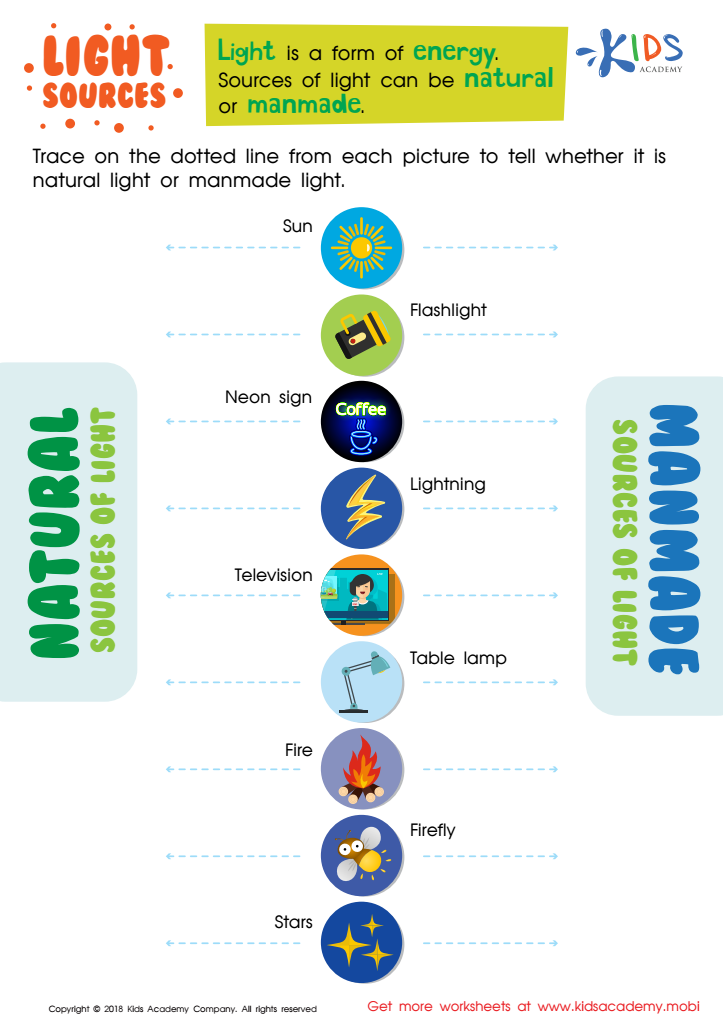
Natural and Manmade Light Sources Worksheet
 Assign to My Students
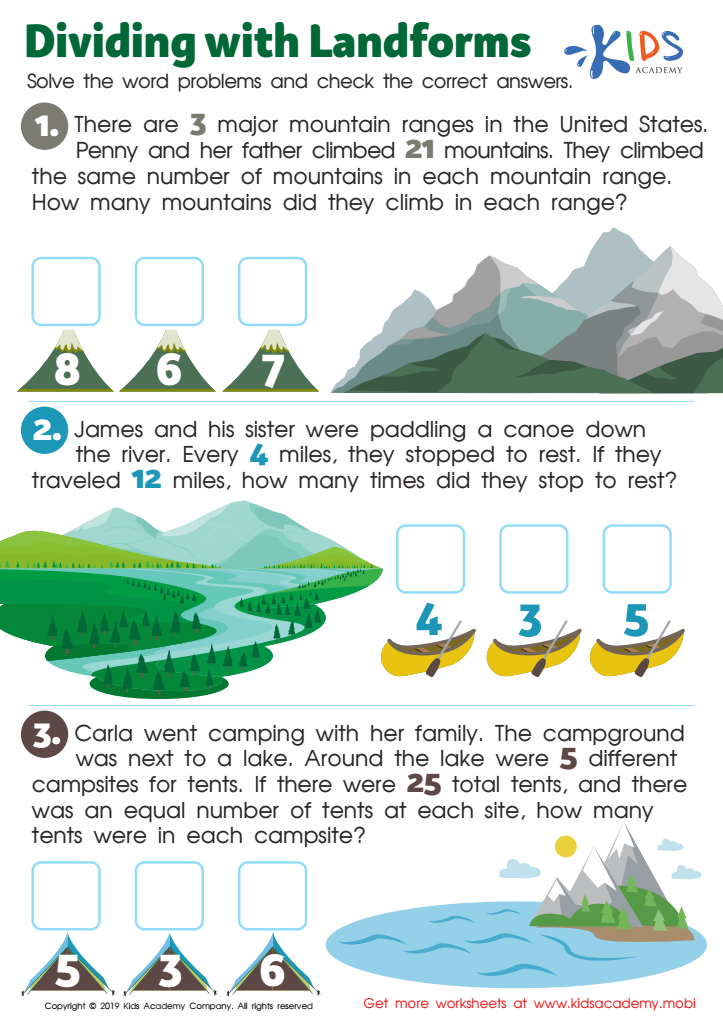
Dividing with Landforms






Enhancing categorization skills in 9-year-olds is crucial for cognitive and academic development. At this age, children encounter increasingly complex subjects in school and need the ability to organize and make sense of information efficiently. Categorization skills help children sort information into understandable groups, which makes learning new concepts easier. For example, categorizing animals by their habitat or food by food groups aids retention and comprehension.
These skills are also fundamental for problem-solving and critical thinking. When children can categorize, they can better identify patterns, similarities, and differences, leading to more effective problem-solving strategies. Such analytical abilities are essential not just in school, but in everyday decision-making and reasoning.
Moreover, these skills affect social development. Being able to categorize helps children understand social norms and contexts better, aiding smoother interpersonal interactions. For example, differentiating between appropriate behavior at home versus in school can help them adapt their actions accordingly.
For parents and teachers, investing time in enhancing categorization skills means supporting overall learning and developmental milestones. Techniques like sorting games, thematic lessons, and even daily tasks that involve classification can be fun and educational. Ultimately, fostering these abilities equips 9-year-olds with essential tools for academic success, logical reasoning, and social competence.








