Knowledge application Worksheets for 9-Year-Olds
3 filtered results
-
From - To
Discover our Knowledge Application Worksheets for 9-Year-Olds, designed to ignite curiosity and enhance understanding. These captivating worksheets integrate real-world scenarios, helping children apply concepts from various subjects in everyday situations. They bolster critical thinking, problem-solving, and analytical skills, ensuring a deeper grasp of complex topics. With a plethora of engaging exercises, our worksheets cover math, science, language arts, and more, curated to match your child's learning pace and interests. Ideal for both classroom and home use, these resources are crafted to foster a love for learning, encouraging young minds to explore and excel in their educational journey.
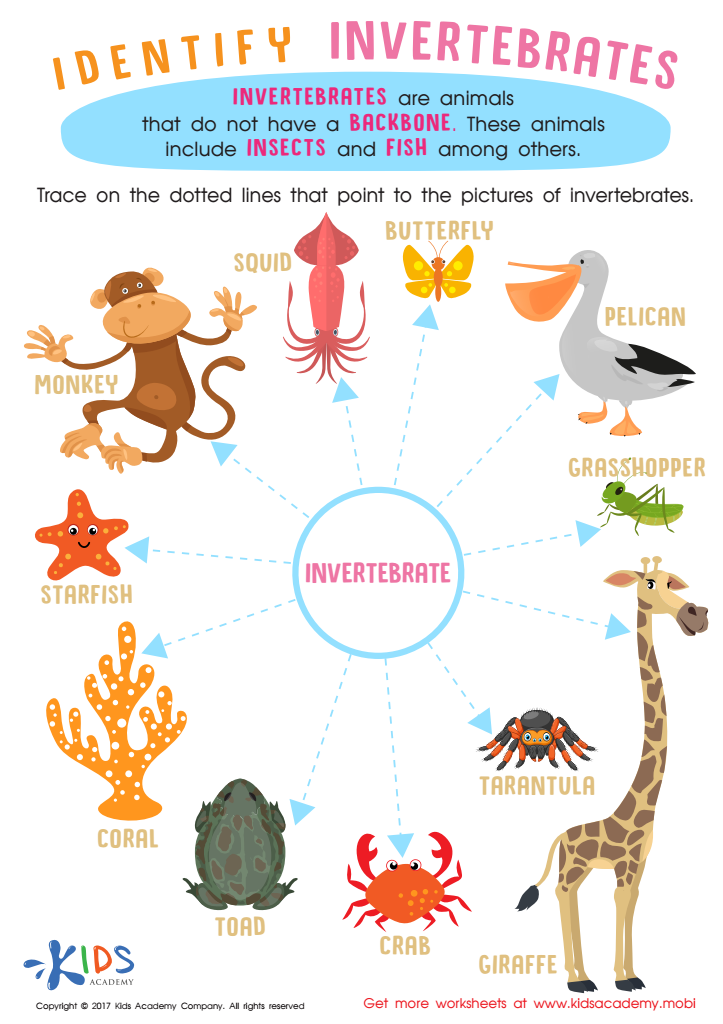
Invertebrates Worksheet for Grade 3
 Assign to My Students
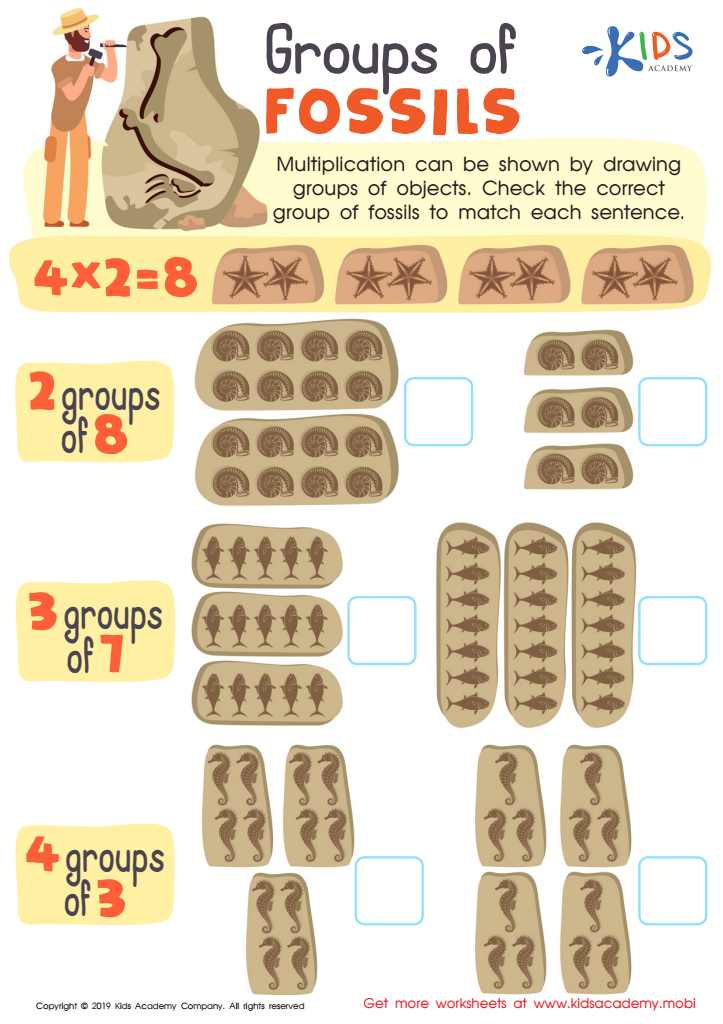
Groups of Fossils Worksheet
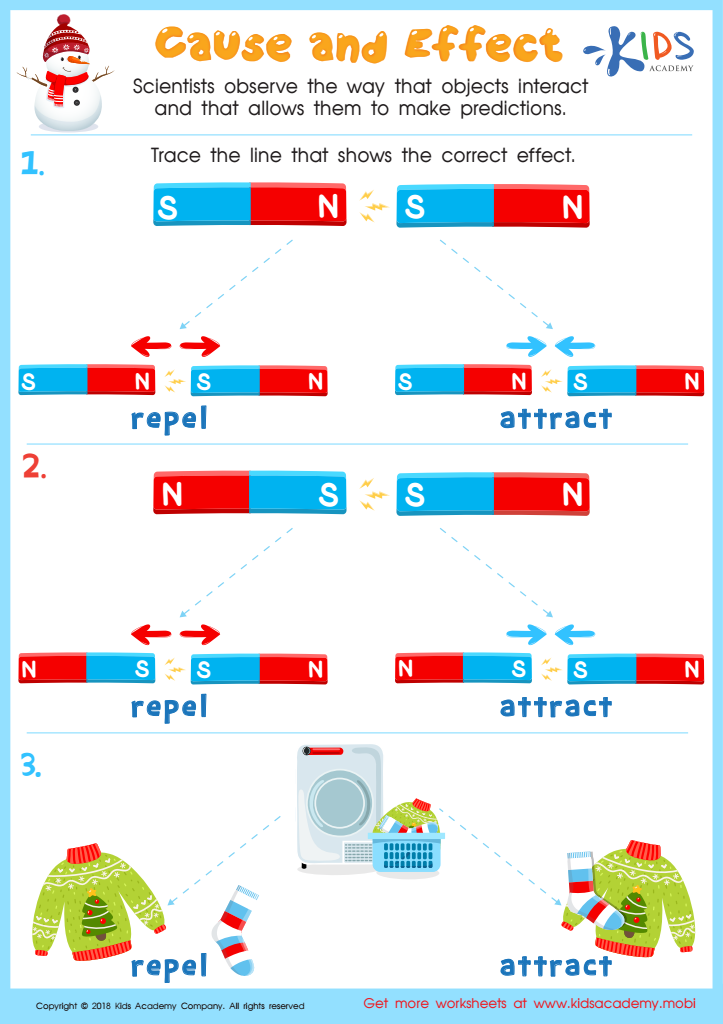
Repel and Attract Magnet Worksheet








Parents and teachers should prioritize knowledge application for 9-year-olds because it solidifies learning and enhances critical thinking skills. At this age, children are transitioning from concrete to more abstract thinking. When they apply what they’ve learned in real-world contexts, they internalize and understand the material more thoroughly. This hands-on experience can help bridge the gap between theory and practice, making lessons more meaningful and memorable.
For instance, applying math skills through cooking or managing a small classroom store helps children see the relevance of these skills in everyday life. This not only boosts their academic confidence but also incites excitement and curiosity about learning. Moreover, when children engage in projects that require them to use various skills—like a science experiment based on classroom learning—they develop problem-solving abilities and learn how to think critically and systematically.
Additionally, parents and teachers who focus on knowledge application are likely to notice areas where a child might be struggling. This allows for timely intervention and support tailored to the child's needs. Above all, fostering an environment where knowledge application is encouraged promotes lifelong learning habits. Children begin to view learning as a dynamic, engaging process rather than a series of disconnected, rote memorization tasks.








