Practical application Worksheets for 9-Year-Olds
3 filtered results
-
From - To
Unlock the power of learning with our engaging Practical Application Worksheets designed specifically for 9-year-olds! These worksheets offer hands-on activities that encourage students to apply their knowledge in real-world scenarios. With a variety of subjects including math, reading, and science, children are motivated to solve problems and think critically. Ideal for reinforcing classroom lessons or for home studies, our worksheets are tailored to develop essential skills. Each printable resource is crafted to enhance creativity, improve comprehension, and cultivate a love for learning. Explore our collection today and empower your child with practical skills for lifelong success!
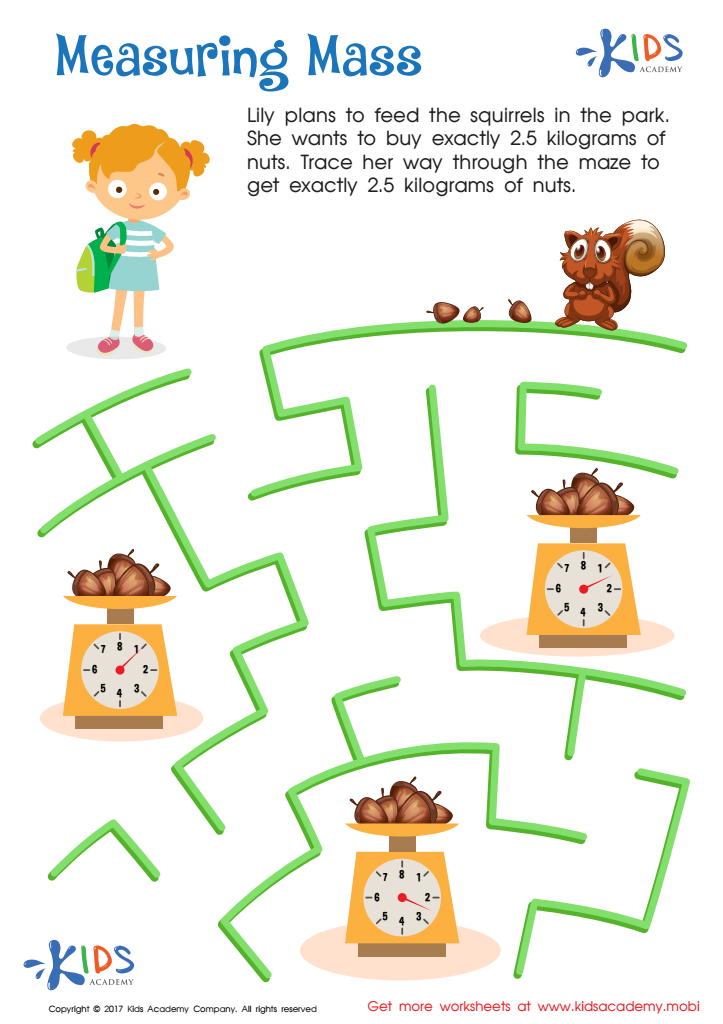
Measuring Mass Worksheet
 Assign to My Students
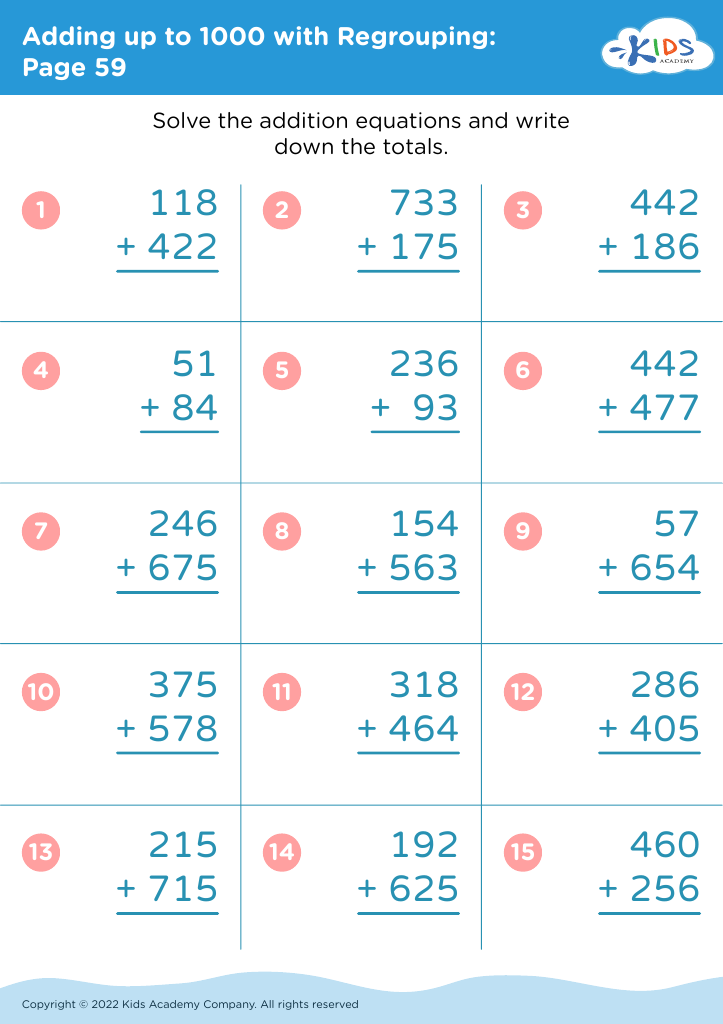
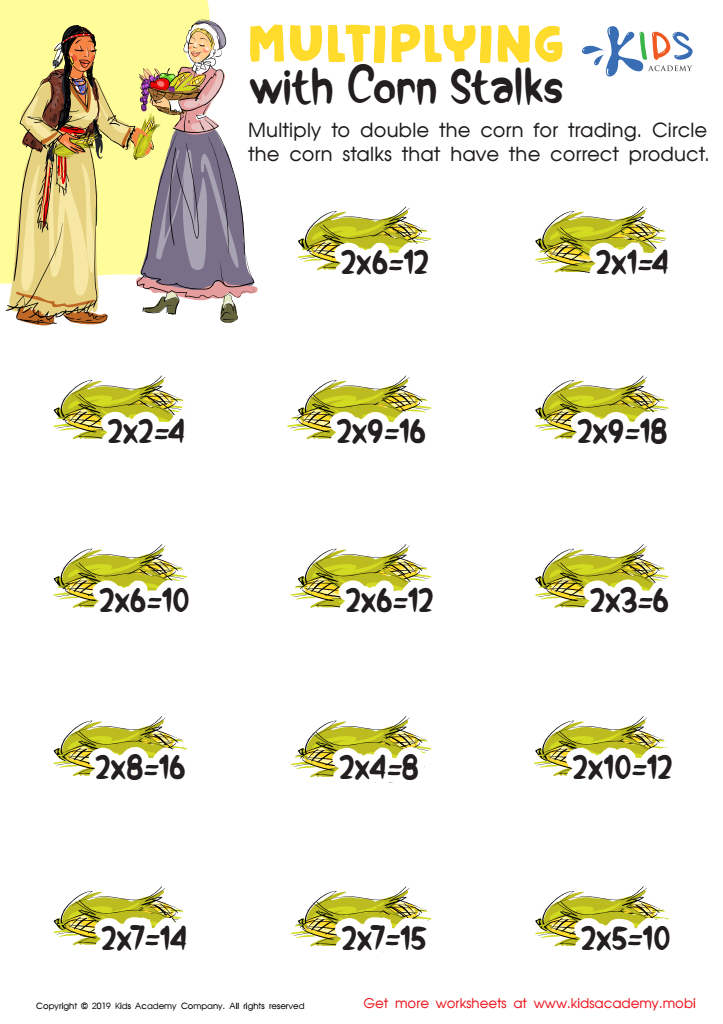
Multiplying With Corn Stalks Worksheet








Parents and teachers should prioritize practical applications for 9-year-olds because this age is pivotal for cognitive development and real-world understanding. At this stage, children are transitioning from concrete thinking to more abstract reasoning, and hands-on experiences enhance this growth. Practical applications, such as experiments, projects, or real-life problem-solving, help children connect theoretical knowledge to everyday situations, fostering deeper understanding and retention of concepts.
Moreover, engaging in practical activities encourages critical thinking and creativity. Through practical application, children learn to ask questions, explore possibilities, and derive solutions—skills that are vital for their academic and personal futures. These activities can be particularly beneficial in subjects like math, science, and language arts, as they provide a tangible context that aids comprehension.
Additionally, practical application nurtures essential life skills such as teamwork, communication, and perseverance. When children collaborate on projects, they learn to articulate their ideas, listen to different perspectives, and navigate challenges together. This holistic approach not only enriches their educational experience but also prepares them for the complexities of adulthood. In summary, incorporating practical application cultivates engaged, well-rounded learners, making it a crucial focus for parents and educators alike.








