Comparison Skills Math Worksheets for 9-Year-Olds
3 filtered results
-
From - To
Enhance your 9-year-old's math abilities with our engaging Comparison Skills Math Worksheets! Designed to develop critical analytical skills, these worksheets provide fun and interactive activities that help children understand and compare numbers, measurements, and objects. Through a variety of exercises, including visual comparisons and numerical assessments, students will gain confidence in identifying greater than, less than, and equal to concepts. Perfect for classroom use or at-home practice, our worksheets cater to diverse learning styles, ensuring every child can master comparison skills at their own pace. Download now and empower your child’s math journey with these essential resources!
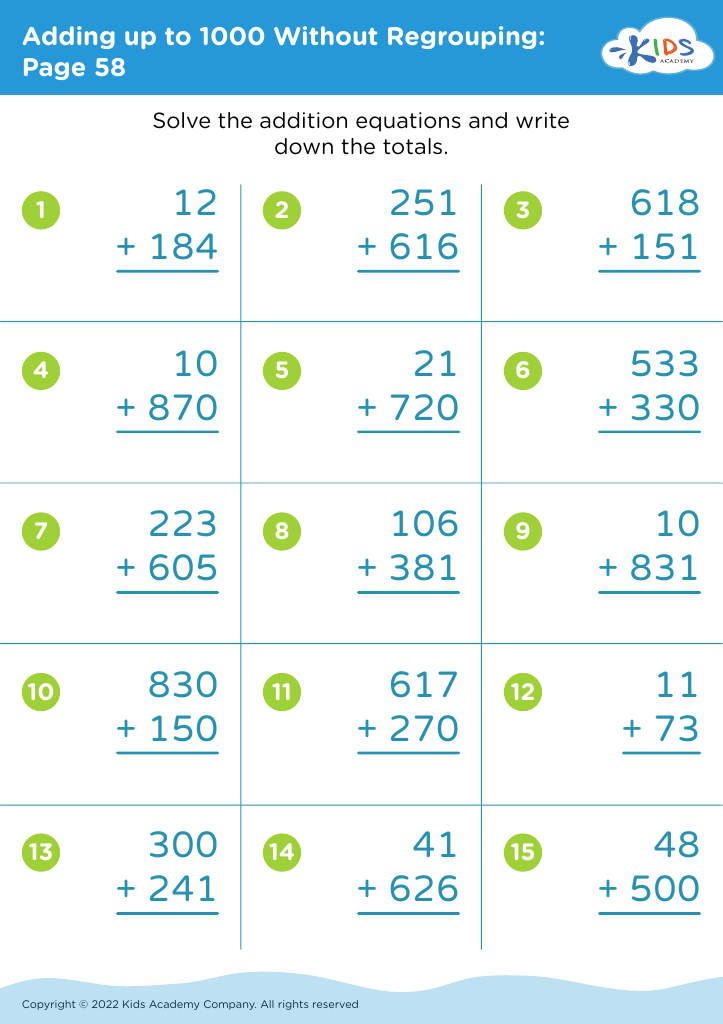
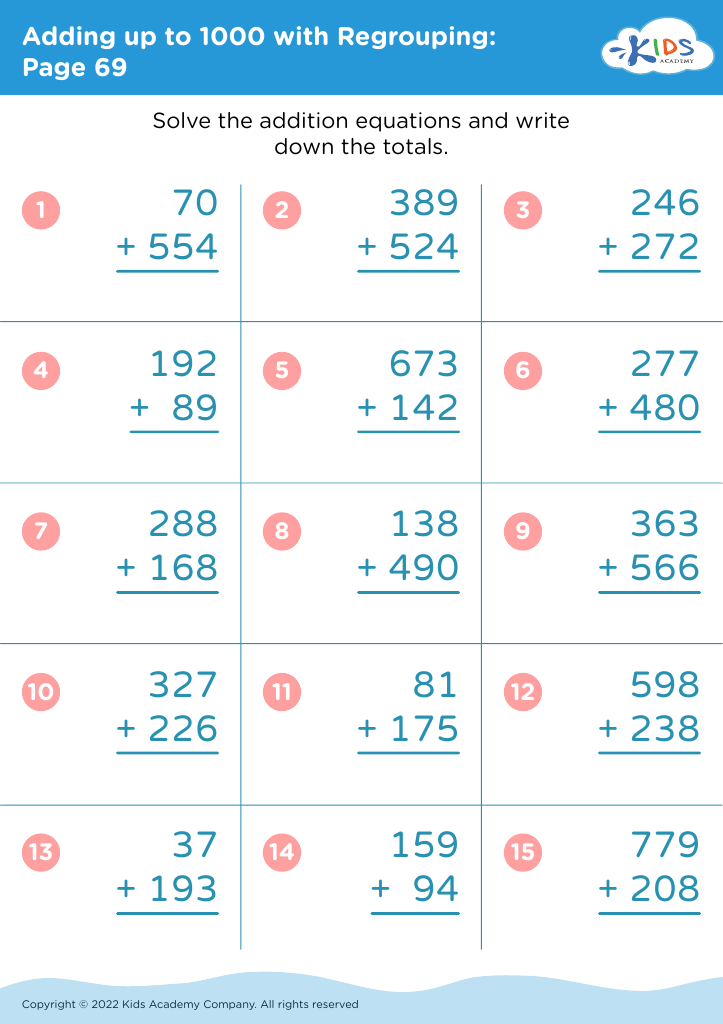
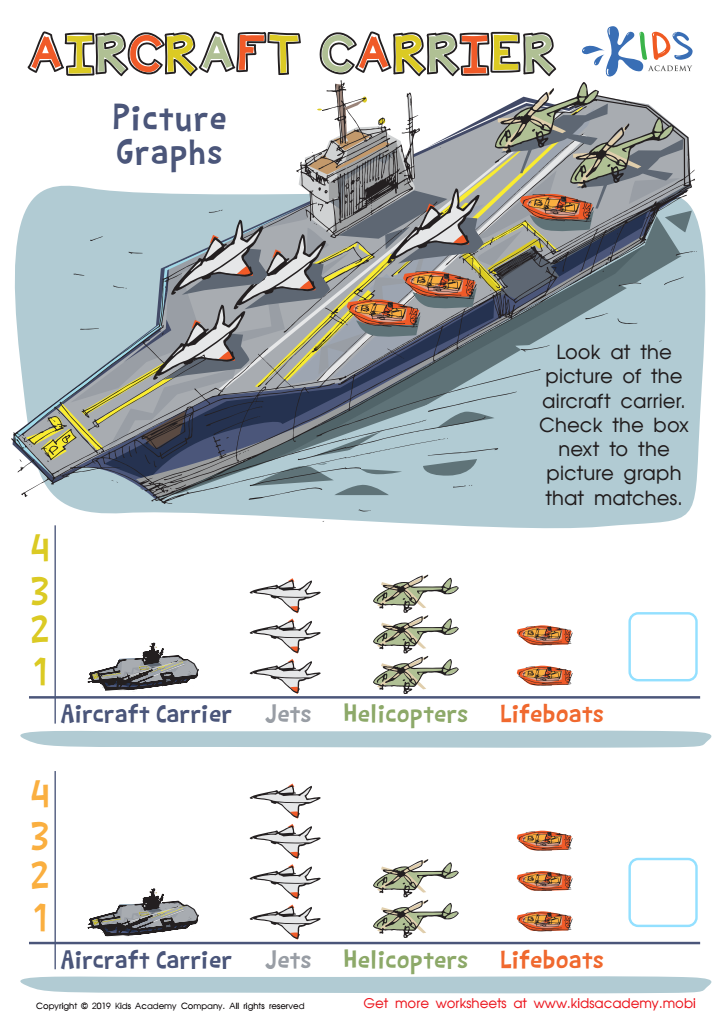
Aircraft Carrier Picture Graphs Worksheet
 Assign to My Students







Comparison skills in math are essential for 9-year-olds because they lay the groundwork for higher-level mathematical thinking and problem-solving. At this stage, children begin to develop an understanding of different mathematical concepts, including relationships, ratios, and the ability to make comparisons. Parents and teachers should care about these skills because they foster critical thinking and empower children to analyze situations logically.
Mastering comparison skills allows children to engage with more advanced topics, like fractions and percentages, which are foundational for future mathematical education. It also aids in their everyday life, helping them make informed decisions, such as determining the best value for items or understanding scales in graphs and charts they may encounter.
Furthermore, comparison skills enhance a child’s confidence in math. When they can compare quantities, recognize patterns, and make judgments based on their findings, they develop a positive attitude towards math. This emotional connection can lead to a lifetime appreciation of the subject. By prioritizing comparison skills, parents and teachers not only support the academic growth of children but also prepare them for real-life applications, making them more insightful and capable learners in the process.








