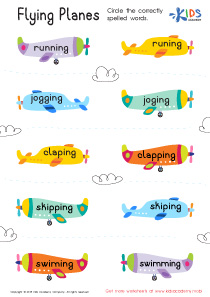
Vowels and Consonants Worksheets for Ages 6-8 - Page 2
29 filtered results
-
From - To
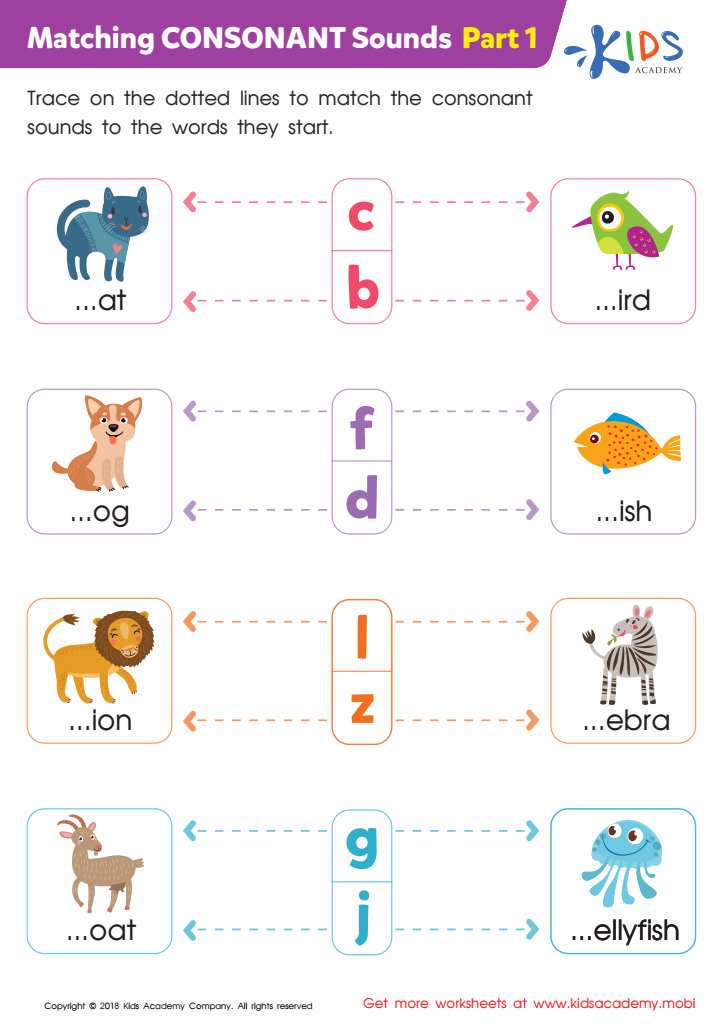
Matching Consonant Sounds: Part 1 Worksheet
 Assign to My Students
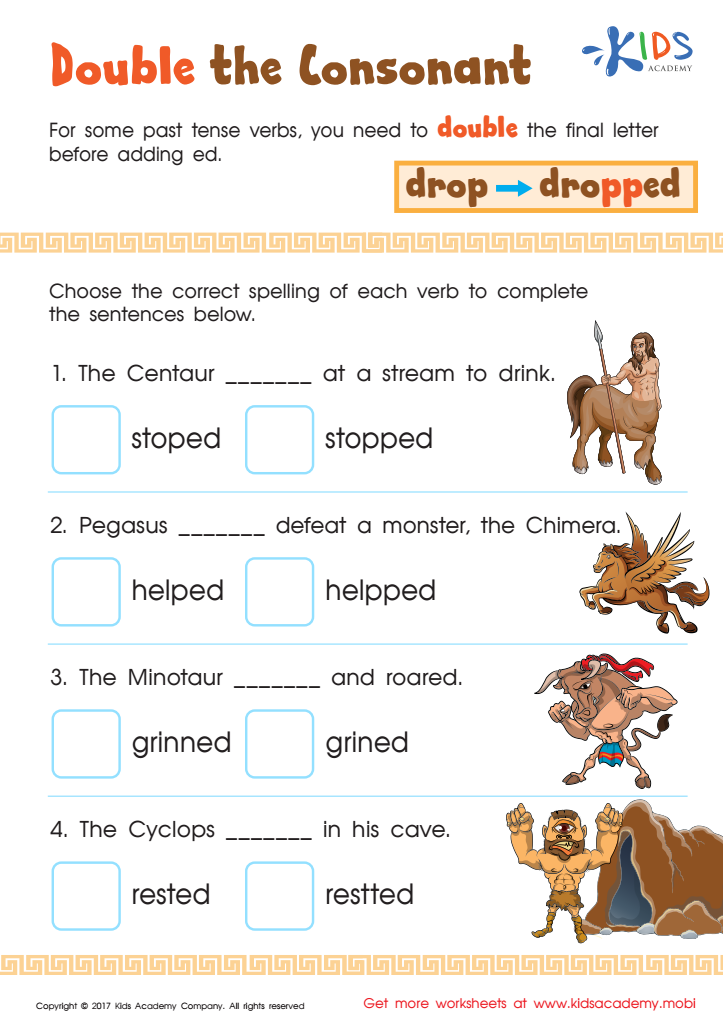
Double Consonant Spelling Worksheet
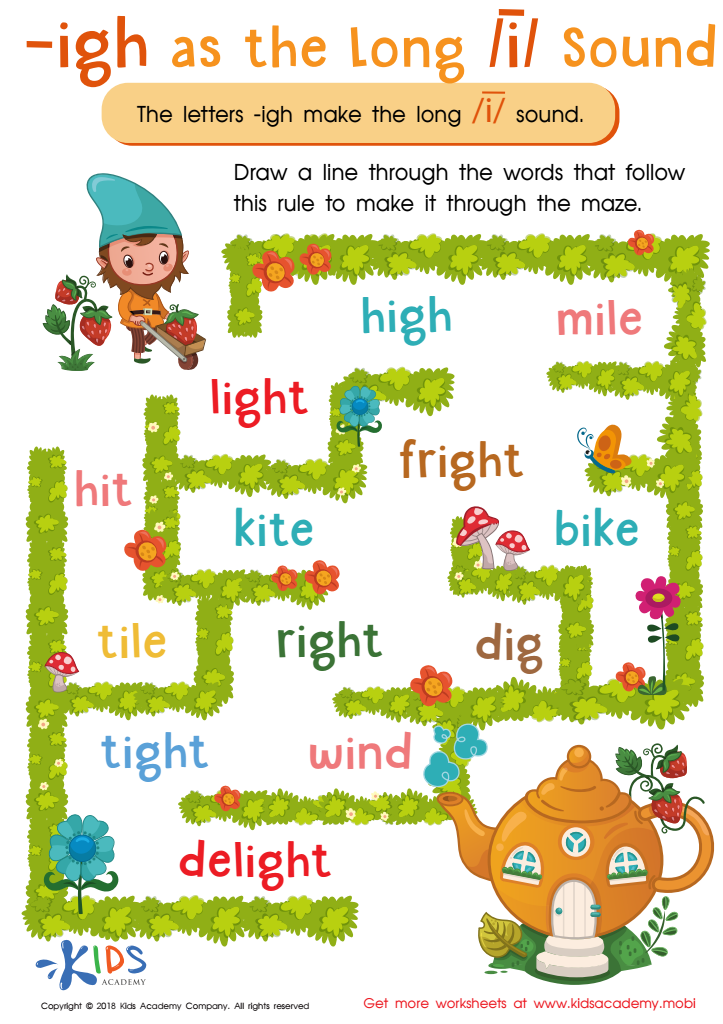
Reading: IGH as Long I Worksheet
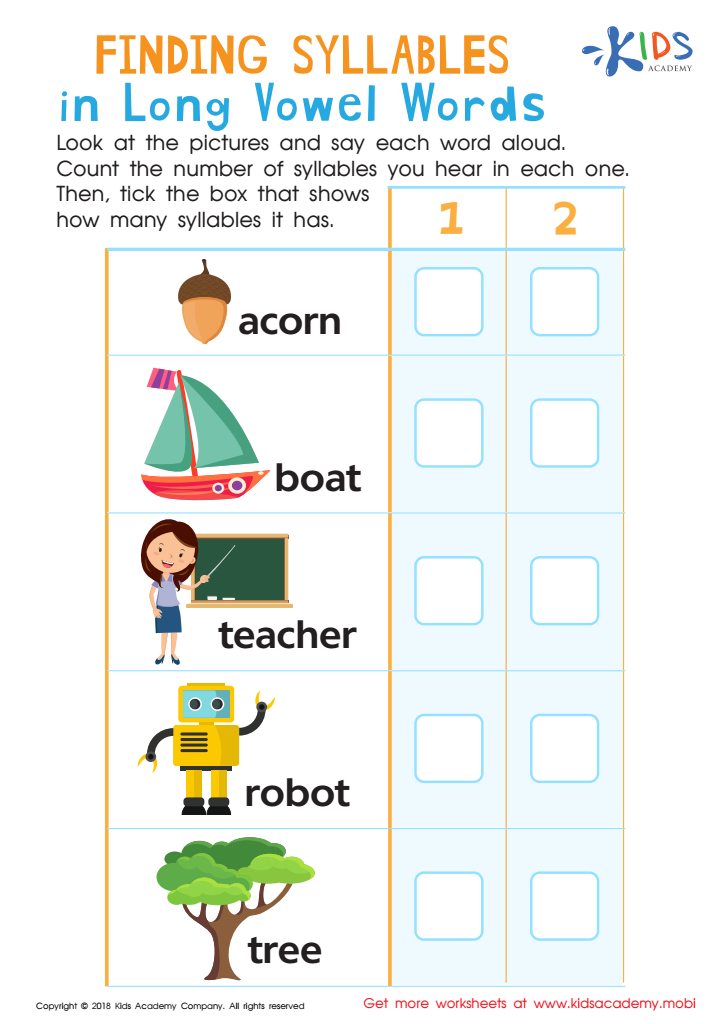
Finding Syllables in Long Vowel Words Worksheet
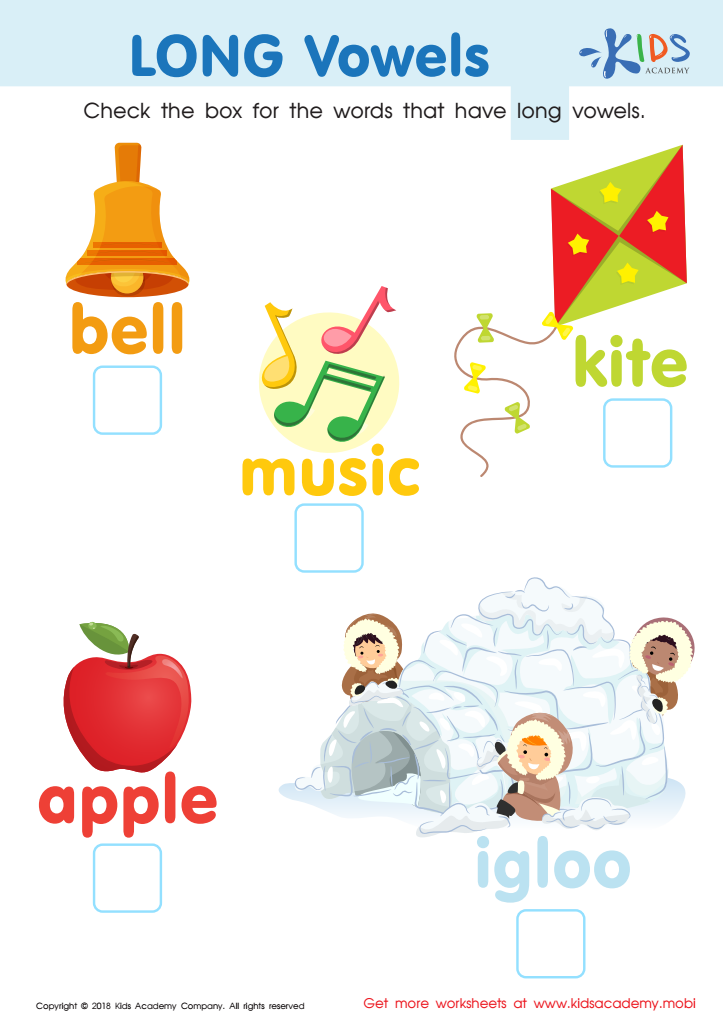
long vowels Worksheet



Understanding vowels and consonants is crucial for children aged 6-8, as this stage is foundational for their reading and writing skills. During these formative years, children transition from simple recognition of letters and sounds to more complex literacy tasks. Vowels and consonants are the building blocks of words, and mastering them helps children decode new words, enhancing their reading fluency.
Knowing the difference between vowels and consonants aids in phonemic awareness, which is the ability to hear, identify, and manipulate individual sounds in spoken words. This skill is directly linked to reading success. For instance, recognizing vowel sounds helps children with concepts like long and short vowels, ultimately guiding them in spelling and word recognition. Consonants, on the other hand, often represent the stable parts of words, providing a predictable framework around which vowels can vary.
Moreover, proficiency in identifying and using vowels and consonants supports spelling accuracy and vocabulary development. By understanding these letter groups, children can better grasp phonics rules, such as why "cake" has a long 'a' sound or why "cat" has a short 'a' sound. As a result, parents and teachers should emphasize vowels and consonants to ensure children build a strong, confident foundation in literacy that will support their future academic success.