Reading Non-Fiction Worksheets for Ages 6-8 - Page 4
89 filtered results
-
From - To
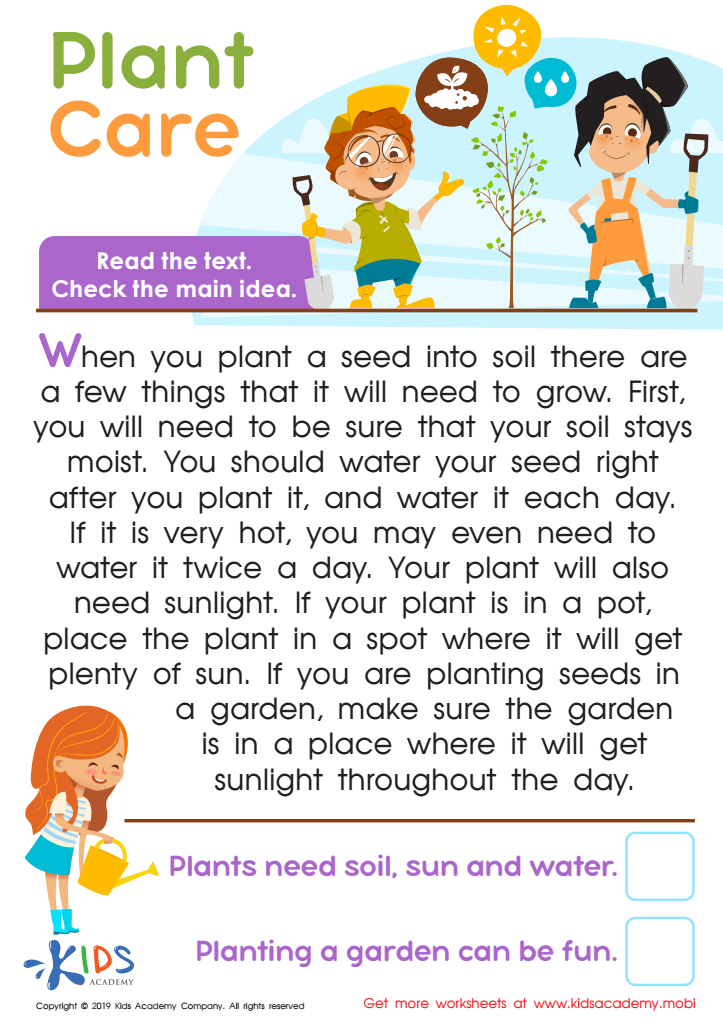
Plant Care Worksheet
 Assign to My Students
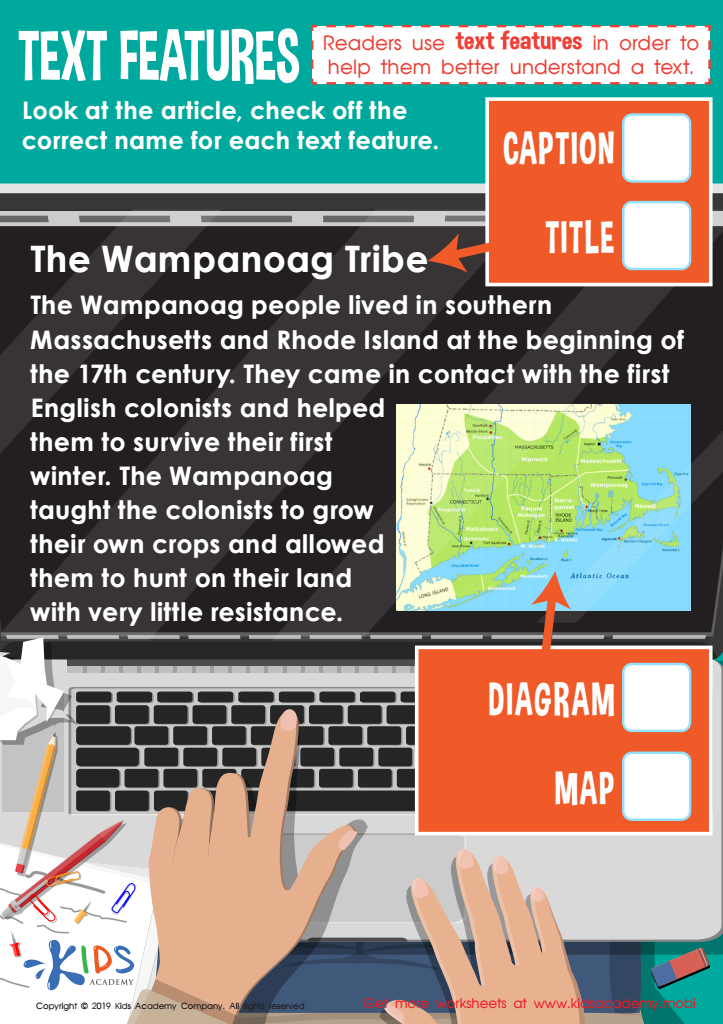
Text Features Worksheet
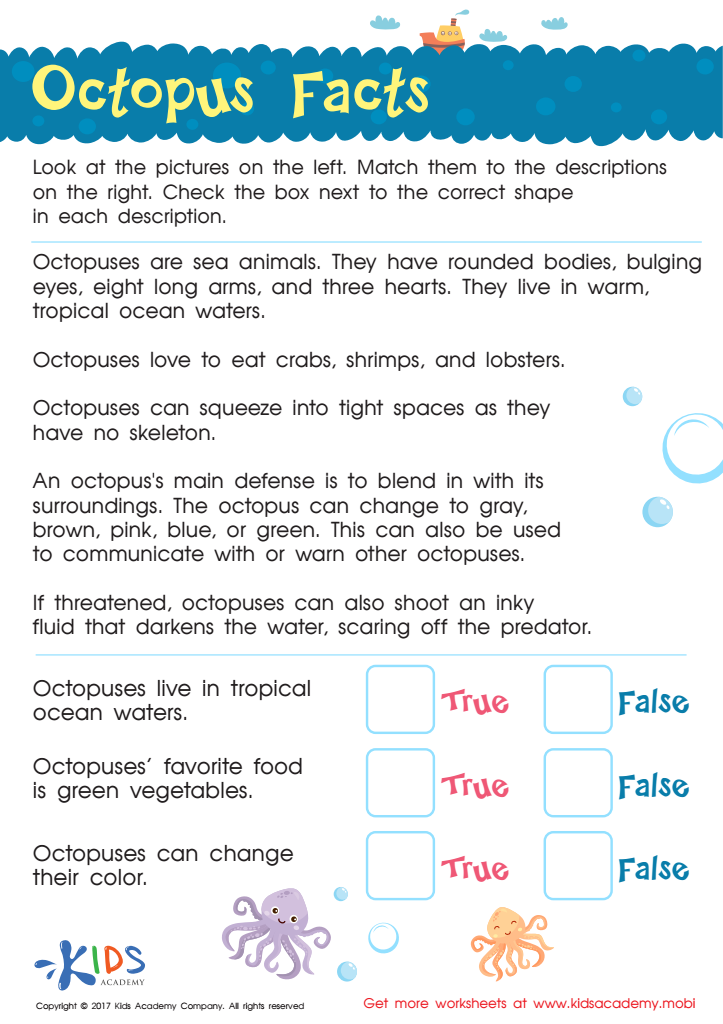
Octopus Facts Worksheet For Kids
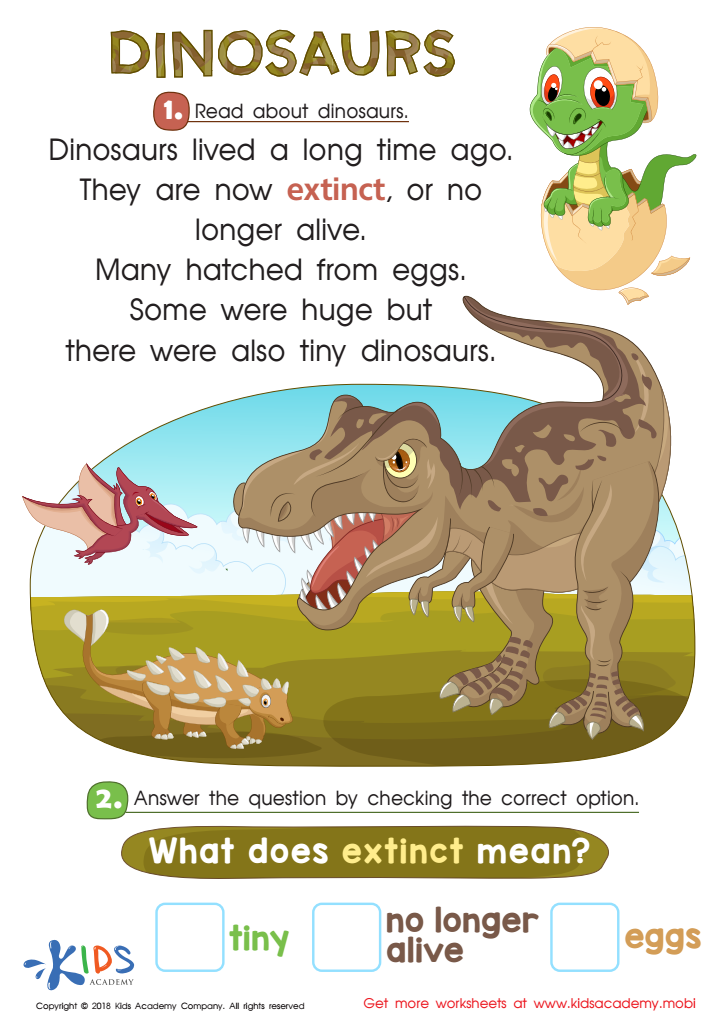
Dinosaurs Worksheet
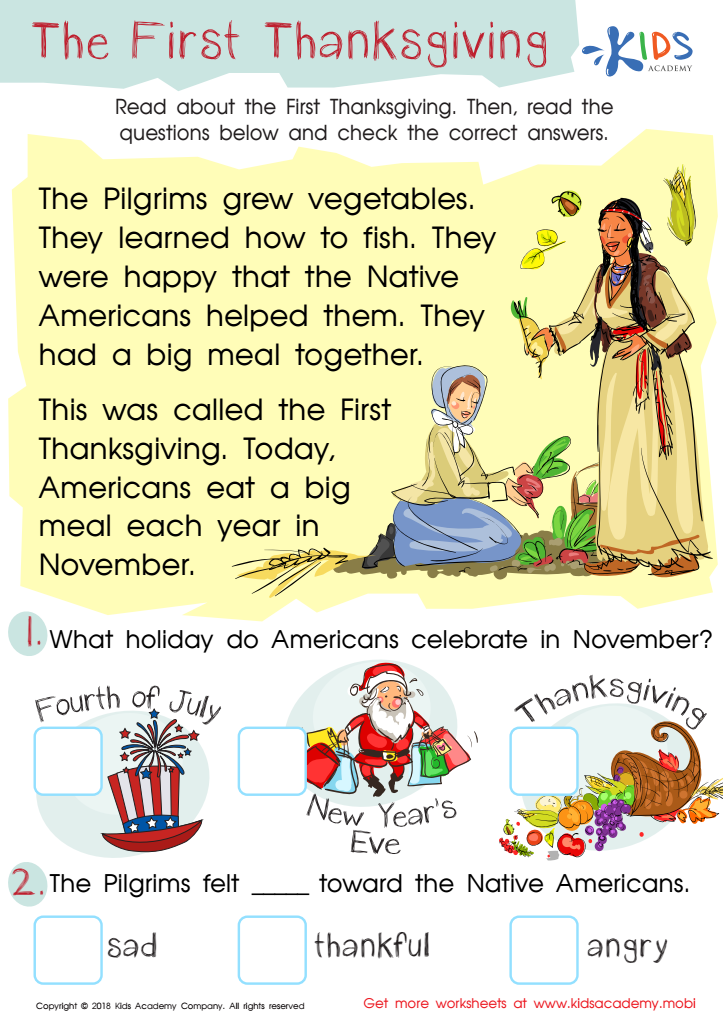
Assessment: First Thanksgiving Worksheet
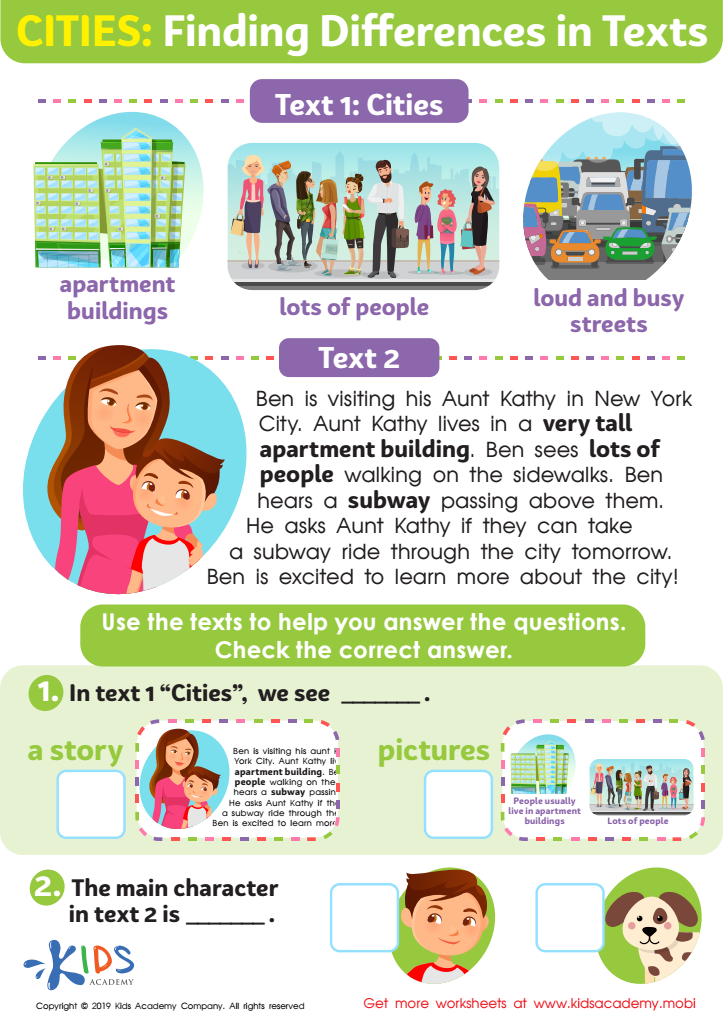
Cities: Finding Differences Worksheet
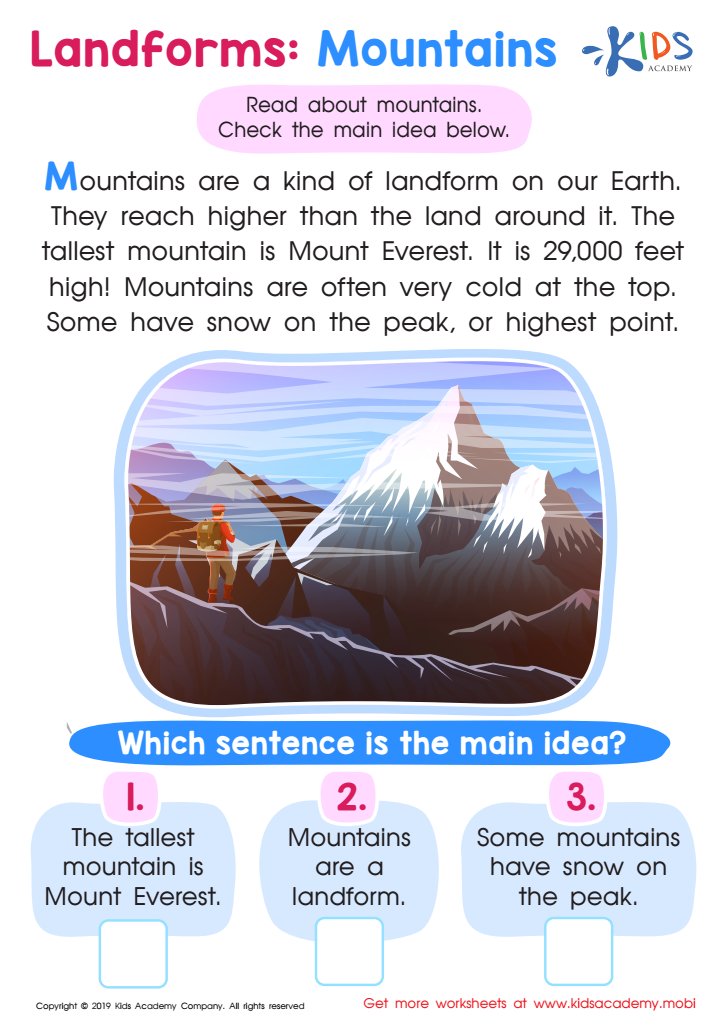
Landforms: Mountains Worksheet
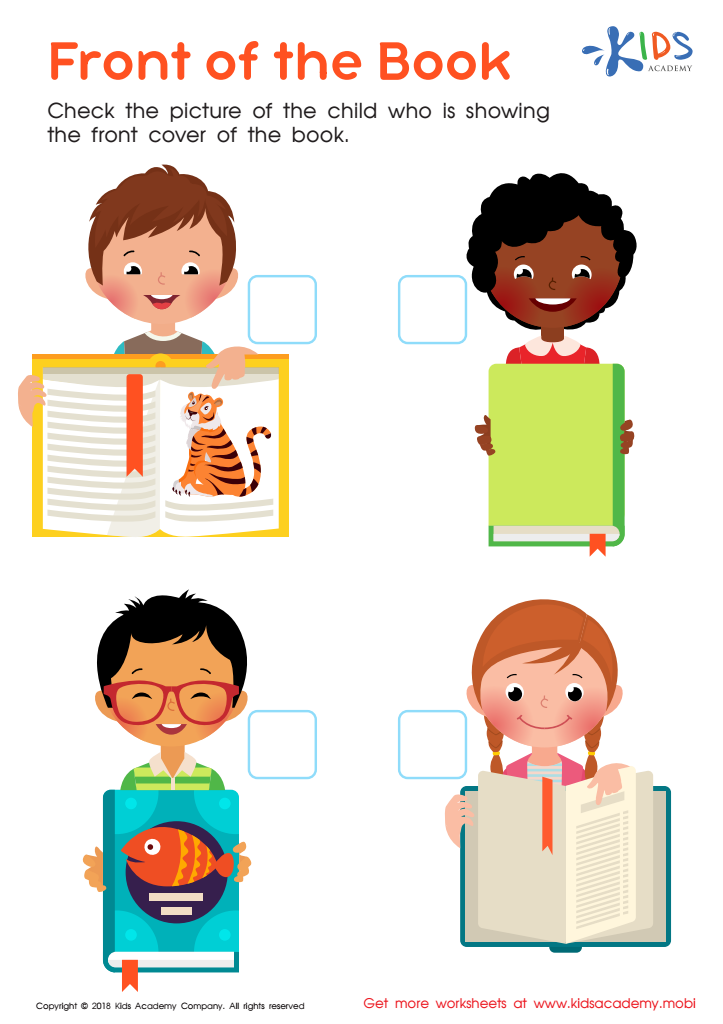
Front of the Book Worksheet
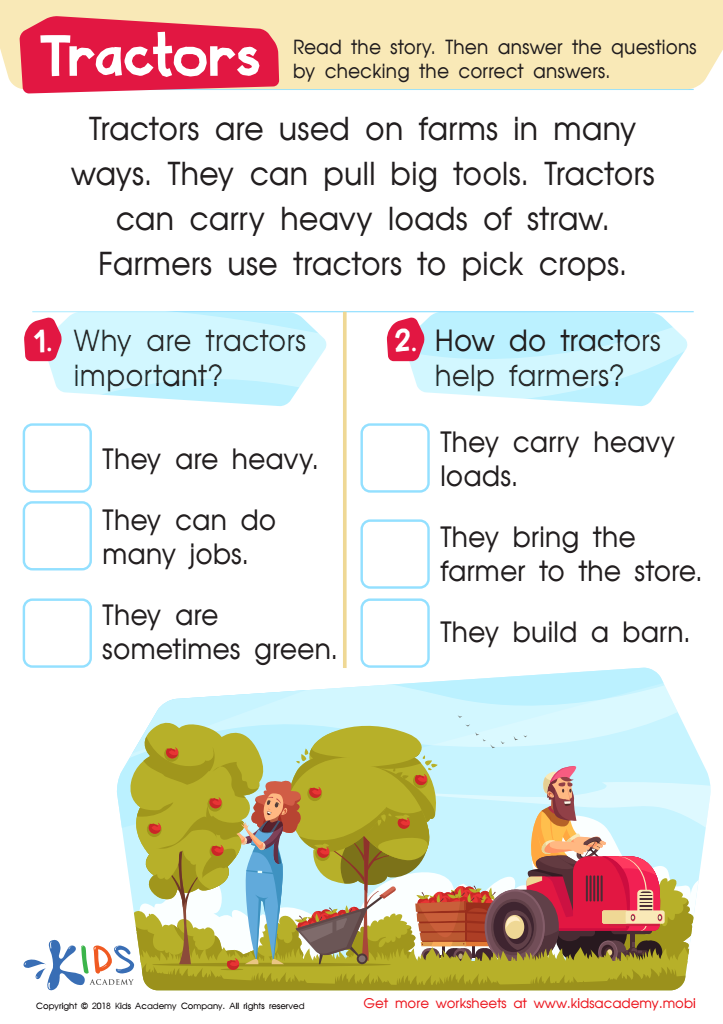
Tractors Worksheet
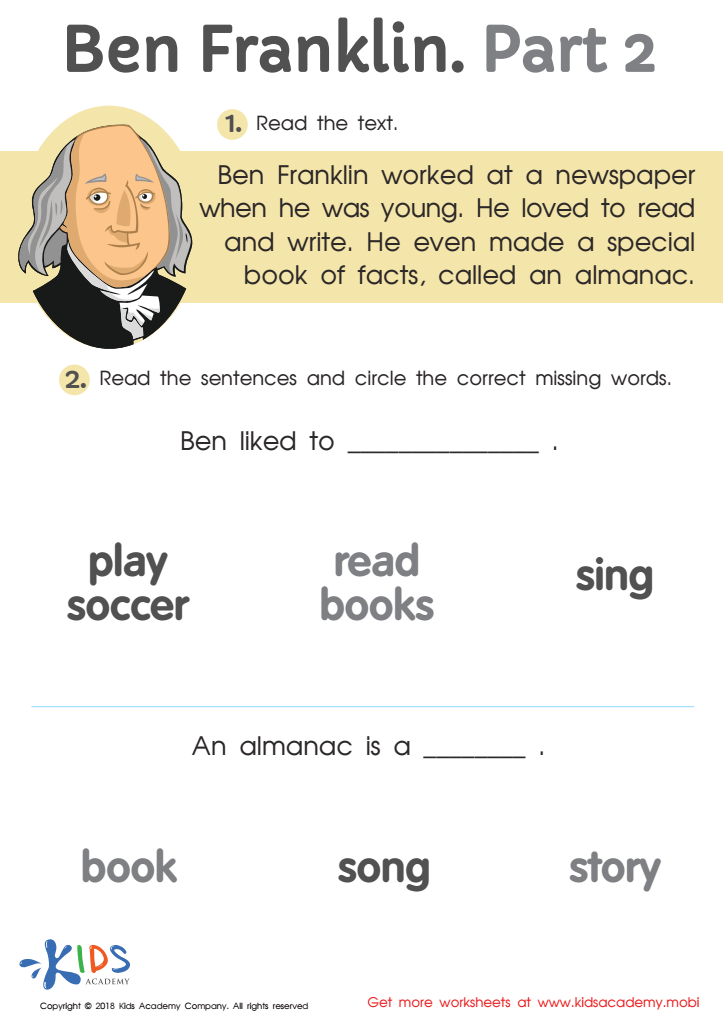
Ben Franklin Part 2 Worksheet
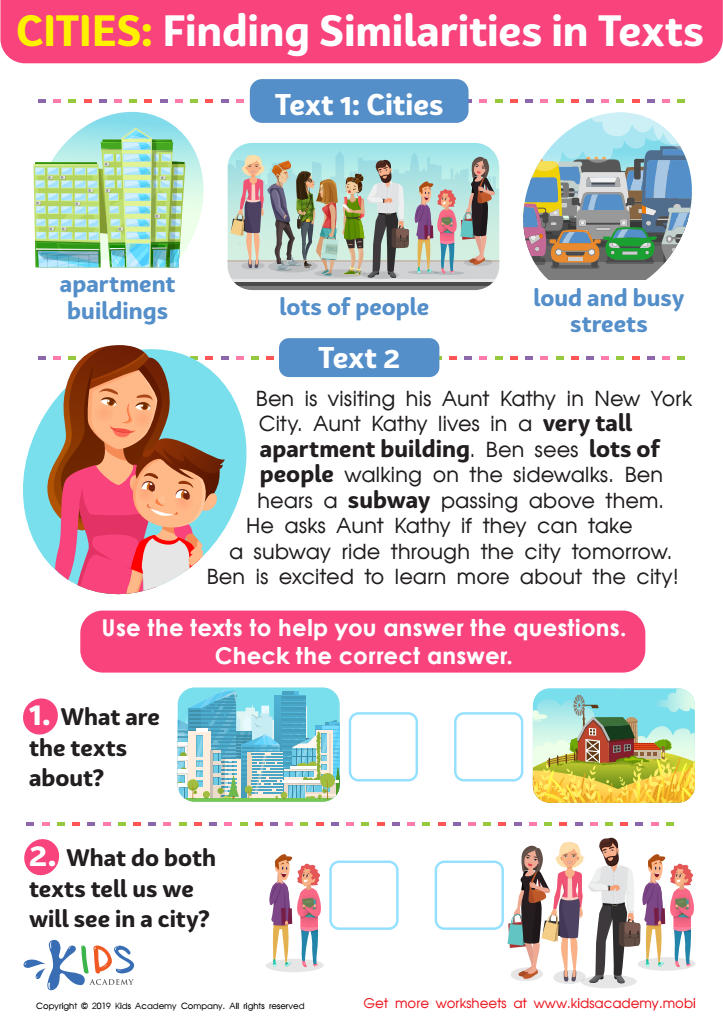
Cities: Finding Similarities Worksheet
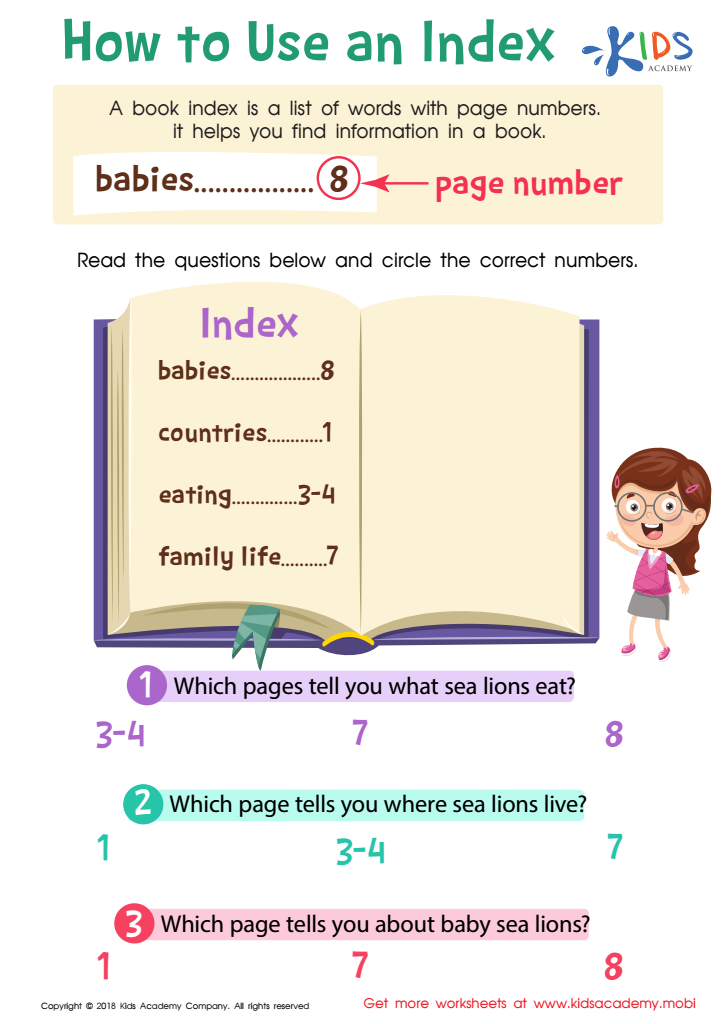
How Use Index Worksheet
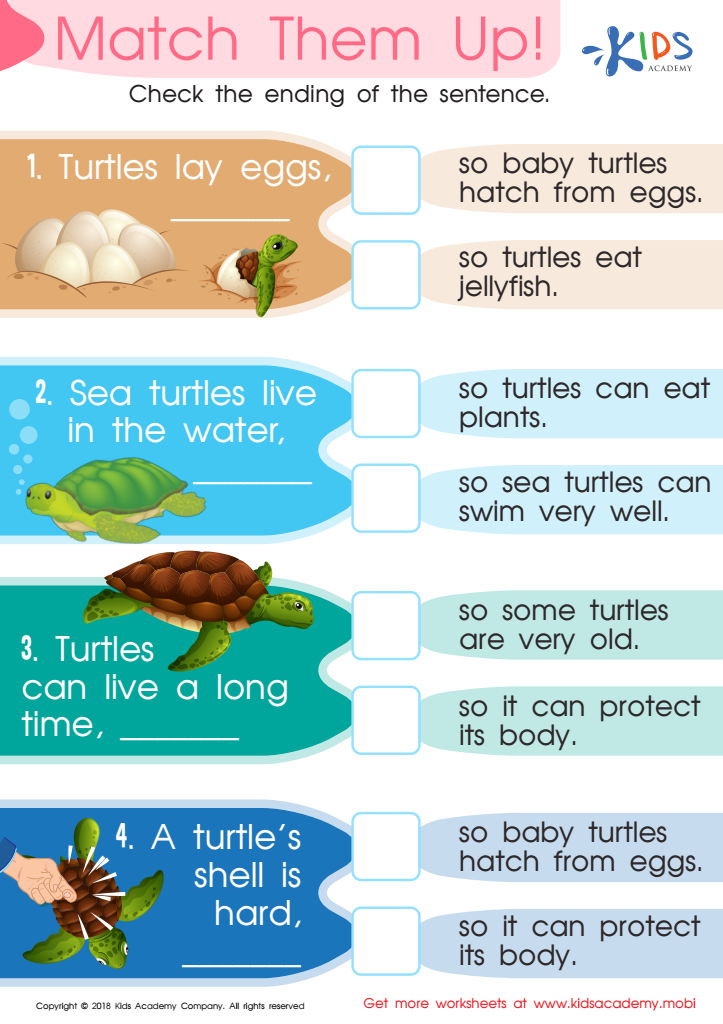
Match Them Up Worksheet
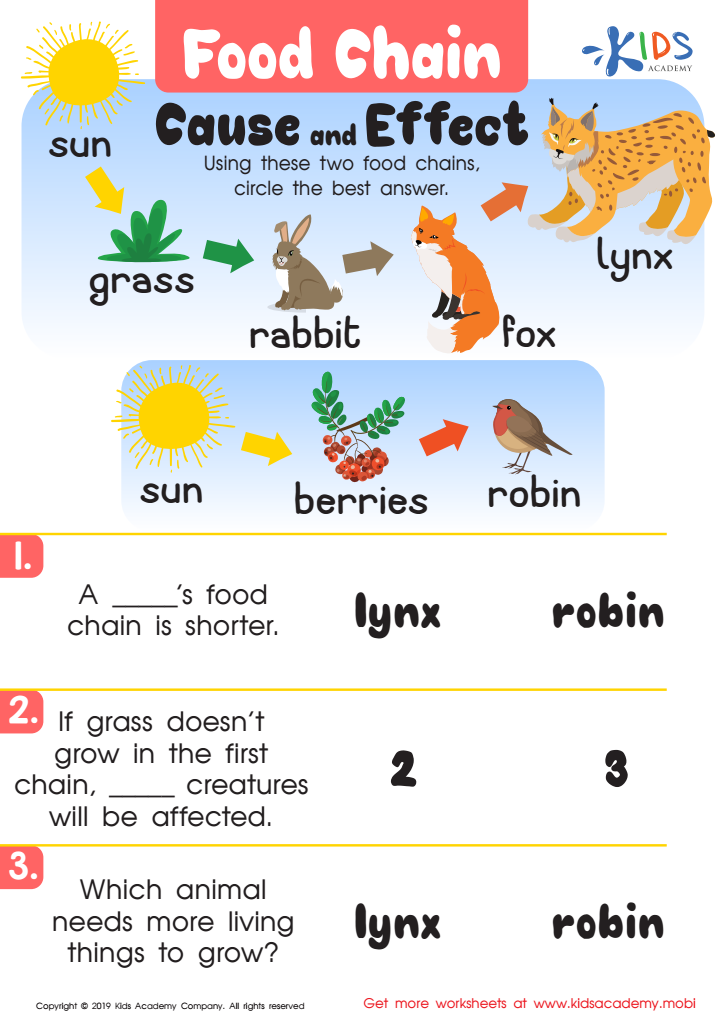
Food Chain Cause Worksheet
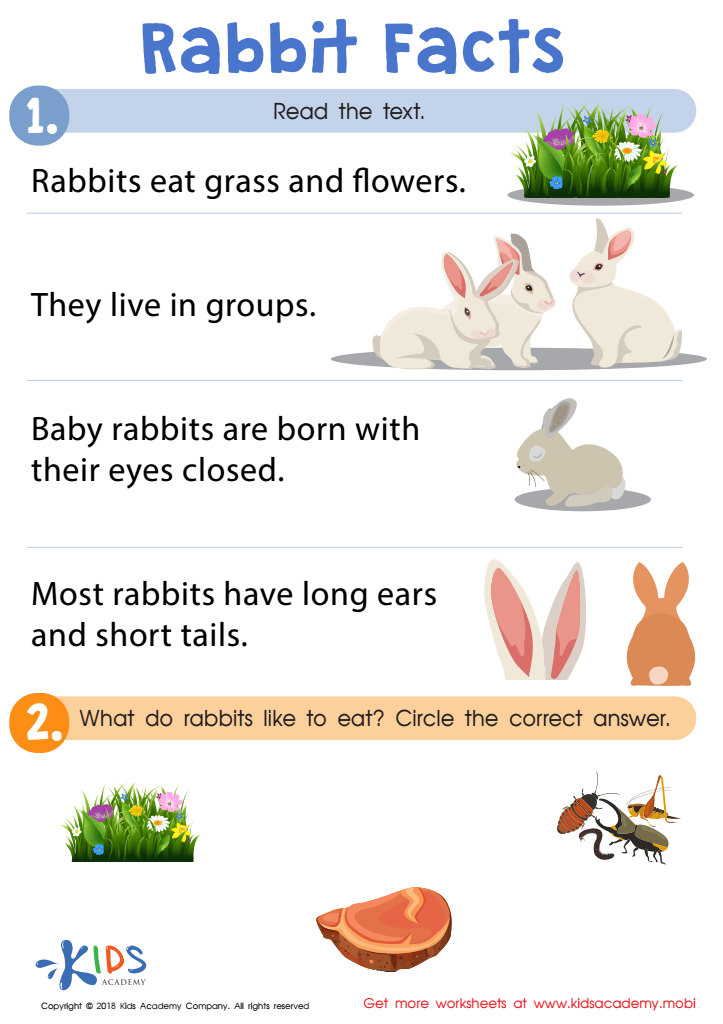
Rabbit Facts Worksheet
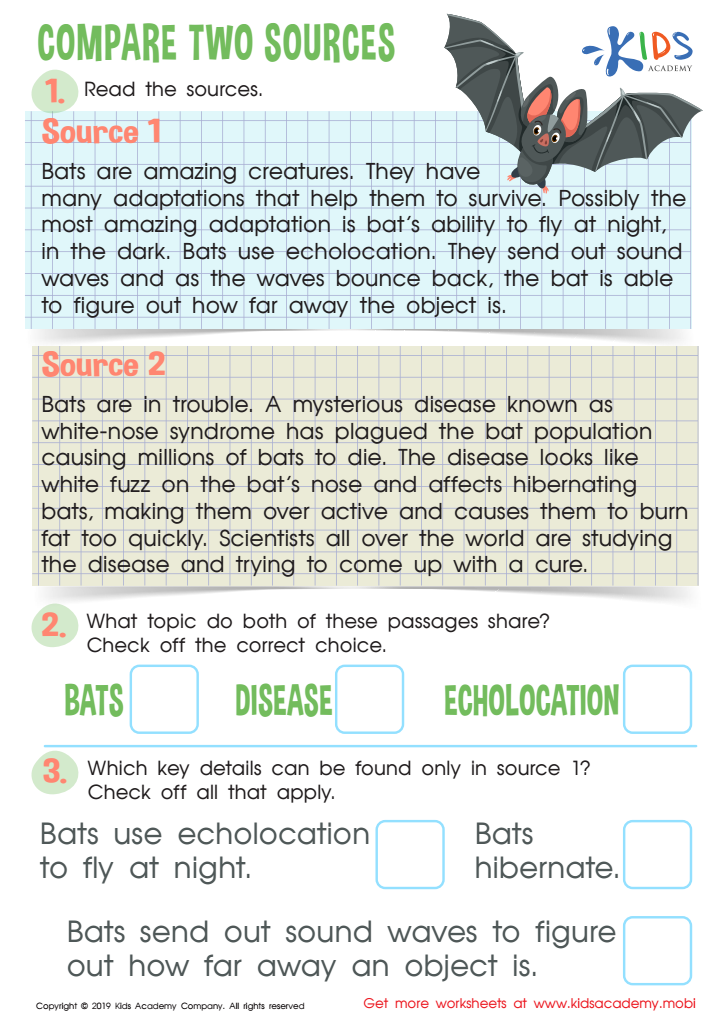
Compare Two Sources Worksheet
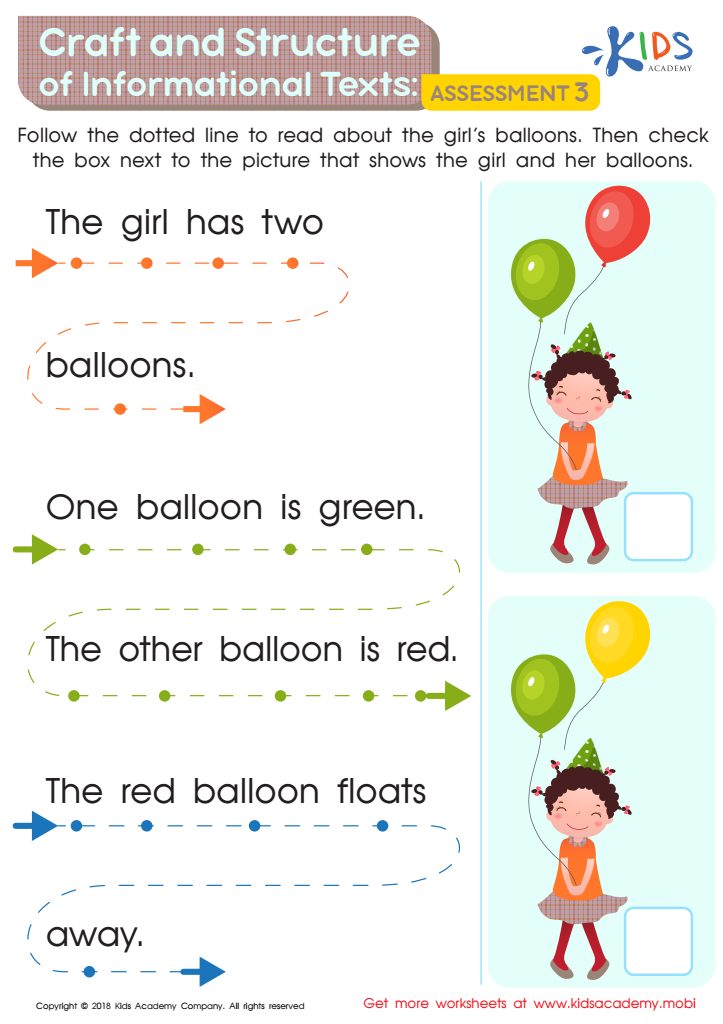
Craft and Structure of Informational Texts: Assessment 3 Worksheet








Reading non-fiction for ages 6-8 is crucial for fostering a love for learning and curiosity in young children. At this stage, children begin to develop critical thinking skills and an understanding of the world around them. Non-fiction texts expose them to a variety of subjects, from science and history to cultures and nature, enriching their knowledge base and stimulating their interests.
Moreover, non-fiction helps children build essential literacy skills, such as comprehension, vocabulary, and the ability to locate information. By navigating facts, charts, and diagrams, they learn to interpret information in diverse formats. This skill set is especially beneficial as they progress to higher grades, where they will encounter increasingly complex texts and concepts.
Parents and teachers should also note that non-fiction can promote discussion and inquiry, encouraging children to ask questions and seek answers, thus enhancing their cognitive skills. Furthermore, reading non-fiction empowers children with the ability to engage with real-world issues, making learning relevant and applicable to their lives. Overall, incorporating non-fiction into reading routines cultivates informed, expressive, and inquisitive learners, laying a strong foundation for lifelong curiosity and education.








