Easy Two-step Word Problems Worksheets for Ages 3-5
5 filtered results
-
From - To
Introducing our Easy Two-step Word Problems worksheets, perfectly tailored for young learners aged 3-5 years. These engaging Homeschool downloadable worksheets are designed to build foundational math skills in a fun and interactive way. Each worksheet encourages children to solve problems step-by-step, enhancing their critical thinking and reasoning abilities. With colorful illustrations and simple, clear instructions, our worksheets make learning enjoyable and accessible for preschoolers. Ideal for homeschool settings, they provide a structured approach to early math concepts, helping your child gain confidence and proficiency. Equip your child for academic success with these delightful learning tools!
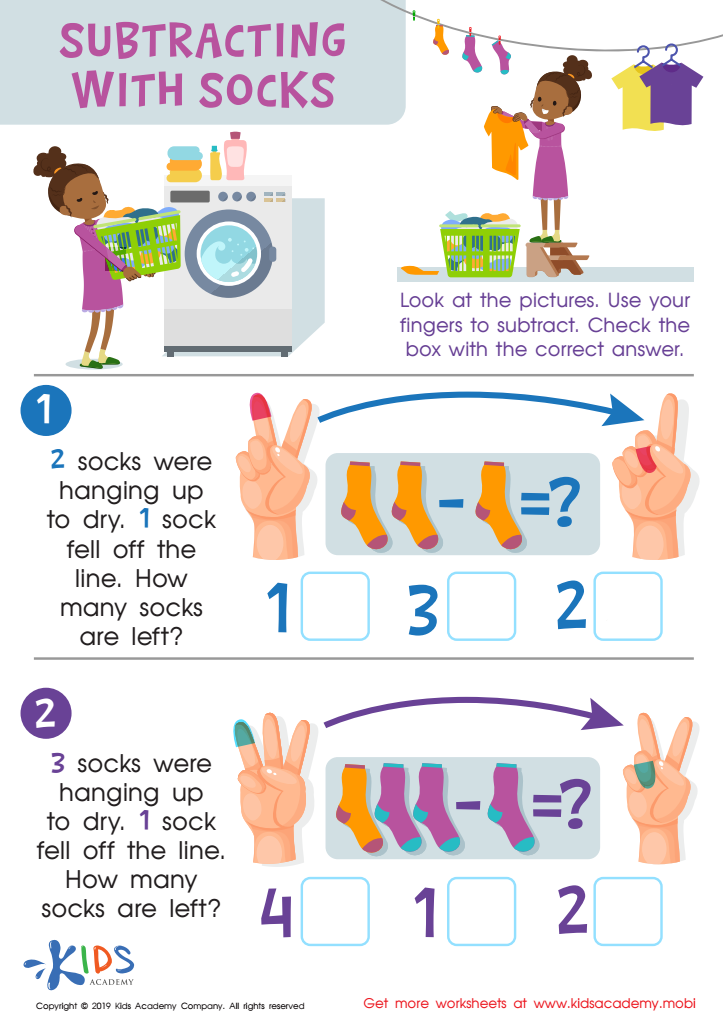
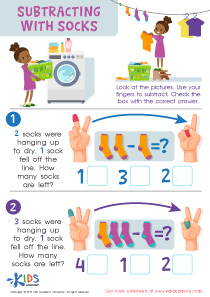
Subtracting Socks Worksheet
 Assign to My Students
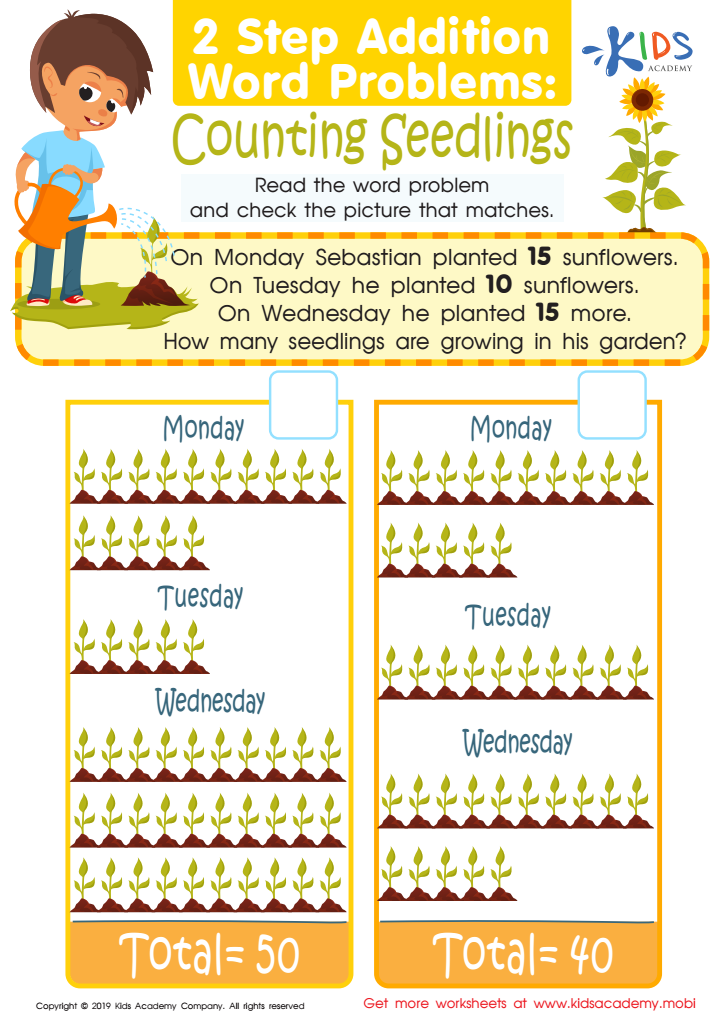
Counting Seedlings Worksheet
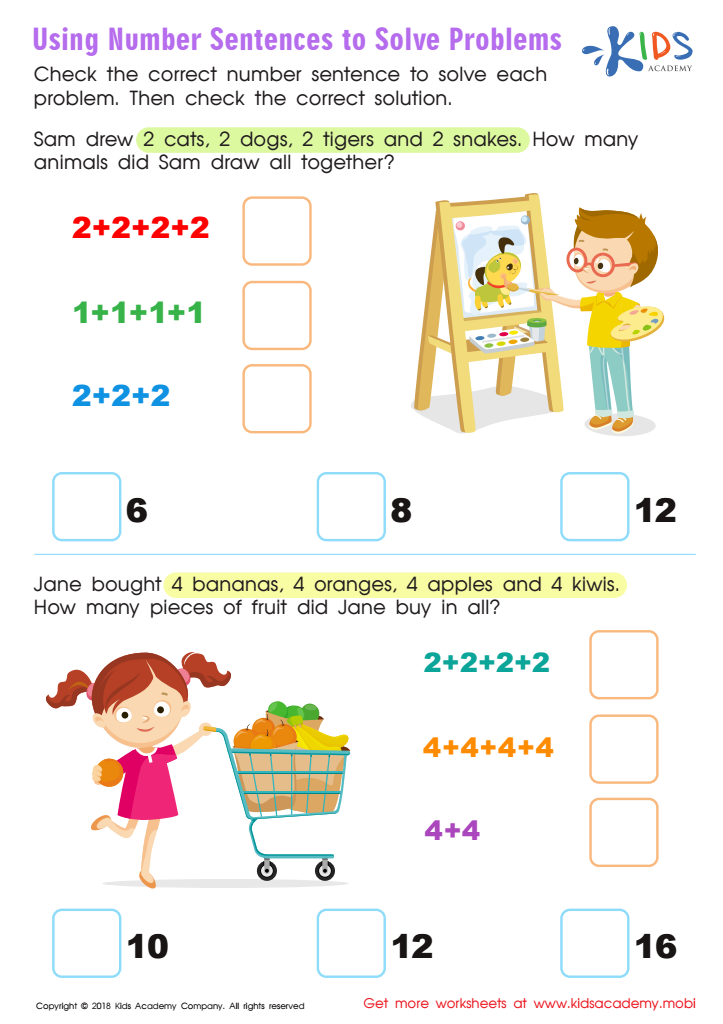
Using Number Sentences to Solve Problems Worksheet
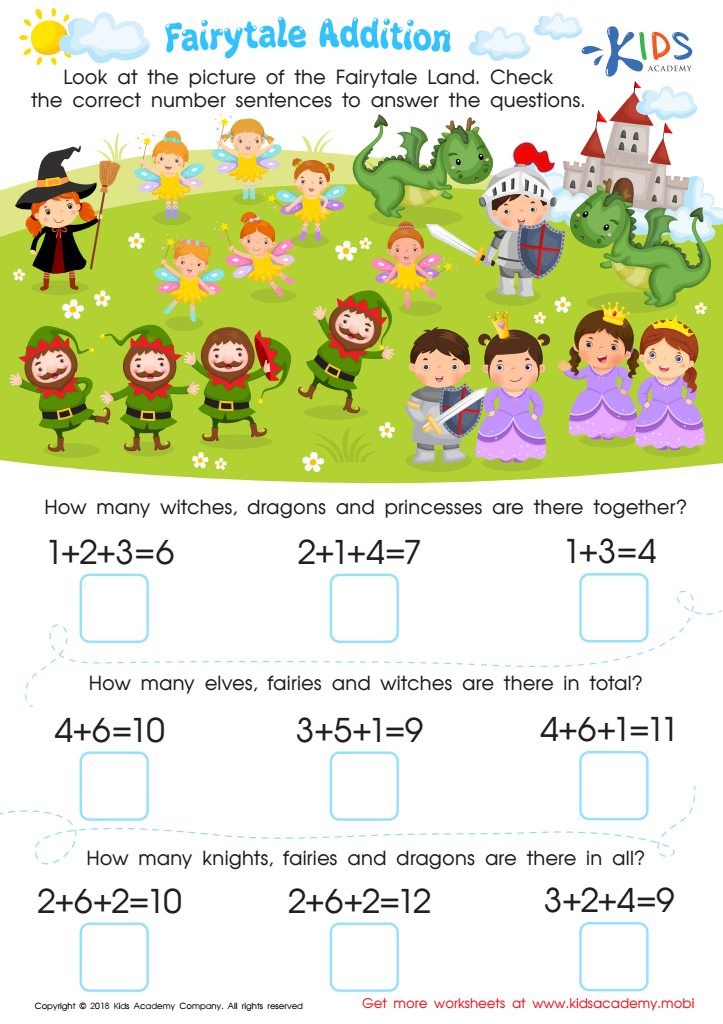
Fairytale Addition Worksheet
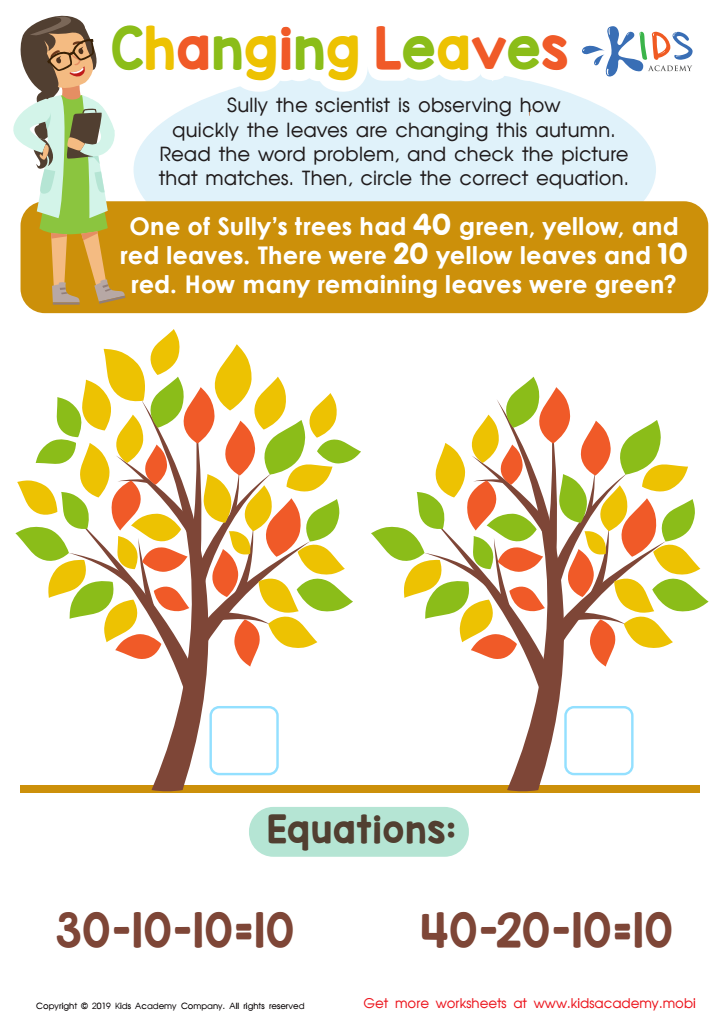
Changing Leaves Worksheet



Easy worksheets on two-step word problems are an invaluable tool for young learners, especially for those between the ages of 3 to 5 years. These carefully designed worksheets are not just another set of homeschool homework sheets; they are a fundamental part of developing early mathematical skills in a structured yet engaging way.
At this critical developmental stage, children are beginning to understand the world around them through more complex interactions. Two-step word problems help bridge the gap between simple recognition and more sophisticated problem-solving skills. These worksheets encourage children to think sequentially and apply basic arithmetic operations like addition and subtraction in practical scenarios.
Enhancing Cognitive Development
The primary advantage of using easy worksheets on two-step word problems for young children is the enhancement of cognitive development. These problems require the child to process information, plan a course of action, and then execute it, mimicking real-life problem-solving situations. This type of cognitive exercise helps in developing their reasoning skills, critical thinking, and logical processing.
Building a Strong Mathematical Foundation
Mathematics can be daunting. However, introducing children to its concepts through word problems helps demystify numbers and operations. These homeschool homework sheets are designed to create a fun learning environment where numbers become tools to solve interesting problems. By integrating storytelling with mathematics, children find a greater motivation to engage with the material, seeing practical applications of what they are learning.
Improving Reading Comprehension and Numeracy
Two-step word problems require children not just to understand numbers but also to read and comprehend what the problem is asking. This dual demand helps improve both their literacy and numeracy skills simultaneously. As they read through the scenario described in the worksheet, they learn to pick out relevant information and disregard the rest, which is a valuable skill in both academic and everyday contexts.
Encouraging Independence and Confidence
For children aged 3 to 5 years, building confidence in their abilities is crucial. As they work through these worksheets, they learn to trust their judgment and become more independent in their problem-solving approach. The satisfaction and confidence they gain from solving a two-step word problem on their own are immense and can translate into other areas of their learning and personal development.
Supporting Homeschool Education
For homeschooling parents, these worksheets serve as excellent resources to ensure that their children are not just learning but are excited about learning. The format of homeschool homework sheets allows parents to track their child’s progress and identify areas where they might need more support or enhancement. Additionally, this format can be adapted to the child's learning pace, providing personalized education that can be tailored to the child's strengths and weaknesses.
Interactive and Engaging Learning
To keep young learners engaged, easy worksheets on two-step word problems often incorporate colorful images, fun themes, and relatable scenarios. This makes the learning process less of a chore and more of an adventure. Children are naturally curious and creative, and when these worksheets tap into those traits, learning becomes a joy. Interactive elements such as cut-outs, drawing sections, or spaces for physical manipulatives can also be integrated to enhance tactile learning experiences.
Parent-Child Interaction
Another significant benefit of these worksheets in a homeschool setting is the opportunity for increased parent-child interaction. Solving problems together can be a bonding activity that allows parents to spend quality educational time with their children. This interaction not only helps children learn better but also strengthens the familial bond and encourages a positive attitude towards learning and problem-solving.
Preparation for Formal Schooling
Starting formal schooling can be intimidating for children and parents alike. Early exposure to structured learning through homeschool homework sheets prepares children for the kind of activities and teaching methods used in schools. By the time they begin kindergarten or elementary school, children familiar with solving two-step word problems will likely feel more confident and competent in their abilities, easing the transition.
Customizable Learning Tools
Homeschool homework sheets are incredibly versatile. They can be customized to the child’s learning stage, interests, and the specific educational goals set by the parents. Whether the focus is on improving mathematical skills, reading comprehension, or overall problem-solving abilities, these worksheets can be adjusted to meet those needs, making them a dynamic tool in the homeschooling arsenal.
In conclusion, easy worksheets on two-step word problems are not just another set of homeschool homework sheets; they are a crucial educational resource tailored to foster intellectual growth, confidence, and a love for learning in children aged 3 to 5 years. By integrating these worksheets into their daily learning, homeschooling parents can provide their children with a strong foundation in critical thinking and problem-solving that will benefit them for years to come.